

Spring Real Estate Maintenance Checklist: Prepare Your Property for Peak Season
Introduction: Why Spring Maintenance Matters in Real Estate
As winter thaws and spring emerges, real estate activity surges across markets. Whether you’re a homeowner, landlord, or investor, spring is the prime time to ensure your property stands out. Properties that shine in spring not only attract more buyers and tenants but also command higher prices and shorter listing times. However, winter can leave behind hidden issues—from clogged gutters to weathered exteriors—that detract from your property’s appeal and value. Proactive spring maintenance isn’t just about aesthetics; it’s about protecting your investment, ensuring safety, and maximizing profitability during the busiest season in real estate. This comprehensive checklist will guide you through every crucial step, from curb appeal upgrades to essential systems checks, so your property is ready for peak market activity. Let’s dive into how you can set your property up for success this spring.
Exterior Spring Maintenance: Boosting Curb Appeal & Protection
Lawn & Landscaping
- Clear Debris: Remove branches, leaves, and winter litter from lawns, flowerbeds, and walkways.
- Reseed & Fertilize: Repair bare patches and apply a spring fertilizer to jumpstart healthy grass growth.
- Prune Trees & Shrubs: Cut back dead or overgrown branches to encourage new growth and prevent hazards.
- Edge & Mulch Beds: Define garden beds and add fresh mulch to suppress weeds and retain moisture.
- Plant Seasonal Color: Add annuals or early-blooming perennials for vibrant curb appeal.
Exterior Surfaces & Structures
- Power Wash: Clean siding, driveways, patios, and decks to remove grime, mildew, and salt residue.
- Inspect Paint & Siding: Look for peeling paint, cracks, or rot. Touch up or repaint as needed to protect surfaces.
- Check Roof & Chimney: Use binoculars or hire a professional to spot missing shingles, loose flashing, or chimney damage.
- Clean & Repair Gutters: Remove debris, check for leaks, and ensure downspouts direct water away from the foundation.
- Examine Fencing & Gates: Tighten hardware, replace damaged boards, and repaint or seal to prevent decay.
Driveways, Walkways, and Entryways
- Seal Cracks: Fill cracks in driveways and walkways to prevent water infiltration and further deterioration.
- Pressure Wash Hardscapes: Clean pavers, concrete, and stonework for a refreshed look.
- Update Lighting: Test exterior lights and replace bulbs. Consider adding solar path lights for enhanced safety and appeal.
- Refresh Entry Doors: Clean, repaint, or refinish front doors. Polish hardware and replace worn welcome mats.
Interior Spring Maintenance: Health, Comfort & Value
HVAC & Air Quality
- Service HVAC Systems: Schedule professional inspection and maintenance for heating and cooling systems before summer demand spikes.
- Replace Filters: Change air filters in furnaces, air conditioners, and air purifiers for better air quality and efficiency.
- Clean Vents & Ducts: Vacuum vents and consider duct cleaning if dust or allergens are an issue.
- Test Thermostats: Check function and recalibrate programmable thermostats for seasonal schedules.
Plumbing & Water Systems
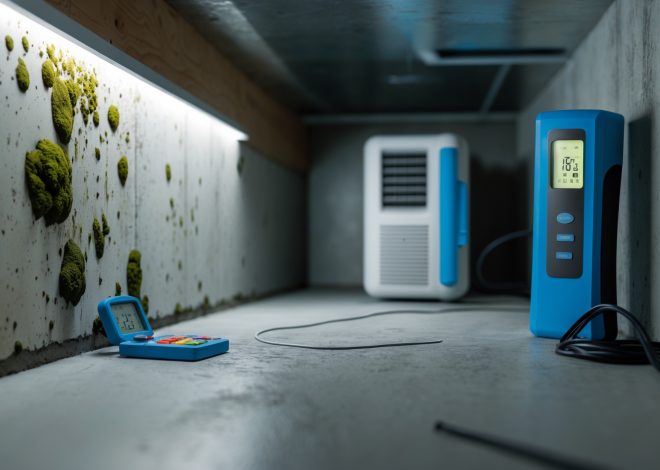
- Inspect for Leaks: Check under sinks, around toilets, and in basements or crawlspaces for signs of leaks or moisture.
- Test Sump Pumps: Pour water into the pit to ensure the pump activates and drains properly—critical in spring’s rainy season.
- Flush Water Heater: Remove sediment buildup to improve efficiency and lifespan.
- Check Outdoor Faucets: Ensure hoses and irrigation systems are leak-free and operational after winterization.
Windows, Doors, and Insulation
- Clean Windows: Wash inside and out for maximum light and visibility—makes rooms feel larger and more inviting.
- Check Weatherstripping: Inspect seals on windows and doors, replacing damaged strips to improve energy efficiency.
- Test Locks & Latches: Ensure all open/close smoothly and securely to enhance safety and function.
- Inspect Attic & Basement Insulation: Look for signs of moisture or rodent activity, and top up insulation if needed.
General Cleaning & Safety
- Deep Clean Carpets & Flooring: Rent a steam cleaner or hire professionals for carpets; clean and reseal hard floors.
- Test Smoke & CO Alarms: Replace batteries and test all alarms for safety compliance.
- Declutter & Organize: Remove excess items from closets, basements, and garages to maximize perceived space.
- Inspect Fire Extinguishers: Confirm charge status and replace or service as needed.
Pest Prevention and Control
- Seal Entry Points: Walk the property and caulk gaps around windows, doors, and foundation to keep pests out.
- Clear Perimeter: Trim vegetation away from the house and store firewood far from walls to reduce harborage.
- Inspect for Infestation: Look for signs of termites, carpenter ants, or rodents, especially in attics and basements.
- Schedule Preventive Treatment: Consider professional pest control if your area is prone to seasonal outbreaks.
Special Considerations for Sellers and Landlords
Sellers: Maximizing Market Appeal
- Stage Outdoor Spaces: Arrange patio furniture, add potted plants, and repair decks or fences for inviting photos and showings.
- Highlight Upgrades: Document recent maintenance or improvements to reassure buyers and boost perceived value.
- Schedule Pre-Listing Inspection: Catch and address minor issues before they become negotiation sticking points.
Landlords: Preparing for New Tenants
- Change Locks: Re-key or replace locks between tenants for security.
- Service Appliances: Test and clean all appliances, replacing filters and addressing repairs proactively.
- Update Safety Devices: Replace batteries in smoke and CO detectors, confirm fire extinguishers are accessible and current.
- Document Condition: Take photos or video of the property after cleaning and maintenance for move-in records.
Budgeting for Spring Maintenance
Estimating Costs
- Routine Tasks: Budget for landscaping ($300–$600), gutter cleaning ($100–$250), HVAC servicing ($150–$400), and window washing ($100–$300).
- Repairs & Upgrades: Set aside extra for unexpected repairs (e.g., roof patching, exterior painting, mulch/plant refresh).
- DIY vs. Professional: Assess your skills honestly. DIY saves money but may take more time; pros offer efficiency and quality assurance.
Scheduling & Prioritization
- Early Bird Advantage: Schedule pros early in spring—service providers book fast during peak season.
- Prioritize Curb Appeal & Safety: Focus first on visible and safety-related tasks, then address cosmetic upgrades.
- Spread Costs: Break large projects into manageable phases throughout spring to avoid budget strain.
Maintenance Tools & Supplies: Spring Essentials
- Lawnmower or string trimmer
- Garden rakes and pruning shears
- Pressure washer (or rental access)
- Basic hand tools (screwdrivers, wrenches, caulk gun)
- Gutter scoop and sturdy ladder
- Exterior and interior paint touch-up supplies
- Mulch, fertilizer, grass seed
- New air and water filters
- Replacement light bulbs (indoor/outdoor)
- Smoke/CO alarm batteries
- Safety gear (gloves, goggles, masks)
Spring Maintenance Timeline: Week-by-Week Guide
- Week 1: Walk property, note issues, schedule professional services.
- Week 2: Clean gutters, power wash exterior, inspect roof and siding.
- Week 3: Lawn care (rake, fertilize, reseed), prune trees/shrubs, mulch beds.
- Week 4: Service HVAC, change filters, test alarms, deep clean interior spaces.
- Ongoing: Monitor for new issues, keep up with lawn mowing, spot-clean as needed, and address repairs promptly.
Conclusion: Invest in Spring Maintenance for Year-Round Real Estate Success
Proactive spring maintenance is more than a seasonal chore—it’s a strategic investment in your property’s performance, safety, and value. By following this detailed checklist, you’ll not only enhance curb appeal and attract buyers or tenants, but also prevent costly repairs and minimize liability throughout the year. The effort you put in now pays dividends during the busy real estate season and beyond, helping you command top dollar, reduce vacancy, and keep your property in peak condition. Remember, the best-maintained properties leave the strongest first impressions and enjoy the smoothest transactions. Whether you’re preparing to sell, rent, or simply safeguard your asset, spring is your opportunity to set your property up for lasting success. Start early, stay organized, and enjoy the rewards of a property that truly shines this season—and every season to come.
2 thoughts on “Spring Real Estate Maintenance Checklist: Prepare Your Property for Peak Season”
Leave a Reply



Is there a recommended order for tackling the spring maintenance checklist in the article, or can some tasks be done at the same time? For example, should I reseed my lawn before power washing exterior surfaces, or does the sequence not really matter?
You can do many of the checklist tasks at the same time, but the sequence does matter for a few. For example, it’s best to power wash exterior surfaces before reseeding your lawn, since power washing can disturb soil and seeds. Generally, tackle any cleaning or repairs that might create debris before working on landscaping or planting. This way, you avoid undoing your hard work.