

Real Estate Compliance: A Landlord’s Guide to Habitability Standards and Inspections
Introduction: Why Habitability Standards Matter in Real Estate
Owning rental property can be highly rewarding—but it comes with a serious responsibility: ensuring your property is safe, livable, and compliant with the law. Habitability standards are not just legal jargon; they are the foundation of a successful landlord-tenant relationship and a critical safeguard for your investment. Failing to meet these standards can result in fines, lawsuits, or even forced vacancy. Many landlords, especially those new to the business, underestimate the complexity of habitability laws and inspection processes. This comprehensive guide will walk you through everything you need to know about habitability standards, how to prepare for compliance inspections, and actionable steps to avoid costly violations. Whether you own a single-family home or a portfolio of units, understanding and implementing these standards is non-negotiable for long-term success.
Understanding Habitability: The Legal Basics
What Are Habitability Standards?
Habitability standards define the minimum requirements a rental property must meet to be considered safe and livable. These regulations, rooted in state and local laws, obligate landlords to provide tenants with a dwelling that meets basic health, safety, and structural conditions. Common requirements include adequate heating, plumbing, electricity, weather protection, and the absence of significant hazards like mold or pest infestations.
Federal, State, and Local Layers
- Federal Law: Sets baseline requirements through statutes like the Fair Housing Act and the Americans with Disabilities Act (ADA).
- State Law: Individual states expand on federal law, defining more specific standards for habitability. For example, California’s Civil Code Section 1941.1 lists explicit requirements.
- Local Ordinances: Many cities and counties have their own codes, which may be stricter than state law. Always check with your local housing authority for the most up-to-date standards.
Key Habitability Categories
- Structural integrity (roof, floors, walls, windows, doors)
- Plumbing and sanitation (hot and cold water, sewage disposal, leak-free fixtures)
- Heating and ventilation (functional heating system, adequate ventilation)
- Electrical safety (safe wiring, working outlets and lights)
- Pest control (no infestations of roaches, rodents, or other vermin)
- Smoke and carbon monoxide detectors
- Safe egress (unobstructed exits in case of emergency)
Common Landlord Mistakes in Meeting Habitability
Overlooking Local Upgrades
Many landlords assume that meeting state requirements is sufficient. However, local codes may require additional features, such as window locks or specific smoke detector models. Always verify with your municipality before leasing a property.
Deferred Maintenance
Postponing small repairs can quickly snowball into major habitability violations. For example, a minor roof leak left unchecked can lead to structural damage and mold—both serious compliance issues.
Improper DIY Repairs
Cutting corners with unlicensed or unpermitted work can lead to code violations and unsafe conditions. Plumbing and electrical work, in particular, should always be performed by licensed professionals and inspected as required.
Neglecting Regular Inspections
Some landlords only address issues when tenants complain. Proactive, routine inspections are essential to catch problems before they become violations or safety hazards.
Preparing for a Habitability Inspection
Types of Inspections
- Move-In/Move-Out Inspections: Document property condition to establish a baseline and avoid disputes.
- Annual/Periodic Inspections: Regularly check for compliance and maintenance needs.
- Complaint-Driven Inspections: Triggered by tenant or third-party complaints; often more stringent and can lead to citations or fines.
Pre-Inspection Checklist
- Test all smoke and CO detectors; replace batteries as needed
- Check for leaks under sinks, around toilets, and in basements
- Verify all windows and doors open, close, and lock properly
- Inspect roof, gutters, and downspouts for signs of leaks or damage
- Ensure all appliances are in safe working order
- Look for signs of pests (droppings, nests, insect activity)
- Confirm heating and cooling systems function properly
- Ensure clear, unobstructed exits and hallways
- Check electrical outlets and circuit breakers for proper operation
- Inspect flooring for trip hazards or loose boards/carpets
Documentation
Keep detailed records of repairs, maintenance, and inspections. Take date-stamped photos and keep digital and hard copies of receipts and inspection reports. This documentation is invaluable if you ever need to prove compliance in court or to a housing authority.
Addressing the Most Common Habitability Violations
1. Faulty Smoke or Carbon Monoxide Detectors
These are among the most frequently cited violations. Install detectors as required by law (often in hallways and every bedroom), test them regularly, and replace units that are more than 7–10 years old.
2. Mold and Water Damage
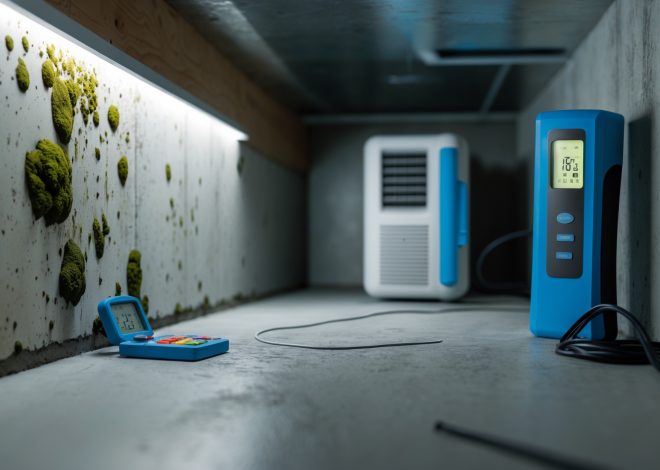
Mold is a health hazard and a red flag for inspectors. Address leaks immediately, keep humidity in check with proper ventilation, and remediate any mold growth using approved methods. Avoid painting over mold—this does not resolve the underlying issue.
3. Pest Infestations
Rodent and insect infestations violate health codes. Seal entry points, address sanitation issues, and call in licensed exterminators for recurring problems. Provide tenants with information on how to report pest issues promptly.
4. Broken or Insecure Entryways
Doors and windows must lock securely. Replace broken locks immediately and consider upgrading to deadbolts or smart locks for added security and compliance with local codes.
5. Unsafe Heating or Plumbing
Tenants must have access to safe, functional heat and hot water. Service boilers and heaters annually, insulate exposed pipes, and address plumbing leaks promptly to avoid both habitability violations and property damage.
How to Respond to Inspection Results
Receiving a Notice of Violation
If you receive a notice of violation, read it carefully and note the deadline to correct issues. Most jurisdictions provide a specific window (often 30 days) for remediation.
Prioritizing Repairs
- Life-Safety Issues: Correct immediately (e.g., smoke detectors, exposed wiring, blocked exits)
- Structural/Utility Issues: Schedule qualified professionals and obtain permits if needed
- Minor Issues: Address quickly to avoid escalation
Communicating with Tenants
Notify tenants of upcoming repairs and timelines. In some cases (like major plumbing repairs), you may need to provide temporary accommodations. Maintain open, transparent communication to build trust and avoid disputes.
Requesting a Re-Inspection
Once repairs are complete, contact the relevant authority to schedule a re-inspection. Keep documentation of all completed work and correspondence.
Best Practices for Ongoing Compliance
Establish a Maintenance Schedule
Set recurring reminders for:
- Testing alarms and detectors
- Servicing HVAC and water heaters
- Inspecting roof, gutters, and exterior
- Pest control treatments (quarterly or as needed)
Use Professional Contractors
Always hire licensed, insured professionals for major repairs or upgrades. This not only protects you from liability but also ensures work meets code requirements. Keep copies of contractor licenses and insurance on file.
Stay Informed on Changing Laws
Habitability standards evolve. Subscribe to updates from your local housing authority, join landlord associations, or work with a property management company to stay ahead of regulatory changes.
Educate Tenants
Provide tenants with a handbook outlining their rights and responsibilities, including how to report maintenance issues. Encourage prompt reporting to address problems before they become violations.
Special Considerations for Older Properties
Lead Paint Disclosure
Federal law requires landlords of properties built before 1978 to disclose known lead-based paint hazards. Provide the EPA’s lead hazard booklet at lease signing and keep records of compliance.
Asbestos and Other Hazards
If your property was built before the 1980s, consider hiring professionals to assess for asbestos, especially before renovations. Never attempt to remove asbestos-containing materials yourself; improper handling is both illegal and dangerous.
Upgrading Electrical and Plumbing Systems
Many habitability violations in older buildings stem from outdated systems. Consider phased upgrades to wiring, outlets, and pipes to meet modern safety standards and avoid constant repairs.
Digital Tools for Compliance Management
Maintenance and Inspection Apps
Consider using property management software that includes maintenance tracking and inspection checklists. Platforms like Buildium, AppFolio, or DIY tools such as Google Sheets can help you stay organized and ensure nothing is overlooked.
Document Storage Solutions
Use cloud storage (Google Drive, Dropbox) to store digital copies of inspection reports, receipts, and compliance documents. This makes sharing and accessing records fast and secure.
Reminders and Alerts
Set automated reminders for renewal inspections, license expirations, and maintenance tasks. Many digital calendars and management apps allow you to schedule recurring alerts to keep compliance on track.
Conclusion: Protecting Your Investment and Your Tenants
Maintaining habitability is not just a matter of legal compliance—it’s an essential investment in the longevity and profitability of your rental property. Proactive attention to safety, health, and maintenance standards protects you from liability, preserves property value, and builds trust with tenants. By understanding the legal framework, preparing for inspections, and establishing robust maintenance routines, you can avoid costly violations and ensure your properties remain attractive and rentable. Remember that compliance is an ongoing process, not a one-time event. Laws and standards evolve, buildings age, and tenant needs change. Stay informed, leverage digital tools, and foster open communication with tenants to create a safe, healthy environment. Ultimately, prioritizing habitability is the foundation of a successful real estate investment strategy—one that benefits landlords, tenants, and the broader community alike.
2 thoughts on “Real Estate Compliance: A Landlord’s Guide to Habitability Standards and Inspections”
Leave a Reply

Can you clarify how often landlords are required to check for things like mold or pest infestations during a tenancy, or is it only when a tenant complains? The article mentions these as common habitability issues but I wasn’t sure about ongoing inspection frequency.
Landlords are generally not required by law to conduct routine inspections specifically for mold or pests unless local regulations say otherwise. Most commonly, landlords address mold and pest issues when a tenant notifies them of a problem. However, some landlords choose to perform periodic inspections (often annually or semi-annually) to check for habitability concerns, provided they give proper notice to tenants. Always check your local laws, as requirements can vary by region.