

Understanding Real Estate Radon Compliance: Testing, Mitigation, and Legal Requirements for Property Owners
Introduction: Why Radon Compliance Matters in Real Estate
When buying, selling, or managing real estate, hidden risks can threaten both property value and occupant health. One such risk is radon—a colorless, odorless radioactive gas that can seep into buildings from the soil. The U.S. Environmental Protection Agency (EPA) estimates that radon is the second leading cause of lung cancer, responsible for thousands of deaths each year. For real estate owners, radon isn’t just a health hazard; it’s also a legal and financial concern. Increasing numbers of states and municipalities require radon disclosure, testing, or mitigation during real estate transactions. Failure to comply can result in legal liability or lost sales. This guide demystifies radon compliance for property owners. We’ll cover the science behind radon, how to test for it, proven mitigation methods, and the patchwork of legal requirements that govern radon in real estate. Whether you’re preparing to sell, managing rentals, or simply want to protect your investment, this practical resource will help you confidently navigate every step of radon compliance.
What Is Radon? Understanding the Basics
What Is Radon and Why Is It Dangerous?
Radon is a naturally occurring radioactive gas produced by the breakdown of uranium in soil, rock, and water. It enters buildings through cracks in foundations, gaps around pipes, and other openings. Since radon is invisible and odorless, specialized tests are required to detect it. Prolonged exposure to elevated radon levels increases the risk of lung cancer, especially in smokers. The EPA action level is 4.0 picocuries per liter (pCi/L); anything above this is considered hazardous and warrants mitigation.
How Radon Gets Into Real Estate
- Cracks in concrete slabs and foundations
- Gaps around service pipes, sump pumps, and drains
- Construction joints and crawl spaces
- Well water (in some regions)
Every building is susceptible, regardless of age or location. New construction can also have radon issues if preventive measures aren’t taken.
Radon Testing in Real Estate: When and How to Test
When Should You Test for Radon?
- Before Selling a Property: Many buyers require radon test results as a contingency.
- During Home Inspections: Testing is often performed alongside general inspections.
- Regularly for Rentals: Some states mandate periodic testing for rental units.
- After Major Renovations: Changes to foundations or ventilation can affect radon levels.
Types of Radon Tests
- Short-Term Tests: 2–7 days; quick results, but may be affected by weather or occupancy.
- Long-Term Tests: 90+ days; more accurate average of radon exposure.
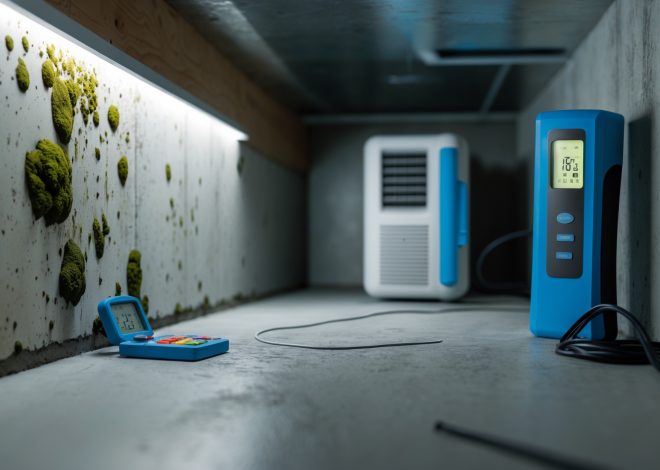
- Continuous Monitors: Electronic devices providing real-time readings, often used by professionals.
You can purchase radon test kits at hardware stores, online, or hire certified professionals. For real estate transactions, professional testing is recommended for credibility and accuracy.
How to Conduct a Radon Test: Step-by-Step
- Choose the lowest livable level of the property (usually the basement or ground floor).
- Close windows and exterior doors at least 12 hours before and during the test period.
- Place the test kit at least 20 inches above the floor, away from drafts, heat, high humidity, and exterior walls.
- Leave the kit undisturbed for the specified period.
- Send the kit to a certified laboratory for analysis (if using a passive kit).
Document the test type, date, and results for future disclosure.
Interpreting Test Results
- <2 pCi/L: Low risk; no action needed.
- 2–4 pCi/L: Moderate risk; mitigation is considered.
- >4 pCi/L: High risk; mitigation strongly recommended or required by law.
Retest after major weather changes, renovations, or mitigation system installation to verify effectiveness.
Legal Requirements: Radon Disclosure and Compliance
Federal Guidelines
There is no universal federal radon law, but the EPA provides guidelines and resources. HUD requires radon testing and mitigation in some federally backed multifamily housing transactions.
State and Local Laws
Radon regulations vary widely by state and municipality. Key compliance areas include:
- Seller Disclosure: Many states require sellers to disclose known radon test results or the presence of mitigation systems.
- Testing Mandates: Some states require radon testing for schools, rentals, or real estate transactions.
- Mitigation Requirements: Certain jurisdictions require mitigation if levels exceed the action threshold.
- Installer Certification: Some states require radon mitigation professionals to be licensed or certified.
Check your state’s real estate commission or department of health website for up-to-date compliance requirements.
Sample State Laws
- Illinois: Sellers must provide buyers with the Illinois Disclosure of Information on Radon Hazards form and any available radon test results.
- Pennsylvania: The Real Estate Seller Disclosure Law requires disclosure of known environmental hazards, including radon.
- New Jersey: No mandatory testing, but disclosure of known radon is required.
Failure to comply can result in legal action, transaction delays, or regulatory fines.
Radon Mitigation: Solutions for Property Owners
When Is Mitigation Needed?
If radon levels exceed 4 pCi/L, mitigation is strongly recommended. Some buyers may insist on mitigation even at lower levels. Prompt action protects health and preserves property value.
Common Radon Mitigation Techniques
- Sub-Slab Depressurization: A vent pipe and fan draw radon from beneath the foundation and expel it above the roofline.
- Sump Pit Depressurization: Utilizes existing sump pits to collect and vent radon gas.
- Crawl Space Ventilation: Sealing the crawl space and installing a vent system to reduce radon entry.
- Sealing Entry Routes: Caulking cracks and openings in the foundation and floors.
Always hire a certified radon mitigation professional for installation. DIY attempts may not meet code and can be ineffective.
Mitigation Costs and Planning
- Testing: $15–$300 depending on the method (DIY kits vs. professional testing).
- Mitigation Systems: $800–$2,500, depending on property size, foundation type, and system complexity.
- Ongoing Maintenance: $50–$150 every few years for fan replacement and system inspection.
Factor these costs into your property budgeting and sales negotiations.
Post-Mitigation Verification
- Retest within 30 days of installation to confirm effectiveness.
- Schedule periodic follow-up tests every two years or after major building changes.
- Keep documentation for future buyers or tenants.
Best Practices for Radon Compliance in Property Management
For Sellers
- Test before listing and disclose all results and mitigation actions.
- Provide documentation of any radon mitigation system and maintenance history.
- Highlight mitigation as a value-added feature in marketing materials.
For Buyers
- Request recent radon test results or conduct your own tests during the inspection period.
- Negotiate for mitigation if levels are elevated; specify who pays in the contract.
- Verify that any existing mitigation system is operating correctly.
For Landlords and Property Managers
- Test units at turnover and after major renovations.
- Disclose radon information to tenants as required by law.
- Maintain and periodically inspect mitigation systems.
- Document all radon-related actions and communications for legal protection.
For New Construction
- Use radon-resistant construction techniques (e.g., gas-permeable layers, plastic sheeting, vent pipes).
- Test after completion and before occupancy.
- Consider pre-installing passive mitigation systems, which can be upgraded if needed.
Common Radon Myths Debunked
- “My neighbor’s test was low, so my house is safe.” Radon levels can vary dramatically between adjacent homes.
- “Only old homes have radon problems.” New and recently built homes can have high radon levels.
- “Mitigation is too expensive.” Most systems are affordable compared to health risks and potential lost sales.
- “Radon isn’t a problem in my state.” All 50 states have properties with elevated radon.
- “Mitigation systems require major renovations.” Most installations are minimally invasive and completed in a day.
Case Study: Successful Radon Compliance in a Real Estate Transaction
Consider a property in a high-radon area of Minnesota. The seller, aware of state disclosure laws, conducted a professional radon test before listing. Results came back at 6.2 pCi/L. Rather than risk a failed sale, they hired a certified mitigation contractor, who installed a sub-slab depressurization system for $1,200. A post-installation test confirmed levels had dropped to 1.1 pCi/L. The seller provided all documentation to prospective buyers and highlighted the new system in marketing materials. The property sold above asking price, with the buyers citing radon compliance as a key factor in their decision. This proactive approach minimized liability, protected health, and added tangible value to the transaction.
Conclusion: Proactive Radon Compliance Protects Value and Health
Radon compliance is an essential part of modern real estate management. It’s not just a legal obligation—it’s a crucial measure for protecting the health and safety of occupants, preserving property value, and ensuring successful transactions. The risks of ignoring radon are significant, ranging from potential lawsuits and transaction failures to serious health consequences for residents. Fortunately, compliance is straightforward with the right information and approach. By understanding how radon enters buildings, knowing when and how to test, choosing effective mitigation solutions, and staying up to date with local laws, property owners can reduce risks and enhance marketability. Be proactive: test for radon, disclose results transparently, and invest in mitigation when necessary. Doing so not only fulfills your legal duty but demonstrates your commitment to quality and safety—an investment that pays off in reputation, value, and peace of mind. For further resources, consult your state’s health department, the EPA’s radon website, or a certified radon professional. Make radon compliance a pillar of your real estate strategy in 2024 and beyond.
8 thoughts on “Understanding Real Estate Radon Compliance: Testing, Mitigation, and Legal Requirements for Property Owners”
Leave a Reply


Does ongoing radon compliance require regular re-testing even after mitigation systems are installed, and if so, how often should this be done to ensure safety and remain compliant with laws?
Yes, ongoing radon compliance usually recommends regular re-testing even after a mitigation system is installed. This is important because system performance can change over time. While laws can vary by location, many experts suggest re-testing your property every two years, or sooner if you make structural changes. Check your local regulations to ensure you meet any specific legal requirements.
If I manage older rental properties, do I need to test for radon more frequently than in newer homes, since the article says every building is susceptible regardless of age? And does rental property have any special compliance requirements?
You don’t necessarily have to test older rental properties more often than newer ones—radon can be present in any building, regardless of age. However, if you do renovations or changes that might affect ventilation or the foundation, it’s smart to retest. For rentals, some states require disclosure of known radon levels and, in certain areas, mandatory testing or mitigation. It’s important to check your local laws to ensure full compliance.
You mentioned that the EPA action level for radon is 4.0 pCi/L, but I’m wondering if any states set their own stricter standards or have additional testing requirements beyond the EPA guidelines for real estate transactions?
Yes, some states do have stricter standards or additional requirements beyond the EPA’s 4.0 pCi/L action level. For example, a few states recommend action at lower levels or require specific disclosure and testing during real estate transactions. Requirements can also vary for schools or rental properties. It’s a good idea to check with your state’s environmental or real estate agencies to find out the exact rules that apply in your area.
Does the article recommend a particular type of radon test for older homes with unfinished basements, or are there different testing methods for various building types?
The article explains that both short-term and long-term radon tests are suitable for homes, including older ones with unfinished basements. It doesn’t recommend a specific test based on building age or basement condition, but it does note that placing the test in the lowest livable area—often the basement—is important. The choice between testing methods depends more on how quickly you need results rather than the building type.