
Real Estate Sump Pump Systems: Installation, Maintenance, and Flood Prevention Strategies
Introduction: Why Sump Pumps Matter in Real Estate
Water intrusion and flooding are among the most costly and disruptive events a property owner can face. For real estate investors, landlords, and homeowners, protecting a property’s foundation and lower levels isn’t just about comfort—it’s about safeguarding asset value, tenant satisfaction, and long-term maintenance costs. Sump pump systems are one of the most effective tools for preventing water damage, mold growth, and structural deterioration. Yet, many property owners either overlook their importance or underestimate the planning, installation, and ongoing care these systems require. In this comprehensive guide, we’ll break down the essentials of sump pump systems for real estate. You’ll learn how to assess your property’s risk, select the right pump, plan and execute installation, perform critical maintenance, and integrate sump pump strategies into your broader flood prevention and property management routines. Whether you’re managing a multi-unit rental portfolio or buying your first home, this guide offers the actionable knowledge you need to make smart, proactive decisions about sump pump protection.
Understanding Sump Pump Systems: The Basics
What Is a Sump Pump?
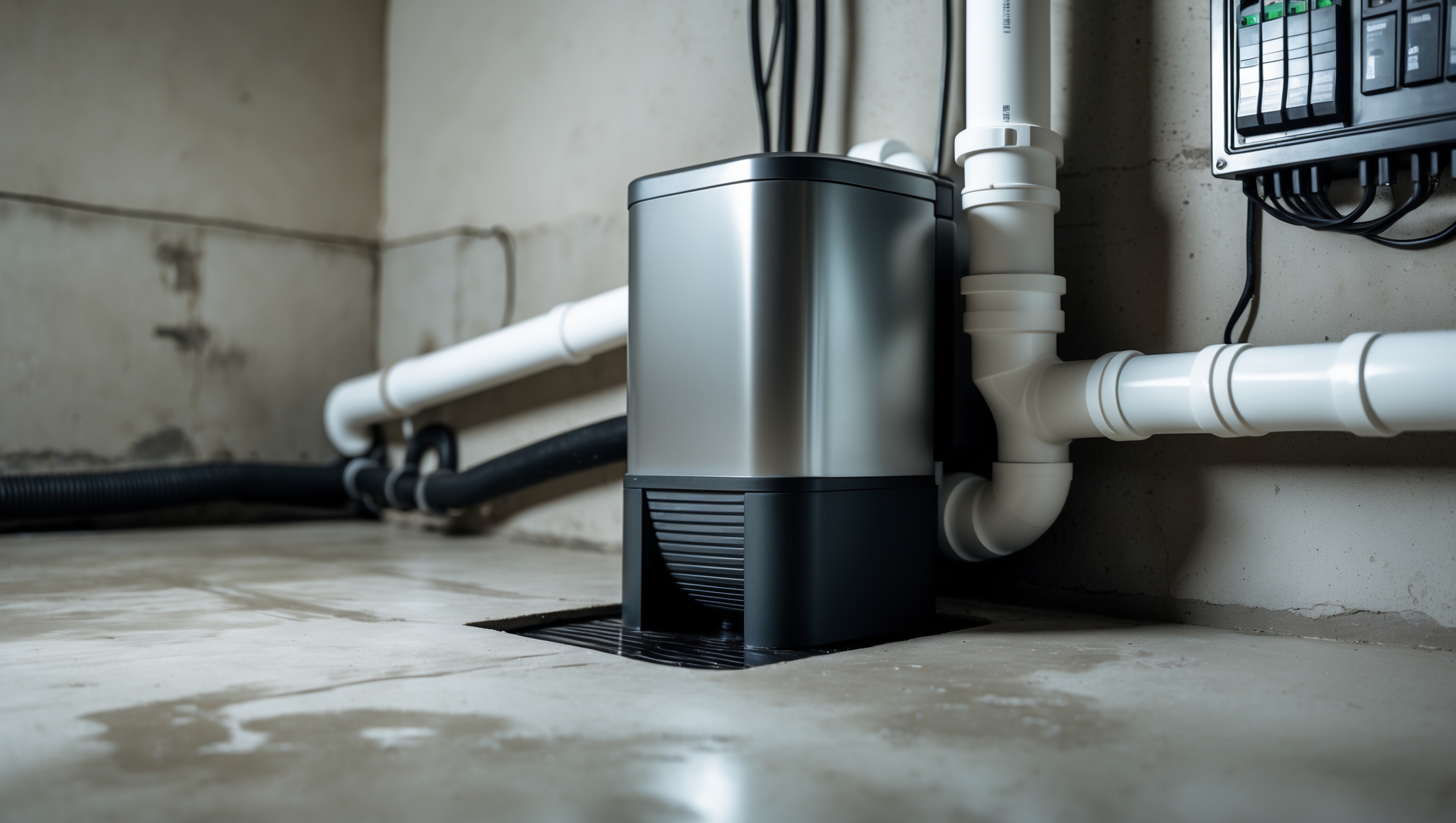
A sump pump is an electromechanical device designed to remove water that accumulates in a sump basin, typically found in basements or crawl spaces. When water enters the basin, the pump activates and directs the water away from the property’s foundation, usually via a discharge pipe that leads to a safe drainage area.
Common Causes of Basement Flooding
- Heavy rainfall and groundwater seepage
- Improperly graded landscaping
- Clogged or broken gutters and downspouts
- Plumbing leaks
- Blocked drainage systems
Risks of Not Having a Sump Pump
- Foundation cracks and shifting
- Mold and mildew growth
- Damage to flooring, walls, and stored items
- Increased insurance claims and premiums
- Decreased property value and marketability
Assessing Your Property: Do You Need a Sump Pump?
Key Property Risk Factors
- History of basement or crawl space moisture
- Low-lying location or high water table
- Frequent heavy precipitation in your area
- Older properties without modern drainage
- Poor exterior grading or landscaping
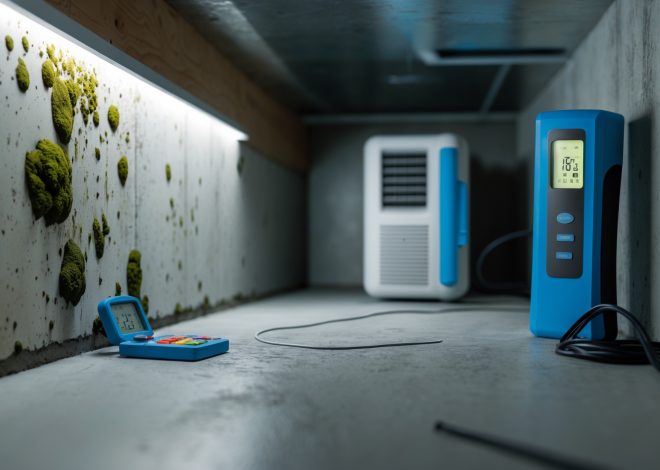
Conduct a visual inspection for water stains, efflorescence (white powdery deposits), musty odors, or peeling paint in lower levels. Check after heavy rains to spot active leaks or pooling water. Local realtors and inspectors can provide guidance on flood risk for your zip code.
Professional Assessment
For properties with persistent or historical water problems, hiring a waterproofing specialist or a certified home inspector to assess risk is highly recommended. They can use moisture meters and thermal imaging to detect hidden dampness and recommend a tailored solution, which may include a sump pump system.
Types of Sump Pumps: Choosing the Right System
Primary Sump Pumps
- Submersible: Placed inside the sump basin, quieter, handles debris better, suitable for finished basements.
- Pedestal: Motor sits above the basin, easier to service, often less expensive but noisier.
Backup Sump Pumps
- Battery Backup: Activates if the primary pump fails or during power outages; essential for properties in storm-prone areas.
- Water-Powered Backup: Uses municipal water pressure to operate; requires no electricity but needs compatible plumbing and can increase water bills.
Combination Systems
Some modern sump pumps offer dual primary and backup units in a single system for maximum reliability. Evaluate your risk tolerance, budget, and property layout before deciding.
Cost Breakdown: Installation and Ongoing Expenses
Initial Installation Costs
- Sump Pump Unit: $100–$400 (submersible); $70–$200 (pedestal)
- Sump Basin and Accessories: $50–$150
- Professional Labor: $1,000–$2,500 (includes excavation, plumbing, and electrical)
- Total Typical Installed Cost: $1,200–$3,000
Optional Upgrades
- Battery backup: $200–$600
- Water-powered backup: $350–$800
- High water alarms or Wi-Fi monitoring: $50–$200
Ongoing Costs
- Electricity: $10–$30/year on average
- Annual maintenance: $100–$300 (if using a service)
- Battery replacement (if applicable): $100–$200 every 3–5 years
Step-by-Step Sump Pump Installation Guide
1. Planning and Permits
Check local building codes for any permit requirements. Some municipalities require permits for new sump pump installations, especially if connecting to storm sewers.
2. Tools and Materials Needed
- Sump pump and basin
- Gravel and concrete mix
- PVC piping and check valve
- Drill with masonry bit
- Shovel and bucket
- Level and tape measure
- GFCI electrical outlet
- Caulk and sealant
3. Installation Steps
- Locate the Lowest Point: Identify the area where water collects. This is typically a basement corner.
- Excavate the Pit: Dig a hole about 2 feet deep and wide enough for the basin, allowing a few inches of clearance.
- Install the Basin: Place a layer of gravel in the bottom, set the basin in, and backfill around it with more gravel for drainage.
- Set the Pump: Place the pump in the basin according to manufacturer instructions.
- Connect Discharge Pipe: Attach the PVC pipe to the pump, install a check valve (prevents backflow), and route the pipe outside at least 10 feet from the foundation.
- Seal the Area: Patch around the basin with concrete and seal any gaps to prevent debris entry.
- Electrical Connection: Plug the pump into a dedicated GFCI outlet. Never use extension cords for permanent setups.
- Test: Pour water into the basin to ensure the pump activates and the discharge line works properly.
Consider hiring a licensed plumber or waterproofing contractor if you’re unsure about any step, especially electrical and code compliance.
Maintenance Best Practices for Sump Pumps
Monthly and Quarterly Checks
- Visually inspect the basin for debris and clear any obstructions
- Test the pump by pouring water into the basin; ensure it cycles on and off
- Examine the discharge line outside for blockages, ice, or animal nests
Annual Professional Inspection
- Remove and clean the pump and basin thoroughly
- Check the float switch for smooth operation
- Inspect the check valve and replace if worn
- Test backup systems and replace batteries if needed
- Lubricate moving parts as per manufacturer recommendations
Signs Your Pump Needs Attention
- Unusual noises or vibrations
- Pump runs constantly without shutting off
- Visible rust, corrosion, or electrical issues
- Musty smells or dampness returning to the basement
Flood Prevention: Integrating Sump Pumps into Broader Strategies
Exterior Drainage Improvements
- Grade soil away from the foundation at a minimum 5% slope
- Keep gutters and downspouts clean and extend them at least 6–10 feet from the house
- Install French drains or swales where appropriate
Waterproofing Upgrades
- Apply waterproof coatings to basement walls
- Seal foundation cracks
- Install vapor barriers in crawl spaces
Alarm and Monitoring Systems
- Install high water alarms in the sump basin
- Consider Wi-Fi-enabled sump monitors for remote alerts—especially valuable for absentee landlords or investors
Compliance, Insurance, and Documentation
Building Codes and Permits
Always verify local requirements for sump pump installation, especially regarding discharge locations. Discharging into sanitary sewers is illegal in many areas. Obtain and retain all permits and inspection records.
Insurance Considerations
- Standard homeowners insurance does not cover groundwater or flood damage.
- Consider adding a sump pump rider or sewer backup endorsement to your policy.
- For investment properties, ensure your landlord policy addresses water damage and loss of rent due to flooding.
Maintenance Logs
Keep a record of all sump pump servicing, repairs, and upgrades. This documentation can be invaluable for insurance claims or when selling the property, demonstrating diligent maintenance to buyers and underwriters.
Common Myths About Sump Pumps
- “My basement never floods, so I don’t need a sump pump.” Flooding can occur unexpectedly, especially after landscaping changes or severe storms.
- “A sump pump lasts forever.” Most units require replacement every 7–10 years depending on usage and maintenance.
- “Sump pumps are only for old homes.” New builds can also be at risk, especially in high water table areas.
- “Backup systems are unnecessary if I have a good pump.” Power outages and mechanical failures can render even the best pump useless when you need it most.
Case Study: Sump Pump Success in a Multi-Unit Rental
A property manager overseeing a four-unit building in a Midwest city noticed water stains and a persistent musty smell in the shared laundry basement. After a spring storm led to minor flooding, a professional assessment revealed poor exterior drainage and a lack of a functional sump pump system. The manager coordinated the installation of a submersible primary pump with a battery backup and upgraded exterior grading. Over the next three years, the basement remained dry—even during record rainfall—reducing maintenance calls, eliminating musty odors, and helping secure lower insurance premiums thanks to improved risk mitigation. Tenants reported higher satisfaction, and the building’s appraised value increased due to the documented waterproofing improvements.
Conclusion: Proactive Protection for Every Property
Flooding and water intrusion are unpredictable, but the damage they cause can be devastating and expensive. Incorporating a well-designed sump pump system into your real estate asset strategy is one of the smartest investments you can make—whether you own a single home or manage a growing portfolio. By assessing your property’s unique risk factors, choosing the right pump and backup system, following best-practice installation and maintenance routines, and integrating sump pump protection into a holistic flood prevention plan, you’ll minimize costly disruptions, protect your property’s value, and provide peace of mind to tenants and buyers alike. Don’t wait for the next big storm to reveal vulnerabilities. Take action now, document your efforts, and enjoy the long-term benefits of a dry, safe, and resilient property.
14 thoughts on “Real Estate Sump Pump Systems: Installation, Maintenance, and Flood Prevention Strategies”
Leave a Reply



The article mentions safeguarding asset value, especially for landlords and real estate investors. Are there specific sump pump features or maintenance routines you recommend for multi-unit buildings to minimize long-term costs and disruptions for tenants?
For multi-unit buildings, choosing sump pumps with high-capacity motors, backup power (like battery or water-powered backups), and smart monitoring systems can help prevent flooding and minimize tenant disruptions. Schedule routine inspections at least twice a year, test the pump during rainy seasons, and keep records of all maintenance. Consider installing alarms to quickly alert staff to issues. These steps can reduce emergency costs and protect your property’s value.
The article talks about the importance of sump pump maintenance, but I’m curious how often a homeowner should have their system professionally inspected versus handling the basic checks themselves. Are there specific signs you look for that indicate it’s time to call in an expert?
Homeowners can handle basic sump pump checks monthly by making sure it’s free of debris, testing it with water, and listening for strange noises. It’s wise to have a professional inspection once a year, or sooner if you notice issues like frequent cycling, persistent noises, visible rust, or water not being expelled properly. If the pump fails to start or you see water pooling around the basement, it’s definitely time to call an expert.
If I’m a first-time homebuyer and the basement doesn’t seem damp but I still want to be safe, how do I assess if my property actually needs a sump pump installed, or if grading and gutters might be enough to prevent flooding?
To determine if you need a sump pump, look for signs of past water issues like water stains, musty smells, or efflorescence on basement walls. Assess the property’s grading—rainwater should flow away from your foundation. Also, check that gutters and downspouts direct water at least six feet from the house. If everything looks good and the area isn’t prone to flooding, you may not need a sump pump right away. For extra peace of mind, a professional basement inspection can help you decide.
As someone buying my first home, I’m curious if there are early warning signs that my basement might be at risk for flooding even if I haven’t seen water yet. Are there specific things I should check for before investing in a sump pump system?
When inspecting your basement, look for signs like musty odors, white chalky residue (efflorescence) on walls, peeling paint, or rust on metal fixtures, as these can indicate past moisture issues. Check for cracks in the foundation, water stains, or high humidity. Also, see if the yard slopes toward your house or if gutters drain near the foundation. Noticing any of these could mean your basement is at risk for flooding and a sump pump may be a smart investment.
The article mentions integrating sump pump strategies into broader flood prevention routines. For someone new to property management, what would a good ongoing maintenance schedule look like for a sump pump system?
A good ongoing maintenance schedule for a sump pump system includes checking the pump every 3 months to ensure it runs properly, cleaning the inlet screen and pit as needed, and testing the pump by pouring water into the pit. Annually, inspect the discharge line for clogs and make sure the backup power source is working. After heavy rains, give the system a quick check to catch any issues early.
You mention that improper grading and clogged gutters can cause basement flooding. If I address those first, is it possible I could avoid needing a sump pump altogether, or is it still considered a must-have in most situations?
Addressing improper grading and cleaning your gutters can greatly reduce the risk of basement flooding by diverting water away from your foundation. In some homes, these steps are enough to prevent water issues. However, if your property is in a low-lying area or has a history of water intrusion, a sump pump is still recommended as an added safeguard. It’s best to evaluate your specific risk factors before deciding.
My neighborhood has had problems with power outages during heavy storms. Does the article recommend any specific backup power solutions for sump pumps, or things I should ask an installer about to make sure my system keeps running during an outage?
The article does highlight the importance of backup power solutions for sump pumps during outages. It recommends considering a battery backup system or a water-powered backup pump to keep your sump pump running when the main power is out. When speaking with an installer, ask about the capacity of the backup system, maintenance needs, and whether it will activate automatically during a power failure.