
Landscaping for Real Estate Value: Cost Planning, Compliance, and Low-Maintenance Design
Introduction: Why Landscaping Matters in Real Estate
First impressions make a lasting difference in real estate. When a potential buyer or tenant approaches a property, the landscaping is the first element they see, setting the tone for their entire experience. Yet, landscaping is more than just curb appeal. Well-planned outdoor spaces can significantly boost property value, improve tenant satisfaction, and even reduce ongoing maintenance costs. For real estate investors, homeowners, and property managers, understanding how to approach landscaping from a strategic standpoint—including cost planning, compliance with local regulations, and choosing low-maintenance designs—can deliver a competitive edge in a crowded market.
Many property owners overlook the financial and regulatory aspects of landscaping. Budget overruns, code violations, and high-maintenance designs can erode profits and create ongoing headaches. This post dives deep into the essentials: how to budget for landscaping, what compliance considerations to keep in mind, and how to design outdoor spaces that remain attractive with minimal upkeep. Whether you’re preparing a property for sale, optimizing a rental, or managing a portfolio, these insights will ensure your landscaping investment pays off in both the short and long term.
Understanding the Return on Landscaping Investment
The Impact on Property Value
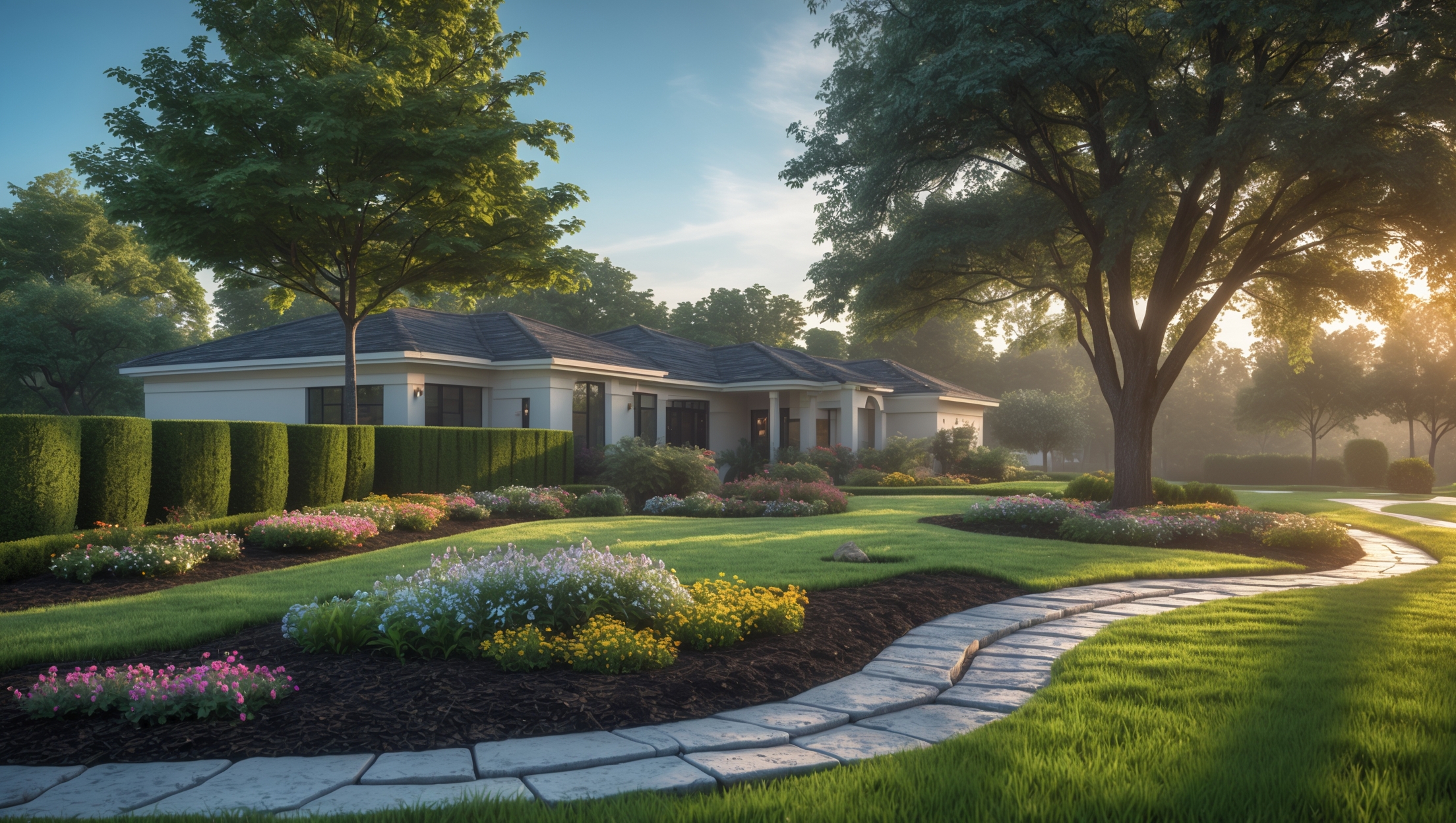
Multiple studies have shown that thoughtful landscaping can increase a property’s value by 5–15%. For buyers and renters alike, attractive outdoor areas enhance perceived value and desirability. In competitive markets, properties with appealing, functional landscaping often sell faster and command premium prices. Features such as healthy lawns, established trees, defined walkways, and well-maintained flower beds are particularly influential.
Rentability and Tenant Retention
For landlords, landscaping does more than attract tenants; it also supports retention. Tenants are more likely to renew leases in properties with inviting outdoor spaces for relaxation and recreation. Low-maintenance landscaping reduces tenant workload (if they’re responsible for upkeep) and minimizes your exposure to complaints or neglected yards.
Cost Planning: Budgeting for Landscaping Projects
Initial vs. Ongoing Costs
Effective budgeting distinguishes between one-time installation costs and ongoing maintenance expenses. Planning both is essential for accurate forecasting and long-term profitability.
- Design and Planning: $500–$2,500, depending on whether you hire a landscape architect or use a design-build contractor.
- Hardscaping: $5–$20 per square foot for patios, walkways, retaining walls, and drainage solutions.
- Plant Installation: $2,000–$10,000+ for trees, shrubs, flower beds, and sod, depending on property size and plant maturity.
- Irrigation Systems: $1,500–$4,000 for automated sprinkler installations.
- Lighting: $1,000–$3,000 for outdoor LED path and accent lighting.
- Ongoing Maintenance: $100–$400 per month for professional services, or variable costs for DIY upkeep (mowing, pruning, fertilizing, etc.).
Setting a Realistic Budget
Experts recommend allocating 10–15% of your property’s value to landscaping if starting from scratch. However, the investment can be phased, prioritizing curb appeal first and adding features over time. Always factor in your target market—high-end homes may justify larger investments, while rental properties benefit from durable, low-maintenance choices.
Hidden and Unexpected Costs
- Soil Remediation: Poor soil may require amending or replacement, adding $1,000–$3,000+ to your project.
- Tree Removal: Dead or hazardous trees can cost $500–$2,000 each to remove safely.
- Permit Fees: Some municipalities require permits for hardscaping, grading, or significant tree work.
- Water Utility Charges: Increased irrigation needs can impact your water bill—factor this into ongoing expenses.
Compliance and Legal Considerations
Understanding Local Codes and HOA Rules
Complying with local regulations is critical to avoid fines, forced rework, and legal disputes. Common restrictions include:
- Setbacks: Required distances between plantings, fences, or structures and the property line.
- Tree Protection: Many cities require permits to remove mature trees or mandate tree replacement ratios.
- Permitted Hardscaping: Some areas restrict the amount of impervious surface (like concrete) to manage stormwater runoff.
- Fencing and Retaining Walls: Height, material, and placement are often regulated.
If your property is in a neighborhood with a homeowners association (HOA), review all landscaping covenants. HOAs may dictate plant varieties, lawn care standards, color schemes, and maintenance frequency. Non-compliance can result in warnings, fines, or even legal action.
Environmental Regulations
Many jurisdictions have adopted sustainable landscaping ordinances. Requirements may include:
- Water-Efficient Plantings: Mandates for drought-tolerant species or limits on turfgrass area.
- Stormwater Management: Rules requiring permeable paving, rain gardens, or bioswales to control runoff.
- Pesticide and Fertilizer Use: Bans or restrictions on certain chemicals, especially near waterways.
Consult your local planning department or a qualified landscaper familiar with area-specific codes before starting work.
Low-Maintenance Landscaping Design Strategies
Choosing the Right Plants
- Native Species: Plants adapted to your region require less water, fertilizer, and pest control.
- Perennials Over Annuals: Perennial plants return every year, reducing replanting costs and labor.
- Groundcovers: Options like creeping thyme, sedum, or mondo grass suppress weeds and reduce mowing.
- Mulched Beds: Mulch retains moisture, limits weed growth, and insulates roots, further minimizing upkeep.
Efficient Irrigation
Automated, drip, or soaker hose systems use less water and target root zones directly. Smart controllers adjust watering based on weather, helping reduce costs and meet compliance with water use restrictions.
Hardscaping for Durability and Function
- Paver Walkways/Patios: Require minimal upkeep and define usable spaces.
- Stone or Gravel Beds: Replace high-maintenance lawns and add visual interest.
- Retaining Walls: Prevent erosion and create level planting areas on sloped lots.
Design for Accessibility and Safety
- Ensure all walkways are level, slip-resistant, and wide enough for safe passage.
- Install adequate lighting at entrances, paths, and stairs to reduce trip hazards.
- Select non-toxic plants, especially around play areas or pet zones.
Seasonal Maintenance Checklist
Spring
- Inspect irrigation systems for leaks or clogs; test operation.
- Apply fresh mulch to flower beds and tree rings.
- Prune dead or damaged branches from shrubs and trees.
- Fertilize lawns and garden beds as needed.
Summer
- Monitor for pests and treat only as necessary, using eco-friendly products.
- Adjust irrigation schedules for hotter, drier weather.
- Mow lawns regularly, keeping grass at least three inches high to shade roots.
Autumn
- Remove fallen leaves to prevent lawn suffocation and disease.
- Cut back perennials and ornamental grasses.
- Winterize irrigation systems (blow out pipes, shut off water).
Winter
- Monitor for storm damage and remove broken branches promptly.
- Plan for spring projects and budget accordingly.
Budget-Friendly Landscaping Upgrades That Deliver Value
- Mulch and Edging: Fresh mulch and crisp bed edges create instant visual appeal for under $500.
- Container Gardens: Pots with colorful annuals or evergreens can be moved and refreshed seasonally.
- Strategic Tree Planting: Adds shade, privacy, and energy efficiency. Young trees are affordable and grow quickly with proper care.
- Solar Path Lights: Easy to install and maintain, these improve nighttime safety and ambiance.
- DIY Lawn Care: Mowing, edging, and fertilizing yourself can save hundreds per year over professional services.
Case Study: Landscaping Transformation on a Budget
A real estate investor purchased an aging single-family home with an overgrown, neglected yard. Working with a $6,000 budget, the team:
- Removed invasive shrubs and debris.
- Installed a simple paver walkway and gravel patio for $2,500.
- Planted four drought-tolerant trees ($600 total) and filled beds with native perennials and mulch ($1,200).
- Added solar lighting and repaired the existing irrigation system ($1,000).
- Painted the fence and refreshed the mailbox ($200).
The result: The property rented within one week at a $150/month premium over comparable units, and ongoing yard maintenance costs dropped by 40%. This case demonstrates that strategic, budget-conscious landscaping choices yield measurable returns.
Working with Professionals vs. DIY Landscaping
When to Hire a Professional
- Complex Hardscaping: Projects involving grading, retaining walls, or drainage require expertise and permits.
- Design and Permitting: Landscape architects can maximize curb appeal, ensure compliance, and avoid costly errors.
- Tree Work: Removing or pruning mature trees is dangerous—always use certified arborists.
Where DIY Makes Sense
- Planting annuals, shrubs, or small trees.
- Mulching, edging, and basic lawn care.
- Assembling and placing container gardens.
- Installing solar lighting or minor irrigation repairs.
Mixing professional and DIY tasks can stretch your budget while ensuring essential elements are done right.
Common Landscaping Mistakes to Avoid
- Overplanting: Crowding beds with too many plants leads to maintenance headaches and unhealthy growth.
- Ignoring Mature Size: Always account for the full-grown size of trees and shrubs to avoid future removal or damage to structures.
- Neglecting Drainage: Poor grading or hardscaping can direct water toward foundations, causing costly damage.
- Choosing High-Maintenance Species: Exotic plants may look appealing but often require specialized care and more water.
- Noncompliance: Failing to check local codes or HOA rules can result in expensive rework or fines.
Conclusion: Maximizing Value with Smart Landscaping
Landscaping should never be an afterthought in real estate strategy. Whether you own a single rental or manage a diverse portfolio, investing in well-designed, low-maintenance outdoor spaces pays dividends in property value, marketability, and satisfaction—for both you and your tenants. The key is a balanced approach: plan your budget realistically, ensure compliance from the start, and prioritize designs that reduce long-term upkeep. By focusing on native plants, efficient irrigation, and durable hardscaping, you can achieve lush, attractive results without constant intervention or spiraling costs.
Remember, landscaping is not just about aesthetics; it’s about function, sustainability, and market positioning. Thoughtful upgrades signal to buyers and renters that you care for your property, making it stand out in a crowded field. Before you break ground, consult local regulations and consider professional input for larger projects. For smaller updates, strategic DIY improvements can be cost-effective and immediately impactful.
Ultimately, landscaping delivers one of the highest returns on investment in real estate—if you approach it intelligently. Use the insights and checklists in this guide to plan, execute, and maintain outdoor spaces that will appeal to your target audience and protect your bottom line for years to come.
6 thoughts on “Landscaping for Real Estate Value: Cost Planning, Compliance, and Low-Maintenance Design”
Leave a Reply

Related Posts
How to Set Up a Secure Smart Lock System in Rental Properties: Step-by-Step Guide and Maintenance Tips

Real Estate Water Damage Prevention: Best Practices, Costs, and Inspection Guide
You mention that budget overruns can be a big issue with landscaping. Do you have any practical tips for setting a realistic initial budget or controlling costs as the project progresses?
To set a realistic budget, start by listing all desired features and getting itemized quotes from multiple landscapers. Prioritize must-haves versus nice-to-haves, so you know what can be adjusted if costs rise. As the project moves forward, track expenses closely, address changes immediately, and keep a small contingency fund for surprises. This approach helps you stay in control and avoid overspending.
If I want to boost curb appeal for resale but keep things low maintenance, what types of plants or design features would you recommend that don’t need a lot of ongoing work? I’m in a fairly temperate climate if that helps.
For a low-maintenance boost to curb appeal in a temperate climate, consider using native shrubs, ornamental grasses, and evergreen plants—they require less water and care. Mulching beds helps suppress weeds and retain moisture. Hardscape features like stone pathways or gravel borders add visual interest without needing upkeep. Grouping plants by water needs and choosing perennials over annuals will also reduce effort while keeping things attractive year-round.
You mentioned code violations as a risk in landscaping projects. Can you give examples of common landscaping compliance issues property owners run into, especially in neighborhoods with strict regulations?
Common landscaping compliance issues include exceeding height limits for fences or hedges, improper placement of trees that block sightlines or utilities, and installing non-permitted hardscape features like patios or retaining walls. In some neighborhoods, there are even restrictions on plant types, lawn sizes, or irrigation systems. Failing to get approval from homeowners’ associations or local authorities before starting work is another frequent issue.