
Rental Property Appliance Management: Budgeting, Maintenance, and Upgrade Strategies
Introduction: Why Appliance Management Matters in Rental Properties
For landlords and real estate investors, appliances are more than just amenities—they are crucial assets that directly impact tenant satisfaction, maintenance costs, and the overall value of your rental property. Whether you own a single-family home or manage a portfolio of multi-unit buildings, understanding how to effectively budget for, maintain, and strategically upgrade appliances can spell the difference between ongoing headaches and smooth, profitable operations. Appliances like refrigerators, stoves, dishwashers, washers, and dryers are among the most frequently used items in any rental, and they are also some of the most common sources of tenant complaints. Faulty or outdated appliances can lead to higher turnover, emergency repair costs, and even legal liabilities if safety or habitability is compromised. In this comprehensive guide, we’ll break down the real costs associated with providing and maintaining appliances, share actionable maintenance protocols, explain when and how to upgrade, and offer smart strategies for maximizing ROI. By the end, you’ll have a detailed roadmap for managing your property’s appliances like a pro, ensuring happy tenants and a healthy bottom line.
Understanding Your Appliance Inventory
Types of Appliances Typically Provided
Most rental properties are expected to offer a basic suite of appliances. The standard list often includes:
- Refrigerator
- Range (stove/oven)
- Microwave (sometimes)
- Dishwasher
- Washer and Dryer (in-unit or shared, depending on property type)
- Air conditioning units (central or window, region-dependent)
- Garbage disposal
Some luxury or higher-end rentals may also supply ice makers, wine coolers, or smart appliances, but for most landlords, the focus will be on the essentials above.
Creating and Maintaining an Appliance Inventory List
Start with a comprehensive inventory of all appliances in each unit. Record key details for each:
- Brand and model
- Serial number
- Date of purchase/installation
- Warranty information
- Maintenance or repair history
Use a digital spreadsheet or property management software to keep this data organized. This inventory will be invaluable for budgeting, tracking maintenance, and supporting warranty claims.
Budgeting for Appliance Expenses
Initial Purchase Costs
When purchasing appliances for rentals, durability and reliability often outweigh luxury features. Here’s a breakdown of average costs for standard, landlord-grade appliances (per unit):
- Refrigerator: $500–$1,200
- Range/Oven: $400–$900
- Dishwasher: $350–$700
- Microwave: $100–$300
- Washer: $400–$800
- Dryer: $400–$800
- Window A/C Unit: $150–$400
It’s wise to purchase appliances in bulk or through commercial/landlord programs, which can offer significant discounts and extended warranties.
Repair and Maintenance Costs
Plan for ongoing expenses. On average, landlords should budget:
- Annual maintenance: $100–$200 per appliance
- Common repairs (per incident): $150–$350
- Replacement (when beyond repair): See initial costs above
Set aside 10–15% of the total value of your appliance inventory annually for repairs and maintenance in your operating budget.
Factoring Appliance Lifespan
Understanding average appliance lifespans helps with long-term planning:
- Refrigerators: 10–14 years
- Ranges/Ovens: 12–15 years
- Dishwashers: 8–10 years
- Washers and Dryers: 8–12 years
Track each appliance’s age and anticipate replacements within these timelines to avoid surprises.
Appliance Maintenance Best Practices
Routine Maintenance Checklist
Establishing a regular maintenance routine reduces breakdowns and extends appliance life. Implement these practices:
- Refrigerators: Clean coils annually, replace water filters every 6 months, check door seals.
- Ranges/Ovens: Inspect and clean burners, test oven temperature accuracy, check for gas leaks.
- Dishwashers: Clean filter monthly, inspect spray arms, run cleaning cycles.
- Washers: Clean detergent trays, inspect hoses for leaks, run cleaning cycles.
- Dryers: Clean lint trap after every use, inspect and clean exhaust vent quarterly.
- Microwaves: Wipe interior, check turntable and door seals.
- Garbage Disposal: Flush with ice and citrus, check for leaks and jams.
Document all maintenance activities for warranty proof and to track trends in wear or tenant misuse.
Tenant Education and Involvement
Provide new tenants with a brief appliance care guide. Include:
- Instructions for basic cleaning (e.g., refrigerator coils, dryer lint traps)
- What not to put in disposals or washers
- Signs of malfunction and reporting procedures
Consider posting laminated reminders in utility areas or including appliance guides in your welcome package. Tenant education helps prevent unnecessary damage and ensures faster reporting of issues.
Responding to Repair Requests
Set clear expectations for tenants regarding appliance repair turnaround times. Best practice is to:
- Acknowledge receipt of repair requests within 24 hours
- Dispatch a technician or handyman within 48 hours for non-emergencies
- Provide temporary solutions (mini fridge, portable cooktop) if repairs will take longer
Efficient response not only keeps tenants satisfied but may also be required by local habitability laws.
Compliance and Liability Considerations
Legal Obligations
While appliance provision isn’t always legally required, once supplied, they must be maintained in safe and working order. Key compliance tips:
- Check local landlord-tenant laws regarding appliance obligations
- Include clear language in your lease about landlord vs. tenant responsibilities
- Ensure appliances meet local codes (especially gas and electrical hookups)
Failing to maintain essential appliances can expose you to code violations, rent withholding, or even constructive eviction claims.
Appliance Safety and Recalls
Stay informed about manufacturer recalls. Register all new appliances with the manufacturer for recall notifications, and periodically check the Consumer Product Safety Commission (CPSC) website for updates. Promptly address any recalled units to prevent liability.
Insurance Implications
Appliance-related damage (like water leaks from a washer or fire from a faulty dryer) can result in costly insurance claims. Steps to manage risk:
- Maintain regular appliance servicing
- Encourage tenant renters insurance
- Document all maintenance and repairs
Consult your property insurance policy to clarify what is covered and what exclusions may apply regarding appliance-related incidents.
Upgrade Strategies: Knowing When and How to Replace
Signs It’s Time to Replace
Proactive replacements can prevent emergencies. Consider upgrading when:
- Repairs exceed 50% of replacement cost
- Appliance is near or past average lifespan
- Repeated breakdowns or tenant complaints occur
- Energy bills spike due to inefficiency
- Safety hazards are present
Choosing the Right Replacement Appliances
When replacing, prioritize:
- Durability: Commercial-grade or landlord-focused models
- Energy efficiency: ENERGY STAR-rated units save on utilities
- Universal appeal: Neutral colors and simple controls
- Warranty coverage: Seek products with at least a 2–3 year warranty
Standardize models across your units when possible for easier maintenance and simplified parts inventory.
Disposal and Recycling
Properly dispose of old appliances to avoid fines and environmental harm. Options include:
- Municipal appliance recycling programs
- Retailer haul-away when purchasing new units
- Donation to local charities (if in working condition)
Always remove or disable old refrigeration units to prevent safety incidents.
Optimizing for Tenant Satisfaction and Retention
Feature Upgrades That Boost Value
Consider targeted upgrades for higher rents and better tenant retention:
- Adding in-unit laundry (highly sought after in multi-family rentals)
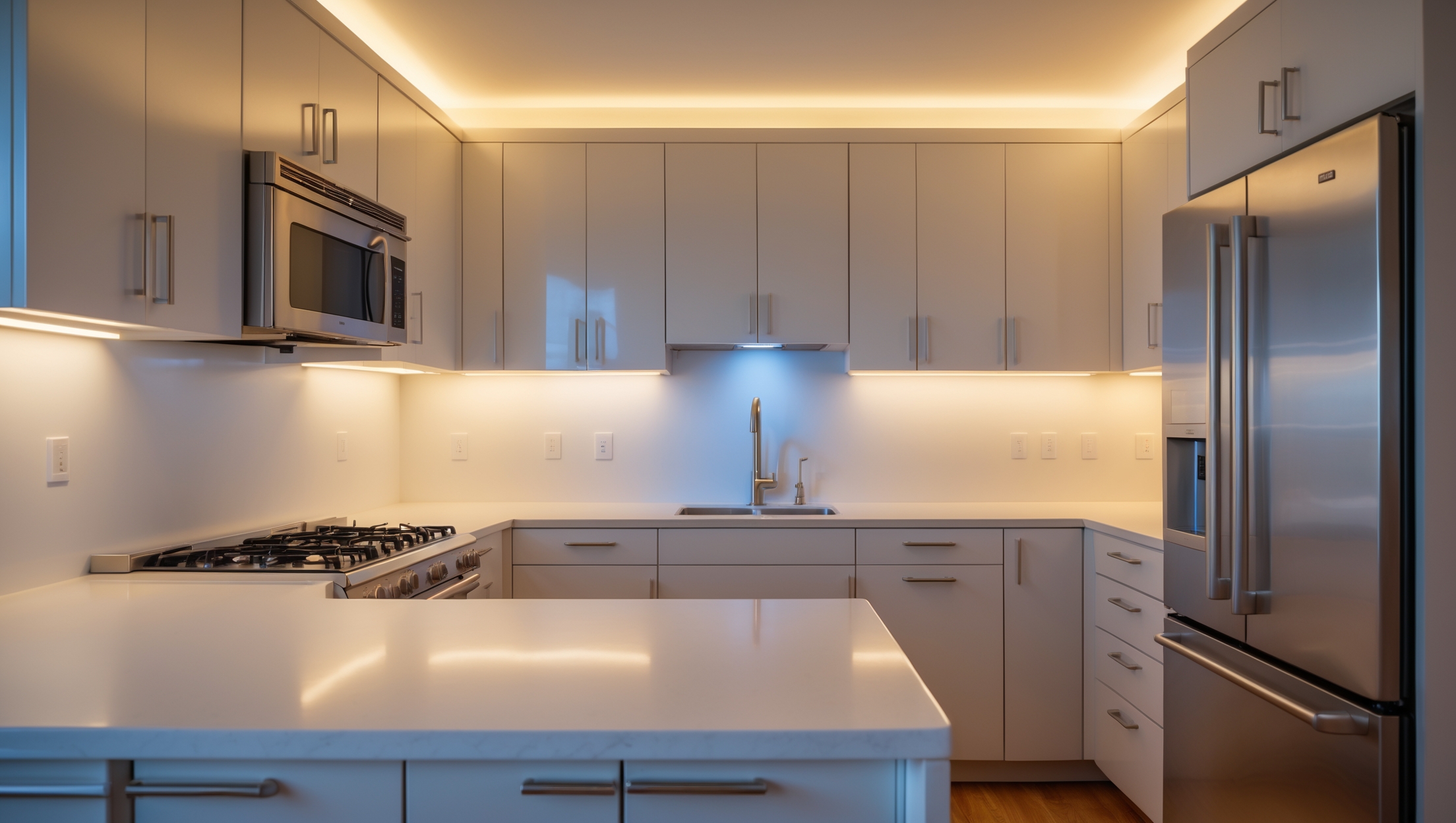
- Upgrading to stainless steel for a modern look
- Smart appliances that allow remote monitoring and diagnostics
- Dishwashers or microwaves in units that previously lacked them
These upgrades can often justify higher rent and attract longer-term tenants.
Communication and Transparency
Communicate appliance policies and schedules to tenants:
- Give advance notice before scheduled maintenance or upgrades
- Provide clear instructions for reporting problems
- Solicit feedback after repairs or replacements
Transparency builds trust and encourages tenants to care for your property.
Tracking Performance and ROI
Monitoring Appliance-Related Expenses
Review your appliance repair and replacement costs annually. Identify patterns:
- Frequent repairs on certain brands or models
- High costs from tenant misuse vs. normal wear
- Energy savings from efficient models
Use this data to inform future purchasing and maintenance strategies.
Leveraging Technology
Property management platforms can automate work orders, track appliance histories, and schedule preventive maintenance. Consider integrating smart sensors for leak detection or remote diagnostics in larger portfolios.
Conclusion: Building a Sustainable Appliance Management System
Effective appliance management is a cornerstone of successful rental property ownership. By proactively budgeting for purchases and repairs, maintaining a detailed inventory, and implementing regular maintenance protocols, you can significantly reduce costly emergencies and extend the life of your appliances. Educating tenants, responding swiftly to repair requests, and staying compliant with safety regulations further protect your investment and reputation. Upgrades should be strategic, focusing on features that enhance value and reduce long-term costs. Technology, from management software to smart appliances, can streamline your operations and offer valuable data for decision-making. Ultimately, a well-executed appliance management plan leads to happier tenants, fewer disruptions, and a stronger bottom line. Whether you’re a new landlord or a seasoned investor, dedicating attention to your property’s appliances pays dividends in tenant satisfaction and operational efficiency. Start with an organized inventory, stick to a realistic budget, and view every appliance as an asset worth protecting—and your rental business will reap the rewards.
8 thoughts on “Rental Property Appliance Management: Budgeting, Maintenance, and Upgrade Strategies”
Leave a Reply


When it comes to budgeting for replacements, how often should landlords expect to upgrade common appliances like refrigerators or dishwashers on average? Any tips for estimating these costs to avoid unexpected expenses?
Landlords can generally expect to replace refrigerators and dishwashers every 10 to 15 years, though usage, brand, and maintenance may affect lifespan. To estimate costs reliably, research average appliance prices and keep a reserve fund for replacements. Tracking the age and condition of each appliance helps anticipate when upgrades might be needed. Consider setting aside a small percentage of rental income each month for future purchases, which can help smooth out unexpected expenses.
How often do you recommend reassessing the appliance inventory for each unit? I’m worried there might be some older appliances in my rentals that aren’t obvious candidates for replacement but could cause issues soon.
It’s a good idea to reassess the appliance inventory in each unit at least once a year. This gives you an opportunity to check for signs of wear, review energy efficiency, and spot aging models that might not have obvious issues yet. Document the age and condition of each appliance, and consider proactive upgrades for units approaching the end of their typical lifespan.
If I’m managing a portfolio with both older and newer units, do you recommend upgrading all appliances at once for consistency, or just replace them as needed based on maintenance issues?
It’s usually more cost-effective to replace appliances as needed rather than upgrading all of them at once, especially when managing a mix of older and newer units. Prioritize replacements for appliances that are outdated, inefficient, or causing frequent maintenance issues. This approach helps you spread out costs and ensures you’re only investing in upgrades when necessary, while still maintaining a good standard for your tenants.
The article talks about maintenance protocols for appliances, but what sort of maintenance checks should a landlord actually perform themselves versus hiring a professional? Is it safe to do some of the upkeep on my own?
Landlords can usually handle basic appliance maintenance themselves, such as cleaning filters, checking hoses for leaks, tightening loose fittings, and inspecting cords or vents for dust buildup. These simple tasks help prevent issues and keep appliances running smoothly. However, repairs involving electrical work, gas connections, or complex mechanical parts should be left to licensed professionals for safety reasons. If you’re unsure about a task or it involves disassembly or possible hazards, it’s best to hire a professional.