
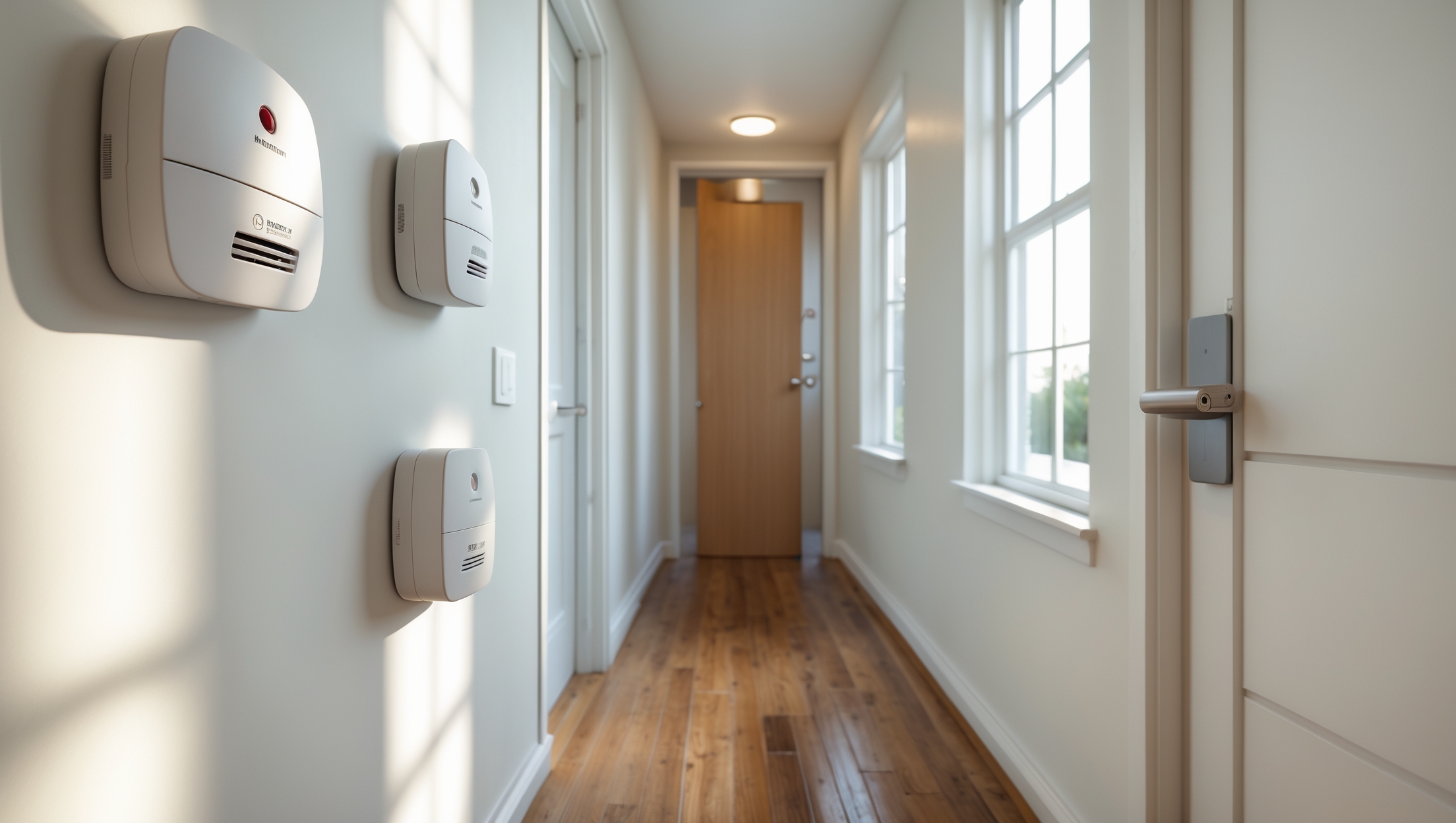
Rental Property Smoke and Carbon Monoxide Detector Compliance: A Practical Guide for Landlords
Introduction: Why Detector Compliance Matters for Landlords
Safety should never be left to chance—especially in rental properties, where landlords carry both a legal and moral responsibility to protect their tenants. Smoke and carbon monoxide (CO) detectors are not just helpful devices, but are required by law in nearly every jurisdiction across the United States and many parts of the world. Non-compliance can result in hefty fines, legal liability, invalidated insurance, and, in the worst cases, tragic loss of life. Despite this, detector compliance remains one of the most commonly overlooked aspects of rental property management, often due to confusion around changing codes, inconsistent enforcement, and the proliferation of cheap or substandard devices. This practical guide is designed to demystify the requirements for smoke and CO detectors in rental units, clarify landlord obligations, outline best practices for installation and maintenance, and highlight the pitfalls that can leave even conscientious property owners exposed. Whether you manage a single-family home or a portfolio of multifamily units, adhering to detector regulations is not only a compliance issue—it is a fundamental aspect of risk management and tenant care.
Understanding Legal Requirements: Federal, State, and Local Laws
Federal Regulations
The federal government sets baseline standards for smoke and carbon monoxide detectors, particularly for properties with federal funding or those participating in HUD programs. The U.S. Department of Housing and Urban Development (HUD) mandates smoke alarms in every sleeping area, outside sleeping areas, and on every level of the home. For properties built after 1992, the National Fire Protection Association (NFPA) standards often apply, requiring hardwired detectors with battery backup.
State and Local Codes
Requirements can vary dramatically between states, counties, and municipalities. Some states require CO detectors in all rental properties, while others only in those with fuel-burning appliances or attached garages. Specifics may include:
- Detector type: Ionization, photoelectric, or dual-sensor for smoke; plug-in, battery, or hardwired for CO.
- Interconnection: Newer codes often require interconnected alarms, so when one sounds, all do.
- Location: Placement may be specified (e.g., within 10 feet of bedrooms, in basements, on each level).
- Replacement intervals: Many codes now require detectors to be replaced every 7-10 years regardless of battery status.
How to Stay Updated
- Check the latest versions of your state and city building codes annually.
- Consult your local fire marshal or housing authority for guidance.
- Work with a qualified property manager or compliance consultant if managing multiple units in different jurisdictions.
Types of Detectors and Their Applications
Smoke Detectors: Ionization vs. Photoelectric
Smoke detectors come in two primary types:
- Ionization: More responsive to flaming fires; best for hallways and general living spaces.
- Photoelectric: Better for detecting smoldering fires; ideal for bedrooms and near kitchens (less prone to false alarms from cooking).
- Dual-sensor: Combine both technologies for broader protection.
Carbon Monoxide Detectors
CO detectors sense deadly, odorless CO gas. They are essential if the property has any fuel-burning appliances, fireplaces, or attached garages. Combination smoke/CO detectors are available but ensure their placement meets both requirements.
Power Sources
- Battery-only: Easy to install but require regular battery changes.
- Hardwired with battery backup: Required in most new construction; more reliable.
- Plug-in CO detectors: Suitable for outlets, but be wary of locations where tenants might unplug the device.
Where to Install: Placement Best Practices
Correct placement is crucial for effective detection and code compliance.
Smoke Detector Placement
- Inside every sleeping room.
- Outside each sleeping area, in the immediate vicinity (e.g., hallway).
- On every level of the home, including basements and finished attics.
- At least 10 feet from cooking appliances to reduce false alarms.
- Ceiling-mounted when possible (minimum 4 inches from wall), or high on walls (4–12 inches from ceiling).
CO Detector Placement
- Outside each sleeping area and on every level with fuel-burning appliances.
- Avoid placement directly above or beside fuel-burning appliances (may cause false alarms).
- Install according to manufacturer instructions—some recommend wall height, others at plug level.
Common Placement Errors to Avoid
- Installing in corners or near windows/ducts where drafts may impede detection.
- Failing to provide detectors in finished basements or attics used as living space.
- Placing CO detectors in dusty, humid, or high-heat areas (e.g., unfinished garages).
Installation: Step-by-Step Guide for Landlords
Proper installation ensures compliance and reduces liability. Here’s a step-by-step approach:
- Review local codes and manufacturer instructions for specific requirements.
- Choose the correct type of detector for each location (ionization, photoelectric, dual-sensor, CO, or combination).
- Test locations for obstructions or drafts before mounting.
- For hardwired units, hire a licensed electrician. For battery or plug-in units, use the included mounting brackets and screws.
- Label each detector with the installation date using a permanent marker.
- Document the make, model, and serial number for your records and tenant information.
- Test all units after installation and before each new tenancy.
Ongoing Maintenance and Record-Keeping
Regular Testing and Replacement
- Test detectors at least once per month during inspections or turnover periods.
- Replace batteries annually (or as soon as the low-battery chirp sounds).
- Replace entire units every 7–10 years per manufacturer and code requirements—even if they appear functional.
Tenant Education and Responsibilities
- Provide tenants with written instructions on testing and battery replacement.
- Specify in the lease who is responsible for ongoing testing and who to contact for repairs.
- Require tenants to report any malfunctioning detectors immediately.
Documentation: Protecting Yourself Legally
- Keep a log of installation and maintenance dates, including signatures from tenants at move-in and move-out.
- Use checklists during property inspections to verify detector presence and functionality.
- Photograph installed detectors as part of your inspection records.
Common Mistakes and How to Avoid Them
Detector compliance failures often stem from seemingly minor oversights. Watch out for:
- Ignoring upgrades: Many landlords install detectors once and forget about them. Remember, codes change and detectors expire.
- Not replacing after tenant tampering: Tenants may disable or remove detectors. Always check during inspections and after move-outs.
- Assuming new construction is compliant: Contractors may use the minimum required devices or install them incorrectly. Always verify before tenant occupancy.
- Failing to update records: Inadequate documentation can leave you liable in disputes or insurance claims.
Case Study: Avoiding Liability Through Proactive Compliance
Consider the following real-world example: A landlord in a major metropolitan area updated all detectors in a 12-unit building to meet new local standards requiring interconnected, battery-backup alarms. During a routine inspection, it was discovered that one tenant had removed a detector due to frequent false alarms while cooking. The landlord had documented prior installation and provided tenant education, so when a small kitchen fire occurred, authorities found the landlord not at fault—and the insurance claim was processed without issue. This scenario underscores the importance of both compliance and thorough documentation.
Costs and Budgeting for Detector Compliance
- Basic smoke or CO detectors: $15–$50 per unit
- Combination models: $35–$75 per unit
- Hardwired, interconnected systems: $100–$300 per property (plus electrician fees)
- Professional inspections: $75–$200 annually (optional but recommended for larger portfolios)
Budget for regular replacements and include detector checks in your annual maintenance schedule.
Enforcement and Penalties: What Landlords Risk
- Fines: Local authorities may levy fines of $100–$1,000 per violation, per unit.
- Legal liability: In the event of injury or fatality, failure to comply can result in lawsuits and criminal charges.
- Insurance coverage: Non-compliance may void property or liability insurance, exposing you to substantial financial risk.
Conclusion: Making Detector Compliance a Standard Practice
Smoke and carbon monoxide detector compliance is not just a box to check—it is an essential practice that protects your tenants, your property, and your livelihood. The regulations may seem complex, but with a systematic approach to installation, maintenance, and documentation, landlords can confidently meet or exceed legal standards. Regularly review local codes, choose quality devices, educate your tenants, and keep meticulous records. Build detector checks into your property inspection routines and set calendar reminders for replacement deadlines. By making detector safety a routine part of your rental management process, you foster trust with your tenants, avoid costly legal problems, and contribute to safer communities. Remember: a working detector is a small investment that can save lives, avert tragedy, and preserve your peace of mind. Prioritize compliance not as a burden, but as a hallmark of responsible property stewardship—and let it serve as a foundation for your professional reputation as a landlord who truly cares.
6 thoughts on “Rental Property Smoke and Carbon Monoxide Detector Compliance: A Practical Guide for Landlords”
Leave a Reply

Related Posts
A Real Estate Investor’s Guide to Mold Prevention, Remediation, and Compliance
Navigating Asbestos in Real Estate: Identification, Compliance, and Safe Remediation
I’m just buying my first rental property and noticed you mentioned that codes change a lot between states and even local areas. How can I make sure I’m fully up to date with the current smoke and CO detector requirements for my specific city or county?
To stay current on smoke and carbon monoxide detector requirements for your rental, start by contacting your local building or fire department—they can provide the most up-to-date regulations for your city or county. You can also check your state’s housing authority website. It’s important to review these before each new tenancy, as rules can change.
You mentioned that some cheap or substandard detectors can leave landlords exposed. Are there specific brands or certifications landlords should look for to ensure their detectors meet both legal and insurance requirements?
Look for smoke and carbon monoxide detectors that are UL (Underwriters Laboratories) or ETL (Intertek) certified, as these meet strict safety standards. For brands, Kidde, First Alert, and BRK are well-respected and commonly accepted by both legal codes and insurance policies. Always check your local regulations, as some areas may have additional requirements, such as sealed 10-year batteries or combined smoke/CO units.
If I’m renting out an older house, do I need to upgrade the smoke alarms to the newer hardwired models with battery backup, or are battery-operated ones still acceptable under most codes?
Whether you need to upgrade depends on your local regulations. Many areas now require hardwired smoke alarms with battery backup, especially during significant renovations. However, some codes still allow battery-operated models in older homes if no major work is being done. It’s important to check your state and city requirements to ensure compliance, as rules can vary widely.