

Spring Property Maintenance Checklist: Essential Tasks for Real Estate Owners
Introduction: Why Spring Maintenance Matters for Real Estate Owners
Spring is a pivotal season for real estate owners, whether you’re managing a rental portfolio, prepping a property for sale, or simply safeguarding your investment. After winter’s harsh conditions, your property needs a thorough inspection and targeted maintenance to address potential damage, enhance curb appeal, and prevent costly repairs down the line. Spring is also the ideal time to catch up on tasks that may have been neglected in colder months and to set the stage for a successful, problem-free year. Tackling a strategic maintenance checklist not only preserves property value but can also deliver a competitive edge if you’re renting or selling. This detailed guide walks you through the essential spring property maintenance tasks, complete with practical advice, recommended tools, and tips to ensure compliance and safety. By following these actionable steps, you’ll maximize your property’s performance and avoid common pitfalls that catch many real estate owners off guard.
Exterior Inspection and Upkeep
Roof and Gutters
Winter storms often leave roofs and gutters vulnerable to leaks, blockages, and structural damage. Begin with a visual inspection of your roof—look for missing shingles, cracked tiles, or signs of moss and lichen. Pay close attention to flashing around chimneys and vents. For gutters, clear out debris like leaves and twigs, and flush downspouts with a hose to ensure proper drainage. Blocked gutters can cause water to back up, leading to foundation or siding issues.
- Tools Needed: Sturdy ladder, gloves, gutter scoop, garden hose, binoculars for roof inspection.
- Red Flags: Sagging gutters, water stains under eaves, visible shingle granules in gutter debris.
Siding, Windows, and Doors
Examine all exterior surfaces for cracks, peeling paint, or water infiltration. Check window caulking and weather stripping for wear—drafts and leaks are common after winter freeze-thaw cycles. Repair or repaint damaged siding, and reseal windows and doors to improve energy efficiency and prevent pest intrusion.
- Tools Needed: Caulk gun, exterior paint, putty knife, scraper, cleaning supplies.
- Pro Tip: Pressure wash siding to remove mildew and grime before inspecting for needed repairs.
Foundation and Drainage
Walk the perimeter of your property, inspecting foundation walls for cracks or signs of settling. Spring is prime time for moisture-related problems as snowmelt and rain saturate the soil. Ensure that grading directs water away from the foundation and that all drainage systems are clear and functional.
- Tools Needed: Flashlight, measuring tape, shovel (for minor grading adjustments), sealant for small cracks.
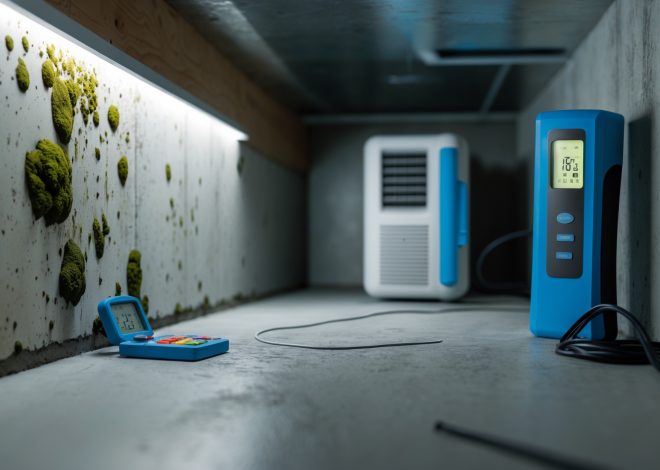
- Red Flags: Standing water near foundation, widening cracks, musty odors in basements or crawl spaces.
Yard and Landscaping Care
Lawn Revival and Soil Health
Revitalize your lawn by raking away winter debris, dethatching if necessary, and aerating compacted soil. Apply a balanced spring fertilizer and overseed bare patches. Consider soil testing to determine pH and nutrient needs—healthy grass is more resilient against weeds and disease.
- Tools Needed: Lawn rake, aerator, broadcast spreader, soil test kit, garden gloves.
- Best Practice: Water deeply after overseeding, and mow only when grass reaches appropriate height to avoid scalping.
Tree and Shrub Maintenance
Inspect trees and shrubs for winter damage, broken branches, or signs of disease. Prune deadwood and shape growth to promote healthy development and reduce hazards (such as limbs overhanging roofs or power lines). Apply mulch around bases to retain moisture and suppress weeds.
- Tools Needed: Pruning shears, loppers, pole saw, mulch, wheelbarrow.
- Safety Tip: Hire a certified arborist for large trees or branches near utility lines.
Garden Beds and Hardscape
Clear out old plant material and weeds from beds. Turn soil and add compost or soil amendments for nutrient boost. Inspect hardscaping—walkways, patios, retaining walls—for cracks or uneven areas and repair promptly to prevent tripping hazards and further deterioration.
- Tools Needed: Garden fork, hoe, trowel, wheelbarrow, masonry filler (for hardscape repairs).
- Pro Tip: Edge garden beds for a clean appearance and improved curb appeal.
Systems and Utilities Check
HVAC and Air Conditioning Prep
Spring is the best time to service HVAC systems before hot weather arrives. Replace filters, clear debris from outdoor units, and schedule a professional inspection if needed. Test thermostats and ensure vents are unobstructed. Regular maintenance extends system lifespan and reduces energy bills.
- Tools Needed: Screwdriver, replacement filters, vacuum (for vent cleaning).
- Compliance Note: Ensure that servicing meets local building codes and, for rentals, keep maintenance records for compliance.
Plumbing and Irrigation Systems
Check all outdoor spigots and irrigation systems for leaks or freeze damage. Turn on the water supply gradually and watch for drips or pooling water. Examine hoses and sprinkler heads, replacing any cracked components. Inside, inspect under sinks and around water heaters for slow leaks.
- Tools Needed: Adjustable wrench, plumber’s tape, irrigation repair kit.
- Red Flags: Unusual water pressure, soggy spots in the lawn, mildew odors near fixtures.
Electrical and Lighting
Test all exterior lighting, including pathway and security lights, for functionality and safety. Replace bulbs with energy-efficient LEDs if needed. Inspect exterior outlets and extension cords for wear. If you spot exposed wiring or suspect electrical hazards, consult a licensed electrician.
- Tools Needed: Voltage tester, replacement bulbs, screwdriver.
- Safety Tip: Always turn off power before inspecting outdoor electrical components.
Safety and Compliance Essentials
Smoke and Carbon Monoxide Detectors
Spring is a great time to test all smoke and CO detectors, replace batteries, and ensure compliance with local safety codes. For rental properties, maintain documentation of checks and replacements.
- Tools Needed: Step stool, replacement batteries, test aerosol (optional).
- Red Flags: Expired devices, chirping alarms, missing units in required locations.
Exterior Safety Features
Inspect steps, railings, decks, and fences for stability and damage. Repair loose boards, rusted fasteners, or unstable railings immediately to prevent accidents. Check that all gates and locks function properly for security.
- Tools Needed: Drill, screws/nails, wood sealant, hammer, wrench.
- Compliance Note: Some municipalities require specific fence heights or railing standards—verify local codes.
Pest Prevention Strategies
With warmer weather, pests become more active. Inspect for signs of rodents, termites, ants, and wasps. Seal entry points around foundations, windows, and doors. Trim back vegetation from siding and store firewood away from the house. Consider a professional pest inspection if you notice activity or prior infestations.
- Tools Needed: Caulk, hardware cloth, pest traps.
- Best Practice: Maintain a regular pest control schedule, especially for multi-unit rentals.
Interior Maintenance Priorities
Deep Cleaning and Decluttering
Spring cleaning isn’t just tradition—it’s practical. Dust baseboards, clean windows inside and out, and wash drapes. Clean behind appliances and inside cabinets to deter pests. Declutter storage areas and donate or dispose of unused items. A clean, organized space is more appealing to tenants and buyers.
- Tools Needed: Microfiber cloths, vacuum, mop, glass cleaner, organizational bins.
- Pro Tip: Use natural cleaners where possible to reduce indoor air pollutants.
Appliance Checks
Test all major appliances—refrigerators, dishwashers, stoves, washers, and dryers—for proper operation. Clean vents and filters, and check for leaks, worn hoses, or faulty connections. Schedule professional servicing for complex repairs or warranty upkeep.
- Tools Needed: Basic tool kit, replacement filters, cleaning solutions.
- Red Flags: Unusual noises, leaks, slow performance, or error codes.
Paint and Surface Repairs
Touch up scuffed walls, doors, and trim. Address nail holes, minor cracks, or peeling paint with appropriate patching materials. Fresh paint in key areas can dramatically boost perceived value and marketability.
- Tools Needed: Paintbrushes, rollers, spackle, putty knife, touch-up paint.
- Best Practice: Match paint colors carefully for seamless repairs.
Documentation and Record-Keeping
Create and Update Maintenance Logs
Document all inspections, repairs, and maintenance activities. For landlords and property managers, a detailed log is essential for legal compliance and can defend against tenant disputes. Include dates, actions taken, costs, and contractor details if applicable.
- Tools Needed: Maintenance logbook, digital spreadsheet, cloud storage for receipts/photos.
Review Warranties and Service Contracts
Check expiration dates on appliance warranties, service contracts, and insurance policies. Renew or update as necessary. Keep all paperwork organized and accessible—this is especially important for properties on the market, as buyers may request proof of maintenance.
- Pro Tip: Set digital reminders for upcoming renewals or inspections to stay ahead of deadlines.
Cost Planning and Budgeting for Spring Maintenance
Estimate and Allocate Funds
Spring maintenance costs can vary widely depending on property size, age, and condition. Common expenses include landscaping supplies, HVAC servicing ($100–$300), gutter cleaning ($100–$250), and minor repairs. Create a budget that prioritizes urgent safety or compliance issues while reserving funds for high-ROI improvements like exterior paint or landscaping upgrades.
- Best Practice: Build a 10-15% contingency into your maintenance budget for unexpected issues.
DIY vs. Professional Services
Assess which tasks you can safely handle yourself and which require professional expertise. While DIY can save money on cleaning, painting, and lawn care, licensed contractors should handle roofing, electrical, and major structural repairs to ensure safety and code compliance.
- Pro Tip: Obtain multiple quotes for larger jobs to ensure competitive pricing and quality service.
Conclusion: Setting Your Property Up for Spring Success
Spring property maintenance is an investment in your real estate’s longevity, safety, and value. By systematically inspecting and addressing issues both inside and out, you can prevent costly problems, enhance curb appeal, and create a welcoming environment for tenants or prospective buyers. This proactive approach not only reduces the risk of emergency repairs but also positions your property to perform its best in the busy spring and summer real estate markets. Remember, thorough documentation ensures you stay compliant and organized, while thoughtful budgeting keeps your maintenance plan on track. Whether you own a single-family rental or manage a diverse portfolio, tackling this essential spring checklist will help you protect your assets, meet legal obligations, and maximize return on investment. Start early, stay organized, and make spring maintenance a cornerstone of your real estate strategy for years to come.
44 thoughts on “Spring Property Maintenance Checklist: Essential Tasks for Real Estate Owners”
Leave a Reply



For real estate owners prepping a property for sale, are there certain spring maintenance tasks from your list that boost curb appeal more than others or help with a faster sale?
Absolutely, some spring maintenance tasks have a bigger impact on curb appeal and can speed up a sale. Focus on landscaping—mow the lawn, trim shrubs, and plant fresh flowers. Power-wash walkways and siding, clean windows, and touch up exterior paint if needed. Make sure gutters are clear and the entryway looks inviting with a clean doormat and working light fixtures. These details make a strong first impression on buyers.
When inspecting gutters for spring maintenance, do you have any tips for identifying subtle issues like slow leaks or improper drainage, especially in older properties where blockages are not always obvious?
To spot subtle gutter issues, check for water stains or peeling paint on walls beneath the gutters, which can reveal slow leaks. Inspect during or after rain to see if water is spilling over or pooling near the foundation—both signs of improper drainage. Also, gently tap along the gutter seams to check for weak spots or rust in older systems. Running water through the gutters with a hose can help reveal less obvious blockages or leaks.
From a budget standpoint, are there key spring maintenance tasks described here that you’d consider essential to do every year versus those that could be scheduled every other year without risking major property issues?
Annual essentials include inspecting the roof, cleaning gutters, servicing HVAC systems, checking for water damage, and testing smoke and carbon monoxide detectors. These tasks help prevent costly repairs or safety risks. Tasks like power washing siding, repainting exteriors, or deep-cleaning carpets can often be done every other year if the property is in good condition, but monitoring their condition yearly is still wise.
When checking caulking and weather stripping on windows and doors after a tough winter, are there specific brands or materials you would recommend for replacements that hold up best year after year?
For long-lasting caulking around windows and doors, look for 100% silicone or a high-quality polyurethane sealant, as these resist cracking and weather damage better than acrylic options. For weather stripping, closed-cell foam, silicone, or EPDM rubber types generally offer the best durability. Brands like GE, DAP, and 3M are known for reliable caulking products, while Frost King and M-D Building Products consistently make sturdy weather stripping.
If I notice visible shingle granules in the gutter debris as mentioned, how urgent is it to address this, and should I be calling a roofer right away or can it wait until later in the spring?
Seeing shingle granules in your gutter debris usually means your roof shingles are aging or have been damaged. While a small amount is normal, a noticeable or sudden increase can indicate your roof needs attention soon. It’s a good idea to schedule a roofer to inspect it as soon as possible rather than waiting, to prevent potential leaks or more serious issues.
Could you explain more about the types of tools that work best for cleaning out clogged gutters? I live in an older house and I’m not sure if a regular garden hose is enough for really packed-in debris.
For cleaning out clogged gutters—especially on older homes—a garden hose alone might not be enough for compacted debris. Consider using a gutter scoop or small plastic trowel to remove packed leaves and dirt by hand. A sturdy ladder, work gloves, and a bucket for debris are also helpful. For tougher clogs, a plumber’s snake or a specialized gutter cleaning wand that attaches to your hose can help dislodge blockages.
Once I’ve completed these exterior checks, what are the top interior maintenance tasks you suggest prioritizing in the spring to ensure the overall health of the property?
After finishing your exterior checks, focus on these key interior tasks: test smoke and carbon monoxide detectors, inspect HVAC systems and replace filters, check for plumbing leaks under sinks and around toilets, clean dryer vents to prevent fire hazards, and look for signs of moisture or mold in basements and attics. Addressing these areas helps keep your property safe, healthy, and efficient.
How frequently should I plan to check and clean the gutters during spring, especially if my property has a lot of nearby trees, or is once at the start of the season usually enough?
If your property is surrounded by many trees, it’s best to check and clean the gutters at least twice during spring—once at the start of the season and then again about a month later. Leaves and debris can accumulate quickly, so more frequent checks will help prevent clogs and water damage. If you notice heavy buildup, you may need to clean them even more often.
I noticed you mentioned flushing downspouts with a hose. Is there a safe way to do this without risking damage to older gutters, or should I look out for any warning signs with vintage homes?
When flushing downspouts on older or vintage homes, use a gentle water flow rather than high pressure to avoid stressing aged gutters. Before starting, check for rust, sagging, or loose fasteners—these are signs the system may need repair before cleaning. If the gutters seem fragile, consider using a plumber’s snake to clear blockages instead of water force.
Could you elaborate on the most cost-effective ways to handle peeling paint or cracks on siding if we’re on a student budget? Are there any DIY solutions that actually hold up, or is this always a job for a pro?
If you’re on a student budget, there are definitely some DIY solutions for peeling paint or small cracks on siding. For minor peeling paint, scrape off the loose paint, sand the area smooth, then apply a good quality exterior primer and paint. For small cracks, use exterior-grade caulk or wood filler, then paint over once dry. These fixes can last a season or two if done properly, though major damage should be handled by a professional. Always make sure the surface is clean and dry before starting your repairs.
When checking caulking and weather stripping around windows and doors, is there a certain type or brand you recommend for resealing? I want to make sure I choose something that will last through next winter.
For resealing windows and doors, look for a high-quality silicone or polyurethane caulk, as these types are weather-resistant, flexible, and durable through temperature changes. For weather stripping, closed-cell foam tape or rubber stripping works well for most climates. Brands like GE and DAP are often recommended for caulking, while 3M and Frost King are reliable for weather stripping. Always check that the product is labeled for exterior use to ensure it will last through winter.
Could you clarify how often the exterior weather stripping around windows and doors should be replaced? Is it typically necessary every spring, or only when visible wear is noticed?
You don’t need to replace exterior weather stripping every spring unless you see signs of wear, cracking, or gaps. Generally, it’s best to check its condition each spring during your maintenance routine. Replace it only if you notice damage or if you feel drafts. Otherwise, well-maintained weather stripping can last several years before needing replacement.
You mention using binoculars for a roof inspection—do you think that’s enough for spotting problems on older or multiple-story homes, or should I consider hiring a professional for a more thorough check?
Using binoculars can be a good first step for spotting visible issues like missing shingles or obvious damage, especially on single-story homes. However, for older properties or those with multiple stories, it’s safer and more effective to have a professional roofer conduct a thorough inspection. They’re trained to spot less obvious problems and can check areas that aren’t visible from the ground.
I noticed the checklist mentions specific tools like a gutter scoop and binoculars. Are there budget-friendly alternatives, or must I buy all these separately to do a thorough spring inspection myself?
You don’t need to buy every specialized tool mentioned in the checklist. Common household items can often serve as budget-friendly alternatives— for example, a small plastic trowel or even a sturdy spatula can substitute for a gutter scoop. For inspecting roofs or high areas, a smartphone camera on zoom, or even borrowing binoculars from a friend, can work well. The key is to be thorough, not necessarily to own every specific tool.
For someone on a tight budget, what are the absolute must-do spring maintenance tasks from your checklist that will prevent the most costly repairs later on?
If you’re on a tight budget, focus on tasks that prevent major damage: clean gutters and downspouts to avoid water damage, check your roof for missing shingles, inspect and seal any foundation cracks, and service your HVAC filter. These basics help prevent expensive repairs from leaks, mold, or system failures, saving you money in the long run.
Can you clarify how often homeowners should expect to redo window caulking and weather stripping? Does it typically need to be replaced every spring or only after noticeable wear?
Window caulking and weather stripping generally do not need to be replaced every spring. Instead, it’s best to check them during your spring maintenance routine for any signs of cracking, peeling, or gaps. If you notice wear or damage, it’s time to redo them. Otherwise, good-quality materials can last several years before needing replacement.
How much should I expect to budget for these spring maintenance tasks if I plan to hire professionals instead of doing it myself? I own a medium-sized rental property.
For a medium-sized rental property, budgeting for professional spring maintenance can vary based on your location and the specific services needed. Generally, you might expect to spend between $500 and $2,000. This range should cover gutter cleaning, HVAC servicing, landscaping, power washing, and minor exterior repairs. It’s a good idea to get quotes from local contractors for a more accurate estimate tailored to your property.
I noticed you recommend flushing downspouts with a hose to clear blockages. If water still isn’t draining after that, what’s the next step before calling in a contractor? Are there common spots where clogs usually form?
If water still isn’t draining after flushing with a hose, try using a plumber’s snake or a stiff brush to dislodge any stubborn debris. Clogs often form at the elbows or bends in the downspout, and also where the downspout meets the underground drain. Check these areas carefully before considering professional help.
When inspecting the roof for spring maintenance, are there any particular signs of damage you’d recommend prioritizing for immediate repair, or is it usually ok to wait if I just notice a couple of missing shingles?
If you notice missing shingles during your spring roof inspection, it’s best to address them as soon as possible rather than waiting. Even just a couple of missing shingles can expose your roof to water leaks and further damage, especially during spring rains. Also, watch for curled, cracked, or loose shingles, as well as signs of sagging or moss growth. These issues should be prioritized for prompt repair to prevent bigger problems down the line.
If water stains are discovered under the eaves during the exterior inspection, what are the immediate next steps to address that before it becomes a bigger foundation problem?
If you find water stains under the eaves, start by checking your gutters and downspouts for clogs or leaks and clear any debris. Inspect the roof for damaged or missing shingles near the stained area. Fix any gutter or roofing issues right away to prevent further water from getting in. Finally, look for signs of wood rot or mold and repair or replace any affected materials to stop water from reaching your foundation.
When inspecting the roof for missing shingles or cracked tiles after winter, how do you determine if minor damage can be handled with a DIY patch or if it is safer to call in a professional roofer?
When checking your roof, small areas with only a few missing shingles or minor cracks can often be fixed with a DIY patch if you are comfortable working safely. However, if you notice widespread damage, sagging, leaks, or if the roof is steep or high off the ground, it’s safer to call a professional. Always consider your safety and the roof’s overall condition before deciding.
When inspecting the roof for damage after winter, is there a recommended protocol for documenting issues for insurance purposes, or specific signs that owners often overlook beyond just missing shingles and moss?
When inspecting your roof, it’s wise to take clear, date-stamped photos of any damage, including close-ups and wide shots for context. Document any cracked, curled, or buckled shingles, damaged flashing, loose gutters, and signs of water staining or leaks inside the attic. Owners sometimes overlook small punctures, popped nails, or granule buildup in gutters, which can indicate underlying issues. Keep detailed notes of observations and any repairs for your records and insurance claims.