

Navigating Real Estate Water Damage: Detection, Remediation, and Prevention Strategies
Introduction: The High Stakes of Water Damage in Real Estate
Water damage is one of the most insidious threats to any real estate investment. Whether you’re a property owner, investor, or manager, water intrusion can compromise structural integrity, trigger costly repairs, and even cause health hazards from mold growth. Unlike issues that are immediately visible, water damage often works behind the scenes, slowly eroding property value and causing unseen complications until it’s too late. Insurance claims for water damage are among the most frequent and expensive, and buyers are increasingly wary of properties with a history of leaks or flooding. This makes water management not just a maintenance concern, but a core element of risk mitigation and asset preservation.
This in-depth guide delivers actionable strategies for detecting, remediating, and preventing water damage in residential and commercial real estate. We’ll cover practical steps, essential tools, and proven techniques, ensuring you have a comprehensive approach to water management. Whether you’re preparing for a sale, onboarding a new rental, or safeguarding a long-term investment, mastering water damage control is an investment in your property’s future value and reputation.
Understanding the Sources and Risks of Water Damage
Common Sources of Water Intrusion
- Roof Leaks: Damaged shingles, flashing failures, clogged gutters, or ice dams can cause water to seep into attics and walls.
- Plumbing Failures: Burst pipes, leaking supply lines, and faulty fixtures are common culprits inside homes and buildings.
- Appliance Malfunctions: Water heaters, washing machines, dishwashers, and HVAC systems can develop slow leaks or catastrophic failures.
- Foundation and Basement Seepage: Poor drainage, hydrostatic pressure, or cracked foundations allow water ingress, particularly after heavy rains.
- Window and Door Leaks: Inadequate sealing or aging weatherstripping can let wind-driven rain penetrate the building envelope.
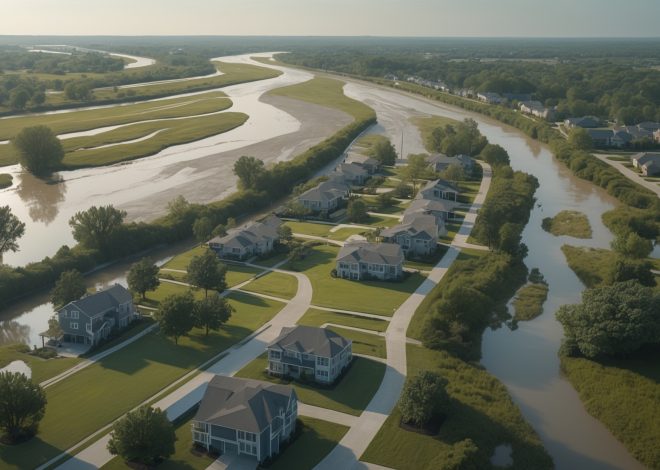
- Natural Disasters: Flooding from storms, hurricanes, or rising groundwater poses major risks, especially in designated flood zones.
Risks Associated with Water Damage
- Structural Compromise: Prolonged exposure can weaken framing, drywall, and flooring, endangering the building’s stability.
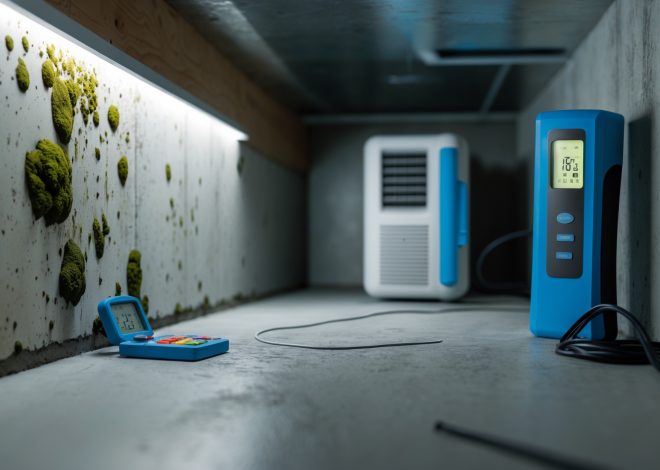
- Mold and Mildew: Moisture creates the ideal environment for mold growth, which can trigger allergies and respiratory issues.
- Electrical Hazards: Water intrusion can cause short circuits, fire risks, and make outlets or fixtures unsafe.
- Decreased Property Value: Visible water stains, warped materials, and musty odors deter buyers and tenants.
- Insurance Complications: Repeated claims or undisclosed damage can lead to higher premiums or denied coverage.
Early Detection: How to Spot Water Damage Before It Escalates
Visual Inspection Techniques
- Check ceilings and upper corners for discoloration, bubbling paint, or sagging materials.
- Inspect basements and crawlspaces for water lines, efflorescence (white powdery deposits), or musty odors.
- Look for warped flooring, loose tiles, or lifted carpet edges.
- Examine window sills and door frames for peeling paint or soft, spongy wood.
- Assess exterior grading and gutter downspouts for proper water diversion away from the foundation.
Technological Detection Tools
- Moisture Meters: Pin-type or pinless meters measure moisture levels in wood, drywall, and masonry—essential for detecting hidden leaks.
- Infrared (Thermal) Cameras: These devices reveal temperature differentials that indicate wet insulation, leaks behind walls, or ceiling seepage.
- Water Alarms: Install battery-powered or smart water leak detectors near appliances, water heaters, and sump pumps for early warning.
- Hygrometers: Use these to monitor indoor humidity; persistent moisture above 60% can signal ongoing water problems.
Routine Inspection Checklist
- Test all plumbing fixtures and exposed pipes at least twice a year.
- Check attic and roof after storms or heavy snowfall.
- Inspect basement sump pumps and backup systems before rainy seasons.
- Monitor water bills for unexplained increases, which may indicate a hidden leak.
Remediation: Responding to Water Damage Quickly and Effectively
Immediate Steps Upon Discovery
- Stop the Source: Shut off main water supply valves or patch roof openings to halt further intrusion.
- Remove Standing Water: Use wet/dry vacuums, pumps, or mops to clear pooled water as soon as possible.
- Document the Damage: Take photos and notes for insurance claims and contractor estimates.
- Ventilation: Open windows and use fans or dehumidifiers to reduce humidity and speed up drying.
Effective Drying and Demolition
- Remove all saturated carpeting, padding, and insulation.
- Cut out and discard water-damaged drywall at least 12 inches above the highest water line.
- Deploy commercial-grade air movers and dehumidifiers for large-scale damage.
- Check subfloors and wall studs for hidden moisture and treat with antimicrobial solutions if necessary.
Mold Remediation Essentials
- Address water intrusion within 24–48 hours to prevent mold growth.
- Retain certified mold remediation professionals for infestations exceeding 10 square feet.
- Seal off affected areas with plastic sheeting and use negative air machines during cleanup.
- Dispose of all non-salvageable materials following local regulations.
Professional Restoration: When to Call Experts
- Faced with gray or black water (contaminated from sewage or flooding), always use licensed restoration firms.
- Hire specialists for structural drying, electrical inspections, and post-remediation verification (PRV) testing.
- Ensure contractors are IICRC-certified (Institute of Inspection Cleaning and Restoration Certification).
Prevention: Long-Term Strategies to Safeguard Your Property
Building Envelope Maintenance
- Schedule annual roof inspections and replace damaged shingles or flashing promptly.
- Clean gutters and downspouts at least twice a year to prevent overflow and ice dams.
- Seal gaps around windows, doors, and exterior penetrations with weatherproof caulk.
- Apply waterproof coatings to foundation walls where appropriate.
Plumbing and Appliance Upgrades
- Install braided stainless-steel supply lines for washing machines, dishwashers, and toilets.
- Replace aging water heaters before the end of their service life (typically 8–12 years).
- Fit water leak detectors with automatic shutoff valves for high-risk appliances.
- Insulate pipes in unconditioned spaces to prevent freezing and bursting.
Exterior Drainage and Landscaping
- Ensure the ground slopes away from the foundation by at least 6 inches over 10 feet.
- Install French drains or swales to redirect runoff if your property is in a low-lying area.
- Maintain sump pumps and test backup power sources regularly.
- Avoid planting trees or shrubs with aggressive root systems near underground pipes or foundations.
Basement and Crawlspace Defenses
- Apply vapor barriers on crawlspace floors and walls to limit moisture migration.
- Install backwater valves on sewer lines to prevent floodwater backflow.
- Consider basement waterproofing systems if your area is prone to flooding.
Risk Assessment and Insurance Alignment
- Obtain a flood risk map from FEMA or your local municipality to identify vulnerabilities.
- Confirm your property insurance covers both sudden water damage and gradual leaks; add flood insurance if necessary.
- Keep maintenance logs and inspection reports to support future insurance claims.
Case Study: Comprehensive Water Damage Management in a Multi-Family Building
In 2022, a 24-unit apartment complex in the Midwest experienced a major water loss after a frozen pipe burst in the attic. The incident affected 8 units, leading to ceiling collapses, ruined insulation, and mold growth. The property manager took immediate action, shutting off the main water valve, evacuating tenants in affected units, and contacting a licensed restoration firm.
Critical steps included extracting 3,000 gallons of water, removing all wet materials, and deploying 40 industrial air movers and dehumidifiers. Mold remediation specialists isolated contaminated areas and performed air quality tests before reconstruction began. The manager also conducted a full plumbing assessment, replacing all attic pipes with insulated PEX tubing and installing remote leak detection sensors throughout the building. Annual roof inspections and tenant education on freeze prevention were added to the maintenance plan.
Thanks to quick response and comprehensive remediation, the building was back to full occupancy in under eight weeks. Water damage costs were covered by insurance, and the proactive upgrades significantly reduced the risk of recurrence. This case underscores the importance of prompt action, professional restoration, and long-term prevention in protecting real estate assets.
Compliance and Documentation: Ensuring Legal and Financial Protection
Disclosure Obligations
- Most jurisdictions require sellers and landlords to disclose known water damage or repairs during transactions or new leases.
- Failure to disclose may result in legal liability or rescinded sales.
Permits and Inspections
- Major remediation work—such as structural repairs or mold abatement—often requires local permits and post-work inspections.
- Maintain all documentation, including contractor invoices, inspection reports, and insurance communications.
Insurance Best Practices
- Notify your insurer immediately after water damage occurs; delays can jeopardize a claim.
- Provide thorough documentation, photographs, and any third-party assessments.
- Review your policy annually and update coverage as your property or risk profile changes.
Advanced Tools and Technology for Water Damage Management
Smart Sensors and IoT Integration
- Wi-Fi water leak detectors send instant alerts to your phone, allowing for rapid response.
- Integrate smart shutoff valves with home automation systems for remote control and automatic shutdowns.
Remote Monitoring Services
- Third-party services can monitor vacant or seasonal properties for water leaks and humidity spikes, providing peace of mind for absentee owners.
Data-Driven Maintenance Planning
- Use inspection and sensor data to identify recurring problem areas and schedule targeted preventive maintenance.
Conclusion: Proactive Water Damage Management—A Critical Investment
Water damage can undo years of careful real estate investment in just a few days. Yet, most losses are preventable through diligent inspection, timely remediation, and long-term prevention strategies. By understanding the hidden sources of water intrusion and utilizing both traditional and smart detection tools, property owners and managers can catch issues early—long before they escalate into major repairs or health hazards.
Rapid and effective response is vital: swift water removal, thorough drying, and professional restoration minimize both direct costs and secondary damages such as mold or structural decay. Proactive upgrades—like enhanced drainage, modernized plumbing, and smart leak detection—create a robust defense against future incidents. Coupled with rigorous documentation and compliance with insurance and legal requirements, these actions protect not only the physical asset but also your financial interests and reputation.
Ultimately, water damage management is not a one-time task but a continuous process woven into your property’s maintenance routine. By committing to regular checks, leveraging technology, and fostering a prevention-first mindset, you can safeguard your investment, ensure tenant satisfaction, and maintain property value for years to come. The best time to address water damage is before it happens—make these strategies a cornerstone of your real estate ownership and management plan.
18 thoughts on “Navigating Real Estate Water Damage: Detection, Remediation, and Prevention Strategies”
Leave a Reply

When it comes to detecting water damage early, are there specific tools or technology you recommend for homeowners who might not have a construction background? The article mentions practical steps, but I’m wondering what works best for someone who’s new to this.
For homeowners without a construction background, moisture meters and smart water leak detectors are very effective tools for early water damage detection. Moisture meters can quickly show if walls or floors are damp, while smart leak detectors alert you via your phone if they sense leaks or excess moisture around appliances or pipes. These are easy to use, require minimal installation, and provide peace of mind for beginners.
For someone preparing to put a house on the market, how long does it typically take to fully remediate water damage from roof leaks, and are there steps I can take to make the process faster or more attractive to buyers?
Remediating water damage from roof leaks usually takes anywhere from a few days to several weeks, depending on the extent of the damage and how quickly repairs begin. To speed things up, address leaks immediately, use professional drying services, and ensure repairs are certified by licensed contractors. For buyers, consider providing documentation of all repairs and warranties, plus a fresh paint job and mold inspection report to show the issue is fully resolved.
I’m curious about foundation and basement seepage—if my house developed minor cracks after a heavy rain, what immediate steps should I take before calling in a contractor? Is sealing the cracks a temporary fix, or could it potentially make things worse?
If your house has developed minor cracks after heavy rain, first check for active water leaks or pooling. Clean and dry the area thoroughly, and monitor for any changes. Sealing small cracks with a waterproof sealant can be a temporary fix, but it’s important not to rely on this alone. Sealing could trap moisture inside if there’s already water intrusion, potentially making things worse. Keep an eye on the cracks, and contact a professional if they widen, new cracks appear, or if water continues to seep in.
When it comes to foundation and basement seepage, are there specific warning signs I should watch for before the damage becomes severe? I’m not sure if humidity or a musty smell is enough to indicate a real problem or if there are other indicators to look out for.
A musty smell and high humidity can definitely be early signs of basement or foundation seepage, but there are other indicators worth watching for. Look for visible water stains on walls or floors, peeling paint, efflorescence (a white, powdery substance), cracks in the foundation, and warped or buckling floorboards. It’s a good idea to address any of these signs early to prevent more serious damage.
When prepping a rental for new tenants, what basic tools or products would you recommend for detecting hidden leaks before issues escalate? Are there any affordable devices you can suggest?
For prepping a rental, a good moisture meter is an affordable tool that can help detect hidden moisture behind walls or under flooring. Also, consider using a basic infrared thermometer to spot temperature differences that could signal damp areas. Water leak detectors that sound an alarm when moisture is detected are also quite affordable and easy to place under sinks or near appliances. These simple tools can help catch leaks early before they become major issues.
If my home has a finished basement and we’ve had minor seepage after heavy rains but no major flooding, what are the most effective prevention steps to take before considering an expensive foundation repair?
With minor seepage in a finished basement, start by checking that your gutters and downspouts direct water at least several feet away from the foundation. Make sure the ground around your home slopes away to prevent pooling. Seal any visible cracks in basement walls or floors with appropriate waterproofing products. Consider applying a waterproof coating on interior basement walls and installing a sump pump or French drain if moisture persists. These steps often resolve minor seepage without the need for costly foundation repairs.
If water damage from something like a leaking washing machine goes unnoticed for a while, how can I tell if there’s been hidden structural damage behind the walls or floors?
Hidden structural damage can sometimes be revealed by subtle signs like warped flooring, discoloration or bubbling paint on walls, a persistent musty smell, or uneven surfaces. To be certain, consider hiring a professional to use moisture meters or infrared cameras, which can detect moisture behind walls and floors. Addressing water issues early helps prevent further damage and mold growth.
How can a buyer verify if there has been any history of basement seepage or plumbing failures in a property before finalizing a purchase? Are there particular signs to look for that might not be obvious during a typical walk-through?
To check for past basement seepage or plumbing issues, ask the seller directly and request disclosure forms. Review inspection reports and look for water stains, musty smells, peeling paint, rust on appliances, or warped baseboards—these can indicate hidden water problems. Also, inspect around drains, sump pumps, and exposed pipes for signs of repairs or patchwork, which sometimes signal previous water issues.
If I discover a slow leak in a tenant unit, what are the first actions you recommend to minimize potential mold growth before a remediation team arrives?
If you find a slow leak, turn off the water supply to prevent more moisture from accumulating. Remove any standing water by mopping or using towels, and use fans or dehumidifiers to help dry out the area. Keep the space well-ventilated by opening windows if possible. Avoid disturbing suspected mold, as this can spread spores. Document the damage and notify your remediation team right away.