
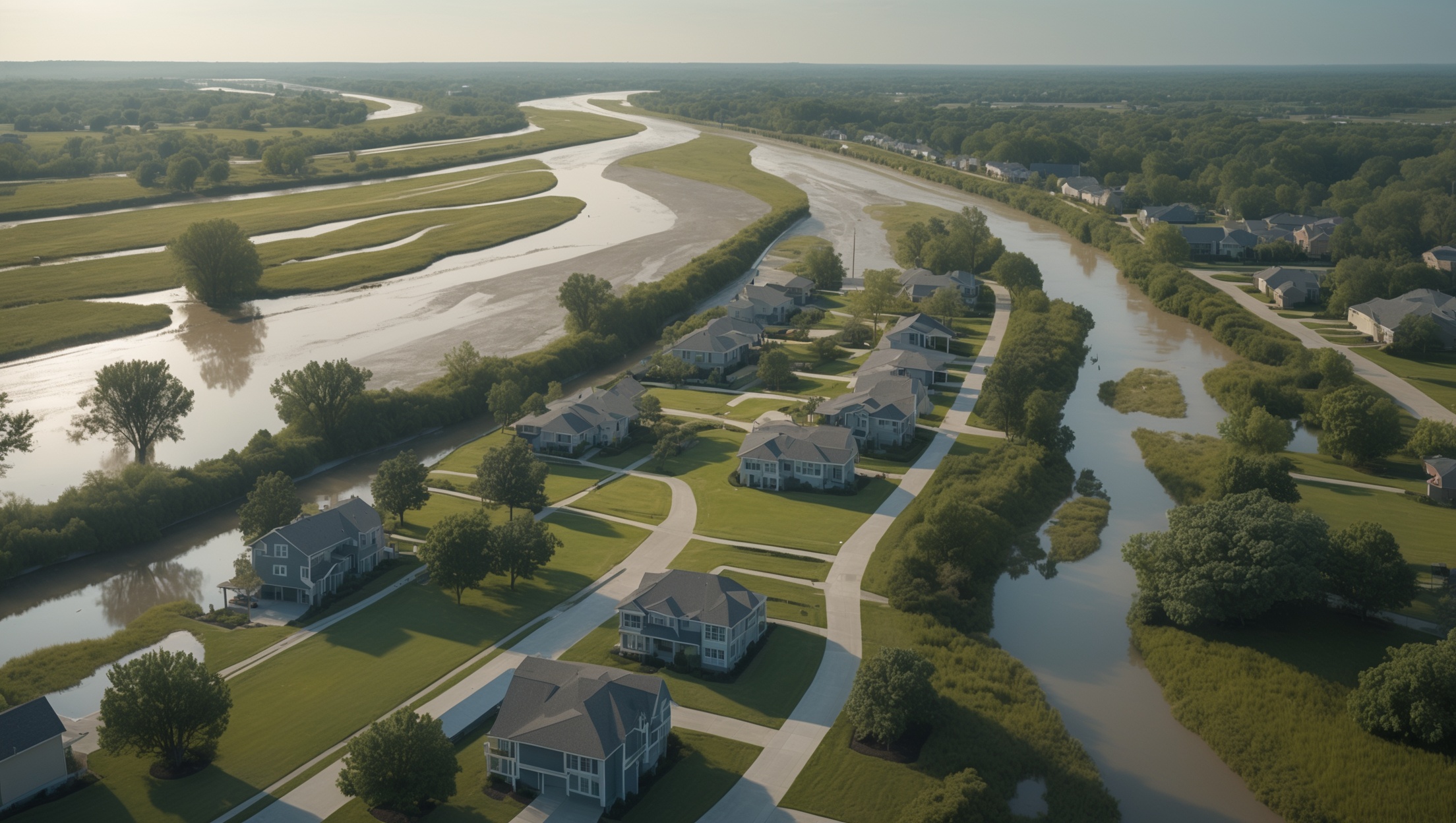
Navigating Flood Zone Properties: Compliance, Risks, and Smart Investment Strategies
Introduction: The Opportunity—and Challenge—of Flood Zone Real Estate
Flood zone properties can be a double-edged sword for real estate investors and owners. On one hand, homes and commercial buildings located near water often command higher prices due to their scenic location, recreational possibilities, and unique charm. On the other, the risk of flooding introduces a host of complications: regulatory hurdles, insurance requirements, potential physical damage, and concerns about resale value. For many, the prospect of owning or investing in flood-prone real estate is daunting—yet, with the right knowledge and approach, these properties can be both profitable and resilient.
This comprehensive guide demystifies the process of buying, owning, or managing property in a flood zone. We’ll explore how to accurately assess flood risks, navigate complex compliance and permitting requirements, secure the right insurance, implement effective mitigation measures, and craft investment strategies that turn a potential liability into an asset. Whether you’re a first-time buyer, a seasoned investor, or a property manager, this guide provides the actionable insights you need to make informed decisions and protect your investment.
Understanding Flood Zones: What Do the FEMA Maps Really Mean?
Decoding Flood Zone Designations
The Federal Emergency Management Agency (FEMA) produces Flood Insurance Rate Maps (FIRMs) to categorize areas based on their risk of flooding. The core designations include:
- Zone A: High-risk areas subject to annual flooding (1% annual chance, or “100-year flood”). No detailed base flood elevations determined.
- Zone AE: High-risk, with detailed base flood elevations provided.
- Zone AO/AH: High-risk zones with shallow flooding hazards.
- Zone V/VE: Coastal high-risk areas subject to wave action.
- Zone X (shaded): Moderate risk (0.2% annual chance, or “500-year flood”).
- Zone X (unshaded): Minimal risk.
It’s critical to consult the latest FIRM for your property and understand that maps can—and do—change over time due to development, climate change, and improved data. Always review the official FEMA map and, if necessary, request a flood determination from a certified professional.
How Flood Zones Affect Property Value and Use
Flood zone status influences a property’s marketability, insurance costs, and permissible uses. High-risk classifications may trigger mandatory flood insurance and restrict certain renovations or new construction. Conversely, a property in a moderate or low-risk zone may offer more flexibility and lower ongoing costs. Understanding these implications is the first step toward a sound investment decision.
Compliance and Permitting: Navigating the Regulatory Maze
Federal, State, and Local Regulations
Owning property in a flood zone means dealing with a complex web of regulations:
- National Flood Insurance Program (NFIP): Participating communities must enforce minimum standards for development and building in flood-prone areas.
- State and Local Codes: Many states and municipalities impose additional requirements—such as increased elevation standards or stormwater management protocols.
- Permitting: Most flood zone construction, major renovations, or land grading projects require special floodplain development permits. Failure to secure these can result in severe penalties and jeopardize insurance coverage.
Key Compliance Steps
- Check Local Ordinances: Start at your city or county planning office to determine specific floodplain rules.
- Obtain an Elevation Certificate: This document, prepared by a licensed surveyor or engineer, details your property’s elevation relative to base flood elevation requirements.
- Secure Floodplain Development Permits: These permits may cover new construction, substantial improvements, or even landscaping projects that alter drainage.
- Document Improvements: Maintain detailed records of mitigation efforts (e.g., elevating buildings, installing flood vents) to demonstrate compliance and potentially reduce insurance premiums.
Assessing Flood Risk: Beyond the FEMA Map
Site-Specific Risk Factors
FEMA maps provide a baseline, but real-world risk assessment goes further. Consider these factors:
- Historical Flooding: Research past flood events and property damage reports. Local government archives and neighbors are valuable sources.
- Drainage and Topography: Low-lying lots, proximity to water bodies, and soil types all influence flood susceptibility.
- Upstream Development: New construction or infrastructure upstream can alter water flow and increase local risk.
- Climate Change: Changing rain patterns and rising sea levels can amplify flood hazards—even in previously “safe” zones.
Professional Flood Risk Assessments
For high-value or complex properties, invest in a third-party flood risk assessment. These professionals use hydrologic models, site inspections, and local data to provide detailed risk profiles and mitigation recommendations. Their reports are invaluable for both purchase decisions and insurance negotiations.
Insurance Essentials: What Every Flood Zone Owner Must Know
The NFIP and Private Flood Insurance
Standard homeowners insurance does not cover flood damage. In high-risk zones (Zones A, AE, V, VE), federally backed mortgages require flood insurance through the National Flood Insurance Program (NFIP) or an approved private insurer. Key considerations:
- Coverage Limits: The NFIP covers up to $250,000 for residential buildings and $100,000 for contents. Private insurers may offer higher limits or additional coverage options.
- Waiting Periods: NFIP policies have a 30-day waiting period before coverage begins (exceptions apply for loan closings).
- Premium Factors: Cost depends on flood zone, property elevation, building age, and mitigation features. Elevation certificates can significantly lower premiums.
Reducing Insurance Costs
- Implement Mitigation: Elevating structures, installing flood vents, and using flood-resistant materials can lower premiums.
- Community Rating System (CRS): Properties in communities with aggressive flood management may qualify for insurance discounts.
- Shop Around: Private flood insurance is increasingly competitive—compare quotes and coverage details annually.
Smart Mitigation: Protecting Your Property from Flood Damage
Physical Upgrades and Best Practices
- Elevation: Raising the lowest floor above the base flood elevation is the gold standard for reducing risk and insurance costs.
- Flood Vents: Properly installed vents in foundation walls allow water to flow through, reducing hydrostatic pressure and foundation damage.
- Flood-Resistant Materials: Use tile, concrete, closed-cell foam insulation, and pressure-treated wood in lower levels.
- Electrical and Mechanical Relocation: Move electrical panels, HVAC units, and water heaters above expected flood levels.
- Grading and Landscaping: Direct surface water away from buildings using swales, berms, and permeable surfaces.
- Backflow Valves: Install devices to prevent sewage backups during flood events.
Maintenance and Emergency Preparedness
- Inspect Drainage Systems: Clean gutters, downspouts, and storm drains regularly.
- Monitor Sump Pumps: Test pumps and maintain backup power sources.
- Keep Emergency Supplies: Stock sandbags, plastic sheeting, and water pumps for rapid deployment.
- Develop an Evacuation Plan: Know local flood warning systems and safe evacuation routes.
Financing and Resale: What Lenders and Buyers Need to Know
Loan Eligibility and Requirements
Many lenders will finance flood zone properties, but expect additional scrutiny:
- Mandatory Insurance: Proof of flood insurance is often required before closing.
- Appraisal Adjustments: Appraisers may adjust value estimates to reflect flood risk and necessary mitigation.
- Loan Types: FHA, VA, and USDA loans have specific flood zone requirements—check with your lender for details.
Resale Considerations
- Disclosure Laws: Most states require sellers to disclose flood zone status and past flood damage. Failure to do so can trigger legal liability.
- Market Perceptions: Flood risk can deter buyers. Highlight mitigation measures, low insurance rates, and recent improvements to reassure prospective purchasers.
- Timing: Selling outside of flood season and after major mitigation projects can improve marketability.
Investment Strategies for Flood Zone Properties
When Is It Smart to Invest?
Flood zone properties aren’t for every investor, but they can offer unique opportunities:
- Undervalued Assets: Some sellers discount properties due to flood risk. Savvy investors can add value through mitigation and effective management.
- Rental Demand: Waterfront and near-water properties attract strong rental interest, especially with robust flood protections in place.
- Resilience Upgrades: Properties with recent elevation or floodproofing often command price premiums in flood-prone markets.
Best Practices for Investors
- Due Diligence: Review flood history, insurance costs, and required improvements before bidding.
- Budget for Upgrades: Set aside capital for mitigation and future compliance as maps and codes evolve.
- Leverage Incentives: Explore local grants, tax credits, or low-interest loans for flood resilience improvements.
- Plan for Exit: Document all risk-reduction measures to support a future sale or 1031 exchange.
Case Study: Turning a Flood Zone Challenge into a Competitive Advantage
Consider a duplex in Zone AE along a midwestern river. The property was originally built below base flood elevation and suffered minor flooding twice in a decade. The new owner invested $45,000 to:
- Raise the structure on piers
- Add flood vents and backflow valves
- Replace flooring with flood-resistant tile
- Install sump pumps with battery backup
Results:
- NFIP flood insurance premium dropped from $3,200/year to $850/year
- Property value increased by $60,000
- Monthly rent increased due to improved safety and reduced risk perception
- Successful resale after five years to another investor, leveraging full documentation of all upgrades
This case illustrates that with smart planning and targeted investment, flood zone properties can out-perform market expectations.
Common Myths About Flood Zone Real Estate
- Myth: Only coastal properties flood. Fact: Inland properties near rivers, lakes, or even stormwater drains can face significant flood risks.
- Myth: FEMA maps are always up-to-date. Fact: Maps can lag behind local changes—supplement with recent local data and professional assessment.
- Myth: Flood insurance is unaffordable. Fact: Mitigation and elevation can dramatically reduce premiums.
- Myth: Flood-prone properties can’t be sold. Fact: With proper documentation and upgrades, these properties can be highly marketable.
Conclusion: Informed Decisions Drive Flood Zone Success
Flood zone real estate may seem intimidating, but it doesn’t have to be a dealbreaker. The key is knowledge—understanding flood maps, regulations, insurance intricacies, and risk mitigation techniques. By proactively addressing compliance and investing in proven upgrades, owners and investors can lower long-term costs, protect property value, and even turn flood risk into a competitive advantage. Don’t let myths or outdated assumptions steer you away from unique opportunities: with diligent research and strategic planning, flood zone properties can offer both financial rewards and peace of mind.
Remember, the landscape is always changing. Stay current with FEMA map updates, local regulations, and best practices for flood resilience. Work with professionals—surveyors, engineers, insurance agents, and real estate specialists—to ensure every decision is grounded in data and experience. Whether you’re buying your first waterfront home, managing a rental portfolio, or seeking value-add investments, the right approach to flood zone real estate can yield impressive—and sustainable—results.