
Winterizing Rental Properties: A Comprehensive Landlord Checklist and Cost Breakdown
Introduction
As a landlord, protecting your rental property from winter’s harsh elements is not just a matter of comfort—it’s crucial for maintaining property value, preventing costly damage, and ensuring tenant satisfaction. Winterizing isn’t only for older homes or those in freezing climates. Even properties in milder regions can suffer from unexpected cold snaps, leading to frozen pipes, roof leaks, and other expensive repairs. Proactive winterization reduces emergency maintenance calls, lowers long-term costs, and demonstrates responsible property management to tenants and insurance providers alike.
In this comprehensive guide, you’ll find a step-by-step winterizing checklist tailored specifically for rental properties, including actionable tips, estimated costs, and practical strategies for balancing preventive investments with budget realities. Whether you manage single-family homes, duplexes, or small apartment buildings, this guide will help you develop a winterization plan that safeguards your assets, keeps tenants happy, and ensures regulatory compliance. Let’s dive into the essential details every landlord needs to know before the first frost hits.
Why Winterizing Matters for Rental Properties
Preventing Costly Damage
Cold weather can wreak havoc on properties. Frozen pipes can burst, causing water damage to walls, floors, and electrical systems. Ice dams form on roofs, leading to leaks and mold. Even minor drafts or inadequate insulation can result in skyrocketing heating bills and tenant complaints. According to insurance industry data, the average water damage claim from a burst pipe exceeds $10,000—far more than the cost to prevent it.
Reducing Liability and Insurance Risks
Landlords have a legal obligation to maintain safe, habitable premises. Failure to address winter hazards—such as icy walkways or faulty heating—can result in liability claims or fines. Many insurance policies require reasonable maintenance efforts; failure to winterize may jeopardize coverage if damage occurs.
Enhancing Tenant Retention
Tenants want to feel safe and comfortable. A well-winterized property means fewer complaints, less disruption, and higher tenant retention rates. Proactive landlords also build trust—tenants who see their landlord investing in preventive maintenance are more likely to renew leases and care for the property.
Winterizing Checklist for Landlords
Use this practical checklist to ensure your rental property is ready for winter. Each item includes a brief explanation and rough cost estimates (as of 2024, for a typical single-family home).
1. Inspect and Insulate Pipes
- Check exposed pipes: Focus on basements, crawl spaces, attics, garages, and exterior walls.
- Install pipe insulation: Use foam sleeves or fiberglass wrap on vulnerable pipes. Cost: $0.50–$2/foot
- Seal gaps: Use caulk or spray foam to seal holes where pipes enter walls. Cost: $5–$15
2. Protect Outdoor Plumbing
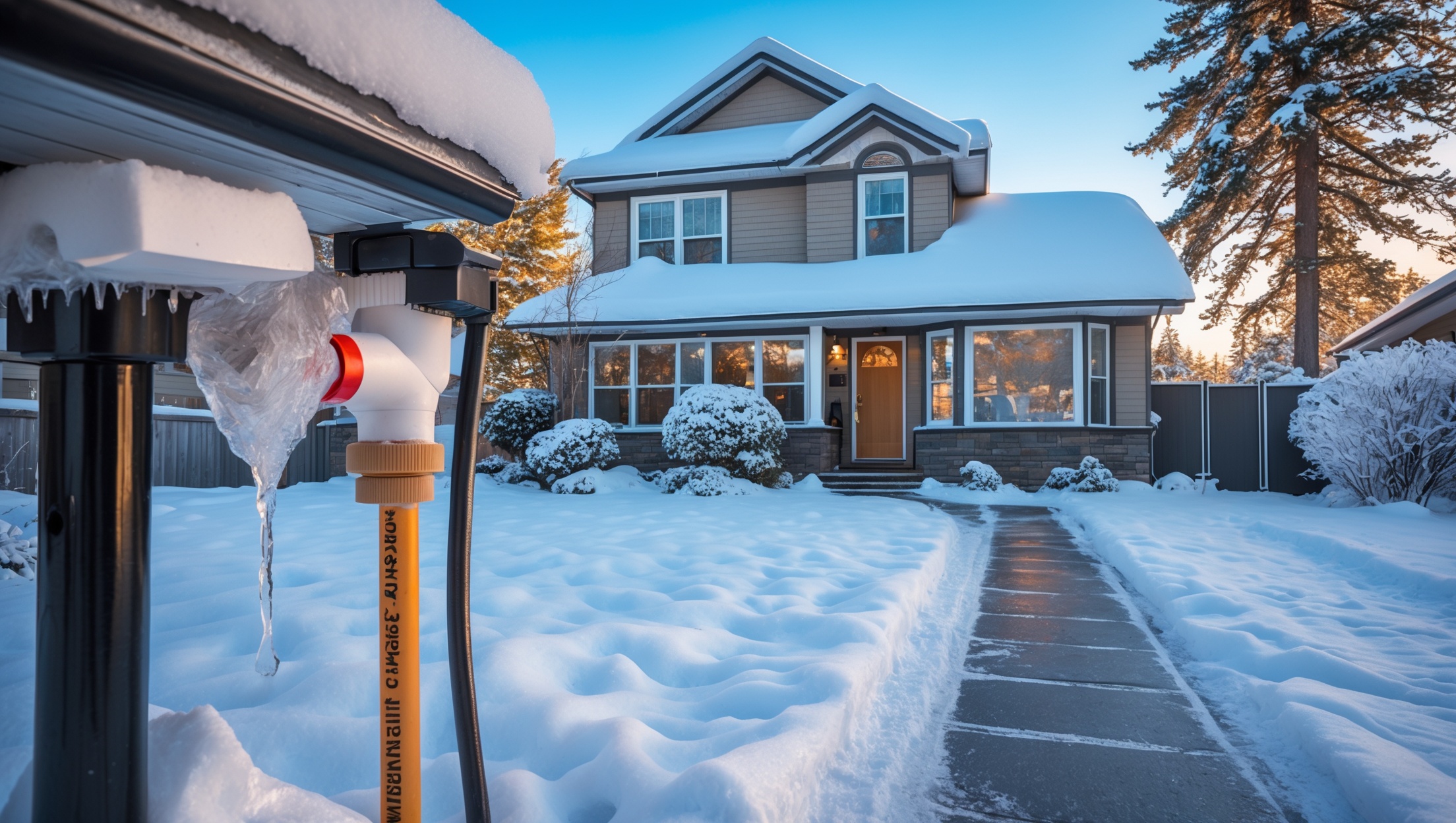
- Drain and shut off outdoor spigots: Remove hoses, drain spigots, and install insulated covers. Cost: $5–$10 per cover
- Winterize irrigation systems: Blow out sprinkler lines or hire a pro. DIY: $0–$30 (compressor rental); Pro: $50–$150
3. Service the Heating System
- Schedule a furnace or boiler inspection: Clean or replace filters, check thermostats and safety controls. Cost: $80–$200 (service call)
- Bleed radiators (if applicable): Remove air from hot water radiators for optimal heat.
- Test all thermostats: Ensure accuracy and replace batteries in programmable thermostats.
4. Seal Windows and Doors
- Inspect weatherstripping: Replace damaged or missing strips around windows and doors. Cost: $10–$30 per door/window
- Apply window insulation film: Add plastic film to drafty windows for an extra barrier. Cost: $15–$25 per kit
- Adjust door sweeps: Fill gaps at the bottom of exterior doors. Cost: $8–$20 each
5. Check the Roof and Gutters
- Clear gutters and downspouts: Remove leaves and debris to prevent ice dams. Cost: $0 (DIY) or $100–$250 (pro)
- Inspect for damaged shingles or flashing: Repair as needed to prevent leaks. Cost: $50–$250 for minor repairs
- Install gutter guards (optional): Reduce debris buildup. Cost: $3–$8 per linear foot
6. Insulate Attics and Crawl Spaces
- Check insulation depth: Add insulation if attic or crawl space levels are below recommended R-values. Cost: $1.50–$3.50 per sq ft (blown-in)
- Seal attic hatches: Use weatherstripping or insulated covers. Cost: $20–$40 each
7. Maintain Chimneys and Fireplaces
- Schedule chimney cleaning and inspection: Prevent fire hazards and ensure safe operation. Cost: $120–$300
- Check flue dampers: Ensure they open and close fully to prevent drafts.
8. Prepare for Snow and Ice
- Stock ice melt and snow shovels: Provide supplies for tenants or arrange for snow removal. Cost: $15–$50 for supplies; $30–$60 per snow event (contractor)
- Mark driveway and walkway edges: Use stakes or reflectors to protect landscaping and guide plows. Cost: $1–$2 each
- Arrange snow removal contracts: Secure services early for timely response.
9. Test Smoke and Carbon Monoxide Detectors
- Test all alarms: Replace batteries and confirm proper operation. Cost: $2–$5 per battery
- Upgrade to 10-year sealed detectors if needed: Cost: $20–$50 each
10. Communicate With Tenants
- Send winter preparedness tips: Advise on thermostat settings, reporting leaks, and snow removal responsibilities.
- Provide emergency contact info: Ensure tenants know how to reach you or your property manager in case of urgent issues.
Cost Breakdown: Budgeting for Winterization
Winterizing costs vary based on property size, age, and local labor rates. Here’s a sample budget for a 1,500 sq. ft. single-family rental (DIY with some professional support):
- Pipes & insulation: $80–$250
- Outdoor plumbing: $15–$150
- Heating system tune-up: $100–$200
- Weatherstripping & window film: $60–$150
- Roof/gutter maintenance: $0–$250
- Attic/crawl space insulation: $300–$1,000 (if needed)
- Chimney cleaning: $120–$300 (if applicable)
- Snow/ice supplies: $25–$100
- Detector batteries/replacements: $20–$80
- Total: $720–$2,480 (including optional upgrades)
Many items—like pipe insulation, weatherstripping, or gutter cleaning—can be handled by a handy landlord or reliable handyman. Higher-ticket items (insulation upgrades, furnace servicing, chimney cleaning) may require licensed professionals. Prioritize based on your property’s vulnerabilities and tenant needs.
Compliance and Legal Considerations
Local Ordinances and Lease Agreements
Some municipalities have specific requirements for heating system maintenance, snow removal, or insulation. Review local codes and your lease terms to clarify landlord and tenant responsibilities. For example, in many states, landlords must provide and maintain adequate heat, which may involve routine furnace checks or prompt repairs.
Insurance Requirements
Many property insurance policies specify preventive maintenance obligations. Failing to winterize could result in denied claims if damage is deemed preventable. Save receipts and document all maintenance work for your records and potential insurance audits.
Tenant Communication
Clearly outline winter responsibilities—such as snow shoveling, reporting leaks, or maintaining minimum thermostat settings—in your lease and seasonal communications. Provide clear instructions for emergencies, such as frozen pipes or heating failure, to minimize misunderstandings and response times.
Proactive Winterization Tips for Multi-Unit Properties
Managing duplexes, triplexes, or small apartment buildings? Consider these additional steps:
- Centralized heating systems: Schedule routine boiler or furnace checks and ensure zones are balanced for even heat.
- Common area maintenance: Insulate and weatherstrip entryways, stairwells, and laundry rooms.
- Emergency plans: Post emergency contact info and winter safety instructions in common areas.
- Monitor vacant units: Set thermostats to at least 55°F (13°C) and inspect regularly to prevent frozen pipes or vandalism.
Winterization Myths Debunked
- “It never gets cold enough here to worry about frozen pipes.” Even rare cold snaps can cause pipes to freeze in poorly insulated homes, especially in regions unaccustomed to deep freezes.
- “Tenants will handle small winter tasks themselves.” Many tenants are unaware of winterization best practices—or may assume landlords are responsible. Clear communication and written guidelines are essential.
- “Heating system maintenance can wait until it breaks.” Preventive servicing is far cheaper and less disruptive than emergency repairs during peak cold spells, which often result in longer wait times and higher costs.
Frequently Asked Questions
When should I start winterizing my rental property?
Begin preparations in early fall—ideally by late September or early October—before the first frost. This allows time to schedule professional services and address any unexpected repairs.
What are the most critical areas to focus on?
Pipes (especially in unheated spaces), heating system maintenance, weatherproofing windows and doors, and roof/gutter cleaning are the top priorities. Address these first, then move to insulation and other upgrades as budget allows.
Can I charge tenants for winterization costs?
Basic winterization to maintain habitability (such as heating system checks or pipe insulation) is the landlord’s responsibility. However, you may specify in the lease that tenants are responsible for certain tasks, such as snow shoveling or maintaining minimum thermostat settings. Always comply with local landlord-tenant laws.
Conclusion
Winterizing your rental property isn’t just a seasonal chore—it’s a smart investment in the longevity, safety, and value of your real estate. By following a structured checklist, budgeting for preventive maintenance, and communicating clearly with tenants, landlords can avoid expensive emergencies, comply with legal requirements, and foster positive tenant relationships. The upfront costs of winterization are modest compared to the potential expenses—and headaches—of winter-related damage or disputes.
Every property is unique, and the best winterization strategy reflects your building’s age, location, and tenant needs. Start with the essentials: protect pipes, service heating systems, seal out drafts, and safeguard the roof and gutters. Don’t overlook communication—tenants who know what to expect are more likely to cooperate and report problems early.
Investing in winterization pays off year after year, not only in reducing repair costs but in maintaining a reputation as a responsible, proactive landlord. Use the checklist and budgeting guidelines above to create a winterization plan tailored to your property, and revisit it annually to adapt to changing conditions and feedback. When winter arrives, you’ll have peace of mind knowing your rental is protected, your tenants are comfortable, and your investment is secure.
2 thoughts on “Winterizing Rental Properties: A Comprehensive Landlord Checklist and Cost Breakdown”
Leave a Reply

Related Posts
How to Set Up a Secure Smart Lock System in Rental Properties: Step-by-Step Guide and Maintenance Tips

Real Estate Water Damage Prevention: Best Practices, Costs, and Inspection Guide
The article mentions the average cost of a burst pipe claim is over $10,000, but what would you estimate the minimum investment is for basic preventive winterization to avoid that scenario in a typical single-family rental?
For a typical single-family rental, you can usually invest $150 to $500 for basic preventive winterization. This covers tasks like insulating exposed pipes, sealing drafts, servicing the heating system, and disconnecting exterior hoses. If you hire professionals for some steps, costs may be higher, but DIY efforts can keep your expenses toward the lower end of that range. These preventive measures can significantly reduce the risk of costly burst pipe claims.