
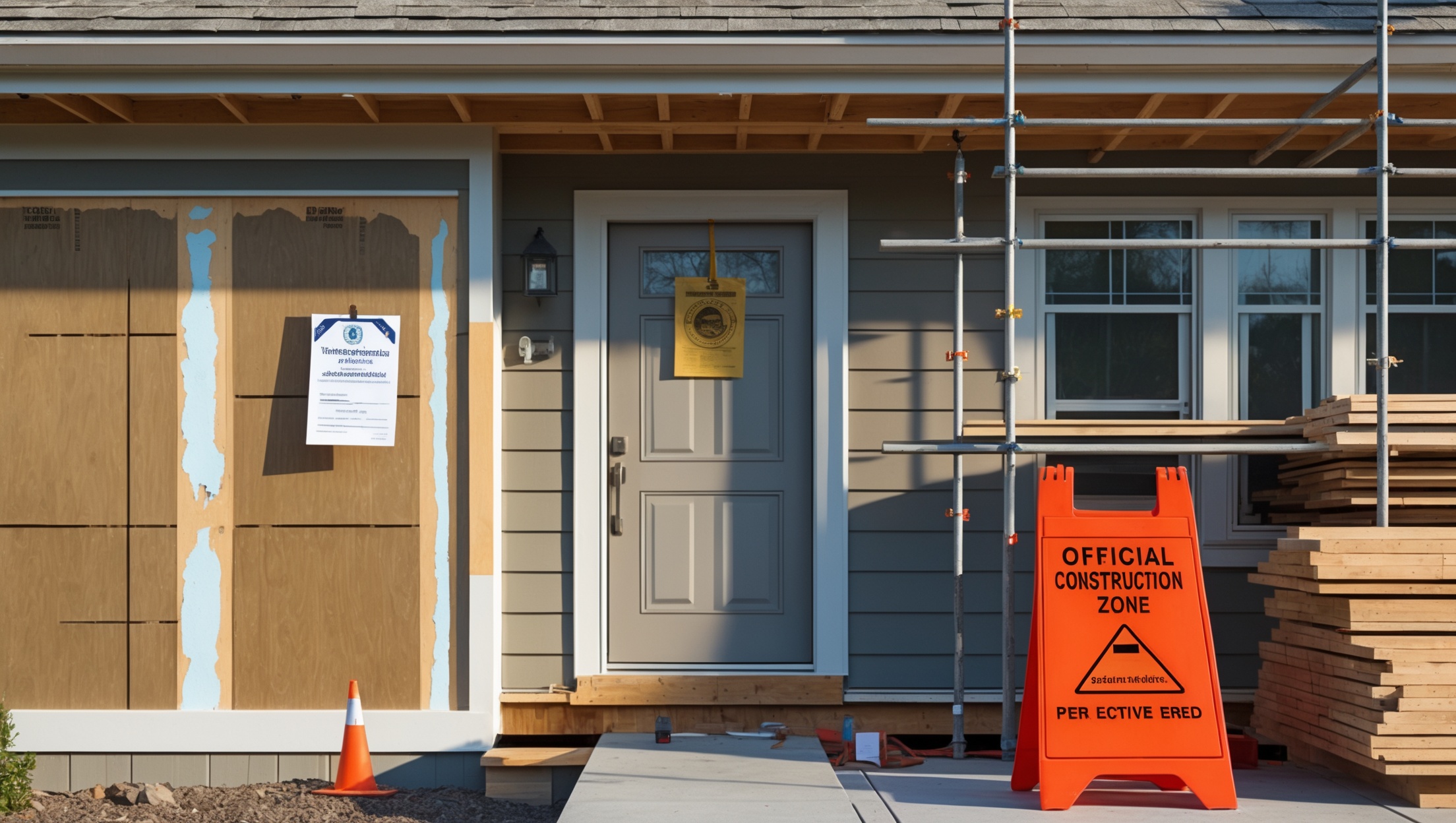
Navigating Real Estate Permit Pitfalls: Avoiding Delays and Costly Fines
Introduction: Why Permits Matter in Real Estate
Permits are more than just paperwork—they are your shield against legal headaches, dangerous work, and expensive project setbacks. Yet, countless real estate owners, flippers, and investors underestimate the importance of proper permitting or fall victim to confusing processes. The result? Costly delays, unexpected fines, forced tear-downs, and even threats to future property sales. Every municipality enforces its own rules, and permit requirements can shift frequently. Whether you’re renovating a rental, adding an extension, or simply swapping out a water heater, understanding the permit landscape is not just good practice—it’s a necessity for protecting your investment and reputation. This guide walks you through the most common real estate permit pitfalls, the different types of permits you may encounter, the step-by-step process to secure compliance, and actionable strategies to keep your projects on track and within budget. By mastering these essentials, you’ll minimize risk, avoid costly surprises, and ensure your property value remains intact.
Main Permit Pitfalls in Real Estate Projects
1. Underestimating When a Permit Is Needed
One of the most frequent—and expensive—mistakes in real estate is assuming that permits are only for large projects. In reality, permits may be required for:
- Electrical upgrades or rewiring
- Plumbing changes, including replacing water heaters or pipes
- Structural changes, such as moving walls or adding windows
- HVAC installations or modifications
- Roof replacements
- Exterior changes, including decks, fences, and sheds
Skipping permits for these seemingly minor tasks can lead to failed inspections, fines, and the need to undo or redo work at your expense.
2. Relying on Contractors to Handle Permits
It’s a common misconception that your contractor will always pull the necessary permits. While many reputable contractors include this in their service, not all do. Ultimately, the property owner bears legal responsibility. Always:
- Ask for copies of approved permits before work begins
- Confirm which party is responsible for permit applications in your contract
- Double-check permit status with your local building department
3. Not Accounting for Permit Timelines
Permits can take anywhere from a few days to several months, depending on the jurisdiction and project scope. Failing to plan for this can delay your project and affect budgets, especially in hot real estate markets where timing is critical.
- Research average permit turnaround times in your area
- Build buffer time into your project schedule
4. Overlooking Required Inspections
Most permits require one or more inspections at key stages of the work. Missing an inspection or failing it often means tearing out finished work to allow for a proper review, resulting in wasted money and time.
- Schedule inspections promptly
- Keep thorough documentation and photos of completed work
5. Ignoring Permit Fees in Budgeting
Permit fees can range from nominal to significant, especially for major renovations and additions. Some municipalities also charge impact fees or plan review fees. Failing to include these in your budget can result in financial stress or incomplete projects.
6. Not Closing Out Open Permits
Open permits can haunt property owners for years. Unresolved permits may surface during refinancing or sale, and buyers’ lenders will often require all outstanding permits to be closed. Always ensure you receive a final sign-off from the building department before considering a project complete.
Types of Real Estate Permits and Their Requirements
1. Building Permits
These cover structural changes, additions, and new construction. Requirements typically include detailed plans, zoning compliance, and sometimes engineering reports.
2. Electrical Permits
Required for any electrical system installation, upgrade, or major repair. A licensed electrician is often needed, and multiple inspections may be required.
3. Plumbing Permits
Needed for any work involving water supply lines, drains, sewage connections, or gas lines. Proper documentation and certified professionals are often mandated.
4. Mechanical/HVAC Permits
For the installation or modification of heating, cooling, and ventilation systems. Compliance with energy efficiency and safety standards is typically enforced.
5. Specialty Permits
These include permits for fences, decks, pools, garages, and accessory dwelling units (ADUs). Requirements vary widely; always consult your municipality’s permit office.
Step-by-Step Guide: Navigating the Permit Process
Step 1: Research Local Permit Requirements
Start by visiting your local city or county building department website. Review their published guides, forms, and FAQs. If details are unclear, call or visit in person to clarify your project’s requirements.
Step 2: Prepare Documentation
- Detailed project plans or blueprints
- Site surveys, if required
- Property ownership documents
- Contractor licenses and insurance certificates
Incomplete or inaccurate documentation is a leading cause of permit delays.
Step 3: Submit Application and Pay Fees
Applications can often be submitted online, by mail, or in person. Be prepared to pay all required fees upfront. Keep copies of all receipts and confirmation numbers.
Step 4: Respond to Plan Review Comments
The building department may request revisions or additional information. Respond promptly to avoid delays. Address all feedback thoroughly and resubmit as needed.
Step 5: Obtain Permit and Display Onsite
Once approved, permits must be posted visibly at the job site. Inspectors will look for these during visits.
Step 6: Schedule and Pass Required Inspections
Inspections may be required at various stages (e.g., rough framing, electrical rough-in, final completion). Schedule these as soon as milestones are reached. Never cover up work before it’s been inspected and approved.
Step 7: Obtain Final Approval and Close Permit
After all work and inspections are complete, request a final inspection. Obtain written confirmation that the permit is closed. Store this documentation for your records and future transactions.
Common Myths About Permits—Debunked
- Myth: “It’s easier to ask for forgiveness than permission.”
Reality: Unpermitted work can lead to forced demolition and large fines. Municipalities have broad authority to enforce compliance. - Myth: “Only large renovations need permits.”
Reality: Even small projects, like window replacements or new fences, often require permits. - Myth: “If the contractor says a permit isn’t needed, that’s good enough.”
Reality: The property owner is ultimately responsible for compliance—not the contractor. - Myth: “Unpermitted work won’t affect my ability to sell.”
Reality: Open or missing permits regularly derail real estate closings or lower property values.
Practical Tips for Staying Permit-Compliant
- Keep a project log: Document all permit applications, communications, and inspection results.
- Use licensed and insured contractors: Licensing is often a requirement for permit approval and protects you from liability.
- Work with a permit expediter for complex projects: These professionals navigate local bureaucracy and help streamline the process.
- Regularly review local code updates: Building codes and permit rules evolve; stay informed to avoid surprises.
- Budget for contingencies: Set aside extra funds for unexpected code requirements or plan review comments.
- Communicate with neighbors: Notify them of major work to avoid complaints that might trigger unwanted scrutiny from authorities.
Case Study: Avoiding Permit Disaster in a Rental Renovation
Consider the case of a small-time investor renovating a duplex for rental income. Eager to save time and money, the owner skips the permit for a kitchen remodel—installing new plumbing and rewiring to support updated appliances. Months later, a tenant reports flickering lights, prompting a city inspector to visit. The inspector discovers unpermitted work, issues a stop-work order, and fines the owner. The owner is forced to open up finished walls for inspection, redo several installations, and pay double permit fees as a penalty. The project, initially budgeted for three months, stretches to six, resulting in lost rental income and strained relationships with contractors and tenants. This scenario is surprisingly common—and entirely avoidable with proper permitting from the start.
Permit Pitfalls Checklist
- Verify permit needs before bidding or buying property
- Get written confirmation of permit responsibility in all contractor agreements
- Collect and store all permit documentation
- Schedule inspections promptly and keep detailed records
- Close out all permits before listing or refinancing property
Conclusion: Protecting Your Investments Through Proper Permitting
Permits are more than bureaucratic hurdles—they are essential tools for protecting property investments, ensuring safety, and maintaining legal compliance. Skipping or mishandling permits may seem like a shortcut but often leads to expensive and time-consuming consequences. By understanding the types of permits required for your projects, planning for fees and timelines, and taking full ownership of the process, you can avoid the most common pitfalls that trip up even experienced real estate professionals. Always research local requirements, work with reputable contractors, and keep thorough records of your permitting journey. Permit compliance not only helps you avoid fines and project delays but also preserves your property’s market value, makes transactions smoother, and builds a strong reputation in the real estate community. Whether you’re managing a single-family rental or a multi-unit development, mastering the permit process is one of the smartest investments you can make in your real estate career. Stay proactive, stay informed, and your projects—and profits—will thank you in the long run.