
How to Prepare a Real Estate Property for Wildfire Season: Prevention, Compliance, and Essential Upgrades
Introduction: The Rising Importance of Wildfire Preparedness in Real Estate
Wildfires are a growing threat to real estate properties across many regions, especially in the western United States, Australia, and parts of southern Europe. As climate change intensifies, wildfire seasons are becoming longer and more severe, putting more homes and investments at risk than ever before. For property owners, investors, and real estate professionals, understanding how to prepare a property for wildfire season is not just a matter of safety—it’s a critical factor in protecting property value, ensuring compliance with local regulations, and maintaining insurability.
This comprehensive guide explores the practical steps needed to prepare any real estate asset—whether single-family homes, vacation rentals, or investment properties—for the challenges of wildfire season. We’ll cover essential upgrades, defensible space creation, compliance with local fire codes, insurance considerations, and actionable maintenance strategies. By the end, you’ll have a clear, actionable plan to minimize wildfire risk, protect tenants and assets, and enhance your property’s appeal in high-risk areas.
Understanding Wildfire Risk: Is Your Property Vulnerable?
Key Risk Factors
Before taking action, it’s vital to assess the wildfire risk level of your property. Key factors include:
- Proximity to Wildland Areas: Properties near forests, grasslands, or shrublands face increased risk.
- Prevailing Weather Patterns: Hot, dry, and windy climates accelerate wildfire spread.
- Topography: Hills and canyons can draw wildfires toward properties more quickly.
- Building Materials: Flammable roofs, decks, and siding make homes more vulnerable.
- Landscaping Choices: Dense, unmaintained vegetation or wood mulch can act as fuel.
How to Assess Your Wildfire Risk
- Use online tools such as FEMA’s Wildfire Hazard Potential Map or local fire authority resources.
- Consult insurance providers for region-specific risk ratings.
- Request a property wildfire assessment from your local fire department or a certified wildfire mitigation specialist.
Creating Defensible Space: Your First Line of Defense
Defensible space is a buffer between a building and surrounding grass, trees, shrubs, or wildland area. Properly designed, it dramatically reduces the chance of home ignition during a wildfire.
Defensible Space Zones Explained
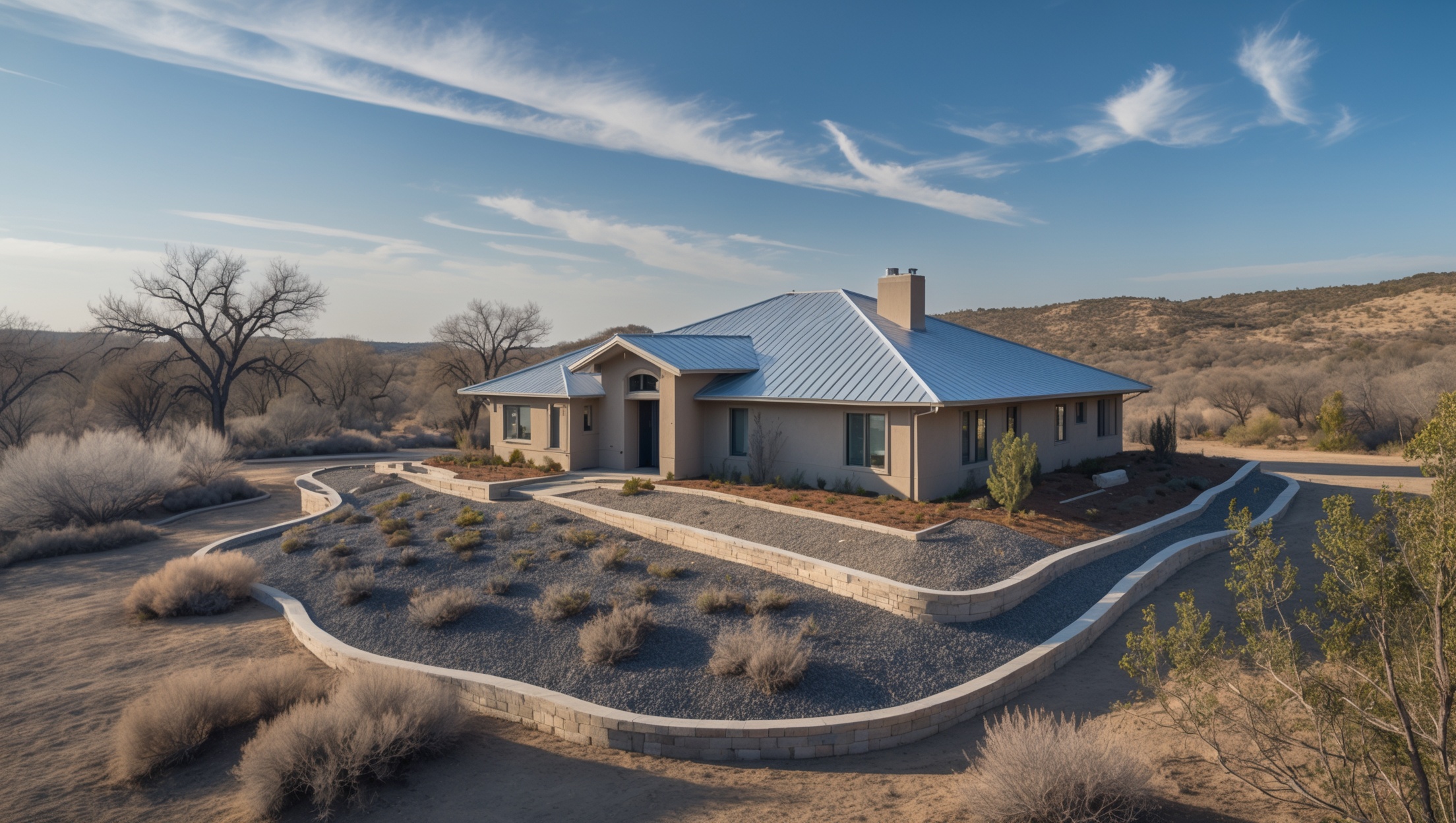
- Zone 0 (Immediate Zone: 0-5 feet): Remove all combustible materials. Use gravel, stone, or nonflammable ground covers. Keep this area clear of mulch, woodpiles, and plants that touch the structure.
- Zone 1 (Intermediate Zone: 5-30 feet): Space trees and shrubs, prune branches up to 6-10 feet from the ground, and remove ladder fuels (plants that let fire climb from ground to canopy).
- Zone 2 (Extended Zone: 30-100 feet): Mow grasses, thin trees, and remove dead plant material. Create driveways and walkways with nonflammable materials.
Practical Steps for Defensible Space
- Regularly clear roof and gutters of leaves and pine needles.
- Move woodpiles and propane tanks at least 30 feet from buildings.
- Replace wooden fencing that attaches to the home with metal fencing within 5 feet of structures.
- Install spark arresters on chimneys.
Upgrading Structures for Wildfire Resistance
Fire-Resistant Roofing and Siding
- Roofing: Replace wood shake or untreated shingle roofs with Class A fire-rated materials like asphalt shingles, metal, clay, or concrete tiles.
- Siding: Use fiber-cement, brick, stucco, or metal siding. Avoid untreated wood and vinyl, which can melt or ignite.
Windows and Vents
- Install double- or triple-paned tempered glass windows to reduce breakage from heat.
- Cover vents with 1/8-inch metal mesh to prevent ember entry.
- Use fire-rated doors, especially for garages and entryways.
Decks, Patios, and Outbuildings
- Construct or retrofit decks with fire-resistant materials like composite or metal.
- Remove debris and store furniture cushions indoors during fire season.
- Ensure outbuildings (sheds, garages) meet minimum defensible space requirements.
Landscaping for Fire Safety
Fire-Resistant Plant Selection
- Choose native, drought-tolerant, and low-resin plants such as yarrow, lavender, and succulents.
- Avoid highly flammable species: junipers, pine, eucalyptus, and ornamental grasses.
Maintenance Best Practices
- Keep lawns mowed short and well-hydrated.
- Remove dead branches, leaves, and plant litter regularly.
- Prune tree branches away from chimneys and roofs.
- Separate plantings with hardscape (gravel, stone, concrete) to break up fuel continuity.
Compliance and Permits: Meeting Local Wildfire Regulations
Understanding Local Codes
Many high-risk regions have adopted strict wildfire mitigation codes. These may include:
- Minimum defensible space requirements
- Mandated fire-resistant building materials
- Limits on landscaping materials and types
- Routine fire safety inspections for rental properties
How to Ensure Compliance
- Contact your local planning or building department for current wildfire ordinances.
- Obtain necessary permits before major landscaping or structural upgrades.
- Document all work and retain receipts in case of insurance or code enforcement inquiries.
- Schedule periodic property assessments, especially before listing a property for sale or rent.
Insurance Essentials: Wildfire Coverage and Documentation
Understanding Policy Limits and Exclusions
- Review your homeowner’s or landlord’s insurance policy for specific wildfire coverage.
- Be aware of exclusions—some policies may not cover landscaping, fences, or outbuildings.
- Consider additional riders for high-value or unique properties.
Steps to Maintain Insurability
- Implement recommended defensive upgrades—insurers may require proof for continued coverage.
- Photograph and inventory all property improvements and possessions.
- Keep digital and offsite backups of insurance documents and records.
- Ask your insurer about discounts for certified wildfire mitigation efforts, such as Firewise USA® participation.
Emergency Preparedness: Planning for Wildfire Events
Evacuation Planning
- Establish a clear evacuation route and communicate it to all occupants or tenants.
- Keep emergency kits stocked and accessible, including essentials like water, food, masks, and first aid.
- Practice evacuation drills and educate residents about local alert systems.
Property Preparation Checklist
- Close all windows and doors (but leave unlocked for first responders).
- Shut off gas and propane at the source.
- Move flammable outdoor furniture and decorations indoors.
- Connect garden hoses to exterior taps for first responder use.
Budgeting for Wildfire Mitigation: Cost Breakdown and ROI
Typical Costs
- Defensible space creation: $1,000–$5,000 for professional clearing and landscaping, depending on property size and vegetation density.
- Roof replacement: $8,000–$20,000+ for fire-resistant materials (average single-family home).
- Upgrading windows and vents: $4,000–$12,000 for tempered glass windows and metal vent covers.
- Fire-resistant landscaping: $2,000–$10,000 for plant removal, new plantings, and hardscape installation.
Maximizing ROI
- Properties with visible wildfire mitigation features sell faster and at higher prices in high-risk regions.
- Insurance savings may offset upgrade costs over several years.
- Reduced risk of catastrophic loss or liability claims.
Wildfire Safety Checklist for Property Owners
- Clear roof and gutters of debris monthly during fire season.
- Maintain defensible space zones as outlined above.
- Store firewood, propane tanks, and combustible materials at least 30 feet from structures.
- Inspect and repair roofs, siding, and decks annually.
- Replace or upgrade windows, vents, and doors as needed.
- Keep a current inventory of property improvements and insurance documents.
- Communicate emergency plans to all residents or tenants.
Conclusion: Protecting Property Value and Peace of Mind
Preparing your real estate property for wildfire season is about much more than meeting legal requirements or checking off a list. It’s a proactive investment in safety, resilience, and long-term property value. By taking strategic, practical steps—like creating defensible space, investing in fire-resistant upgrades, maintaining compliance with local codes, and securing proper insurance—you not only mitigate the risk of catastrophic loss but also position your property as a desirable, secure asset in a competitive market.
Wildfire threats are not going away, but with thoughtful preparation, you can dramatically reduce your property’s vulnerability and ensure that you, your tenants, and your investment are protected. Start by assessing your current risk, develop a prioritized action plan, and commit to ongoing maintenance and education. Whether you own a single rental unit, manage a portfolio of investment properties, or advise clients in high-risk areas, wildfire preparedness is a non-negotiable part of modern real estate stewardship.
Take action today—because the best defense against wildfire begins long before smoke is on the horizon.
2 thoughts on “How to Prepare a Real Estate Property for Wildfire Season: Prevention, Compliance, and Essential Upgrades”
Leave a Reply

Related Posts
Navigating Asbestos in Real Estate: Identification, Compliance, and Safe Remediation

How to Set Up a Secure Smart Lock System in Rental Properties: Step-by-Step Guide and Maintenance Tips

I noticed the article mentions that flammable building materials like wood siding and decks can increase wildfire vulnerability. Are there specific materials or upgrades you recommend for someone on a tight budget who still wants to make their home more fire-resistant?
If you’re on a tight budget, consider using fire-resistant treatments on existing wood surfaces, which can help slow ignition. You can also replace or cover vulnerable areas with affordable materials like fiber cement board or metal flashing, especially around decks and siding edges. Keeping vegetation trimmed and gutters clean also makes a big difference in reducing wildfire risk without major expenses.