Insurance Essentials for Multifamily Property Owners: Policies, Pitfalls, and Risk Management
Introduction: Why Insurance for Multifamily Properties is Non-Negotiable
Owning a multifamily property—whether it’s a duplex, triplex, or a 30-unit apartment complex—comes with unique risks and responsibilities. Unlike single-family rentals, multifamily buildings are high-value investments that host multiple tenants, face higher occupancy turnover, and present a complex web of liability exposures. Fires, water damage, theft, vandalism, slip-and-fall accidents, and even lawsuits can happen at any time, and the financial impact can be catastrophic if you’re not adequately insured. Yet, many property owners either misunderstand their insurance needs or unknowingly leave costly gaps in coverage. This guide is designed to help you, the multifamily property owner or aspiring investor, navigate the insurance landscape with confidence. We’ll break down the essential types of policies, address common pitfalls, and provide actionable risk management tips to keep your investment secure and profitable.
Understanding Multifamily Property Insurance: The Basics
What Qualifies as a Multifamily Property?
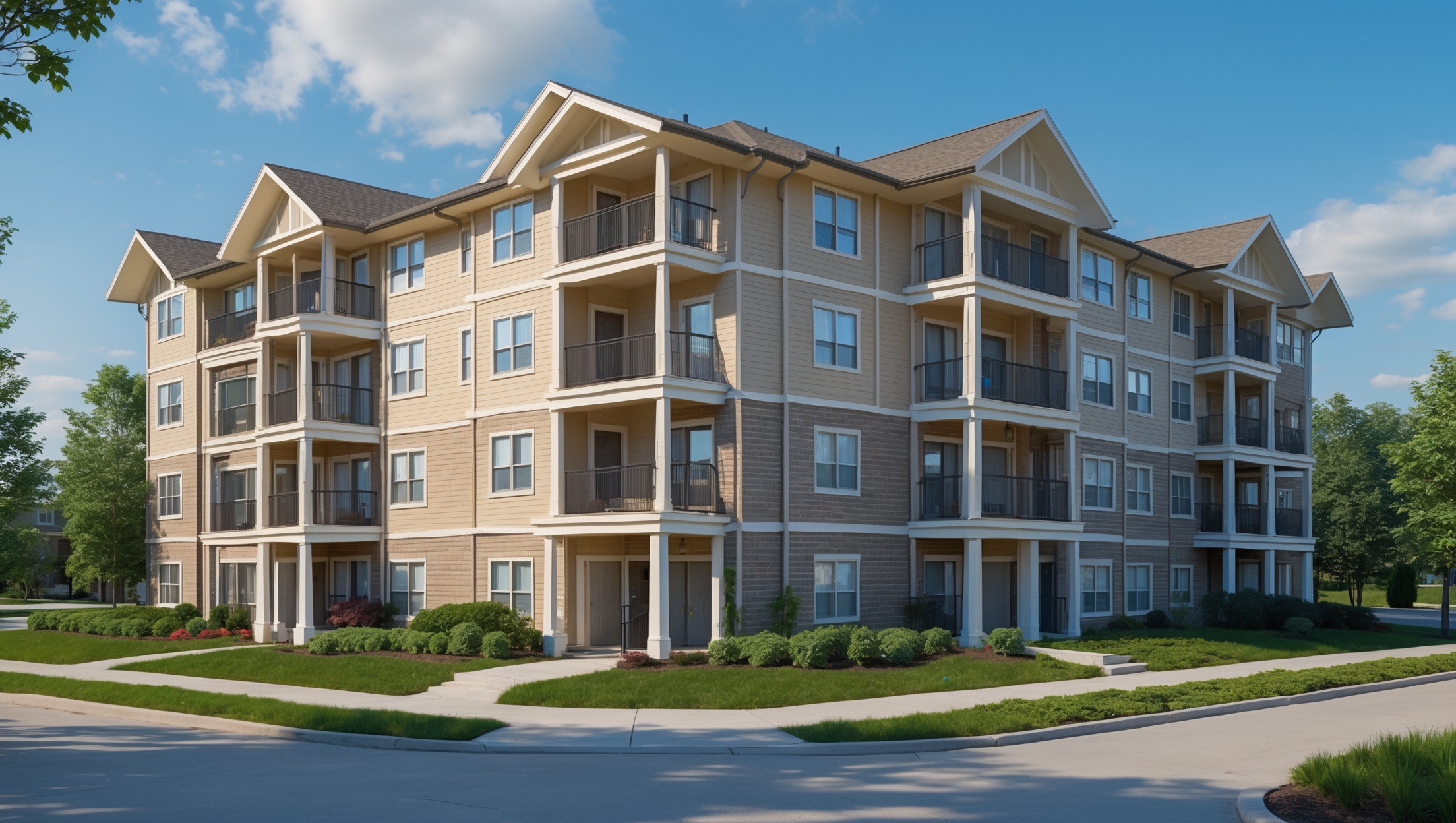
Multifamily properties are residential buildings designed to house multiple families in separate units under a single roof or complex. These range from duplexes and triplexes to large apartment buildings and mixed-use developments. Insurance requirements and risk profiles differ significantly from those of single-family homes due to the number of units, shared spaces, and increased liability exposure.
The Unique Risks of Multifamily Real Estate
- Multiple Tenants: More occupants mean more potential for accidents, property damage, and liability claims.
- Common Areas: Shared hallways, lobbies, staircases, gyms, and laundry rooms increase risk exposure.
- Maintenance Complexity: Larger systems and infrastructure (HVAC, elevators, boilers) can fail and cause significant losses.
- Legal and Regulatory Risks: Local ordinances may require specific liability coverage or endorsements.
Core Insurance Policies Every Multifamily Owner Needs
1. Property Insurance (Building Coverage)
This is the foundation of your insurance portfolio. Property insurance covers the physical structure of your building(s) against risks such as fire, storm damage, vandalism, and certain types of water damage. Policies can be written as:
- Basic Form: Covers a limited set of named perils.
- Broad Form: Expands coverage to include more perils.
- Special Form (All-Risk): Covers all perils except those specifically excluded.
Always insure for full replacement cost, not just market value, to avoid underinsurance penalties.
2. General Liability Insurance
This policy protects you from lawsuits if someone is injured on your property or if you’re held responsible for property damage to others. Typical coverage includes:
- Bodily injury claims (e.g., slip and fall in a common area)
- Property damage claims (e.g., a tree from your property damaging a neighbor’s car)
- Legal defense costs
Minimum recommended coverage is $1 million per occurrence / $2 million aggregate, but higher limits are prudent for larger properties.
3. Loss of Rental Income (Business Interruption)
If a covered loss (like a fire) makes the building uninhabitable, loss of rental income coverage reimburses you for lost rents during repairs. Ensure the policy covers the full estimated restoration period and current market rents.
4. Equipment Breakdown Insurance
Also known as boiler and machinery coverage, this protects against costly repairs or replacement of major systems like elevators, boilers, central HVAC, and electrical panels due to mechanical or electrical breakdown—not just traditional accidents.
5. Umbrella / Excess Liability Insurance
This policy sits on top of your general liability and auto policies, providing additional coverage once underlying limits are exhausted. Lawsuits and catastrophic events can easily exceed primary coverage; an umbrella policy helps safeguard your assets.
6. Ordinance or Law Coverage
If a loss requires you to upgrade or rebuild to current building codes (which can be costly), this coverage pays for the increased costs not covered by standard property insurance.
7. Crime and Employee Dishonesty Insurance
Covers losses from theft, fraud, or dishonest acts by employees, property managers, or contractors. This is vital if you have onsite staff handling rents, keys, or maintenance supplies.
Optional and Specialized Coverages to Consider
Flood Insurance
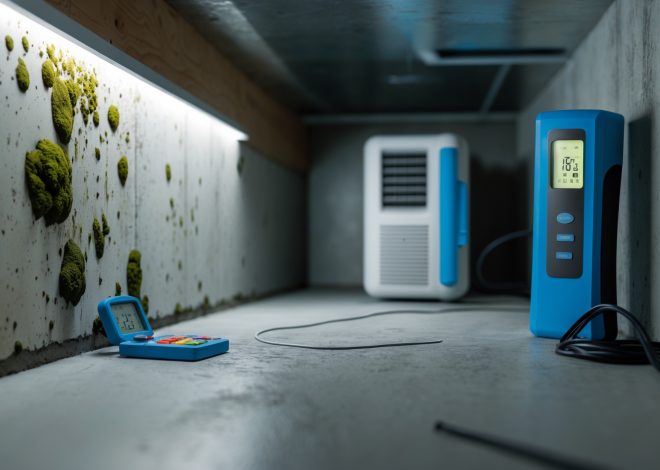
Standard property insurance excludes flood damage. If your property is in or near a flood zone, purchase FEMA-backed or private flood insurance. Even properties outside high-risk zones can suffer flood losses.
Earthquake Insurance
If your building is in a seismic area, consider earthquake coverage. Like flood, this is typically excluded from basic property policies.
Builder’s Risk Insurance
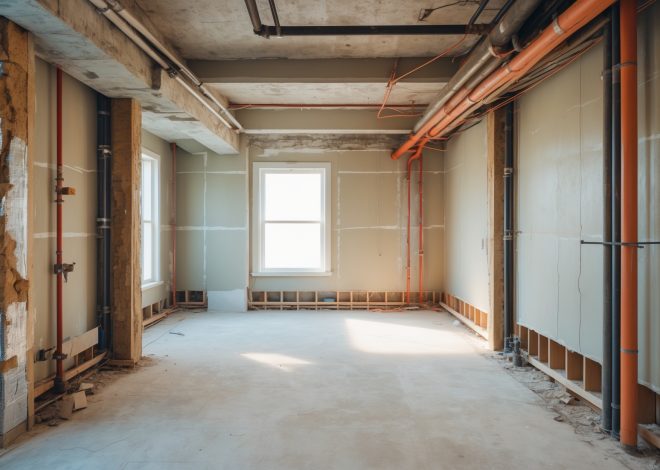
If you’re renovating, converting, or building new multifamily units, you need builder’s risk insurance to cover damage during construction.
Tenant Discrimination Liability
Protects against claims of wrongful eviction, discrimination, or failure to accommodate under the Fair Housing Act or ADA. These lawsuits are increasingly common and costly.
Workers’ Compensation
If you have employees (onsite managers, maintenance staff), you are legally required in most states to carry workers’ comp insurance. Don’t rely on subcontractor coverage alone—verify certificates and legal compliance.
Common Insurance Pitfalls for Multifamily Owners
Underinsuring the Property
Many owners insure for purchase price or loan amount, not replacement cost. Rising construction costs can leave you underinsured and responsible for major out-of-pocket expenses after a loss. Work with your agent to determine accurate replacement values and review regularly.
Missing Ordinance or Law Endorsements
After major damage, you may be required to upgrade undamaged portions of your building to meet current codes (elevators, sprinklers, accessibility). Standard coverage does not pay for these costs—only ordinance or law endorsements do.
Ignoring Vacancy Clauses
Most property policies restrict or exclude coverage if your building is vacant for more than 30-60 days. If you anticipate prolonged vacancy (e.g., during renovations), notify your insurer and arrange proper coverage.
Insufficient Liability Limits
Medical costs and jury verdicts are rising. A single major injury lawsuit can exceed $1 million. Always consider umbrella coverage for added protection.
Not Requiring Tenant Renters Insurance
Tenants’ personal belongings and liability are not covered under your policy. Require tenants to carry renters insurance with minimum liability limits and name you as an additional insured or interested party. This reduces disputes and claims against your policy.
Assuming Property Managers Are Fully Insured
Don’t assume your property manager’s policy covers your building or their actions on your behalf. Require certificates of insurance listing your property, and verify liability and fidelity (crime) coverage.
Step-By-Step: Building a Comprehensive Insurance Plan
1. Inventory Your Property and Risks
- List all buildings, units, amenities, and common areas.
- Identify high-value equipment (HVAC, elevators, boilers, security systems).
- Assess location risks: flood zone, earthquake zone, crime rates.
- Review staffing: employees, contractors, property managers.
2. Work With a Specialist Insurance Broker
Choose an agent experienced with multifamily properties. They can access commercial carriers and tailor a package that fits your needs, not just generic landlord policies.
3. Review and Compare Policies Carefully
- Confirm replacement cost, not actual cash value coverage.
- Check all exclusions, sublimits, and deductibles.
- Verify business interruption coverage for at least 12-18 months of rental income.
4. Require Tenant and Contractor Insurance
- Make renters insurance mandatory in lease agreements.
- Obtain certificates of insurance from contractors and property managers before work starts.
- Check for adequate limits and additional insured status.
5. Reassess Annually and After Major Changes
- Update property values and coverage after renovations or market changes.
- Review risk exposure annually with your broker.
- Adjust policies if you add amenities (gyms, pools) or take on new liabilities.
Risk Management Strategies to Lower Premiums and Claims
Implement Regular Maintenance Programs
Proactive upkeep prevents major losses. Establish and document regular inspections of roofs, plumbing, electrical, and fire protection systems. Address hazards (loose railings, trip hazards) immediately to reduce claims.
Install Safety and Security Features
- Well-lit exterior and common areas
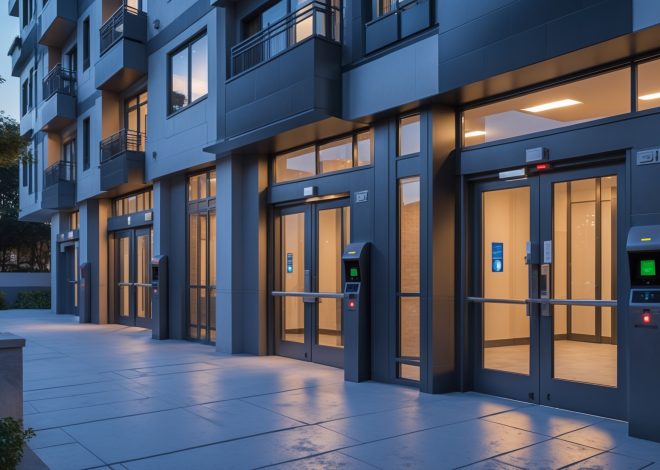
- Security cameras and controlled access systems
- Smoke and carbon monoxide detectors in all units and common areas
- Fire suppression systems (sprinklers, extinguishers)
Notify your insurer about improvements—many offer premium discounts for loss prevention measures.
Vet Tenants Thoroughly
Screen tenants for credit, background, and rental history. Reliable tenants are less likely to cause damage or file liability claims. Document all tenant communications and maintenance requests for your records.
Train Staff and Set Clear Policies
Educate employees and property managers on emergency protocols, safety rules, and documentation. Implement clear policies for handling maintenance, tenant complaints, and access to units.
Case Study: Avoiding Disaster Through Proper Coverage
Scenario: An owner of a 12-unit apartment building experienced a fire that damaged half the property. Fortunately, their insurance package included ordinance or law coverage, business interruption insurance, and replacement cost coverage. The policy paid the full rebuild cost, covered code upgrades for a new sprinkler system, and covered 14 months of lost rental income while tenants were relocated. Thanks to careful planning, the owner avoided financial ruin and retained tenant goodwill.
Contrast: A neighboring building owner, insured only for the loan amount and lacking extra endorsements, faced a six-figure shortfall and lengthy legal battles with tenants and the city.
Frequently Asked Questions
How are insurance premiums calculated for multifamily properties?
Premiums depend on building size, construction type, location, claims history, coverage limits, and installed safety features. Older buildings or those in high-risk areas cost more to insure. Bundling policies and demonstrating risk mitigation can lower rates.
Does my HOA or condo association insurance cover my unit?
If you own a unit in a multifamily condo, the association policy typically covers the structure and common areas. However, you need an HO-6 policy for interior walls, fixtures, improvements, and personal liability.
What should I do if my insurer denies a claim?
Request a written explanation, review your policy documents, and consult with your insurance broker or an attorney specializing in insurance disputes. Documentation and maintenance records are critical for successful claims.
Conclusion: Protecting Your Multifamily Investment
Multifamily properties are powerful wealth-building assets, but they come with significant risks that demand proactive, comprehensive insurance planning. The right insurance program is not a static, one-time purchase—it’s a dynamic part of your overall risk management strategy. By understanding the essential coverage types, avoiding common pitfalls, and implementing strong loss prevention practices, you’ll not only protect your property and income but also foster a safer, more stable environment for your tenants. Take the time to work closely with experienced insurance professionals, conduct annual reviews, and stay informed about changes in building codes and legal requirements. Remember: cutting corners on insurance or relying on bare-minimum policies may save dollars upfront but can lead to devastating losses in the event of a disaster or lawsuit. Protect your investment, your reputation, and your peace of mind by making insurance a top priority in your multifamily ownership journey. The upfront effort and expense are minor compared to the security and resilience you’ll gain in the long run.