Real Estate HVAC Systems: Maintenance, Upgrades, and Cost Planning for Property Owners
Introduction: Why HVAC Matters in Real Estate
For real estate owners, whether you manage a single rental unit, a multifamily portfolio, or commercial properties, the HVAC (Heating, Ventilation, and Air Conditioning) system is more than just a background feature. It’s a central pillar of tenant comfort, regulatory compliance, and property value. Yet, HVAC systems are often misunderstood and neglected—until a breakdown leads to costly emergency repairs, dissatisfied tenants, or even legal trouble.
This comprehensive guide dives deep into the essentials of HVAC system maintenance, smart upgrade strategies, and realistic cost planning. We’ll cover actionable steps for routine upkeep, signs it’s time for an upgrade, budgeting for replacements, energy efficiency options, and how to avoid common pitfalls. By understanding your HVAC system and proactively managing it, you can extend its lifespan, optimize energy costs, maintain tenant satisfaction, and position your property as a competitive option in any market.
Understanding Your Property’s HVAC System
Types of HVAC Systems Common in Real Estate
- Split Systems: The most common residential setup, with an outdoor condenser and indoor air handler.
- Packaged Systems: All-in-one units, often installed on rooftops for commercial or multifamily buildings.
- Ductless Mini-Split Systems: Increasingly popular for renovations and multifamily properties where ductwork is impractical.
- Heat Pumps: Provide both heating and cooling; valuable in moderate climates and for energy efficiency.
- Boilers and Radiators: Older systems, often found in historic or multi-unit properties.
Key Components to Know
- Furnace or Air Handler: Delivers heated or cooled air.
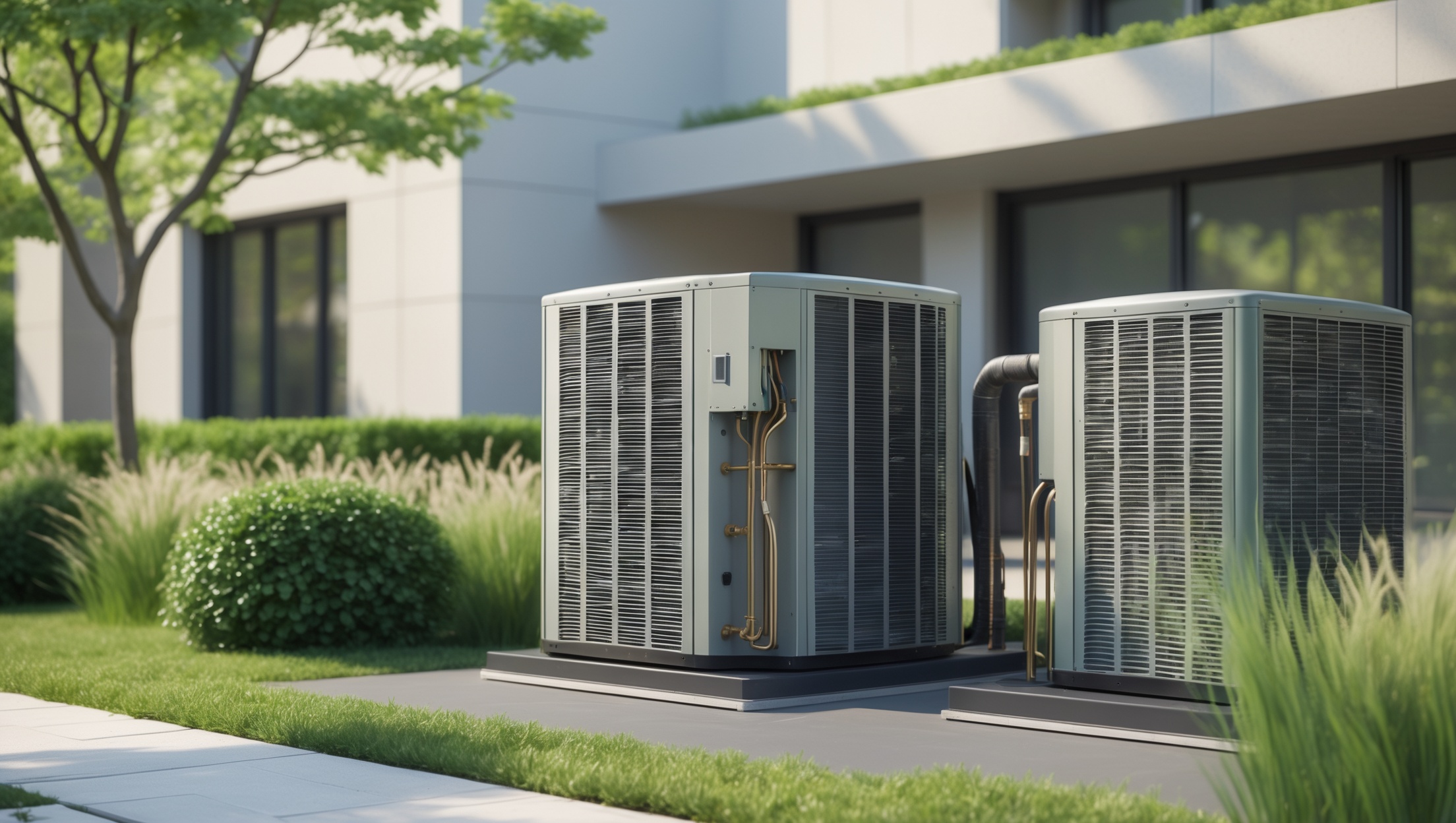
- Compressor/Condenser: Located outdoors, responsible for cooling.
- Evaporator Coil: Absorbs heat from indoor air.
- Ductwork: Distributes air throughout the property.
- Thermostat: Controls system operation.
Routine Maintenance: Best Practices for Owners
Seasonal Maintenance Checklist
- Spring/Summer (Cooling Season):
- Replace or clean air filters (monthly during peak use).
- Inspect and clear debris from outdoor condenser units.
- Check refrigerant levels and lines for signs of leaks.
- Test thermostat operation and calibrate if needed.
- Clean evaporator and condenser coils.
- Ensure all vents and registers are unobstructed.
- Fall/Winter (Heating Season):
- Replace or clean air filters again.
- Inspect furnace burners and flame sensors.
- Test safety controls and carbon monoxide detectors.
- Check ductwork for leaks, seal if necessary.
- Lubricate moving parts as specified by manufacturer.
Annual Professional Maintenance
- Schedule a certified HVAC technician to perform a full system inspection and tune-up annually.
- Request detailed reports including efficiency readings, refrigerant charge, and safety checks.
- Keep records for warranty validation and future property sale disclosures.
DIY Maintenance Tasks for Owners
- Regularly check and change filters—clogged filters strain the system and reduce air quality.
- Keep outdoor units free of leaves, grass, and debris for optimal airflow.
- Monitor thermostat batteries and settings.
- Visually inspect ductwork for visible gaps or damage.
Signs Your HVAC System Needs Repair or Replacement
- Rising energy bills with no change in usage patterns.
- Uneven heating or cooling across rooms or units.
- Unusual noises—grinding, squealing, rattling, or banging.
- Frequent cycling on and off, or system fails to reach set temperature.
- Visible leaks, rust, or moisture around equipment.
- Poor indoor air quality—excess dust, humidity issues, or odors.
- System age: Most HVAC units last 10–15 years; beyond this, repairs may not be cost-effective.
Budgeting for HVAC Expenses: Repair, Replacement, and Upgrades
Typical Costs Owners Should Expect
- Annual Maintenance (per unit): $150–$400
- Minor Repairs (thermostats, capacitors, relays): $100–$500
- Major Repairs (compressor, blower motor): $800–$2,500
- Full Replacement (split system): $5,000–$12,000 for a typical residential property; $10,000+ for commercial or large multifamily systems
- Ductwork repair/replacement: $1,500–$5,000 (depends on layout and accessibility)
- Thermostat upgrades (smart thermostats): $150–$400 per unit installed
Costs vary by region, system size, and accessibility. Always obtain multiple quotes for significant repairs or replacements.
Budgeting Strategies
- Set aside 1–2% of property value annually for system maintenance and eventual replacement.
- Consider a sinking fund for properties with aging systems.
- Factor in energy rebates or tax credits for high-efficiency upgrades.
- Regular preventive maintenance can reduce the risk of costly emergency repairs by 30% or more.
Upgrading Your HVAC System: When and How
Key Reasons to Upgrade
- System is 10–15 years old or frequently breaking down.
- High energy bills due to low efficiency (SEER rating below 13 for cooling, AFUE below 80% for heating).
- Tenant complaints or difficulty attracting/retaining tenants.
- Desire to improve property value before sale or refinance.
- Regulatory compliance for carbon emissions or building codes.
Choosing the Right System for Your Property
- Evaluate property size, layout, and insulation.
- Consult with HVAC professionals for load calculations—not just square footage, but also window placement, occupancy, and climate.
- Consider ductless solutions for additions or units without existing ductwork.
- For multifamily or commercial properties, explore zoned systems or variable refrigerant flow (VRF) technology for tailored comfort and efficiency.
Smart Upgrades for Modern Properties
- Install programmable or smart thermostats for remote control and energy savings.
- Upgrade to high-efficiency filters and indoor air quality add-ons (UV lights, humidifiers, dehumidifiers).
- Choose ENERGY STAR-rated systems for maximum rebates and long-term savings.
- Consider heat pumps for properties in moderate climates—many models provide both heating and cooling at lower operating costs.
Permits and Compliance for HVAC Upgrades
- Most jurisdictions require permits for major HVAC replacements or upgrades. Always check local codes before starting work.
- Use licensed contractors and obtain final inspections, especially if selling or refinancing the property soon.
- Keep documentation for warranties, insurance claims, and future disclosures to buyers or tenants.
Energy Efficiency and Cost Savings
Calculating ROI on Upgrades
- Compare new system costs to projected energy savings—many high-efficiency systems pay for themselves in 5–8 years.
- Use manufacturer and utility calculators to estimate annual savings based on local energy prices.
Simple Ways to Improve Efficiency
- Seal leaks in ductwork and around windows/doors.
- Upgrade insulation in attics and crawl spaces.
- Install ceiling fans to improve air circulation.
- Shade outdoor condenser units if possible (without blocking airflow).
- Educate tenants on the importance of not blocking vents or adjusting thermostats excessively.
Common HVAC Myths Debunked for Property Owners
- “Bigger is always better.” Oversized systems cycle too frequently, wasting energy and leading to uneven comfort.
- “Closing vents saves energy.” Closing supply vents can actually increase duct leaks and reduce overall system efficiency.
- “Maintenance is only needed when there’s a problem.” Skipping routine service accelerates wear and increases the risk of breakdowns.
- “All filters are the same.” Using the wrong filter type can reduce air quality or strain the blower motor.
Safety Checklist: Protecting Occupants and Your Investment
- Install and regularly test carbon monoxide detectors near sleeping areas and utility rooms.
- Keep flammable objects away from all HVAC equipment.
- Ensure all equipment is properly grounded.
- Schedule combustion appliance safety checks annually.
- Post emergency shut-off instructions in utility areas for tenants.
- For properties with gas heat, inspect gas lines and pilot lights for leaks or corrosion.
Case Study: Multifamily HVAC Upgrade and ROI
A 12-unit apartment building in the Midwest faced rising energy costs and tenant complaints about uneven heating and cooling. After a professional assessment, the owner invested $45,000 in a new VRF system, zoned controls, and smart thermostats for each unit. The upgrade reduced annual energy costs by 32% and cut maintenance calls by 60%. Tenants reported higher satisfaction, occupancy increased, and the property’s appraised value rose by $95,000 within two years.
Conclusion: Proactive HVAC Management Pays Off
HVAC systems represent one of the most significant investments—and potential liabilities—for any real estate owner. Proactive maintenance preserves system lifespan, controls costs, and keeps tenants happy. Timely upgrades can dramatically improve energy efficiency, reduce repair headaches, and boost property value, while compliance with local regulations and safety best practices shields you from fines and legal issues.
For owners, the right approach is a balanced one: invest in regular, documented maintenance, monitor system performance, and plan ahead for upgrades based on lifecycle and evolving tenant expectations. By budgeting realistically, leveraging energy rebates, and staying informed about modern HVAC solutions, you’ll position your property for long-term success in a competitive market. Don’t wait for a crisis—start managing your HVAC assets today for greater comfort, safety, and profitability tomorrow.