
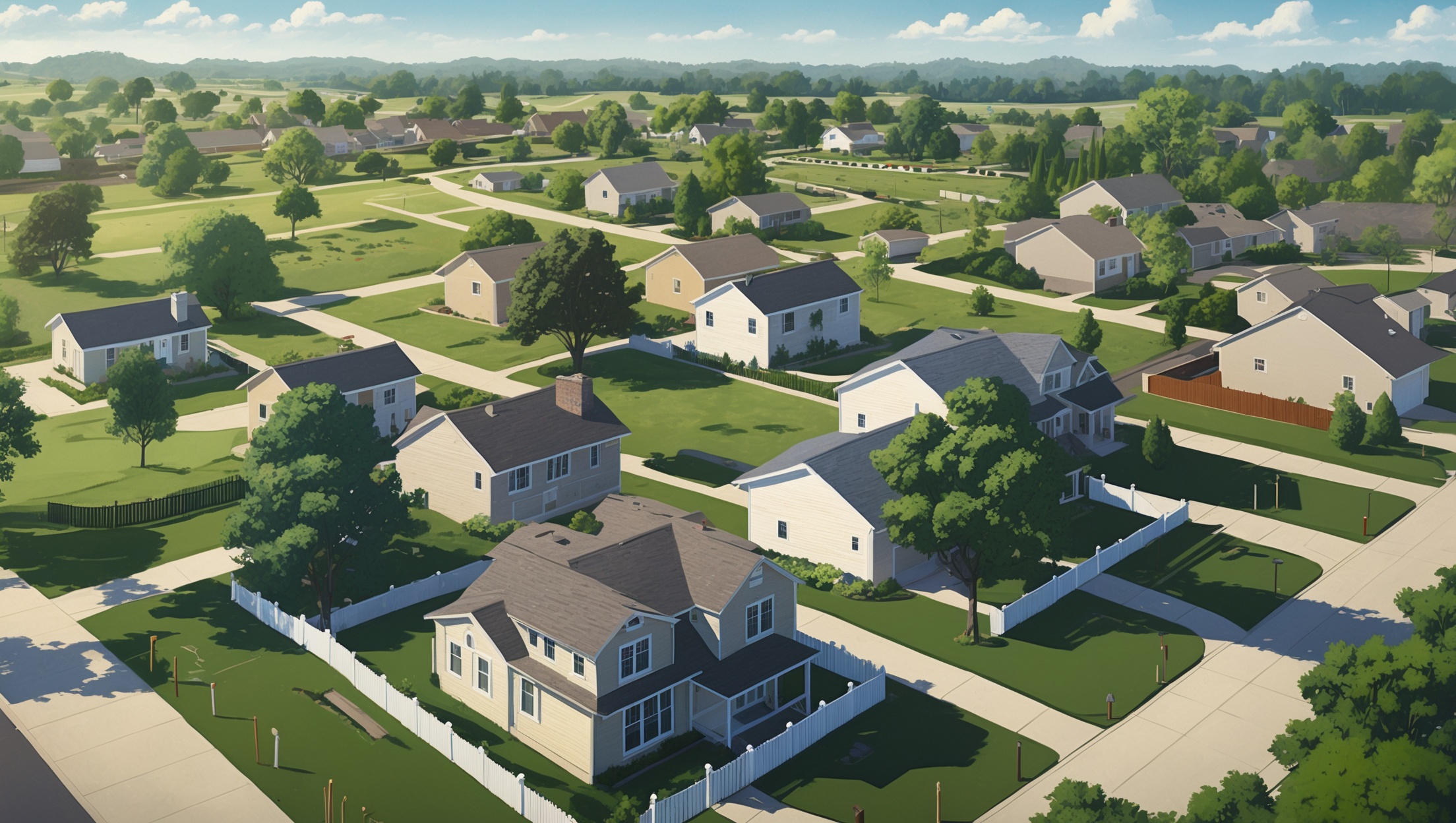
Property Boundary Disputes: Prevention, Resolution, and Legal Considerations for Real Estate Owners
Introduction: Why Property Boundary Disputes Matter in Real Estate
Whether you’re a seasoned investor or a first-time homebuyer, understanding property boundaries is fundamental to protecting your real estate investment. Boundary disputes are among the most common — and potentially costly — conflicts property owners face. A disagreement over a few inches of land can escalate into protracted legal battles, stress, and significant financial losses. In some cases, disputes can cloud titles, delay sales, or even halt construction and improvement projects. Unfortunately, many owners only realize the importance of clear boundaries after a problem arises with a neighbor, a contractor, or during a transaction.
This comprehensive guide demystifies property boundary disputes, focusing on practical prevention, effective resolution strategies, and crucial legal considerations. You’ll learn how to proactively protect your interests, work constructively with neighbors, and know when professional assistance is necessary. By the end, you’ll be equipped to safeguard your property lines, avoid common pitfalls, and maintain good neighborly relations — all while preserving the value of your real estate asset.
Understanding Property Boundaries: The Basics
What Defines a Property Boundary?
Property boundaries are the legal lines that define the extent of a parcel of land. In real estate, these lines are established via legal descriptions in deeds, subdivision plats, and government records. Boundaries may be marked physically (fences, walls, hedges, survey stakes), but these markers don’t always correspond with legal boundaries — a critical distinction that often leads to disputes.
Common Causes of Boundary Disputes
- Inaccurate or outdated surveys: Older surveys may not reflect current conditions or improvements.
- Encroachments: Structures, fences, driveways, or landscaping that cross a property line.
- Ambiguous legal descriptions: Deeds may use unclear language or refer to outdated landmarks.
- Adverse possession claims: Long-term, open use of land by a neighbor can create legal rights.
- Title errors: Mistakes in recording or transferring property can cloud boundaries.
Prevention: Proactive Steps to Avoid Boundary Disputes
Obtain a Professional Land Survey
A current, certified boundary survey is your single best tool for preventing disputes. Hire a licensed land surveyor to locate and mark property lines, referencing both your deed and public records. Request a detailed drawing (plat) and, if possible, permanent markers (e.g., iron rods).
- Review the survey with your neighbors to preempt misunderstandings.
- Keep copies of the survey plat in your records for future reference and transactions.
Review Legal Descriptions and Title Documents
Carefully examine your deed and title insurance policy. Look for:
- Clear, unambiguous descriptions of your property boundaries.
- References to landmarks, monuments, or survey points.
- Any recorded easements, right-of-ways, or restrictions that may affect your use.
If you find confusing or conflicting information, consult a real estate attorney or title company before making improvements or sales.
Communicate with Neighbors
Open, proactive communication with adjacent property owners is invaluable. Notify neighbors before building fences, planting trees, or making improvements near boundaries. Share survey results and work collaboratively to address any uncertainties before they become conflicts.
Install Physical Markers Wisely
While fences and hedges are common boundary indicators, always verify you’re building within your own property lines. Leave buffer space when possible, and choose markers that are durable, visible, and compliant with local codes. Document the installation with photos and notes.
Document Improvements
Keep thorough records of all boundary-adjacent improvements, including contractor plans, permits, surveys, and before-and-after photos. This documentation protects your interests if a neighbor later claims encroachment or damage.
Identifying and Responding to a Boundary Dispute
Early Warning Signs
- Neighbors installing fences, walls, or landscaping near your perceived boundary without consulting you.
- Disagreements about the use or maintenance of land near the edge of your property.
- Discrepancies uncovered during a survey, appraisal, or sale.
- Receiving a demand letter or notice from a neighbor or their attorney.
Initial Steps When a Dispute Arises
- Stay calm and professional; avoid confrontational language or actions.
- Review your deed, survey, and any related documentation.
- Politely request similar records from your neighbor for comparison.
- Document the current situation with photos and notes.
- Do not alter, destroy, or move any disputed markers until the issue is resolved.
When to Seek Professional Help
Contact a licensed land surveyor if there’s uncertainty about the boundary’s location. Engage a real estate attorney if legal claims are made, if property rights are threatened, or if negotiations stall. Title companies can assist with research and, in some cases, provide insurance coverage or mediation services.
Resolution Strategies: Practical and Legal Options
Negotiation and Neighborly Agreements
Most boundary disputes can be resolved amicably with open communication. Options include:
- Boundary Line Agreement: Both parties sign a legal document confirming the agreed boundary. This can be recorded with the county to avoid future disputes.
- Easements: Granting limited use rights (e.g., for a shared driveway or fence) without transferring ownership.
- Mutual adjustments: Agreeing to move fences, landscaping, or other improvements to reflect the surveyed line.
Always document any agreement in writing, ideally with legal assistance, and record it with your local land records office.
Mediation and Arbitration
If direct negotiation fails, consider alternative dispute resolution (ADR) methods:
- Mediation: A neutral third party helps both sides reach a voluntary settlement.
- Arbitration: A binding decision is made by an impartial arbitrator after hearing both parties’ evidence.
ADR is usually faster and less expensive than litigation, preserving relationships and reducing stress.
Litigation: When Court Intervention Is Required
If negotiation and ADR fail, or if your property rights are seriously threatened, legal action may be necessary. Common claims include:
- Quiet Title Action: A lawsuit to establish clear ownership of disputed land.
- Injunctions: Court orders to stop a neighbor from building or encroaching.
- Adverse Possession Defense: Contesting a neighbor’s claim to your land based on long-term use.
Litigation is costly and time-consuming. Always consult a qualified real estate attorney, gather thorough documentation, and consider whether the value of the disputed land justifies the expense.
Key Legal Considerations and Risk Factors
Adverse Possession
Adverse possession laws allow a person to gain legal title to land by openly occupying and using it for a statutory period (often 5-20 years), even without the owner’s permission. Prevent adverse possession by regularly inspecting your property, addressing encroachments promptly, and not allowing neighbors to use your land without a formal agreement.
Prescriptive Easements
If a neighbor uses part of your land (e.g., a shortcut path or driveway) continuously and visibly for a certain period, they may acquire a legal right to continue doing so. As with adverse possession, vigilance and clear agreements are essential.
Title Insurance and Lender Requirements
Title insurance can protect against undiscovered boundary issues, but policies may exclude known disputes. Lenders may require resolution of boundary questions before approving mortgages or refinancing. Disputes can delay or derail sales, so address them proactively before listing your property.
Local Ordinances and Zoning Codes
Municipal regulations may dictate setback requirements, fence heights, and the placement of improvements near boundaries. Non-compliance can result in fines, forced removal of structures, or liability for neighbor disputes. Always check local codes before building near your property line.
Case Studies: Real-World Examples and Lessons Learned
Case 1: The Fence Overlap
Two suburban homeowners discovered during a sale that a fence installed decades earlier encroached by two feet onto the neighbor’s lot. Both parties agreed to a boundary line adjustment and recorded the change, avoiding litigation and enabling the sale to proceed smoothly.
Case 2: Driveway Dilemma
A rural property owner found that a neighbor’s gravel driveway crossed a corner of their land. After consulting survey records and negotiating, they granted a formal easement for continued use in exchange for compensation. This protected both parties’ interests and was recorded for future clarity.
Case 3: Adverse Possession Challenge
In an urban setting, a property owner neglected a side yard for over 15 years, during which the neighbor maintained and used it as their own. The neighbor filed for adverse possession, and the court awarded them title to the strip of land. This case underscores the importance of vigilance and regular property inspection.
Best Practices for Protecting Your Property Boundaries
- Commission a boundary survey when purchasing, selling, or improving property.
- Engage neighbors in open dialogue about shared boundaries and improvements.
- Maintain clear, accessible records of deeds, plats, and agreements.
- Inspect your property regularly for encroachments or unauthorized use.
- Consult legal and surveying professionals when in doubt.
- Resolve disputes promptly and document outcomes for future reference.
Conclusion: Safeguarding Your Real Estate Investment Through Boundary Clarity
Property boundary disputes are more than just neighborly nuisances — they can have serious implications for your investment, peace of mind, and the marketability of your real estate. The good news is that most conflicts are preventable with a proactive approach. By commissioning professional surveys, maintaining clear legal records, and fostering open communication with neighbors, you can minimize the risk of costly disputes.
Should a disagreement arise, respond calmly, document thoroughly, and seek professional guidance before taking action. Consider alternative dispute resolution methods to preserve relationships and control costs. Only pursue litigation when it is truly necessary and justified by the value at stake.
Above all, remember that clear boundaries are essential to protecting your property rights and ensuring smooth transactions. Invest the time and resources necessary to understand, mark, and defend your property lines. Your diligence today can prevent headaches tomorrow — and help you enjoy your property with confidence for years to come.

Related Posts

A Real Estate Investor’s Guide to Mold Prevention, Remediation, and Compliance
Navigating Asbestos in Real Estate: Identification, Compliance, and Safe Remediation