
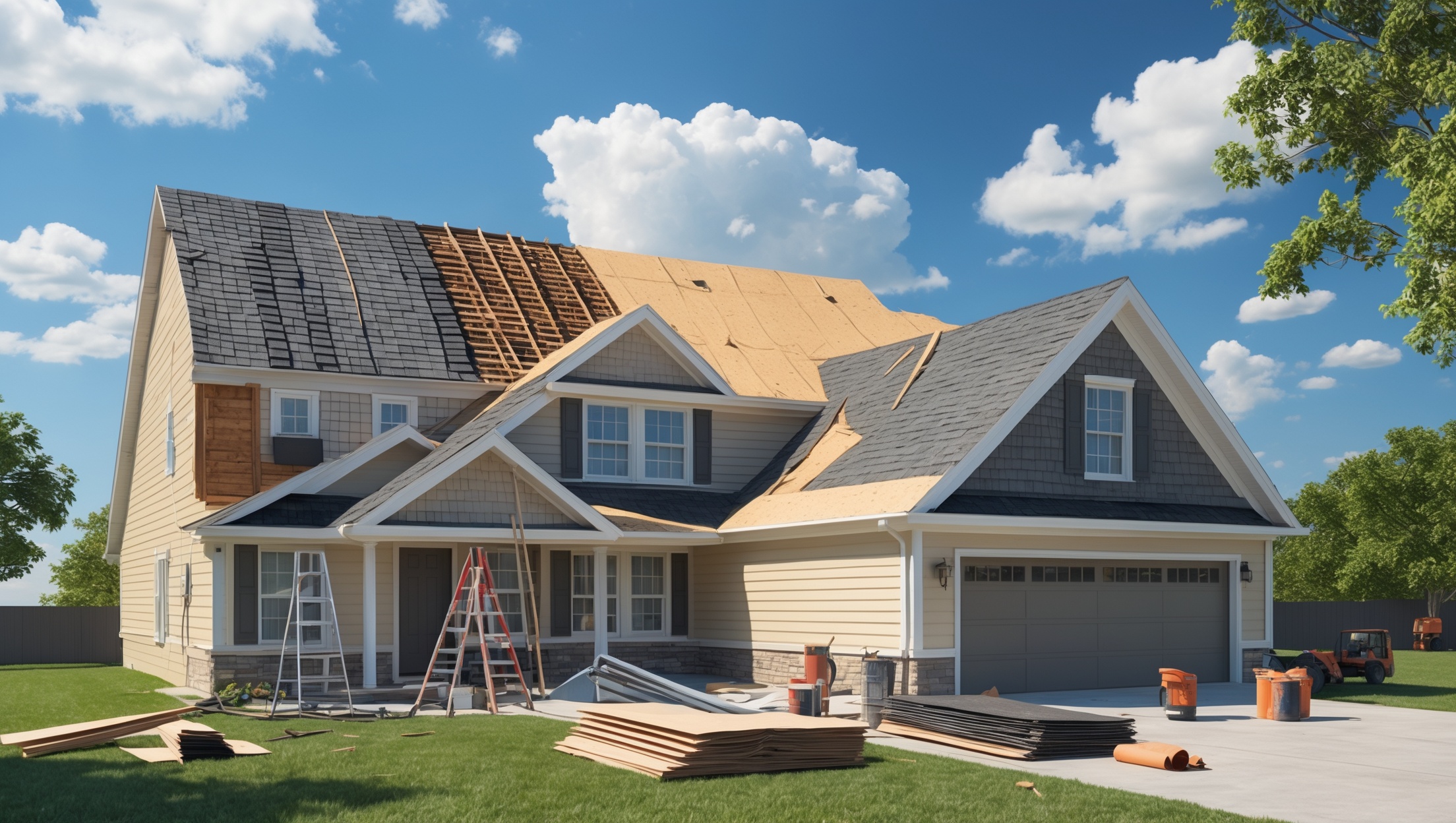
Understanding Real Estate Roof Replacement: Cost Planning, Permit Steps, and Maintenance Tips
Introduction: Why Roof Replacement Matters in Real Estate
For real estate owners, investors, and property managers, the roof is more than just a layer of protection—it’s a critical asset that directly influences property value, tenant satisfaction, and long-term maintenance costs. While cosmetic upgrades and interior renovations often get the spotlight, a failing roof can quickly unravel even the most meticulous investment plan. Water intrusion, mold, escalating repair bills, and insurance claim denials are just a few of the costly consequences of neglecting this essential component. Yet, planning a roof replacement is complex: it involves budgeting for significant expenditures, navigating local permit requirements, and making informed decisions about materials and contractors. This comprehensive guide demystifies the roof replacement process for real estate stakeholders. We cover how to estimate actual costs, secure necessary permits, select the right roofing system for your property, and establish a maintenance routine that preserves your investment for years to come.
When Is Roof Replacement Necessary?
Signs Your Roof Needs Replacement
- Age: Most asphalt shingle roofs last 20–25 years; other materials vary.
- Widespread Leaks: Frequent or persistent leaks, especially after repairs.
- Visible Damage: Curling, cracking, or missing shingles; significant granule loss.
- Sagging: Sagging rooflines or decking indicate structural issues.
- Interior Stains: Brown stains or bubbling paint on ceilings or walls.
- High Energy Bills: Poor roof insulation or ventilation can drive up costs.
Replacement vs. Repair: Making the Call
Spot repairs are suitable for isolated damage, but if over 25% of the roof is affected, or if the roof is nearing the end of its lifespan, full replacement is usually more cost-effective. Professional roofing inspections can help you assess the extent of damage and recommend the most prudent course of action.
Roof Replacement Cost Breakdown
Core Cost Factors
- Roof Size: Measured in ‘squares’ (100 sq. ft. each). Larger roofs cost more.
- Material Type: Asphalt shingles, metal, tile, wood shake, and slate vary widely in price and longevity.
- Pitch and Complexity: Steeper, more complex roofs require more labor and safety precautions.
- Removal of Old Roof: Tearing off old layers adds to labor and disposal costs.
- Underlayment and Decking Repairs: Additional costs if the wood decking is rotted or damaged.
- Location: Labor and material costs differ by region and municipality.
Typical Price Ranges
- Asphalt Shingle: $4–$7 per sq. ft. installed
- Metal: $8–$14 per sq. ft. installed
- Tile: $10–$20 per sq. ft. installed
- Slate: $15–$30 per sq. ft. installed
For a 2,000 sq. ft. roof, total project costs can range from $8,000 for basic shingle replacement to $60,000+ for premium materials on complex structures.
Additional Costs to Anticipate
- Permit fees ($100–$1,000+ depending on location)
- Waste disposal (dumpster rental, landfill fees)
- Structural repairs (rafters, trusses, decking)
- Upgraded insulation or ventilation systems
- Gutter replacement or repairs
- Unforeseen weather delays or code upgrades
Budgeting Tips
- Obtain at least three detailed quotes from licensed contractors.
- Ask for line-item breakdowns (materials, labor, extras).
- Set aside a 10–15% contingency fund for surprises.
- Investigate financing options or insurance coverage for storm damage.
Roofing Materials: Pros, Cons, and ROI
Asphalt Shingles
- Most common and affordable; 20–25 year lifespan.
- Wide color and style range; easy to install and repair.
- Moderate wind and fire resistance.
Metal Roofing
- 50+ year lifespan; excellent durability and energy efficiency.
- Higher upfront cost, but low maintenance.
- Available in various finishes (standing seam, corrugated, metal shingles).
Clay or Concrete Tile
- Extremely durable (50–100 years), excellent for hot climates.
- Heavy—may require structural reinforcement.
- Distinctive appearance; higher cost.
Slate Roofing
- Natural stone, exceptional longevity (75–150 years).
- Very heavy and expensive; installation requires experienced specialists.
- High-end aesthetic and resale value boost.
Choosing the Right Material for Your Property
Consider climate, neighborhood norms, insurance requirements, and expected holding period. In rental properties, favor durability and low maintenance over premium aesthetics. For high-value properties or flips, material choice can be a differentiator in appraisals and buyer impressions.
Permitting and Compliance: What Real Estate Owners Need to Know
Why Permits Matter
Most municipalities require permits for roof replacements to ensure compliance with building codes, fire safety, and structural standards. Skipping permits can lead to fines, forced removal, insurance claim denials, or problems during future sales.
Typical Permit Process
- Check Local Regulations: Start with your city or county building department website.
- Submit Application: Provide property details, scope of work, contractor license, and roofing materials.
- Pay Fees: Ranges from $100–$1,000+, depending on location and project size.
- Approval & Inspections: Some areas require pre-inspection of existing roof, periodic checks, and a final inspection after installation.
- Historical or HOA Restrictions: Properties in historic districts or governed by HOAs may have additional approval steps or material restrictions.
Common Compliance Pitfalls
- Not pulling permits—risking code violations and insurance issues.
- Using unlicensed contractors—may void warranties and lead to legal exposure.
- Ignoring fire codes, especially in wildfire-prone regions.
- Improper disposal of old roofing materials (especially asbestos or lead-containing products).
Tips for a Smooth Approval Process
- Work with contractors experienced in local permit procedures.
- Keep all documentation—permits, inspections, invoices—for future reference and property records.
- Communicate with neighbors and tenants about project timing and disruptions.
Finding and Working with Roofing Contractors
How to Vet Roofers
- Verify active license, insurance, and bonding.
- Check references and online reviews (BBB, Google, Angi, etc.).
- Ask about experience with your roof type and local code compliance.
- Review warranty terms (workmanship and manufacturer warranties).
- Clarify clean-up and debris disposal responsibilities.
Red Flags to Watch For
- High-pressure sales tactics or requests for large upfront payments.
- Lack of written contract or vague estimates.
- Reluctance to provide references or proof of insurance.
- Unusually low bids (may indicate poor-quality materials or labor).
Step-by-Step: The Roof Replacement Process
1. Initial Inspection and Planning
- Contractor examines roof condition, attic ventilation, and decking.
- Scope of work and timeline established.
- Permits applied for and obtained.
2. Tear-Off and Decking Repair
- Old roofing materials removed; debris managed onsite.
- Decking inspected for rot or damage and replaced as needed.
3. Installation of Underlayment and Flashing
- Waterproof underlayment installed for leak protection.
- Flashing added around chimneys, vents, and valleys.
4. New Roofing Material Installation
- Shingles, tiles, or metal panels installed per manufacturer specs.
- Attention to ventilation systems (ridge vents, soffit vents).
5. Final Inspection and Cleanup
- Municipal or third-party inspection as required by permit.
- Site thoroughly cleaned; leftover materials and nails removed.
- Warranty documentation provided.
Roof Maintenance Best Practices
Routine Inspections
- Check the roof surface, flashing, and gutters twice annually (spring and fall).
- Look for missing, damaged, or loose materials.
- Inspect after severe storms or high winds.
Cleaning and Debris Removal
- Keep gutters and downspouts clear to prevent water backup.
- Remove leaves, branches, and moss from the roof surface.
- Avoid power washing, which can damage shingles.
Address Minor Issues Promptly
- Seal small leaks or cracks immediately to prevent larger problems.
- Replace damaged shingles or flashings as soon as possible.
Professional Maintenance
- Schedule professional inspections every three to five years.
- Have contractors verify condition of underlayment, attic insulation, and ventilation.
Insurance and Documentation Essentials
Insurance Considerations
- Update your insurance provider after roof replacement—new roofs may qualify for premium discounts.
- Document the project with before/after photos, invoices, and permit records.
- Ensure contractor provides proof of liability and workers’ compensation insurance.
- Understand what’s covered under your policy (hail, wind, fire, etc.).
Warranty Management
- Keep all warranty certificates—most require annual or regular maintenance to remain valid.
- Register manufacturer warranties as needed.
- Understand what voids warranty (improper repairs, neglected maintenance).
Roof Replacement Case Study: Maximizing Property Value
Consider a mid-sized multifamily property facing persistent leaks and rising tenant complaints. After a professional inspection, the owner invested $30,000 in a high-quality architectural shingle replacement, upgraded attic ventilation, and new gutters. The process followed all permit requirements and included a full tear-off and decking replacement.
- Results: Tenant retention rates improved, insurance premiums decreased, and appraised property value rose by $50,000.
- Lesson: Proactive roof replacement, when timed and executed properly, can yield significant ROI—especially when combined with thorough documentation and preventive maintenance planning.
Conclusion: Proactive Roof Management Secures Real Estate Value
Roof replacement is one of the most significant capital improvements real estate owners will face, but it’s also one of the most impactful for long-term asset protection and property value. By understanding the specific signs of roof failure, accurately planning for costs, and ensuring compliance with all permitting and regulatory requirements, you mitigate the risks of water damage, code violations, and insurance complications. Material choice should be informed by both your investment goals and the unique demands of your local climate and market. Partnering with reputable, licensed contractors and maintaining detailed project documentation will safeguard your warranty and smooth future transactions.
Equally important is establishing a robust maintenance routine post-replacement. Regular inspections, prompt repairs, and proactive cleaning preserve your new roof’s integrity and extend its lifespan, reducing unexpected expenses and disruptions. For real estate investors and property managers, these best practices translate to lower operating costs, enhanced curb appeal, and stronger negotiating positions in both rental and sales markets. Don’t let your roof become an afterthought—treat it as a foundational element of your property strategy, and it will pay dividends in protection, peace of mind, and profitability for years to come.
2 thoughts on “Understanding Real Estate Roof Replacement: Cost Planning, Permit Steps, and Maintenance Tips”
Leave a Reply

Related Posts
A Real Estate Investor’s Guide to Mold Prevention, Remediation, and Compliance
Navigating Asbestos in Real Estate: Identification, Compliance, and Safe Remediation
I noticed you mentioned the importance of securing permits for roof replacement. Can you share more about what the timeline usually looks like for permit approval, and are there any common issues small business owners should watch for during that process?
Permit approval timelines for roof replacement can vary by location but often take about one to three weeks, depending on local regulations and how busy your permitting office is. Small business owners should make sure their contractor submits complete and accurate documentation to avoid delays. Common issues include missing paperwork, unclear project scopes, and not following zoning or historical building requirements. It’s a good idea to confirm all local requirements before applying and to follow up regularly with the permit office to keep things moving smoothly.