Real Estate Open House Success: Step-by-Step Setup, Staging, and Safety Guide
Introduction: Why Open Houses Still Matter in Real Estate
Despite the digital transformation sweeping through the real estate industry, open houses remain a powerful tool for agents and property owners alike. They create the perfect environment for buyers to experience a home firsthand, envision their life within its walls, and ask questions in real time. For sellers, an open house isn’t just about unlocking the door and letting visitors wander. It’s a strategic marketing event that, when executed properly, can generate buzz, attract serious offers, and even spark bidding wars. Conversely, a poorly run open house can leave a negative impression, slow down the sales process, and cost the seller both time and money.
This comprehensive guide walks you through the step-by-step process of orchestrating a successful open house, from pre-event planning and staging, to safety protocols and effective follow-up. Whether you’re an agent hosting your first event or a seasoned pro seeking new tactics, you’ll find actionable advice on maximizing turnout, impressing potential buyers, and safeguarding both property and guests. Let’s unlock the secrets to turning your next open house into a standout success.
Step 1: Pre-Open House Planning
Set Clear Objectives
Before setting a date, clarify your goals. Is your primary aim to attract offers, generate leads, or collect market feedback? Defining objectives shapes every subsequent decision, from marketing channels to event flow.
Choose the Optimal Date and Time
- Days: Saturdays and Sundays are traditional, but Thursday evenings can attract after-work buyers in hot markets.
- Timing: Late mornings (11 am–1 pm) or early afternoons (1–4 pm) maximize daylight and convenience.
- Local Events: Avoid conflicts with major local happenings like festivals or sports games.
Notify Neighbors and HOA
A quick courtesy notice to neighbors and any homeowner association helps prevent parking issues and encourages word-of-mouth referrals. Some neighbors may even know buyers!
Step 2: Strategic Marketing for Maximum Exposure
Create Compelling Listings
- MLS & Online Portals: Enter the open house details in the Multiple Listing Service and syndicate to major real estate sites (Zillow, Realtor.com, Redfin).
- Photos & Virtual Tours: High-quality images and a short video walkthrough entice more visitors.
- Headlines: Use action-oriented language: “Tour This Modern Family Home—Open Sunday!”
Utilize Social Media
- Facebook Events: Create an event and invite your network. Use local community groups.
- Instagram Stories: Tease with staging previews and countdowns.
- Paid Ads: Target buyers by zip code, age, and property interest.
Leverage Email Marketing
Send invitations to your buyer database and local agents. Include an RSVP link to gauge interest.
Traditional Methods Still Work
- Directional Signs: Place clear, branded signs at major intersections.
- Flyers: Distribute to nearby cafes, gyms, or workplaces with heavy foot traffic.
Step 3: Staging for Buyer Appeal
Declutter and Depersonalize
- Remove excess furniture, personal photos, pet items, and anything that distracts from the home’s features.
- Clear kitchen counters and bathroom vanities.
Deep Clean Every Surface
- Hire professionals for carpets, windows, and tile grout.
- Pay special attention to odors; use neutral air fresheners rather than heavy scents.
Enhance Curb Appeal
- Mow the lawn, trim bushes, and plant fresh flowers.
- Pressure-wash walkways and touch up exterior paint as needed.
- Ensure the front door is spotless and inviting—a new welcome mat works wonders.
Focus on Lighting
- Open all blinds and curtains to let in natural light.
- Replace dim bulbs with bright, warm LEDs.
- Turn on all lights—even in closets and hallways—to create a vibrant atmosphere.
Stage Key Rooms
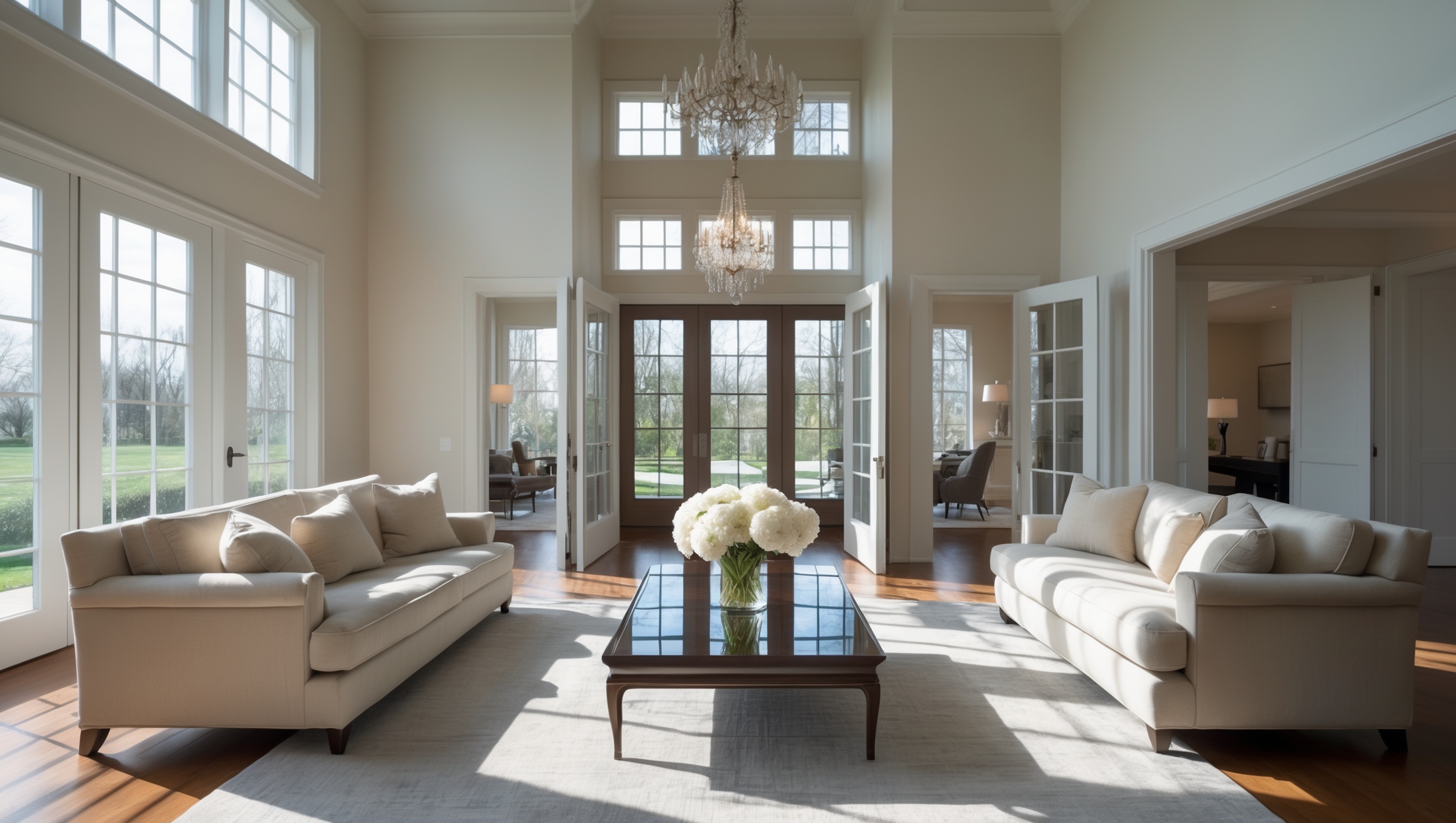
- Living Room: Arrange seating to showcase space and flow. Add fresh pillows and a throw blanket.
- Kitchen: Set out a bowl of fruit or a vase of flowers. Remove countertop appliances.
- Primary Bedroom: Use neutral bedding and add a pair of matching lamps.
- Bathrooms: Display plush towels and new soap dispensers.
Set the Mood
- Play soft background music—jazz or acoustic works best.
- Offer light refreshments (pre-packaged snacks, bottled water, or fresh cookies).
Step 4: Safety and Security Protocols
Property Security
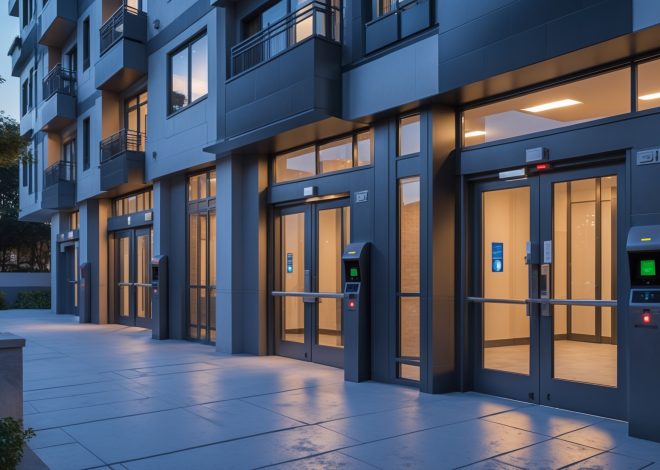
- Remove valuables, prescription medications, and sensitive documents from the property.
- Lock away jewelry, electronics, and any portable technology.
- Secure off-limits areas with signs or locks.
Visitor Registration
- Set up a registration table at the entrance with sign-in sheets or digital check-in apps for contact tracing and safety.
- Politely request government-issued ID for added security.
COVID-19 and Health Considerations
- Provide hand sanitizer and disposable shoe covers at the entrance.
- Limit the number of people inside at a time if necessary, especially in smaller spaces.
- Open windows for ventilation when possible.
Agent Safety
- Never host an open house alone—invite a colleague or associate.
- Keep your cell phone accessible and have emergency contacts programmed.
- Familiarize yourself with all exits and have a visible escape path.
Step 5: The Open House—Execution for Maximum Impact
First Impressions Matter
- Greet every visitor with a friendly welcome and a quick summary of the property highlights.
- Hand out professionally printed property brochures or information sheets.
Guided vs. Self-Guided Tours
- Guided Tours: Walk buyers through the property, highlighting features and answering questions. Best for high-end or unique homes.
- Self-Guided: Offer a map or room-by-room checklist. Stay available for questions but allow buyers to explore at their own pace.
Answer Questions Honestly
Be transparent about property details, recent improvements, and neighborhood features. If you don’t know an answer, offer to follow up after the event.
Gather Feedback
- Ask visitors what they liked and what concerns they have—this can inform future showings and pricing strategy.
- Use feedback forms, either paper or digital, for easy collection and analysis.
Maintain a Positive Atmosphere
- Keep refreshments tidy and replenished.
- Ensure all rooms remain clean and staged throughout the event.
- Monitor foot traffic to avoid overcrowding in any area.
Step 6: After the Event—Follow-Up and Next Steps
Thank Visitors
- Send a personalized thank-you email or text to each attendee within 24 hours.
- Attach a digital brochure and invite further questions.
Qualify Leads
- Review registration forms and feedback to identify serious buyers.
- Prioritize follow-up calls to those expressing strong interest or intent to make an offer.
Share Results with the Seller
- Provide a summary of attendance, feedback, and any notable comments.
- Discuss next steps—adjusting price, scheduling private showings, or hosting another open house.
Analyze What Worked
- Which marketing channels drove the most traffic?
- Did certain staging techniques receive compliments?
- Were there safety or logistical issues to address for next time?
Common Open House Pitfalls to Avoid
- Insufficient Promotion: Don’t rely solely on the MLS—mix digital and traditional marketing.
- Overcrowding: Stagger visitor flow or extend open house hours to avoid an uncomfortable experience.
- Neglecting Safety: Always secure valuables and have a safety plan for both guests and hosts.
- Poor Staging: Even minor clutter or maintenance issues can turn off buyers.
- Forgetting Follow-Up: Immediate, personalized contact sets you apart and keeps your property top of mind.
Conclusion: Turning Open House Visits into Offers
An open house is far more than an open-door policy—it’s a curated event that showcases your property’s best features, fosters meaningful connections with buyers, and accelerates the path to a successful sale. By meticulously planning each phase, from marketing and staging to safety protocols and post-event follow-up, you set the stage for both impressive turnout and genuine buyer interest. Remember, every detail counts: the scent of fresh flowers, the sparkle of clean windows, the warmth of a personal welcome, and the professionalism of your follow-up all combine to create a memorable impression.
In today’s competitive real estate market, a thoughtfully executed open house can be the differentiator that turns browsers into buyers. Use this step-by-step guide as your blueprint for success—refining your approach with every event. With preparation, creativity, and attention to both safety and service, your next open house could be the one that seals the deal.