

Understanding Property Boundary Disputes: Prevention, Resolution, and Legal Compliance for Real Estate Owners
Introduction: Why Property Boundaries Matter in Real Estate
Property boundary disputes are among the most common and costly legal issues faced by real estate owners, investors, and managers. Whether you own a single family home, manage a rental portfolio, or oversee a commercial property, understanding where your property begins and ends is crucial for long-term asset protection and value. Boundary confusion can lead to unexpected legal battles, diminished property value, and even forced changes to your land or structures. These disputes often arise from unclear deeds, outdated or inaccurate surveys, or simple miscommunication between neighbors. Yet, with the right knowledge and proactive measures, most boundary issues can be prevented or resolved without escalating to court. In this comprehensive guide, we’ll break down the practical steps you need to take to prevent boundary disputes, what to do if a conflict arises, the role of surveys and title work, how to handle compliance with local regulations, and the legal avenues available for resolution. This is essential reading for any real estate owner looking to protect their investment and avoid costly mistakes.
Understanding Property Boundaries: Key Terms and Concepts
What Are Property Boundaries?
Property boundaries are the legally defined lines that separate one parcel of land from another. These lines are described in deeds, plats, and survey documents, and are enforceable by law. They determine where you can build, what you own, and your responsibilities as a property owner.
Common Causes of Boundary Disputes
- Inaccurate or outdated surveys: Surveys from decades ago may not reflect current realities or improvements.
- Ambiguous legal descriptions: Vague or confusing deed language can lead to misunderstandings.
- Encroachments: Fences, driveways, sheds, or landscaping that cross boundary lines.
- Adverse possession claims: Long-term use of land by a neighbor may, under certain conditions, lead to a legal claim of ownership.
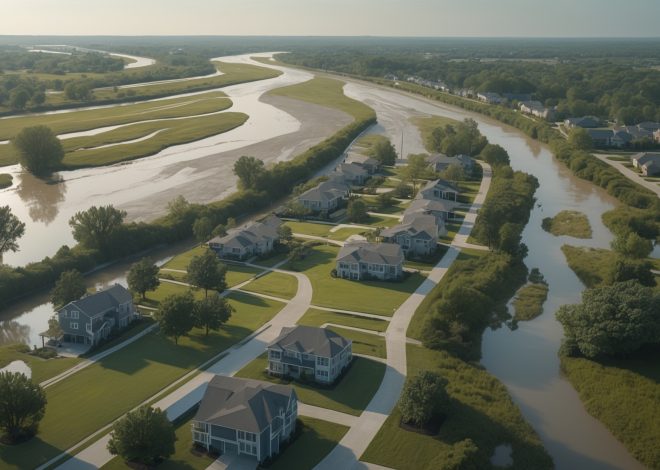
- Natural changes: Rivers, streams, or other natural boundaries may shift over time.
- Mistakes during property transfers: Errors in title work or deed preparation can perpetuate disputes.
How to Prevent Boundary Disputes: Proactive Steps for Owners
1. Commission a Professional Survey
A current, professional boundary survey is your best protection against disputes. Licensed surveyors use precise equipment to measure and mark the exact lines of your property. Always request an updated survey:
- Before purchasing a property
- Prior to building fences, additions, or major landscaping
- When you suspect an encroachment or boundary confusion
Ensure the surveyor places visible markers (stakes, pins, or flags) at the corners and along the lines. Keep the survey plat and field notes in your records.
2. Review Title Documents and Legal Descriptions
Carefully examine your deed and title insurance policy. The legal description should match the survey. If you notice discrepancies or ambiguous language (e.g., “along the old oak tree to the creek”), consult a real estate attorney or title company for clarification.
3. Communicate with Neighbors
Open, proactive communication goes a long way. If you plan to build near a boundary, share your survey with adjacent owners. Invite them to walk the line with you and the surveyor. This reduces misunderstandings and fosters goodwill.
4. Mark Boundaries Clearly
Install permanent, visible markers at the property corners. Fences, walls, or hedges should be placed inside your boundary, not directly on the line unless agreed in writing with your neighbor. Avoid using “assumed” lines based on old fences or landscaping.
5. Obtain Written Agreements for Shared Features
If you and a neighbor share a driveway, fence, or other improvement near the boundary, create a written agreement that specifies ownership, maintenance, and what happens if the property is sold. Record the agreement with your county clerk or land records office to ensure it runs with the land.
Boundary Dispute Warning Signs: Early Detection
- Neighbor disputes the location of a fence, wall, or tree line
- Surveyors or contractors from an adjacent property appear without notice
- You receive a letter or legal notice regarding encroachment
- Unusual activity near the property edge (e.g., construction, digging)
- Discrepancies between your survey and a neighbor’s survey
If you observe any of these signs, act promptly to investigate and document the situation.
How to Respond to a Boundary Dispute
Step 1: Stay Calm and Gather Information
Don’t escalate tensions. Politely ask your neighbor to provide their evidence (survey, deed, etc.), then gather your own documents. Take photos of the area in question and locate any boundary markers.
Step 2: Review Surveys and Legal Descriptions
Compare both parties’ surveys and legal descriptions. If there’s disagreement, consider hiring a neutral, licensed surveyor to conduct a new survey, especially if existing surveys are outdated.
Step 3: Attempt Mediation or Negotiation
Many disputes can be resolved amicably through negotiation or formal mediation. Some counties or homeowner associations offer free or low-cost mediation services. Written agreements outlining the resolution should be signed by both parties and, ideally, recorded with the local land records office.
Step 4: Consult a Real Estate Attorney
If negotiations stall, consult an attorney specializing in real estate law. An attorney can:
- Interpret complex legal descriptions
- Review title history for errors
- Advise on state-specific laws (such as adverse possession)
- Draft settlement agreements
- Represent you in court if necessary
Step 5: Legal Remedies
If all else fails, litigation may be necessary. Common legal remedies include:
- Quiet Title Action: A court determines the rightful boundary and clarifies ownership.
- Ejectment: Used to remove an encroaching structure or occupant.
- Injunction: Court order to stop construction or use of disputed land.
- Damages: Monetary compensation for loss of use or diminished value.
Litigation can be expensive and time-consuming, so exhaust all other options first.
Legal Compliance and Reporting Requirements
Know Your Local and State Laws
Boundary laws and dispute procedures vary by state and municipality. Some states require mandatory mediation before litigation. Others have specific statutes for adverse possession or fence placement. Consult your local planning office or real estate attorney for specifics.
Recording Boundary Agreements
Once you resolve a dispute or clarify a boundary through agreement, file the signed document with your local land records office. This creates a public record and helps prevent future misunderstandings, especially if either property is sold.
Permits and Zoning Compliance
When building fences, walls, or other structures near a boundary, check local zoning and permitting requirements. Many municipalities have setback rules requiring structures to be a certain distance from the property line. Failure to comply can lead to fines, forced removal, or legal liability.
Surveying Tools and Technology: Getting It Right the First Time
Traditional Surveying vs. Modern Methods
- Traditional: Tape measures, compasses, and physical markers. Still used, but less precise for large or irregular lots.
- Modern: GPS and total stations provide centimeter-level accuracy. Drones are increasingly used for aerial mapping and difficult terrain.
Always work with a licensed surveyor who uses current technology and is familiar with local land records.
How to Read a Survey Plat
A survey plat is a map showing boundary lines, dimensions, and physical features. Key elements include:
- North arrow
- Scale
- Lot dimensions and area
- Boundary markers (often labeled as IP for Iron Pin, or PK Nail)
- Adjacent lot information
- Notes on easements, encroachments, or discrepancies
Ask your surveyor to walk through the plat with you and explain any unclear points.
Case Studies: Real-World Boundary Disputes and Outcomes
Case Study 1: Fence Built on Neighbor’s Land
In one suburban neighborhood, a homeowner installed a new privacy fence based on the location of an old, dilapidated fence. Months later, the neighbor produced a recent survey showing the fence was two feet onto their property. With both parties armed with surveys, they negotiated a compromise: the fence was moved to the correct line, and both shared the cost. The written agreement was filed locally to prevent future issues.
Case Study 2: Adverse Possession Claim
In a rural area, a small strip of land had been maintained and used by one family for over 20 years due to a poorly defined boundary. The original owners never objected, but when the property was sold, the new owner disputed the use. The long-term user successfully claimed the land under state adverse possession law, as the use was “open, notorious, and continuous.” The court required extensive documentation and witness testimony, reinforcing the importance of regular boundary inspections.
Case Study 3: Encroaching Garage
A real estate investor purchased a rental property and discovered the neighbor’s garage extended six inches over the boundary. The investor obtained a survey, then negotiated an easement agreement with the neighbor: the neighbor could keep the garage in place for the life of the structure, but any future replacement would require it to be moved. This agreement was recorded and disclosed to future buyers.
Best Practices for Ongoing Boundary Maintenance
- Walk your property lines annually and check for new encroachments or marker movement.
- Keep a file with your survey, deed, title insurance, and any boundary agreements.
- Before building or landscaping near a boundary, re-confirm the line with a surveyor.
- Address neighbor concerns promptly and in writing.
- Educate tenants or property managers on the importance of respecting boundaries.
Conclusion: Protecting Your Real Estate Investment
Property boundary disputes can threaten property value, neighbor relationships, and your peace of mind. However, with foresight, education, and the right tools, you can prevent most conflicts before they start. The key steps are clear: invest in a current, professional survey; read and understand your legal documents; communicate openly with neighbors; and document all agreements. If a dispute does arise, address it promptly and seek professional help as needed. Legal compliance, proper record-keeping, and respect for local regulations are essential for long-term protection. Remember, the cost of prevention—regular surveys, clear communication, and written agreements—is minimal compared to the expense of litigation or lost property rights. By making boundary maintenance part of your real estate management routine, you not only safeguard your investment but also contribute to a more harmonious community. Stay informed, stay proactive, and your property lines will remain secure for years to come.
52 thoughts on “Understanding Property Boundary Disputes: Prevention, Resolution, and Legal Compliance for Real Estate Owners”
Leave a Reply



For someone on a tight budget, what are some cost-effective steps to prevent boundary disputes before they happen? Are there any free or low-cost public resources or services that can help clarify my property lines?
To prevent boundary disputes on a budget, start by checking your property deed and the plat map at your local county recorder’s office—these are often free or very low cost. Many counties also provide online GIS maps that can help clarify boundaries. Walking your property with your neighbor and comparing documents can also clear up confusion without extra expense.
You mentioned that surveys from decades ago can sometimes be inaccurate or outdated. If my property still has an old survey, what steps should I take to ensure my boundaries are correctly documented, and is it expensive to get a new survey done?
If your property relies on an old survey, it’s a good idea to hire a licensed land surveyor to conduct a new, updated survey. This will help ensure your boundaries are accurately documented using current technology and standards. The cost can vary depending on your property’s size and location, but most residential surveys range from a few hundred to a couple thousand dollars. Getting an updated survey helps prevent disputes and clarifies property lines for future reference.
If my property survey is several decades old and I suspect it may be outdated, what is the best way to verify or update my property boundaries before a problem arises with my neighbor?
If your property survey is quite old, the best approach is to hire a licensed land surveyor to conduct a new survey using current methods and records. This updated survey will accurately establish your property boundaries, giving you peace of mind and providing clear documentation if any disputes or questions arise with your neighbor in the future.
I’m a little confused about how adverse possession works. If a neighbor has been using a strip of my land for several years without me noticing, could they actually claim legal ownership?
Adverse possession laws do allow someone to claim ownership of land they’ve openly used without permission for a certain number of years, but specific requirements must be met. These include continuous, obvious use and sometimes payment of property taxes. The exact rules and timeframes vary by state, so if you suspect this situation, it’s wise to consult a local property attorney to protect your rights.
If my neighbor built a fence a few inches over the boundary line because of an outdated survey, what steps should I take to address it before things escalate legally?
Start by having a respectful conversation with your neighbor and share your concerns along with any updated survey information you have. Suggest reviewing the property boundaries together, possibly with a professional surveyor present. If the issue remains unresolved, consider mediation before taking any legal action. Clear communication early on often helps prevent misunderstandings and costly disputes.
If two neighbors disagree because of ambiguous legal descriptions in their deeds, what initial actions or documentation should they gather before seeking legal assistance?
Before seeking legal assistance, both neighbors should gather all relevant property documents, including their deeds, any surveys or plats, property tax records, and past correspondence related to the boundary. If available, old property maps and historical transaction records can also help clarify the intent behind property lines. Compiling these materials will help a legal professional assess the situation and provide informed advice.
The article mentions adverse possession—are there certain states where this is more common, and how long does a neighbor usually have to use the land before they have a legal claim?
Adverse possession laws vary by state, which means the length of time someone must use the land openly and without permission differs across the country. In most states, the required period ranges from 5 to 20 years. Adverse possession can be more common in states with older property boundaries or more rural land, such as Texas or California. It’s always important to check your specific state’s laws for precise details.
If my neighbor and I have conflicting survey documents from different years, how do we determine which one is considered legally accurate, and should we get a new survey done before taking any legal action?
When you and your neighbor have surveys that conflict, courts usually look at factors like the credentials of the surveyors, the methods used, and the historical consistency with property records or existing markers. Getting a new, up-to-date survey from a licensed professional is often a wise step before considering legal action. This current survey can provide clarity and may help resolve the dispute without going to court.
I noticed the article talks about adverse possession claims. What are some signs that my neighbor might be trying to make one of these claims, and what should I do early on to protect my property?
Some signs that your neighbor might be attempting an adverse possession claim include regularly using or maintaining part of your land—such as mowing, building structures, or fencing over your boundary—without your permission. To protect your property, maintain clear boundary markers, document any encroachment, and communicate in writing if you notice unauthorized use. If you have concerns, consult a property attorney early to discuss legal steps and prevent any potential claim.
How long does it usually take to resolve a boundary dispute if it goes through mediation instead of court? I’m concerned about the potential time frame and any delays that might affect property improvements.
Mediation for boundary disputes typically takes anywhere from a few weeks to a couple of months, depending on the complexity of the issue and both parties’ willingness to cooperate. This is usually much faster than going through court, which can take many months or even years. Delays can still occur if more information or surveys are needed, but mediation is generally a quicker way to reach an agreement and proceed with your property improvements.
If a neighbor’s fence has been over my property line for years but neither of us realized until now, does that fall under adverse possession, and what steps should I take to resolve it without escalating things legally?
Adverse possession laws vary by location, but typically, for a neighbor to claim your land, they must openly use it for a certain period and meet specific legal criteria. Since both parties were unaware, this may not qualify. To resolve things amicably, consider discussing the discovery with your neighbor and possibly agreeing on moving the fence. If you’re unsure, a surveyor or mediator can help clarify boundaries and facilitate a friendly solution.
Regarding encroachments like fences or landscaping crossing boundary lines, could you explain whether it is better to address the issue directly with the neighbor first or involve a legal professional right away? How do you recommend balancing preserving neighbor relationships with protecting your property rights?
It’s usually best to speak directly with your neighbor first about the encroachment, as many issues can be resolved amicably through open and respectful communication. This approach helps preserve your relationship. However, if the neighbor is unresponsive or the issue isn’t resolved, documenting your discussions and then consulting a legal professional is wise to protect your rights. Striking a balance means being clear about your concerns but also open to compromise where possible.
Can you offer some advice on how to approach a neighbor about a potential encroachment, like a shed or driveway crossing the line? What’s the best way to keep things friendly but also protect my interests before considering any legal action?
When approaching your neighbor about a potential encroachment, try starting with a casual conversation to express your concerns, focusing on shared understanding rather than blame. Bring along any relevant documents, like your property survey, to clarify the situation together. Aim for a cooperative tone, suggesting that you both want to resolve things amicably. If needed, propose a joint survey or mediation before considering any legal steps. This helps maintain the relationship while protecting your interests.
You mentioned that compliance with local regulations is essential for handling boundary disputes. What are some common regulatory pitfalls property owners might overlook, and how can they avoid inadvertently violating local ordinances?
Some common regulatory pitfalls include building too close to property lines, neglecting to obtain proper permits for fences or structures, and failing to check updated zoning laws. Property owners sometimes rely on outdated surveys or verbal agreements, which may not align with current regulations. To avoid these issues, always consult recent property surveys, check with your local planning department before making changes, and keep records of all permissions and communications regarding your property boundaries.
When the legal description in the deed is ambiguous, who should I contact first to clarify things—a real estate attorney, a surveyor, or the local planning office? I’d like to know what order of steps would be the most efficient and cost-effective.
If the legal description in your deed is unclear, it’s usually best to contact a licensed land surveyor first. They can review the deed and may be able to clarify or physically verify the boundaries. If the surveyor can’t resolve the ambiguity or if a dispute arises, then consult a real estate attorney. The local planning office is generally not involved in interpreting deed descriptions but might help with local zoning questions.
I noticed you brought up adverse possession claims. Could you explain how long a neighbor would need to use my land before they can make a legal claim, and what proactive steps I can take to prevent that?
The time required for a neighbor to claim your land through adverse possession depends on your state’s laws, but it’s typically between 5 and 20 years of continuous, open, and hostile use. To prevent this, regularly inspect your property lines, address encroachments quickly, maintain clear boundary markers like fences, and consider sending written notice if someone is using your land without permission. Consulting a real estate attorney for guidance is also a good idea.
If a neighbor has used a strip of my land for years for gardening, at what point could they legally claim it through adverse possession? I want to avoid any surprises down the road.
Adverse possession laws vary by location, but generally, if your neighbor has openly used your strip of land without your permission for a certain number of years—often ranging from 5 to 20—they may eventually gain legal rights to it. To protect your property, consider talking to your neighbor, putting up clear boundary markers, or sending a written notice stating you do not permit their use. Consulting a local real estate attorney can help you understand the specific laws in your area.
If my property deed has some pretty vague and confusing language about the boundaries, what’s the best first step to make sure I’m not at risk for a future dispute? Should I reach out to a surveyor or a real estate attorney first?
If your deed has unclear boundary descriptions, it’s wise to contact a licensed land surveyor first. They can physically assess your property and clarify the boundaries based on the deed and local records. If the survey reveals conflicts or legal uncertainties, then consulting a real estate attorney is a good next step to address any potential disputes or resolve legal ambiguities.
You mention that outdated surveys are a common cause of boundary disputes. How often should homeowners have their property resurveyed to prevent issues, and is this something insurance will sometimes cover?
Typically, homeowners should consider having their property resurveyed when buying or selling, making significant improvements, or if they notice potential boundary issues with neighbors. While there’s no set schedule, a new survey every 10–20 years can help keep records current. Most homeowners’ insurance policies do not cover the cost of routine surveys, but it’s always good to check your specific policy to be sure.
For someone managing a rental portfolio, what are some practical ways to prevent boundary confusion with neighboring properties, especially when dealing with multiple sites that might have inconsistent or ambiguous legal descriptions?
To prevent boundary confusion across several rental properties, keep updated surveys and site maps for each location, clearly marking property lines. Install physical markers or fencing where appropriate, after confirming boundaries. Regularly review property deeds and legal descriptions—if they’re ambiguous, consult a surveyor for clarification. Open communication with neighbors can also help address and prevent disputes before they escalate.
Can you give examples of how adverse possession works if my neighbor has been using a strip of my land for years without my permission? Does this mean I could lose that part of my property even if it’s in my deed?
If your neighbor has openly used a strip of your land for many years without your permission, they might claim adverse possession. For example, if they’ve built a fence or garden and maintained it as if it’s theirs, and this use is continuous, visible, and without your consent for a legally defined period, they could potentially gain legal ownership. Even if it’s listed in your deed, you could lose that strip if all adverse possession requirements are met. It’s important to check your state’s laws and act quickly to protect your rights.
If my neighbor has a fence that appears to be a few feet over the property line according to a recent survey, but the fence has been there for over ten years, does that give them any legal claim to that strip of land under adverse possession laws?
Whether your neighbor could claim that strip of land under adverse possession depends on local laws, which vary by state. In many places, a neighbor may be able to claim ownership if they have openly used and maintained the land for a legally specified period, sometimes as short as ten years. However, requirements such as exclusivity, hostility, and continuous use must usually be met. Consulting a real estate attorney familiar with your area’s laws is a smart next step.
I’m considering buying a home with some older structures near the property line. How can I make sure I’m not inheriting any hidden boundary disputes or adverse possession claims from previous owners?
Before buying the home, review the property’s title report and ask for a recent boundary survey to confirm the exact lines. It’s also wise to consult with a real estate attorney, who can check for any past or ongoing disputes and advise on adverse possession risks. Speak with neighbors to see if there are unresolved issues, and ensure any existing use of land by others is clarified before closing.
When facing a potential boundary dispute, is hiring a new surveyor typically more cost-effective than going straight to legal resolution? I’m curious about what kind of budget range owners should be prepared for each step.
Hiring a surveyor is usually more affordable than immediately pursuing legal action. A property survey often costs between $300 and $1000, depending on the property’s size and location. Legal processes, especially if they escalate to court, can quickly reach several thousand dollars or more in fees. Getting a clear survey first can sometimes resolve disputes early and save significant legal costs.
When a boundary issue arises, should I approach my neighbor first or go directly to a surveyor or attorney? I am concerned about escalating things if it turns out to be a misunderstanding.
It’s often best to start by speaking with your neighbor in a calm and friendly way. Many boundary issues turn out to be simple misunderstandings that can be resolved together. If you can’t reach an agreement or if things remain unclear, then consider involving a surveyor for an objective property assessment. Only consult an attorney if the dispute continues or becomes more serious.
If a property owner suspects that an older survey is inaccurate, how should they go about obtaining a new survey, and what steps can they take to ensure the updated boundaries are legally recognized?
If a property owner believes their existing survey is outdated or inaccurate, the first step is to hire a licensed land surveyor to conduct a new, professional survey of the property. Once the new survey is completed, the owner should record the updated survey with their local county or municipal land records office to ensure it is officially recognized. It may also be wise to notify neighboring property owners of the updated boundaries to avoid future disputes.