
Real Estate Drainage Systems: Budgeting, Compliance, and Long-Term Maintenance Strategies
Introduction: Why Drainage Matters in Real Estate
Drainage might not be the most glamorous aspect of property ownership, but it’s one of the most crucial. Inadequate drainage leads to foundation damage, basement flooding, landscape erosion, and even legal headaches with neighbors. For real estate investors, landlords, and homeowners, understanding how to plan, budget, and maintain effective drainage systems can mean the difference between a low-maintenance asset and a property plagued by costly repairs and compliance issues. While many property owners focus on curb appeal or interior upgrades, neglecting drainage is a beginner’s mistake that can have long-term repercussions. In this guide, we’ll break down the essentials of budgeting for new or upgraded drainage, explain relevant compliance and permit requirements, and share hands-on strategies for long-term maintenance. Whether you’re evaluating a new investment, renovating an older building, or just want peace of mind during heavy rain, this comprehensive resource will help you avoid pitfalls and protect your property’s value.
Understanding Property Drainage Systems
Types of Drainage Solutions
There’s no one-size-fits-all when it comes to drainage. The optimal solution depends on property layout, local climate, soil composition, and building structures. Common systems include:
- Surface Drains: Swales, gutters, and shallow ditches channel water away from structures.
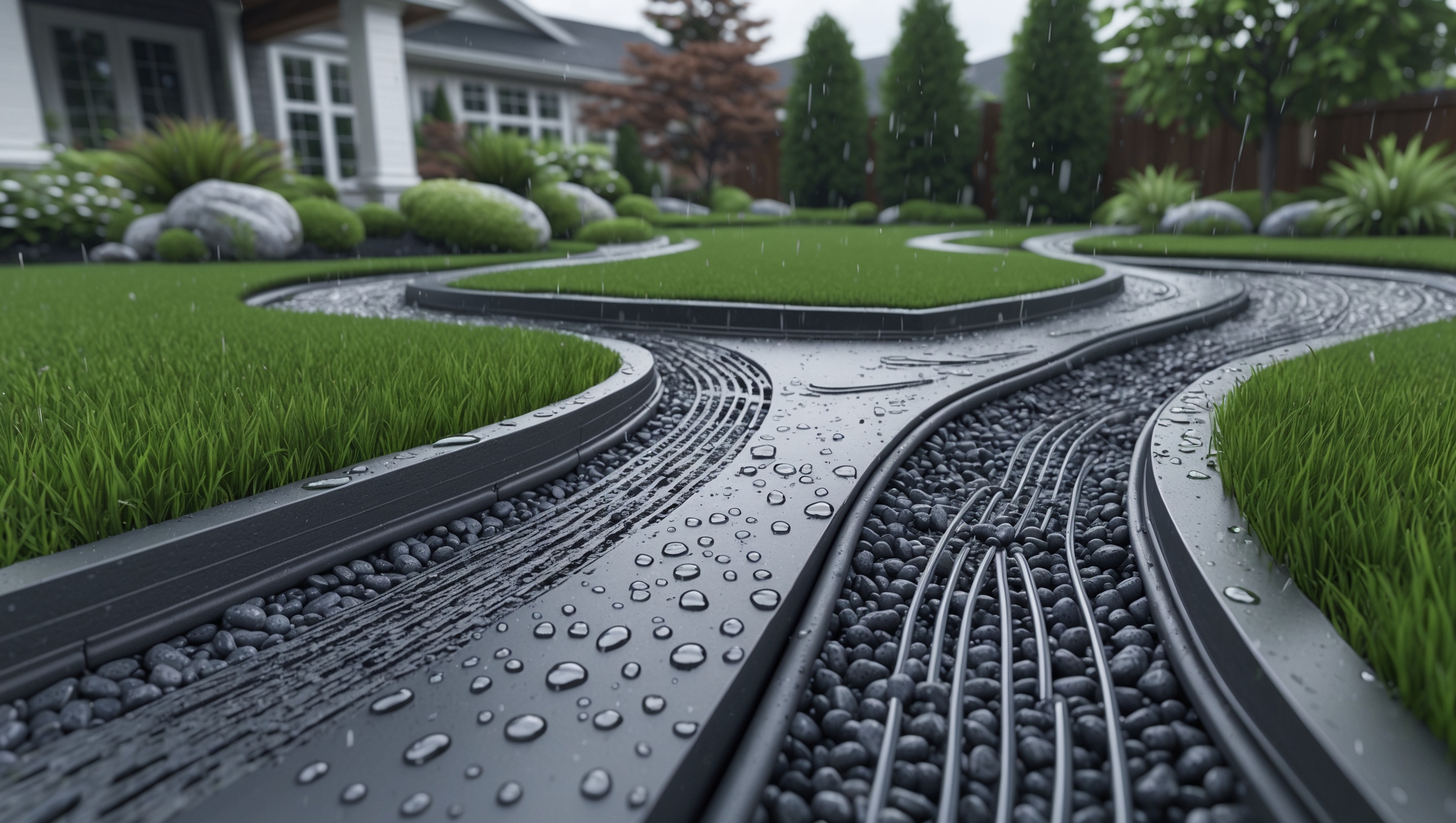
- French Drains: Trenches filled with gravel and perforated pipes that redirect groundwater.
- Dry Wells: Underground storage that gradually disperses water into the soil.
- Downspout Extensions: Redirect roof runoff away from the foundation.
- Sump Pumps: Mechanized systems that move water from basements or crawl spaces.
- Permeable Paving: Allows rainwater to soak through driveways and walkways.
Drainage Assessment Checklist
Before making upgrades or investments, assess your property’s drainage with these steps:
- Walk the perimeter after rainfall to spot pooling or erosion.
- Check basement/crawl spaces for dampness or water marks.
- Inspect downspouts and gutters for blockages or improper discharge.
- Look for soil settling, cracks in pavement, or landscape damage.
- Review property blueprints for existing drainage infrastructure.
- Consider a professional grading survey for large or sloped lots.
Budgeting for Drainage Projects
Cost Breakdown by System Type
Drainage costs vary dramatically based on system complexity, materials, and labor:
- Surface Grading/Swales: $500–$2,500 (DIY or small professional jobs).
- French Drains: $2,000–$8,000 (depends on length and depth).
- Dry Wells: $1,000–$4,000 per unit.
- Downspout Extensions: $30–$300 each (DIY to pro install).
- Sump Pump Installation: $1,200–$5,000 (includes pit and electrical).
- Permeable Paving: $8–$20 per square foot.
Hidden and Ongoing Costs
Factor in these often-overlooked expenses:
- Permits and inspection fees ($100–$500+ depending on locality).
- Soil testing ($200–$1,000 for lab analysis if needed).
- Landscape restoration (sod, plants, hardscape repair after trenching).
- Annual maintenance (clearing debris, pump servicing, filter replacement).
- Potential utility location or rerouting (varies widely based on site complexity).
Budget Planning Tips
- Always get at least three qualified quotes for any major installation.
- Prioritize fixes: address foundation or basement threats before landscaping upgrades.
- Build a contingency fund (10–20%) for unexpected challenges like rock, roots, or hidden pipes.
- Consider phased implementation to spread costs over several seasons.
- Check for local rebates or grants for green infrastructure (e.g., rain gardens, permeable surfaces).
Compliance and Permitting Essentials
Why Compliance Matters
Improper drainage work can lead to fines, forced removals, or lawsuits—especially if water is redirected onto neighboring properties or public land. Local codes may specify how and where water may be discharged, and certain systems (like sump pumps or dry wells) may require inspection.
Common Regulatory Requirements
- Grading Permits: Required for significant landscape changes or slope alteration.
- Stormwater Discharge: Rules on discharging into municipal sewers, streets, or natural waterways.
- Wetlands and Watershed Protections: Additional oversight for properties near protected land.
- Historic Districts: Restrictions on visible drainage modifications.
- Easements: Restrictions on building or trenching near shared utilities or right-of-ways.
Securing Permits Step-by-Step
- Contact your local building or environmental department to identify required permits.
- Submit site plans or diagrams showing proposed drainage improvements.
- Schedule inspections, if required, after installation or significant changes.
- Retain all permit documentation for future property sales or insurance claims.
- Engage a licensed contractor familiar with local codes to streamline approvals.
Long-Term Maintenance Strategies
Routine Maintenance Checklist
Drainage systems are not “set and forget.” Regular care prevents clogs, backups, and system failures.
- Clear gutters and downspouts at least twice yearly, especially after autumn leaf drop.
- Inspect French drain entry points for sediment buildup or vegetation overgrowth.
- Test sump pumps every spring and before major storms; replace batteries as needed.
- Check for standing water or soft spots in the yard after heavy rain.
- Flush out dry wells annually to remove debris and sediment.
- Monitor permeable paving for signs of clogging or excessive weed growth.
Troubleshooting and Common Issues
- Persistent Pooling: May indicate clogged pipes, compacted soil, or misgraded surfaces. Re-grade or snake pipes as needed.
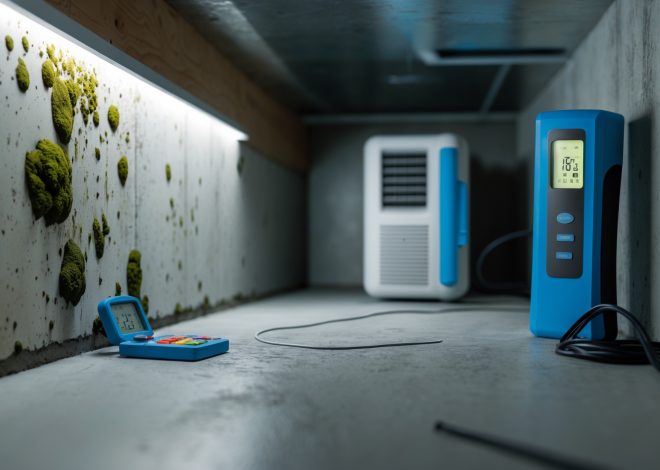
- Mold or Mildew Indoors: Check for hidden leaks or inadequate exterior drainage. Address immediately to prevent health hazards.
- Backflow in Sump Pumps: Install check valves and ensure discharge pipes are clear and properly sloped.
- Landscape Erosion: Reinforce swales with rocks, or add erosion control fabric where water velocity is high.
When to Call a Professional
- Major grading projects or excavation near foundations.
- Installation of complex systems (multi-zone French drains, large dry wells).
- Drainage issues that persist after basic troubleshooting.
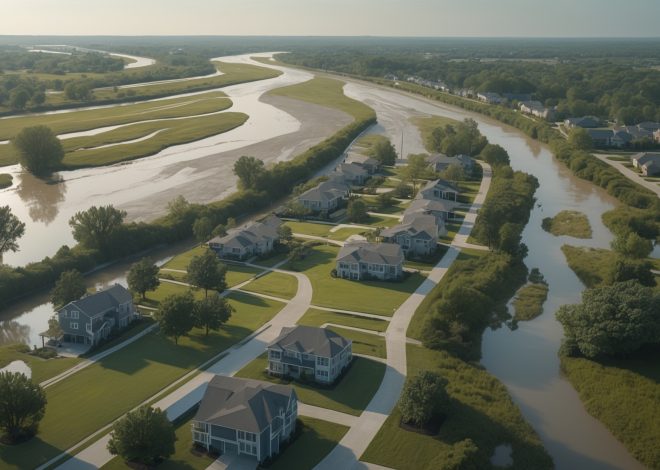
- Properties with historical flooding or located in floodplains.
- When local code compliance is unclear or documentation is needed for legal/insurance purposes.
Case Study: Upgrading Drainage in a Mid-Century Suburban Home
Background: A real estate investor purchases a 1960s ranch with chronic basement dampness and backyard flooding. The property slopes gently towards the house and has outdated, undersized gutters.
Assessment: A professional drainage survey identifies three issues: inadequate grading, missing downspout extensions, and compacted clay soil inhibiting percolation.
Solution:
- Regrading the backyard to create a swale diverting water around the house ($2,000).
- Installing 60 linear feet of French drain along the foundation ($5,000).
- Adding downspout extensions and gutter guards ($700).
- Restoring lawn and landscape beds ($800).
Results: After two years and multiple severe storms, the basement remains dry. The improved drainage also boosts curb appeal and property value, and the investor avoids future legal issues from runoff affecting neighboring lots.
Drainage Tools and Equipment Guide
For property owners planning DIY maintenance or minor upgrades, having the right tools is essential.
- Shovel and trenching spade: For digging swales or drain lines.
- Level and string line: To establish proper grading slopes (minimum 2% away from foundation).
- Drain snake or auger: For clearing blockages in pipes and downspouts.
- Wheelbarrow: Moving gravel, soil, or debris.
- Landscape fabric: To line French drains and prevent silt intrusion.
- Wet/dry vacuum: For cleaning sumps or dry wells.
- Protective gear: Gloves, boots, and eye protection, especially during excavation.
For larger projects or uncertain conditions, always rent or consult professionals with specialized equipment (mini-excavators, laser grading tools, pipe cameras).
Safety Checklist for Drainage Work
- Call 811 or your local utility locator before any digging to avoid hitting gas, electric, or water lines.
- Wear sturdy gloves and boots to prevent injuries from sharp tools or debris.
- Use shoring or trench boxes for trenches deeper than 3 feet to prevent collapse.
- Never enter a trench alone or in wet, unstable soil conditions.
- Ensure all power tools (e.g., sump pumps) are plugged into GFCI outlets to prevent shock.
- Mark all work areas clearly to prevent accidents for residents or visitors.
Conclusion: Protecting Your Investment with Smart Drainage
Investing in a robust drainage system is an often-overlooked but essential element of real estate ownership and asset management. Whether you’re a first-time homeowner, seasoned investor, or property manager, ignoring drainage is a gamble that can lead to costly repairs, lost value, and even legal trouble. Proactive planning—starting with a thorough assessment, realistic budgeting, and compliance research—sets the foundation for success. Remember that even the best-designed system needs regular upkeep: gutter cleaning, sump pump testing, and annual inspections are non-negotiable for long-term performance. When in doubt, consult local experts, and never cut corners on permits or safety. With the right approach, you’ll not only safeguard your property from water damage but also enhance its long-term value, marketability, and peace of mind. Don’t let drainage be an afterthought—make it a key pillar of your real estate strategy.
48 thoughts on “Real Estate Drainage Systems: Budgeting, Compliance, and Long-Term Maintenance Strategies”
Leave a Reply

As a small business owner managing a couple of rental properties, I’m curious how often I should schedule professional drainage assessments to make sure I’m not missing early foundation or landscape erosion problems. Is annual inspection considered sufficient or should it be done more frequently in wetter regions?
For most rental properties, having a professional drainage assessment once a year is generally sufficient to catch early signs of foundation or landscape issues. However, if your properties are located in areas with heavy rainfall or particularly wet seasons, scheduling inspections twice a year—typically before and after the wettest months—can help address potential problems early and prevent costly damage.
You mention compliance and permit requirements for drainage upgrades. In your experience, how involved is the permitting process for something like adding a dry well in a suburban US neighborhood?
The permitting process for adding a dry well in a suburban US neighborhood can vary by location, but it’s usually not overly complex. Typically, you’ll need to submit a site plan and details about the dry well’s size and location to your local building or public works department. Some areas require inspections or adhere to specific setback requirements from property lines and structures. Generally, the process involves a bit of paperwork and possibly a small fee, but as long as you follow the local guidelines, it’s manageable.
You listed permeable paving as a drainage option. Is this suitable for older properties with established landscaping, or does installation tend to disrupt existing yards more than surface drains or dry wells?
Permeable paving can be more disruptive to existing landscaping than installing surface drains or dry wells because it often requires removing current surfaces and excavating soil to create a proper base. For older properties with established yards, it may alter plant beds, lawns, or trees nearby. Surface drains and dry wells are typically less invasive, as they can often be installed in targeted areas without major yard disturbance. If preserving your landscaping is a priority, those options might be more suitable.
I’m working on my first house and noticed it already has some basic gutters and downspout extensions, but no French drains or sump pump. How do I tell if that’s really enough, or if I should invest in something more advanced like a French drain?
To decide if your current setup is sufficient, check if water pools near your foundation after rain, or if you see damp spots in your basement or crawlspace. If everything stays dry and water flows away from the house, you likely don’t need a French drain. But if you notice persistent moisture or pooling, a more advanced drainage system like a French drain or sump pump could be a wise investment.
If a property fails to comply with local drainage regulations, what are the most common legal consequences, and how can landlords or homeowners check if their system is up to code before making any changes?
Non-compliance with local drainage regulations can lead to fines, legal orders to fix the issues, or even restrictions on property use until the system meets standards. Landlords or homeowners should review their local building codes and drainage regulations, and arrange for an inspection by a licensed contractor or local authority. This ensures the current system is compliant before making any upgrades or changes.
If a property already has a surface drain system like swales, is it overkill to also install downspout extensions, or can these systems work well together without causing overflow problems?
Swales and downspout extensions can actually complement each other well. Downspout extensions direct roof water away from the foundation, while swales help move that water further across the landscape. As long as the extensions discharge into the swale or a suitable area, there shouldn’t be overflow problems. Just ensure the overall capacity of your swale matches the combined flow, especially during heavy rain.
You mentioned permitting and compliance as key parts of drainage projects. From your experience, are there particular regulations or common pitfalls I should be aware of when upgrading drainage in older homes, especially if they’re close to neighboring properties?
Upgrading drainage in older homes often triggers local permitting requirements, especially if modifications impact water flow near property lines. Common pitfalls include not accounting for setback rules, failing to prevent runoff onto a neighbor’s land, or overlooking the need for inspections. It’s important to check with your local municipality for specific codes, and consider working with a licensed contractor to ensure your plans meet current stormwater management standards.
If I have an older home with a basement that already gets a little damp after heavy rain, which drainage solution from the list would you recommend I prioritize first? Would a sump pump be enough, or should I look into French drains as well?
Given that your basement already gets damp after heavy rain, installing a sump pump is a practical first step because it actively removes water that collects inside. However, if the dampness persists or worsens, adding a French drain around the perimeter of your foundation can help redirect groundwater away from your basement, providing more comprehensive protection. Prioritize the sump pump, but consider both solutions for long-term peace of mind.
Could you elaborate a bit more on how to estimate costs for installing a French drain versus a dry well? The article mentions both options, but as a small business owner, I’d like to know what budget range I should expect for each type on a commercial property.
For commercial properties, installing a French drain typically costs between $25 to $50 per linear foot, depending on materials, depth, and site conditions. A dry well installation usually ranges from $1,500 to $4,000, varying with size and soil requirements. French drains are better suited for managing surface water along foundations, while dry wells handle stormwater in specific locations. Site-specific factors and local regulations can affect pricing, so it’s wise to get multiple estimates from contractors familiar with commercial drainage systems.
When budgeting for drainage improvements, are there affordable short-term fixes families can use while saving up for a more permanent solution? Sometimes we have to prioritize projects with limited funds, and drainage isn’t always at the top of the list.
Absolutely, there are a few budget-friendly short-term solutions that can help manage drainage issues. Installing temporary downspout extenders, using gravel-filled trenches, or redirecting water with simple landscape grading are affordable options. These steps can minimize water pooling or erosion until you’re ready to invest in a long-term drainage system. Just remember to monitor these fixes, as they may need regular adjustments or maintenance.
How much should I expect to budget for a basic French drain versus a dry well, and are there specific signs I should look for to know which one my property needs most?
For a basic French drain, you can typically expect to budget between $20 to $30 per linear foot, depending on materials and labor. A dry well usually costs around $500 to $2,500, varying with size and installation complexity. If you notice surface water pooling or soggy ground, a French drain may help. If your main concern is redirecting roof runoff or managing large water volumes from downspouts, a dry well could be more suitable. Assess where water collects and the drainage patterns to decide which solution best fits your property.
For landlords managing multiple rental properties, are there any best practices for scheduling routine drainage checks to avoid surprise repair costs or potential legal disputes with tenants or neighbors?
For landlords with multiple rental properties, it’s smart to schedule routine drainage inspections at least twice a year—ideally in spring and fall. Keep thorough records of each inspection and any maintenance performed. Also, align your checks with local weather patterns and regulations. Communicate upcoming checks to tenants in advance and encourage them to report drainage issues promptly. This proactive approach can help you catch problems early, reduce repair costs, and minimize the risk of legal disputes.
Do you have any advice for prioritizing drainage upgrades if budget is limited? For example, should I start with surface drains or address downspout extensions first, or is it better to tackle everything at once?
When working with a limited budget, it’s usually best to address the most urgent drainage issues first. Start with solutions that prevent water from reaching your foundation, such as extending downspouts and redirecting runoff away from buildings. Once those basics are covered, you can move on to surface drains or other upgrades as funds allow. Tackling everything at once isn’t necessary if you handle the most critical risks in order.
If you have a yard that’s mostly flat with clay-heavy soil, would permeable paving still be effective for drainage, or would you recommend something like a sump pump or French drain instead?
Permeable paving can help with surface water, but clay-heavy soil tends to drain slowly, limiting its effectiveness. In flat yards with this soil type, a French drain is often more reliable for moving water away from your property. Sump pumps are typically used for basements or areas prone to pooling. You might get the best results by combining permeable paving with a French drain to handle both surface and subsurface water.
The article talks about budgeting for both new and upgraded drainage systems. Are there any ballpark costs or average price ranges for the different types of drainage solutions listed, like sump pumps versus permeable paving?
The article doesn’t give exact prices, but I can share some general ranges. Sump pump installation typically costs between $1,000 and $3,000, depending on features and location. French drains usually run $2,000 to $6,000 for a moderate yard. Permeable paving is more expensive, often $8 to $15 per square foot installed. Costs can vary widely with property size and local labor rates, so getting a few quotes is always a good idea.
For properties with permeable paving, do you have recommendations on the best way to keep these systems working efficiently in areas with clay-heavy soil? I’m concerned about potential clogging and the long-term maintenance involved.
With permeable paving in clay-heavy soil, regular maintenance is key to prevent clogging. It’s helpful to sweep surfaces frequently and occasionally use a vacuum sweeper to remove fine sediments. Annually, check for water pooling after rain—this can signal blockages below. If needed, pressure washing and clearing the joints between pavers can restore permeability. You might also consider installing an underdrain system to help water move through stubborn clay subsoils more efficiently.
For budgeting purposes, do you have any ballpark estimates on the installation and ongoing maintenance costs for sump pumps versus surface drains? I want to set realistic expectations before upgrading the drainage on my rental property.
For installation, sump pumps typically range from $1,000 to $3,000 depending on features and location, while surface drains (like French drains) usually cost between $2,000 and $6,000. For annual maintenance, sump pumps may run $150 to $300, mainly for inspections and cleaning, while surface drains often cost less, around $100 to $200 per year. Actual costs can vary based on property size and local rates, so it’s wise to get a few quotes.
If I walk the perimeter after rain as suggested and spot pooling near my foundation, what’s the most urgent next step? Do I need a professional assessment immediately, or are there simple DIY fixes I can try first?
If you notice pooling water near your foundation after rain, it’s important to act quickly to prevent damage. First, check your gutters and downspouts to ensure they’re clear and directing water away from the house. You can also regrade soil to slope away from the foundation or add downspout extensions. If pooling persists after these steps, it’s wise to contact a professional for a thorough assessment.
Could you explain what kinds of permits might be required for adding a sump pump or French drain in an older home, and whether failing to comply could create legal issues with neighboring properties?
For adding a sump pump or French drain in an older home, you often need local building permits, especially if the work involves altering drainage or connecting to municipal systems. Some areas may also require plumbing or grading permits. Not obtaining proper permits can lead to legal issues, including fines or being required to undo the work. Importantly, non-compliance could result in liability if poor drainage impacts neighboring properties, so it’s wise to check with your local building department first.
For long-term maintenance, are some solutions like permeable paving or dry wells lower-maintenance over the years compared to sump pumps or French drains, especially in areas with heavy rainfall?
Permeable paving and dry wells generally require less ongoing maintenance than sump pumps or French drains. Permeable paving mainly needs periodic cleaning to prevent clogging, while dry wells need occasional inspection for sediment buildup. Sump pumps and French drains often involve more frequent checks, especially after heavy rain, and pumps may need repair or replacement over time. In heavy rainfall areas, passive solutions like permeable paving or dry wells can be cost-effective and lower-maintenance if sized and installed correctly.
The article mentions compliance and permit requirements for drainage upgrades. How can I find out what specific permits or regulations apply in my area before starting a project like installing a sump pump or French drain?
To find out which permits or regulations apply in your area, contact your local building or planning department—they can provide the most accurate requirements for drainage projects like sump pumps or French drains. You can also check your city or county’s official website, which often lists permit guidelines and application forms. It’s important to confirm these before starting any work to avoid fines or delays.
If I’m budgeting for a drainage upgrade like a sump pump or permeable paving, what kind of price range should I expect, and are there hidden costs for permits or ongoing maintenance that I should plan for up front?
For a sump pump installation, you can expect to pay anywhere from $1,000 to $4,000 depending on the complexity and type. Permeable paving usually ranges from $8 to $20 per square foot installed. Don’t forget to budget for permits, which can add a few hundred dollars depending on local regulations. Also, ongoing maintenance—like cleaning or pump servicing—should be factored in, typically costing $100–$300 annually.
If I notice pooling water near my foundation after a heavy rain, does that always mean my current drainage system isn’t sufficient? What’s the best first step to assess the issue before committing to any upgrades?
Pooling water near your foundation can be a sign of drainage issues, but it doesn’t always mean your entire system is inadequate—sometimes it’s a temporary blockage or grading problem. The best first step is to inspect your gutters, downspouts, and any drains for clogs or damage, and check if the ground slopes away from the foundation. If nothing obvious stands out, consider consulting a drainage professional for an assessment before planning any upgrades.
When it comes to compliance, what permits should I be aware of before installing a sump pump or modifying gutters? Are there major differences in local codes that could delay a drainage upgrade project?
Before installing a sump pump or making changes to gutters, you’ll typically need to check for local permits—these might include plumbing, electrical, or general building permits. Requirements can vary widely between cities or counties, so it’s important to contact your local building authority first. Differences in codes or approval times can definitely delay projects, especially in areas with strict stormwater management rules or homeowner association guidelines.