

Real Estate Gutter Systems: Maintenance Best Practices and Cost-Saving Tips
Introduction: Why Gutter Maintenance Matters for Real Estate Owners
When it comes to real estate, certain elements of a property are easy to overlook—until they cause major headaches. Gutters are a classic example. While they may seem like a minor exterior feature, well-maintained gutter systems are a critical defense against water damage, foundation problems, landscaping erosion, and even pest infestations. In fact, neglected gutters are one of the most common culprits behind costly property repairs, especially after heavy rains or storms. For property owners, investors, and managers, understanding gutter maintenance isn’t just about aesthetics—it’s about safeguarding property value, staying compliant with local codes, and ensuring tenant satisfaction.
This guide delivers clear, actionable strategies for maintaining real estate gutter systems, breaking down inspection steps, cleaning schedules, cost-saving tactics, and compliance considerations. Whether you own a single-family rental, manage multifamily units, or oversee commercial portfolios, you’ll find best practices tailored to your needs. By implementing the methods below, you can extend the lifespan of your gutter system, minimize repair expenses, and avoid the domino effect of water-related property damage.
The Role of Gutters in Property Protection
Preventing Water Damage
Gutters channel rainwater and melting snow away from the roof and foundation, protecting vital structural elements. Clogged or damaged gutters allow water to overflow, seeping into foundations, crawl spaces, and basements. This can cause:
- Foundation cracks and settling
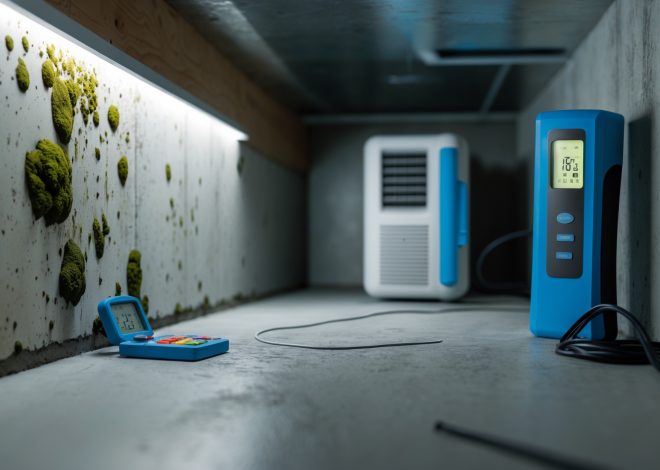
- Mold and mildew growth
- Interior leaks and drywall damage
- Rotting fascia, soffits, and siding
Preserving Landscaping and Exterior Surfaces
Overflowing gutters erode soil, destroy plantings, and cause unsightly staining on siding and walkways. Maintaining proper water flow preserves curb appeal and helps avoid costly landscaping repairs.
Compliance and Liability
In many municipalities, property codes require functional gutters to prevent hazardous conditions, such as icy walkways or mold growth. Failing to maintain gutters can lead to code violations, fines, or even liability if water damage impacts neighboring properties or tenants’ safety.
Essential Gutter Maintenance Tasks: A Year-Round Checklist
1. Inspection
Regular gutter inspection is the cornerstone of preventative maintenance. Schedule comprehensive inspections at least twice a year—preferably in late spring and early fall—and after major storms.
- Look for:
- Clogs or debris buildup (leaves, twigs, shingle granules)
- Cracks, holes, or leaks in gutter channels
- Loose, sagging, or misaligned sections
- Rust, corrosion, or paint flaking (on metal gutters)
- Separated or leaking seams and joints
- Downspout blockages or disconnected extensions
2. Cleaning
Remove debris from gutters and downspouts to ensure unimpeded water flow. For most properties, spring and autumn cleanings are sufficient, but homes with overhanging trees may require quarterly or even monthly attention.
- Use a sturdy ladder and wear gloves for protection.
- Scoop debris into a bucket or drop cloth; avoid pushing it into downspouts.
- Flush gutters and downspouts with a garden hose to check flow and reveal hidden leaks.
3. Repairs and Upkeep
Promptly address minor gutter issues to prevent escalation:
- Seal small holes and leaking seams with gutter sealant or silicone caulk.
- Replace damaged hangers or fasteners to correct sagging sections.
- Reconnect or extend downspouts to direct water at least 6 feet from the foundation.
- Touch up chipped paint or treat rust spots to prevent corrosion.
4. Seasonal Adjustments
- In winter, check for ice dams and clear snow buildup from the roof edge to prevent overflow and gutter damage.
- In spring, inspect gutters after heavy pollen or seed drop.
Cost-Saving Strategies for Gutter Maintenance
DIY vs. Professional Services
For accessible, single-story properties, DIY cleaning and minor repairs can save $100–$250 per visit. However, multi-story buildings, complex rooflines, or extensive repairs warrant professional attention for safety and efficiency. Compare costs:
- Professional gutter cleaning: $100–$300 per service, depending on property size and height
- Gutter guard installation: $7–$15 per linear foot, but reduces cleaning frequency
- Gutter replacement: $6–$20 per linear foot (materials and labor)
Investing in Gutter Guards
Gutter guards or screens prevent most debris from entering the gutters, reducing cleaning frequency by up to 75%. They’re especially cost-effective for rental properties with mature trees or absentee owners. Choose guards compatible with your gutter type (screen, mesh, foam, or surface tension).
Scheduled Maintenance Plans
Some property management companies and local contractors offer annual or semi-annual gutter maintenance plans at discounted rates. Bundling services (e.g., roof and gutter inspection together) can save on travel and labor costs.
Preventing Expensive Repairs
Ignoring gutter maintenance often leads to foundation repairs ($2,000–$10,000+), water-damaged siding ($500–$4,000), and interior mold remediation ($1,000–$6,000). Spending a few hundred dollars each year on proactive maintenance can prevent these five-figure disasters.
Tools and Equipment Guide for Property Owners
Basic Tools for DIY Gutter Maintenance
- Extension ladder with stabilizer arms
- Work gloves and eye protection
- Plastic gutter scoop or small trowel
- Garden hose with spray nozzle
- Bucket or tarp for debris collection
- Gutter sealant or silicone caulk
- Drill or screwdriver (for tightening fasteners and brackets)
Optional Tools for Efficiency
- Telescoping gutter cleaning wands (for single-story properties)
- Pressure washer with gutter cleaning attachment (for stubborn buildup)
- Inspection camera or smartphone with selfie stick (for hard-to-see sections)
Safety Equipment
- Non-slip shoes
- Safety harness (for multi-story work or steep roofs)
- Helper or spotter when working on ladders
Compliance and Permit Considerations
Local Building Codes
Many municipalities require functional gutter systems as part of property maintenance codes. These requirements may specify:
- Minimum gutter size and materials
- Proper drainage away from foundations and sidewalks
- Downspout extension length
- Prohibition of water discharge onto neighboring properties
Before installing new gutters or replacing existing systems, check with your local building department. Permits are rarely required for routine cleaning or minor repairs, but major gutter replacements or rerouting may trigger permit requirements, especially in historic districts or multi-family buildings.
HOA and Insurance Requirements
Some homeowners’ associations (HOAs) dictate gutter color, style, and maintenance schedules. Failure to comply can result in fines. Additionally, some insurance policies may deny water damage claims if neglect of gutter maintenance is determined to be the cause.
Common Gutter Maintenance Mistakes and How to Avoid Them
- Neglecting Hidden Gutters: Box gutters or built-in systems on older properties are easy to forget and harder to service. Schedule specialist inspections if you own historic or architecturally unique buildings.
- Overlooking Downspouts: Clogs often start in downspouts. Always flush these after cleaning gutters, and use downspout guards to prevent blockages.
- Poor Ladder Safety: Most gutter-related injuries involve ladders. Never overreach, and always use stabilizers and a helper.
- Improper Slope or Pitch: Gutters should slope ¼ inch for every 10 feet toward the downspout. If water pools, adjust hangers or consult a pro.
- DIY Overreach: Don’t attempt repairs beyond your skill level, especially on multi-story buildings or steep roofs. Call a professional to avoid injury and property damage.
Step-by-Step Gutter Maintenance Tutorial
1. Preparation
- Notify tenants or occupants of upcoming maintenance.
- Gather tools, safety equipment, and debris disposal materials.
- Set up ladder on firm, level ground; use stabilizers for safety.
2. Cleaning
- Work in small sections, starting near a downspout.
- Remove large debris by hand or with a scoop.
- Collect debris in a bucket or tarp below.
- Flush gutters with a hose, checking for leaks or poor drainage.
3. Inspection and Minor Repairs
- Check for loose fasteners or brackets and tighten as needed.
- Seal small leaks with caulk or gutter sealant.
- Ensure downspouts are clear and extensions are secure.
4. Final Checks
- Confirm water flows freely from gutters to downspouts and away from the foundation.
- Remove all tools and debris from the property.
- Update maintenance records for compliance and future planning.
Advanced Tips for Real Estate Investors and Managers
Multifamily and Commercial Properties
Larger buildings with flat roofs may have internal drainage systems or scuppers instead of traditional gutters. These require regular inspection for blockages and ponding. Schedule professional inspections biannually and after storms.
Remote or Out-of-State Properties
For absentee owners, contract with local maintenance providers and require photo documentation after each service. Use smart sensors to monitor water flow and detect blockages in real-time for critical properties.
Documenting Maintenance
Keep detailed records of all gutter maintenance activities, including dates, photos, and invoices. This documentation is invaluable for insurance claims, code enforcement, and property resale.
Conclusion: Protecting Your Investment Through Proactive Gutter Care
Gutter maintenance is one of the highest-return, lowest-cost investments you can make in your real estate portfolio. By following a strategic maintenance schedule, using the right tools, and addressing issues before they escalate, you’ll safeguard your property’s foundation, exterior, and value for years to come. Not only does proper gutter care prevent expensive structural repairs, but it also helps you maintain compliance with local codes and insurance policies, reducing risk and liability.
Whether you manage a single rental or a portfolio of properties, make gutter maintenance a non-negotiable part of your routine. Invest in gutter guards if you want to minimize ongoing cleaning, and don’t hesitate to hire professionals for complex or high-access jobs. Always document your work, keep up with local regulations, and educate tenants about the importance of proper drainage. By doing so, you’ll enjoy peace of mind, preserve curb appeal, and ensure your real estate investments continue to deliver reliable returns—rain or shine.
62 thoughts on “Real Estate Gutter Systems: Maintenance Best Practices and Cost-Saving Tips”
Leave a Reply



For someone working with a tight maintenance budget, which preventative measures would have the most impact on reducing long-term gutter repair expenses?
Focusing on regular cleaning is the most cost-effective preventative measure, as it stops clogs and water damage that lead to expensive repairs. Also, inspecting gutters for leaks and making small repairs early can prevent bigger problems down the road. Installing inexpensive gutter guards can help reduce debris buildup, minimizing the need for frequent cleaning. These basic steps help avoid major structural issues and prolong the life of your gutter system without straining your budget.
What are some cost-saving tactics for gutter repairs or replacements, especially for owners managing multifamily units where expenses can add up quickly? Are certain gutter materials or designs more budget-friendly in the long run?
For multifamily units, scheduling regular inspections and cleanings can help catch minor issues before they turn into costly repairs. Seamless aluminum gutters are often a budget-friendly, durable choice over time, as they resist rust and leaks. Investing in gutter guards can reduce cleaning frequency and prevent damage. Also, getting quotes for bulk repairs or installations may lead to discounts from contractors.
Could you elaborate more on how often gutter inspections should be scheduled for multifamily properties compared to single-family rentals? I want to make sure I am not overlooking any critical differences in recommended cleaning schedules for different types of real estate.
For multifamily properties, gutter inspections should typically be done at least three times a year—spring, late summer, and after fall—to account for larger roof areas and increased debris. For single-family rentals, twice a year (spring and fall) is usually sufficient unless the property is surrounded by trees. Multifamily units often accumulate debris faster, so more frequent checks help prevent costly water damage.
I see that gutters play a role in compliance and liability for property owners. Are there specific local codes or standards that I should be aware of for multifamily properties?
Yes, there are often local building codes and standards related to gutters for multifamily properties, which can vary by city or county. These may cover proper drainage, gutter size, downspout placement, and maintenance requirements to prevent water damage and safety hazards. It’s best to check with your local building department or a licensed contractor to ensure your property meets all regulations.
I’ve had struggles with landscaping erosion caused by overflowing gutters. Do you think installing wider downspouts or additional drainage features is more effective for redirecting heavy rainfall, and is the extra upfront investment typically justified by lower long-term repair costs?
Installing wider downspouts and adding drainage features can both help manage heavy rain, but combining them often provides the best results. Wider downspouts handle larger volumes of water, reducing overflow, while drainage solutions like extensions or French drains direct water away from your landscaping. While the initial cost is higher, most homeowners find the investment worthwhile since it prevents erosion and costly repairs over time.
The article mentions cost-saving tactics for gutter upkeep. Are there certain types of gutter guards or DIY methods that are actually worth the investment in the long run, or is it best to just stick to regular cleaning?
Both quality gutter guards and regular cleaning have their merits. Investing in well-reviewed gutter guards can significantly reduce debris buildup and the frequency of cleanings, saving time and labor costs over the years. However, not all guards are equal—sturdy metal mesh or micro-mesh types often perform better long-term than plastic versions. DIY guard installations can save on upfront costs if done carefully. For many homeowners, a combination of periodic cleaning and reliable guards offers the best balance of protection and cost savings.
For property managers overseeing several buildings with different gutter materials, do you have advice on adjusting cleaning schedules or inspection steps based on whether the gutters are aluminum, vinyl, or copper?
Yes, cleaning and inspection should be adjusted based on gutter material. Aluminum gutters are durable but can dent, so inspect for dings and corrosion every 6 months. Vinyl gutters may crack in extreme temperatures, so check for splits after seasonal changes and clean at least twice a year. Copper gutters resist rust but develop patina; inspect for loose joints and clean annually, avoiding harsh chemicals. Tailoring your schedule helps maintain each type’s lifespan and performance.
You mentioned that clogged gutters can lead to issues like mold and interior leaks. If I already see some staining on my siding, does that mean gutter-related water damage has started, and what immediate steps should I take to prevent it from getting worse?
Staining on your siding can be an early sign that water from clogged gutters is spilling over and possibly starting to cause damage. To prevent it from getting worse, clear out any debris from your gutters right away and ensure downspouts are directing water away from your foundation. After cleaning, inspect the stained areas for any softness or mold, and consider sealing or repainting once they are dry. Regular gutter checks will help prevent future problems.
For properties in areas with heavy tree coverage, what are the best practices for preventing clogged gutters? Is investing in gutter guards really worth the extra expense or are there better alternatives?
For properties with lots of trees nearby, regular gutter cleaning (at least twice a year, or more during peak leaf fall) is essential to prevent clogs. Trimming back overhanging branches can also help. Gutter guards can be worth the investment as they reduce cleaning frequency, but they aren’t maintenance-free—you’ll still need to check for buildup. For many homeowners, a combination of guards and scheduled inspections offers the best long-term protection and convenience.
With so many different types of gutter materials out there, do certain options require less maintenance or last longer, especially for someone who manages multiple rental properties?
Yes, some gutter materials are definitely lower maintenance and more durable than others. Aluminum gutters are popular because they resist rust and need little upkeep. Vinyl is also low-maintenance, though it may not last as long in extreme weather. Copper and stainless steel gutters tend to last the longest and require very little maintenance, but they have a higher upfront cost. For multiple rental properties, aluminum strikes a good balance between cost, durability, and minimal upkeep.
If a gutter system already shows signs of rotting fascia or water stains on walkways, what are the first repair steps a cautious buyer should prioritize to prevent further damage?
If you notice rotting fascia or water stains, start by clearing any blockages in the gutters and downspouts. Next, repair or replace damaged sections of fascia to prevent further water intrusion. It’s also important to reseal joints and check for proper gutter slope, so water flows away from the house. Addressing these issues early helps prevent more serious structural damage.
I just bought my first rental property and want to avoid foundation issues. How often should I realistically check and clean my gutters throughout the year to prevent major water damage?
To prevent water damage and protect your rental property’s foundation, you should check and clean your gutters at least twice a year—once in the spring and again in the fall. If your property is near trees, consider checking them every three months. After major storms, a quick inspection is also a good idea to ensure nothing is blocked or overflowing.
If a property already has some water damage from clogged gutters, what are the recommended first steps to address the underlying issues before making cosmetic repairs?
Before making any cosmetic repairs, start by clearing out the clogged gutters and downspouts to prevent more water buildup. Next, thoroughly inspect areas affected by water damage—especially fascia, soffits, and siding—for rot or mold. Address any underlying structural or moisture problems first: replace damaged wood, treat mold, and ensure proper drainage away from the foundation. Only after resolving these issues should you proceed with cosmetic fixes like repainting or patching.
I’m curious if there are any affordable gutter guard options for multifamily units that actually work. Do you have recommendations for saving on maintenance costs without risking compliance issues or water damage?
For multifamily units, affordable gutter guard options like micro-mesh screens or aluminum reverse-curve guards are popular and effective at keeping out leaves and debris. These types are relatively low-cost and easy to install, which can help save on ongoing maintenance. Always ensure that any guards installed comply with local building codes and don’t alter water flow away from the structure. Regular inspections after installation are still important to avoid water damage and maintain compliance.
For older buildings with aging drainage systems, how can I tell if it’s better to repair or completely replace the gutter system, especially regarding foundation protection?
For older buildings, check for persistent leaks, sagging, rust, or sections pulling away from the roof—these are signs replacement might be needed. If repairs are frequent and issues near the foundation continue, a full replacement is often safer for foundation protection. However, if only minor damage or clogs are present, repairs could suffice. Consulting a professional for an assessment can give you the clearest answer.
I’ve noticed signs of mold near my basement after heavy rain, and my gutters tend to overflow. Could neglected gutters be the main reason for this, and what are the best first steps to address both problems?
Overflowing gutters can definitely cause water to pool near your home’s foundation, which may lead to basement mold. The best first steps are to clean out your gutters and downspouts to remove debris, check that they are securely attached and sloped correctly, and ensure downspouts direct water away from your house. Address any leaks or damage right away to prevent further moisture problems.
Could you clarify what types of gutter damage might require immediate professional repair versus those that can be handled with regular DIY maintenance? I want to avoid larger costs down the road but still keep the process manageable.
Sure! Issues like sagging gutters, major leaks, separated joints, or gutters pulling away from the house usually call for immediate professional repair to prevent water damage to your property. On the other hand, cleaning out debris, tightening loose fasteners, or sealing small leaks with gutter sealant can often be handled as DIY maintenance. Addressing minor issues early keeps costs down, but don’t delay if you see structural damage or persistent leaks.
When gutters overflow and cause staining on walkways or siding, what are some practical remediation steps you suggest? Is it usually enough to just clean the gutters going forward, or should property owners be looking into more involved repairs to prevent recurring damage?
Cleaning gutters regularly is essential, as clogs are a common cause of overflow and staining. After cleaning, inspect for any misaligned or damaged sections that might allow water to spill over. If stains persist or overflow happens even when gutters are clean, it may be necessary to repair or upgrade gutter systems, add downspout extensions, or improve drainage around the property to prevent future issues.
I noticed the article discusses both residential and commercial gutter needs. Are there any major differences in maintenance schedules or recommended cleaning methods between single-family rentals and larger multifamily or commercial properties?
Yes, there are some key differences. Single-family rentals usually need gutter cleaning once or twice a year, depending on surrounding trees. Larger multifamily or commercial properties often require more frequent checks—sometimes quarterly—due to bigger roof areas and more debris accumulation. For commercial buildings, professional cleaning and inspections are recommended, especially to ensure all downspouts and drainage systems remain clear and effective.
If a property is in an area with frequent storms, are there any budget-friendly upgrades or add-ons to gutter systems that can help prevent overflow or clogs besides regular cleaning?
For properties in storm-prone areas, you can add gutter guards or screens, which help block leaves and debris while letting water flow through. Splash blocks or downspout extenders are also inexpensive ways to direct water farther from the foundation. Additionally, installing larger downspouts can improve water flow and reduce the risk of overflow, all without a big upfront cost.
I’m curious about cost-saving strategies outlined here—are there certain gutter materials or designs that require less frequent maintenance or are more cost-effective for long-term property management?
Yes, some gutter materials and designs are more cost-effective in the long run. Aluminum and vinyl gutters typically need less maintenance and are affordable upfront. Seamless gutters, regardless of material, reduce the risk of leaks and clogs, which means fewer repairs over time. Additionally, installing gutter guards can greatly decrease cleaning frequency. Investing in these options can save you both maintenance time and repair costs over the years.
For a small business with a tight budget, are there low-cost methods or preventative tools mentioned to reduce how often I’ll need professional gutter cleaning? I’m hoping to keep maintenance costs down while still protecting my property.
Yes, the article highlights a few low-cost ways to limit how often you’ll need professional gutter cleaning. Regularly removing debris yourself with a ladder and gloves is a budget-friendly option. Installing inexpensive gutter guards or mesh screens can also prevent clogs and reduce buildup, which means less frequent cleanings. These simple steps can help protect your property and lower maintenance expenses.
What are the most effective cost-saving tactics for maintaining gutters on a budget, particularly for someone who owns several rental properties?
To keep gutter maintenance affordable across multiple rental properties, consider scheduling regular inspections to catch issues early, which prevents costly repairs. Clean gutters yourself or hire a local service for bulk discounts. Installing gutter guards can reduce how often you need cleanings. Also, educate tenants to report blockages or overflow right away so you can address problems before they escalate.
Could you explain how to spot early signs of issues like rotting fascia or siding due to gutter problems? I want to catch problems before they turn into expensive repairs but I’m not sure what to look for.
To catch early signs of gutter-related issues like rotting fascia or siding, look for peeling paint, water stains, or discoloration on the wood or siding near your gutters. Soft or spongy spots on the fascia board can indicate rot. Also, check for mold, mildew, or any warping of the siding. If you notice gutters pulling away from the roofline, that’s another warning sign. Regular inspections after heavy rain can help you spot these issues early.
Could you provide more details about cost-saving tactics—are there particular materials or gutter designs that help reduce long-term maintenance and repair expenses?
Aluminum gutters are a popular cost-saving choice because they’re lightweight, rust-resistant, and relatively affordable. Seamless gutter designs also help reduce maintenance, as they have fewer joints where leaks and clogs can develop. Opting for larger gutter sizes can prevent blockages, while adding gutter guards minimizes debris buildup, both of which lower repair and cleaning costs over time.
When maintaining gutters to prevent landscaping erosion and exterior staining, are there particular gutter system upgrades or add-ons—like gutter guards or extensions—that you find especially helpful or worth the investment?
Yes, certain upgrades can make a big difference in preventing erosion and staining. Gutter guards help keep debris out, reducing clogs and overflow that could damage landscaping. Downspout extensions are also effective, as they channel water farther from your foundation, minimizing soil erosion and splash-back that causes stains. Both are generally worth the investment for long-term protection and reduced maintenance.
I’m curious about what the best cost-saving strategies are for gutter maintenance, especially for large multifamily buildings. Are there particular materials or cleaning methods that help cut down on long-term expenses?
For large multifamily buildings, using seamless aluminum gutters can lower long-term costs since they resist rust and leaks. Installing quality gutter guards reduces the need for frequent cleanings. Scheduling professional cleanings twice a year, especially after fall, prevents major blockages and damage. Opting for routine inspections can catch minor issues early, saving on expensive repairs down the road.
If a homeowner wants to handle gutter cleaning themselves to save money, what safety precautions or tools would you recommend to avoid injury or property damage?
If you’re cleaning gutters yourself, use a sturdy ladder placed on level ground and always have someone nearby for assistance. Wear gloves to protect your hands from sharp debris, and consider safety glasses to guard your eyes. Use a scoop or small garden trowel for debris, and never lean too far out from the ladder. Avoid working on roofs or ladders in wet or windy conditions to prevent slips or falls.
Regarding cost-saving tactics for gutter upkeep, are there specific materials or gutter guards that you’ve found strike the best balance between price and performance, especially for those managing multiple properties?
For managing several properties, aluminum gutters tend to offer the best balance of affordability and durability. As for gutter guards, micro-mesh options made from stainless steel are a bit pricier upfront but reduce cleaning needs and last longer than cheaper plastic alternatives. Choosing mid-range products in these categories usually provides solid long-term value without breaking the budget.
Since compliance and liability were mentioned, do you know what local codes or insurance requirements I should look into regarding gutter upkeep as a landlord? I want to make sure I’m following proper guidelines.
For gutter upkeep as a landlord, check your city or county’s property maintenance codes, which often require keeping gutters clear to prevent water damage. Also, review your property insurance policy, as some insurers expect regular maintenance to avoid claim denial. If your rental is part of an HOA, they may have additional rules. Contact your local building department or a qualified property manager for area-specific requirements.
For owners on a tight budget, what are some truly effective cost-saving tactics you recommend for maintaining gutter systems without compromising on property protection?
To save money while keeping your gutters effective, clear debris by hand regularly instead of hiring a service, especially after heavy storms or in the fall. Use a sturdy ladder and gloves for safety. Install inexpensive mesh gutter guards to keep out leaves and reduce cleaning frequency. Check for leaks or loose fasteners yourself after rains, sealing minor gaps with affordable gutter sealant. Consistent DIY checks and basic maintenance can help you avoid bigger, costly repairs down the road.