
Winterizing Rental Properties: A Step-by-Step Guide for Landlords
Introduction
For landlords, winter isn’t just about shoveling snow—it’s a crucial time to safeguard your rental investment from seasonal hazards. Frozen pipes, roof leaks, and skyrocketing heating bills can quickly turn profitable rentals into expensive headaches. Proactive winterization isn’t just a preventative measure; it’s a strategic necessity that can save you thousands in emergency repairs, keep tenants happy, and preserve your property’s long-term value. Whether you manage a single-family rental, a duplex, or a multi-unit complex, a detailed approach to winterizing ensures you’re shielded from the unpredictable extremes of cold weather.
This comprehensive guide walks you through every essential step for winterizing rental properties. We’ll break down practical tasks, associated costs, required tools, and provide actionable tips based on industry best practices. From inspecting heating systems and sealing drafts to exterior maintenance and communicating with tenants, you’ll learn how to execute a thorough winterization plan—no matter your experience level. By the end, you’ll be equipped to create a safe, energy-efficient, and resilient property portfolio ready to withstand winter’s toughest challenges.
Why Winterization Matters for Landlords
Preventing Costly Winter Damage
Cold snaps and blizzards can cause devastating damage to properties that aren’t properly prepared. Frozen pipes, ice dams, and HVAC failures are among the most common (and expensive) winter emergencies landlords face. A single burst pipe can result in thousands of dollars in water damage and insurance claims. Implementing a winterization checklist dramatically reduces these risks.
Protecting Tenant Well-Being and Comfort
Reliable heating, draft-free interiors, and clear walkways aren’t just luxuries—they’re basic tenant expectations. Fulfilling these responsibilities minimizes complaints, boosts tenant retention, and can protect you from liability claims related to slips, falls, or unsafe living conditions.
Maintaining Property Value and Curb Appeal
Seasonal maintenance preserves the structural integrity and aesthetic appeal of your rental. Timely winterization prevents long-term deterioration caused by moisture, ice, and temperature fluctuations, ensuring your investment remains attractive to future tenants and buyers.
Step-by-Step Winterization Checklist
1. Inspect and Service Heating Systems
- Furnaces and Boilers: Schedule a professional inspection and tune-up. Change filters, check for leaks, and test thermostat accuracy. Clean vents and ensure unobstructed airflow.
- Radiators: Bleed radiators to remove trapped air. Check for cold spots and repair leaks.
- Baseboard Heaters: Vacuum dust and debris; inspect wiring for wear.
- Space Heaters: Ensure only approved, safe models are used. Communicate guidelines to tenants.
Estimated Cost: $100–$250 per system for professional servicing.
2. Seal Drafts and Insulate
- Weatherstripping: Apply around doors and windows. Replace cracked or missing strips.
- Caulking: Seal gaps and cracks along window frames, siding, and exterior joints.
- Insulation: Upgrade attic, basement, and crawlspace insulation to recommended R-values for your region. Insulate exposed pipes to prevent freezing.
Estimated Cost: $10–$50 for weatherstripping/caulking; $300+ for insulation upgrades (DIY or pro).
3. Protect Plumbing Systems
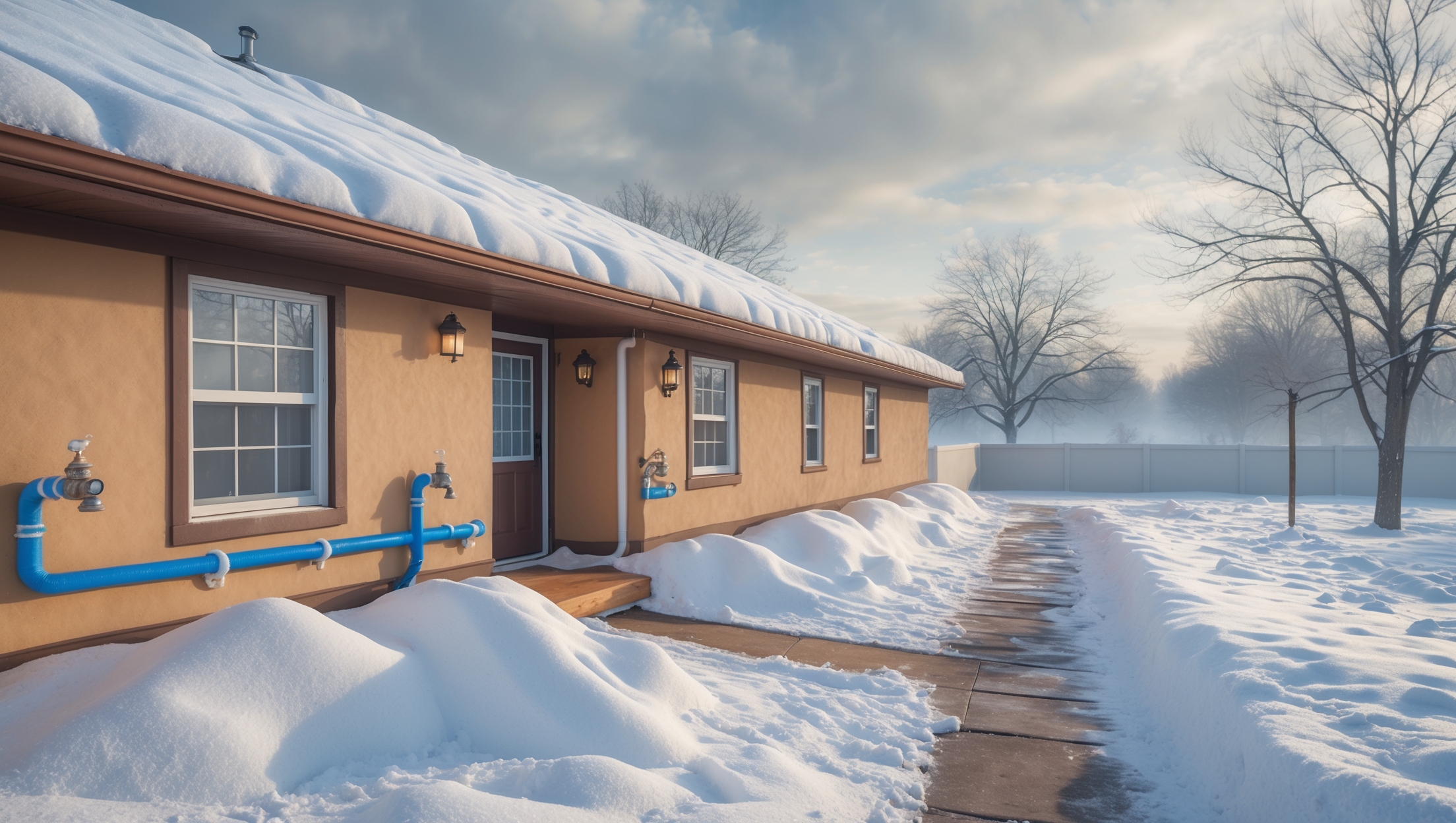
- Outdoor Faucets: Shut off and drain exterior hose bibs. Install insulated covers.
- Exposed Pipes: Wrap pipes in unheated areas with foam or fiberglass insulation sleeves.
- Interior Precautions: Advise tenants to keep cabinet doors open under sinks and maintain a minimum temperature (usually 55°F/13°C) during cold snaps.
- Water Main Shutoff: Clearly mark the shutoff valve and ensure tenants know its location in case of emergencies.
Estimated Cost: $2–$10 per faucet cover; $0.50–$1.50/ft for pipe insulation.
4. Roof, Gutter, and Downspout Maintenance
- Clean Gutters and Downspouts: Remove leaves and debris to prevent ice dams and water backups.
- Inspect Roof: Look for damaged shingles, flashing issues, or signs of leaks. Address repairs before snow accumulation.
- Install Gutter Guards: Consider adding guards to minimize debris buildup in future seasons.
Estimated Cost: $150–$300 for professional gutter cleaning; roof repairs vary by severity.
5. Exterior Preparations
- Walkways and Driveways: Repair cracks, seal surfaces, and ensure a safe, level walking area. Stock up on de-icing materials (pet-safe salt, sand).
- Outdoor Equipment: Store or cover lawn furniture, grills, and garden tools.
- Trees and Shrubs: Prune overhanging branches to reduce ice/snow damage risk.
Estimated Cost: $30–$100 for de-icing supplies; $100–$500 for tree trimming.
6. Interior Winterization Tasks
- Check Smoke and CO Detectors: Test and replace batteries. Ensure detectors are up to code.
- Window and Door Locks: Inspect and lubricate locks. Replace if necessary for security.
- Curtains and Blinds: Install thermal curtains to retain heat and reduce drafts.
- Humidity Control: Provide dehumidifiers for basements or areas prone to condensation.
Estimated Cost: $15–$50 per detector; $30–$100 for thermal curtains.
7. Emergency Preparedness
- Snow Removal Plans: Arrange for prompt snow and ice clearing. Clarify responsibilities with tenants (especially in multi-unit or single-family rentals).
- Contact List: Provide tenants with emergency contact numbers for maintenance and utility outages.
- Power Outage Supplies: Suggest tenants keep flashlights, batteries, and emergency kits on hand.
Estimated Cost: $50–$150 per snow event (if hiring service); minimal if self-managed with existing tools.
Cost Breakdown: Budgeting for Winterization
Budgeting for winterization depends on property size, age, and location. Here’s a sample breakdown for a typical single-family rental:
- Heating System Service: $150
- Weatherstripping/Caulking: $40
- Pipe Insulation: $50
- Gutter Cleaning: $200
- De-icing Supplies: $50
- Tree Trimming: $200
- Smoke/CO Detector Batteries: $20
- Thermal Curtains: $80
- Snow Removal (per event): $75
Total Typical Upfront Cost: $790 (excluding emergency repairs or upgrades)
Planning for these predictable expenses helps avoid unexpected budget overruns and major repair bills later in the season.
Essential Tools and Equipment
- Weatherstripping and caulk gun
- Pipe insulation sleeves and tape
- Gutter scoop and hose
- Ladder (extendable, rated for outdoor use)
- Pruning shears and loppers
- Snow shovel and/or snow blower
- De-icing salt or sand
- Flashlight and extra batteries
- Basic hand tools: screwdriver, pliers, wrench set
Investing in quality tools pays off season after season, especially if you manage multiple properties.
Landlord-Tenant Communication Best Practices
Winterization is most effective when landlords and tenants work together. Follow these steps to ensure smooth cooperation:
- Notify Tenants in Advance: Send detailed communications outlining scheduled maintenance, expected disruptions, and tenant responsibilities.
- Provide Instructions: Share tips for preventing frozen pipes, reporting heating issues, and safe use of space heaters.
- Clarify Emergency Procedures: Ensure tenants know who to contact and what steps to take for burst pipes, power outages, or heating failures.
- Document Actions: Keep records of all winterization work, tenant communications, and maintenance requests for legal and insurance protection.
Common Winterization Mistakes (and How to Avoid Them)
- Delaying Critical Maintenance: Waiting until the first freeze to address heating or plumbing issues often leads to emergencies. Schedule tasks before cold weather arrives.
- Overlooking Vulnerable Areas: Basements, crawlspaces, and attic pipes are frequently ignored but most at risk for freezing. Double-check these locations.
- Neglecting Tenant Education: Tenants unaware of basic precautions (like dripping faucets during extreme cold) can inadvertently cause damage. Provide clear, written instructions.
- Underestimating Costs: Skimping on insulation or professional inspections may save money up front, but can result in expensive repairs later. Budget for thorough winterization.
- Ignoring Local Regulations: Some cities require timely snow removal or minimum heating standards. Stay informed to avoid fines or legal issues.
Compliance and Insurance Considerations
Local Ordinances
Many municipalities have specific requirements for heating, snow removal, and property safety during winter. Review local codes to ensure compliance and avoid penalties.
Insurance Policy Updates
Check your landlord insurance for coverage on winter-related damage. Document all preventative measures—insurance providers may request evidence of maintenance in the event of a claim for burst pipes, roof collapse, or slip-and-fall accidents.
Case Study: Winterizing a Multi-Unit Rental
Consider a landlord managing a four-unit apartment building in a northern climate:
- Heating: Annual boiler service prevented a mid-winter breakdown, saving $3,000 in emergency repairs and tenant re-housing costs.
- Plumbing: Insulating basement pipes and communicating with tenants about keeping units warm avoided pipe bursts during a record cold snap.
- Exterior: Proactive gutter cleaning and roof inspection identified potential ice dam risks, leading to timely repairs and no interior leaks that season.
- Communication: Clear tenant instructions resulted in prompt reporting of minor issues, allowing for quick fixes before escalation.
This case underscores the value of a systematic winterization plan and landlord-tenant collaboration.
Maintenance Schedule: When to Start and How Often
- Early Fall (September–October): Begin inspections, order supplies, and schedule professional services.
- Late Fall (November): Complete exterior tasks, install insulation, and finalize interior adjustments.
- Throughout Winter: Monitor property after major storms, respond to tenant issues, and replenish supplies as needed.
Set reminders or use property management software to track recurring tasks and documentation.
Frequently Asked Questions
Should I winterize vacant units differently?
Yes. For vacant units, shut off water at the main valve, drain pipes, and keep thermostats set to at least 55°F (13°C). Consider using smart thermostats for remote monitoring.
Can tenants be held responsible for winterization?
Landlords are generally responsible for major winterization tasks, but lease agreements can specify tenant duties like snow removal or reporting maintenance issues promptly. Always clarify roles in writing.
Is professional help necessary?
Some tasks (like furnace inspection and major roof repairs) are best left to professionals. DIY is possible for basic tasks—ensure you’re comfortable and follow local safety laws.
Conclusion
Winterizing your rental property is a strategic investment that pays dividends in reduced repair costs, happier tenants, and preserved property value. By following a detailed, step-by-step winterization plan, you create a resilient shield against the season’s most common threats—frozen pipes, roof damage, heating failures, and liability risks. Remember, the key is preparation: schedule inspections and maintenance before winter arrives, communicate openly with tenants, and document every action for peace of mind and legal protection.
Adopting a proactive winterization routine transforms cold weather from a source of anxiety into an opportunity to demonstrate professionalism as a landlord. You’ll foster tenant trust, minimize emergency calls, and keep your rental business running smoothly even during the harshest months. Start early, budget wisely, and revisit your plan each year to adapt to changing conditions and lessons learned. By making winterization an annual priority, you ensure your investment remains safe, comfortable, and profitable—season after season.
12 thoughts on “Winterizing Rental Properties: A Step-by-Step Guide for Landlords”
Leave a Reply

You mentioned inspecting heating systems as part of winterizing a rental. How often should landlords schedule these inspections, and is it better to hire a professional or handle basic checks themselves?
Heating systems should generally be inspected at least once a year, ideally before winter begins. While landlords can handle simple tasks like replacing filters or checking for obvious issues, hiring a professional for a thorough annual inspection is recommended. Professionals can spot problems early and ensure the system runs safely and efficiently, which helps prevent costly repairs or emergencies during the colder months.
If you’re new to property management, how far in advance should you start your winterization checklist to make sure everything’s done before the first freeze hits?
It’s a good idea to start your winterization checklist about 4 to 6 weeks before you expect the first freeze in your area. This gives you enough time to schedule any professional maintenance, gather supplies, and address repairs if needed. Local weather patterns can vary, so check historical freeze dates for your region to plan accurately.
I manage a duplex; are there any special winterization considerations for shared structures like roofs and walkways that are different from single-family rentals? Any tips for coordinating upkeep between multiple tenants?
With a duplex, shared features like roofs, gutters, and walkways require extra coordination since both units rely on them. Be sure to clear gutters and inspect roofs for ice dams since issues can affect both tenants. For walkways, set clear responsibilities—either handle snow removal yourself or assign specific areas to each tenant in the lease. Regular communication and written guidelines help prevent confusion and ensure everyone’s safety.
You mention inspecting heating systems as one of the steps. How often should landlords schedule professional HVAC checks and what are some signs that immediate maintenance is needed?
Landlords should schedule professional HVAC inspections at least once a year, ideally before the start of the heating season. Signs that immediate maintenance is needed include unusual noises, weak airflow, inconsistent temperatures, strange odors, or a sudden spike in energy bills. Regular checks help catch problems early and ensure the system runs efficiently during winter.
I’m managing a few duplexes, and sometimes tenants use space heaters instead of central heat. Does your guide include advice on communicating clear guidelines to tenants about safe heating device use to prevent accidents or damage?
The guide does touch on the importance of communicating with tenants about winter safety, including the use of heating devices. It suggests providing clear written guidelines on what types of heaters are allowed, safe usage tips, and reminders to never leave space heaters unattended. You might consider sending out a seasonal safety checklist or hosting a brief info session to reinforce these points.
You mentioned skyrocketing heating bills as a risk during winter. Are there specific draft-sealing methods or materials you’ve found most effective for older buildings, or does it really depend on the age and type of the property?
Draft-sealing methods can work well in most older buildings, though the specific approach may depend on the property’s age and construction. Weatherstripping doors and windows, using door sweeps, and applying window insulation film are effective in many cases. For very old properties with unusual windows, rope caulk and foam sealant can fill gaps. It’s a good idea to inspect for drafts room by room to target trouble spots.