
Real Estate Mold Prevention: Proactive Strategies, Costs, and Case Analysis
Introduction: The Hidden Threat of Mold in Real Estate
Mold is an insidious and costly adversary in real estate. Whether you own a single-family rental, manage multi-unit complexes, or invest in commercial properties, unchecked mold can undermine your asset’s value, structural integrity, and tenant satisfaction. Even minor mold issues can escalate into major repairs, legal liability, and reputational damage. Many property owners misunderstand mold as a simple cleaning problem, but in reality, effective prevention demands a blend of diligent maintenance, smart investments, and compliance with evolving health and safety codes.
This guide offers a comprehensive, actionable approach to mold prevention specifically for real estate owners and managers. We’ll break down practical strategies, budgeting considerations, compliance essentials, and review a real-world scenario illustrating both pitfalls and best practices. By the end, you’ll have a clear roadmap for protecting your properties from mold—saving money, time, and potential legal headaches.
Understanding Mold: Risks and Real Estate Impact
Why Mold is a Serious Issue
Mold is a type of fungus that thrives in moist, poorly ventilated environments. In buildings, it can grow on drywall, wood, carpet, insulation, and even behind wallpaper. The risks go far beyond aesthetics:
- Health Hazards: Mold spores may cause respiratory issues, allergic reactions, and exacerbate conditions such as asthma—posing tenant safety concerns.
- Structural Damage: Prolonged mold growth can weaken drywall, rot wood, and damage insulation, leading to expensive repairs.
- Decreased Property Value: Mold discoveries during inspections can reduce your property’s marketability and appraisal value.
- Legal and Compliance Risk: Many jurisdictions mandate disclosure, remediation, and tenant protections regarding mold; non-compliance can result in fines or lawsuits.
Key Factors That Promote Mold Growth
- Moisture Intrusion: Leaky roofs, windows, pipes, or foundation cracks are the most common causes.
- Poor Ventilation: Bathrooms, basements, and kitchens lacking adequate airflow are hotspots.
- High Humidity: Humidity levels consistently above 60% significantly increase risk.
- Neglected Maintenance: Ignoring small leaks or condensation can allow mold to flourish unseen.
Proactive Mold Prevention Strategies
1. Building Envelope and Moisture Control
- Roof and Gutter Maintenance: Inspect roofs and clean gutters biannually. Promptly repair damaged shingles or flashing.
- Foundation Sealing: Apply waterproofing sealants to basements and crawl spaces. Ensure proper grading away from the building to prevent water pooling.
- Window and Door Caulking: Inspect seals annually and re-caulk as needed to prevent water intrusion.
2. HVAC and Ventilation Upgrades
- Install Exhaust Fans: Ensure all bathrooms and kitchens have functioning exhaust fans vented to the exterior—not into attics or crawlspaces.
- Dehumidifiers: Use in basements or humid climates to maintain indoor relative humidity below 60%.
- HVAC Maintenance: Schedule annual inspections. Replace air filters quarterly to improve airflow and limit spore circulation.
3. Plumbing and Leak Management
- Regular Inspections: Check under sinks, around toilets, and behind appliances for slow leaks or water stains.
- Pipe Insulation: Insulate exposed pipes to prevent condensation, especially in unconditioned spaces.
- Prompt Repairs: Address even minor leaks within 24-48 hours to prevent moisture buildup.
4. Interior Materials and Finishes
- Mold-Resistant Drywall and Paint: Use in basements, bathrooms, and laundry areas.
- Hard Flooring Over Carpeting: In moisture-prone areas, opt for tile or vinyl instead of carpet, which can harbor mold.
5. Routine Inspections and Monitoring
- Visual Checks: Inspect for discoloration, musty odors, or bubbling paint—signs of hidden moisture or mold.
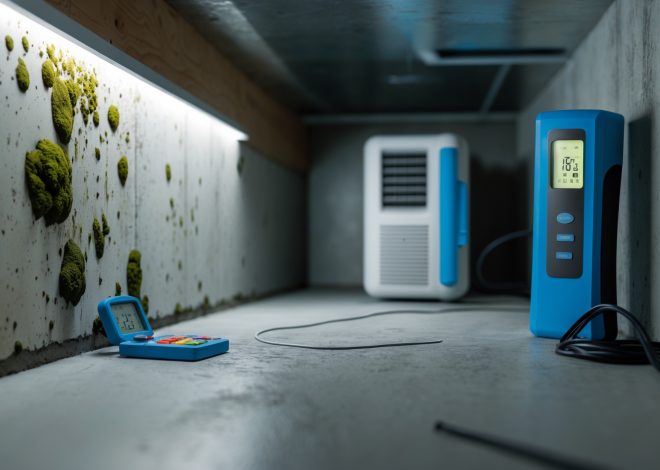
- Moisture Meters: Use handheld devices to check walls and floors in at-risk areas.
- Smart Sensors: Install water leak and humidity sensors for real-time alerts in basements, laundry rooms, and behind appliances.
Cost Breakdown: Mold Prevention and Remediation Budgeting
Initial Prevention Investments
- Roof and Gutter Maintenance: $300–$800/year (inspection and minor repairs)
- Waterproofing Basements: $2,000–$7,000 for professional sealing (varies by size and condition)
- Exhaust Fan Installation: $200–$500 per unit
- Dehumidifiers: $150–$400 per device (plus $30–$100/year in energy costs)
- Mold-resistant Materials: Drywall: $10–$15 per sheet; Paint: $35–$60 per gallon
- Smart Sensors: $30–$70 per unit
Ongoing Maintenance Costs
- HVAC Servicing: $100–$300/year
- Plumbing Inspections: $100–$250/year
- Annual Property Inspection: $300–$600 (may include moisture checks)
Remediation Costs (If Mold Occurs)
- Professional Mold Remediation: $1,000–$6,000 for small-to-moderate areas, potentially $10,000+ for extensive damage
- Material Replacement: Additional costs for drywall, flooring, and insulation as needed
Note: Early prevention and detection are far less expensive than full-scale remediation, which may also require tenant relocation or legal costs.
Compliance and Disclosure: Legal Essentials for Property Owners
Federal and State Regulations
While there is no nationwide U.S. mold law, many states and municipalities have specific requirements regarding:
- Tenant notifications upon discovery of mold
- Required remediation timelines
- Disclosure obligations during property sale or lease
- Minimum habitability standards
For example, California requires landlords to disclose known mold to tenants and provides guidelines for remediation. New York mandates mold assessment and remediation be performed by licensed professionals above certain thresholds. Always consult local statutes and consider adding mold clauses to leases.
Insurance Considerations
- Review Your Policy: Standard property insurance may exclude or severely limit mold coverage.
- Endorsements: Consider purchasing additional mold endorsements or environmental hazard coverage.
- Documentation: Maintain detailed records of maintenance and inspections to support insurance claims if mold occurs.
Case Study: Mold Prevention in a Multi-Family Rental Property
Background
A property manager oversees a 12-unit apartment building in the Northeast. After several tenants reported musty odors and visible mold in bathrooms, the owner faced $18,000 in remediation costs and four vacant units during repairs. Recognizing the need for a long-term solution, the team implemented a comprehensive prevention strategy.
Steps Taken
- All bathrooms retrofitted with high-capacity, timer-controlled exhaust fans vented to the exterior.
- Annual roof and gutter inspections instituted, leading to prompt repair of minor leaks before they became major issues.
- Basement walls sealed with a professional waterproofing system.
- Humidity sensors installed in laundry rooms and basements with automatic email alerts for elevated moisture readings.
- Quarterly tenant newsletters provided tips on identifying early moisture issues and encouraged prompt reporting.
Outcomes
- No significant mold incidents over the following three years.
- Insurance premiums stabilized after documentation of proactive prevention measures.
- Tenant satisfaction scores improved, with fewer complaints and lower turnover.
- Appraisal value increased, as the property demonstrated strong maintenance records and mold-resistant features.
Lessons Learned
- Investing in prevention can save multiples of potential remediation costs.
- Tenant education and prompt reporting are crucial to early detection.
- Professional documentation aids in compliance and insurance claims.
Step-by-Step Mold Prevention Checklist for Real Estate Owners
- Inspect roofs, gutters, and downspouts every 6 months; repair promptly.
- Seal foundations and basements; ensure exterior grading directs water away.
- Install and test exhaust fans in all bathrooms and kitchens; clean vents quarterly.
- Utilize dehumidifiers in basements or high-humidity areas.
- Check plumbing for leaks under sinks, around appliances, and in utility spaces monthly.
- Use mold-resistant drywall and paint in at-risk rooms.
- Install smart humidity and leak sensors; monitor alerts regularly.
- Educate tenants on early warning signs and encourage prompt reporting.
- Consult local laws on disclosure and remediation requirements; update lease language as needed.
- Document all preventive actions, inspections, and repairs for insurance and compliance.
Conclusion: Protect Your Investment with Proactive Mold Management
Mold prevention in real estate is not a luxury—it’s a necessity. Ignoring early warning signs or skimping on routine maintenance can lead to catastrophic repair bills, legal liability, and loss of rental income. The most successful property owners and managers treat mold prevention as an ongoing, integrated process spanning building maintenance, tenant education, and regulatory compliance.
The strategies outlined in this guide are both practical and cost-effective, with real-world case evidence proving their value. By investing in moisture control, upgrading ventilation, leveraging smart technology, and documenting your efforts, you can safeguard your property’s value and provide a healthy living environment for tenants. Remember: the cost of prevention pales in comparison to remediation and legal battles.
As regulations evolve and climate patterns shift, mold risk may increase—but so do the tools and resources available to proactive real estate professionals. Make mold prevention a cornerstone of your property management strategy. Your investment, your tenants, and your reputation will all benefit in the long run.
12 thoughts on “Real Estate Mold Prevention: Proactive Strategies, Costs, and Case Analysis”
Leave a Reply



Could you clarify what kind of maintenance schedule is most effective for preventing mold in older rental properties? I want something practical that balances expense and thoroughness, especially since my tenants are not always proactive about reporting leaks.
For older rentals, a practical mold prevention schedule involves quarterly inspections. Check high-risk areas like bathrooms, kitchens, basements, and around windows for moisture and leaks. Make sure gutters and downspouts are clear each season, and replace HVAC filters at least twice a year. You might also include a brief annual walkthrough to inspect hidden plumbing. This approach keeps costs manageable while minimizing mold risks, even if tenants aren’t quick to report issues.
For someone new to property management, what’s the recommended first step if I discover a minor mold issue—should I try to clean it myself, or is it safer to call in a professional right away?
If the mold covers a small area (less than about 10 square feet) and is growing on a non-porous surface, you can usually clean it yourself using protective gloves, a mask, and a mild detergent. Make sure the area is well-ventilated. If the mold keeps returning, is spreading, or you notice water damage, it’s best to call a professional to assess and address any hidden issues.
I’m new to property ownership and wondering, when you mention that even minor mold can lead to legal issues, what specific regulations or codes should I be looking out for as a first-time landlord in the US?
As a first-time landlord in the US, it’s important to know that state and local laws often require you to provide a habitable living environment, which includes addressing mold issues. Check your state’s landlord-tenant laws and local building or health codes for specific mold guidelines. The EPA and HUD also offer recommendations, but actual legal requirements vary by location, so it’s smart to review your area’s regulations to avoid liability.
I’m curious about the budgeting considerations you mentioned in relation to mold prevention. Could you provide more details on what typical annual costs might look like for maintaining a mold-free environment in a small apartment complex?
For a small apartment complex, annual costs for mold prevention typically range from $500 to $2,000. This includes regular inspections, HVAC maintenance, dehumidifier servicing, and prompt repairs for leaks or water damage. The actual amount depends on the building’s age and local climate, but budgeting for routine inspections and preventive measures is key to avoiding more expensive mold remediation later.
When budgeting for proactive mold prevention, what are the typical annual costs that property owners should expect, especially for multi-unit buildings? Are there any hidden expenses that tend to surprise landlords?
For multi-unit buildings, proactive mold prevention usually costs between $300 and $700 per unit annually, covering inspections, HVAC maintenance, and moisture control measures. Hidden expenses can include emergency repairs from undetected leaks, tenant relocation costs if mold is found, and increased insurance premiums. It’s wise to set aside a contingency fund for unexpected issues that standard maintenance might not catch.
I noticed you mentioned case analysis illustrating both pitfalls and best practices. Would you be able to elaborate on what specific preventive actions made the biggest positive impact in that real-world scenario?
In the case analysis discussed, the most impactful preventive actions included regular inspections for moisture in high-risk areas, promptly repairing roof leaks, and ensuring proper ventilation in bathrooms and basements. Installing dehumidifiers and using mold-resistant building materials were also highlighted as key steps that significantly reduced mold risk in the property.