

What to Know About Moving When Buying a New Home in Boston
Introduction: Navigating Your Move to a New Home in Boston
Buying a new home in Boston is an exciting milestone, but moving your life to a new address in this historic city requires careful planning and local know-how. Boston’s unique blend of colonial charm, modern innovation, and densely packed neighborhoods can make moving here both thrilling and challenging. The city’s narrow streets, unpredictable weather, and layered local regulations add extra layers of detail to every move. Whether you’re relocating from across the country or just across the Charles River, understanding the ins and outs of moving in Boston is essential for a smooth transition. In this comprehensive guide, we’ll walk you through every key aspect of moving to a new home in Boston, from timing your move and choosing the right neighborhood, to handling local parking permits, hiring movers, and settling into your new community. With practical advice at every step, you’ll be well equipped to make your move to Boston as seamless as possible.
Understanding Boston’s Neighborhoods: Where to Call Home
The Character of Boston’s Neighborhoods
Boston is a city of neighborhoods, each with its own personality, amenities, and housing stock. From the historic brownstones of Back Bay to the artistic energy of Jamaica Plain and the family-friendly vibe of West Roxbury, your choice of neighborhood will shape your Boston experience. Some areas, like Beacon Hill and the North End, feature narrow streets and older homes, while others offer more modern developments and easier parking. Take the time to explore different neighborhoods, factoring in your commute, lifestyle preferences, and budget. Consider proximity to public transit, schools, parks, and cultural attractions when narrowing down your options.
Neighborhood Logistics That Impact Your Move
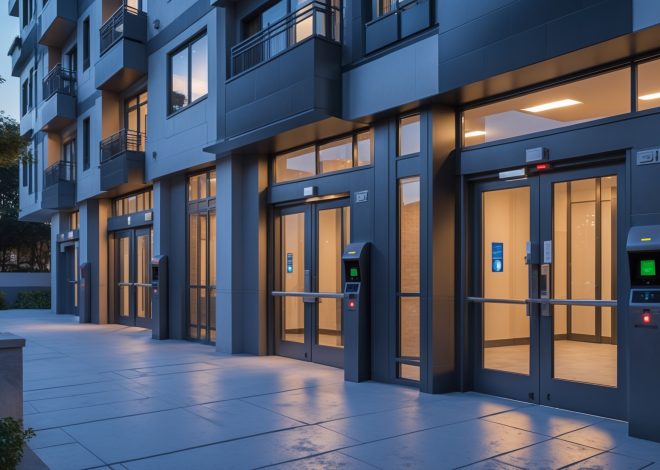
Moving logistics can vary widely between neighborhoods. For example, South Boston’s triple-decker homes may have tight staircases, while newer buildings in the Seaport District may offer loading docks and elevators. Parking rules, street width, and building accessibility can all differ, so it’s important to scout your new area and consult with neighbors or your real estate agent about moving challenges. If you’re moving into a condo or apartment complex, inquire about move-in policies, elevator reservations, and any restrictions on hours or moving truck size.
Planning Your Move: Timing and Preparation
Best Times to Move in Boston
Boston’s moving season peaks between late May and early September, with September 1st—known as “Allston Christmas”—being the city’s busiest moving day. This date coincides with many lease turnovers and the influx of students returning for the fall semester. If possible, try to avoid moving on or around September 1st to benefit from more flexible scheduling, lower rates, and less competition for parking and moving resources. Additionally, consider the impact of Boston’s unpredictable weather, especially in winter months when snow and ice can complicate the moving process. Spring and early summer offer milder conditions and more daylight hours for your move.
Creating a Moving Timeline
Start planning your move as soon as your purchase is finalized. Create a detailed checklist that accounts for packing, hiring movers, reserving parking, transferring utilities, and updating your address. Notify your landlord or management company of your move-in date, and confirm any building requirements. Inventory your belongings and decide what to keep, donate, or discard. Begin packing non-essential items early, labeling boxes clearly by room. If you have children or pets, make special arrangements for their care on moving day to reduce stress for everyone.
Budgeting for Your Boston Move
Moving costs in Boston can be higher than in many other cities due to parking challenges, seasonal demand, and the city’s older housing stock. Create a realistic budget that includes moving company fees or truck rental, packing supplies, insurance, parking permits, and potential storage costs. Don’t forget to factor in expenses for cleaning your old and new homes, meals during the move, and any temporary lodging if needed. Get multiple quotes from reputable moving companies, and ask about additional fees for stairs, long carries, or difficult access points.
Navigating Boston’s Moving Regulations
Parking Permits and Street Access
One of the most critical steps in a Boston move is securing a moving truck parking permit. Many Boston streets require a permit for moving vehicles to reserve curb space and avoid fines. You can obtain a permit from the city’s Public Works Department online or in person, typically 2-4 weeks before your move. The permit will specify the location, date, and time your moving truck is allowed to park. Display the permit prominently to avoid costly tickets or towing. Some neighborhoods may also require posting temporary “No Parking” signs in advance, so confirm requirements with your new building or neighborhood association.
Building Rules and HOA Policies
If you’re moving into a condominium or apartment building, check for specific move-in procedures. Many buildings require advance notice, proof of insurance from your movers, and may limit moving hours to avoid disturbing residents. Reserve elevator access if needed, and ask about any fees or deposits associated with moving. If your new home is part of a homeowner association, review any rules about moving trucks, common area access, or trash disposal during the move.
Boston’s Unique Moving Challenges
Boston’s streets are famously narrow and winding, especially in older neighborhoods like Beacon Hill and the North End. Large moving trucks may not fit on some streets, so you may need to use smaller vehicles or hand-carry items over longer distances. Plan for possible street closures, detours, and one-way thoroughfares. Consider scouting your route ahead of time and communicating with your movers about any tight turns, low bridges, or other access challenges. In winter, be prepared for snow removal and icy sidewalks, which can delay or complicate your move.
Selecting the Right Moving Services in Boston
There are many specialized moving services available to assist with your Boston relocation.
Types of Moving Services Available
Boston offers a full spectrum of moving services, from full-service professional movers to DIY truck rentals and portable storage containers. Full-service movers can handle packing, loading, transport, and even storage if your move-in dates don’t align. Some companies specialize in local moves and are experienced with Boston’s unique challenges. If you prefer a more hands-on approach, you can rent a moving truck and recruit friends or hire labor-only moving help. For smaller moves or temporary storage, consider portable containers that can be loaded at your pace and delivered directly to your new address.
How to Choose a Reliable Mover
Start by researching companies with strong local reputations and positive online reviews. Verify that any mover you consider is licensed and insured for Massachusetts. Ask for detailed written estimates, and clarify whether the quote includes all potential fees. Inquire about the company’s experience with Boston moves, including handling stairs, old buildings, and parking logistics. Ask for references, and confirm the mover’s availability on your preferred date. Beware of unusually low bids, which can signal hidden fees or subpar service.
Preparing for Moving Day
Once you’ve chosen your moving service, confirm all details in writing, including arrival times, payment terms, and specific instructions for your building or neighborhood. Pack a moving day essentials box with important documents, medications, chargers, snacks, and cleaning supplies so you’re not scrambling to find them. If using movers, label fragile boxes clearly and provide a floor plan or instructions for where items should go in your new home. Make sure your phone is fully charged, and keep contact information for your movers and any building staff handy in case of questions or delays.
Packing and Organizing for a Boston Move
Efficient Packing Strategies
Packing for a Boston move means balancing efficiency with protection for your belongings. Use sturdy boxes and plenty of padding for fragile items, especially if navigating lots of stairs or older elevators. Disassemble large furniture and keep hardware in labeled bags. Pack one room at a time, and keep an inventory list to track your possessions. Color-code or number boxes by room to simplify unloading. Clearly mark boxes with items you’ll need immediately, such as bedding, toiletries, and kitchen basics, for easy access on your first night.
Donating, Recycling, and Disposing of Unwanted Items
Moving is a great opportunity to declutter. Boston offers many options for donating gently used items to local charities, thrift stores, or shelters. Arrange for donation pickups in advance, or drop items at designated centers. For items that cannot be donated, check Boston’s regulations for recycling and bulk trash pickup. The city may require advance scheduling or specific disposal methods for electronics, mattresses, or hazardous materials. Proper planning will help you avoid last-minute hassles and reduce waste during your move.
Settling Into Your New Boston Home
Transferring Utilities and Services
Coordinate the transfer or setup of essential utilities—electricity, gas, water, internet, and cable—so your new home is ready on move-in day. Many providers allow you to schedule service changes online in advance. Don’t forget to update your address with the postal service, banks, insurance companies, and any subscription services. Arrange for delivery of any major appliances or furniture soon after moving in to minimize disruption.
Registering Your Vehicle and Updating Residency
If you’re moving from out of state, Massachusetts requires you to update your driver’s license and vehicle registration within 30 days of establishing residency. The Massachusetts Registry of Motor Vehicles (RMV) has specific documentation requirements, so review them in advance and schedule an appointment if possible. Some Boston neighborhoods also require residential parking permits to avoid fines, so apply early and display your permit as soon as you move in.
Getting to Know Your Neighborhood
Take time to explore your new surroundings, meet neighbors, and discover local resources. Locate the nearest grocery stores, pharmacies, and public transit stops. Introduce yourself to your building superintendent or HOA, and ask about trash collection schedules, recycling rules, and community amenities. Many Boston neighborhoods have active community groups or online forums where you can learn about local events, services, and recommendations. Engaging with your new community will help you feel at home faster and make the most of living in Boston.
Expert Tips for a Smooth Boston Move
- Start early: The more time you give yourself, the less stressful your move will be.
- Visit your new home before moving day: Measure doorways, staircases, and elevators to ensure your furniture will fit.
- Label everything: Clear labeling saves time and confusion during unloading.
- Keep valuables with you: Transport important documents, jewelry, and sentimental items personally.
- Dress for the weather: Boston’s climate can change quickly, so be prepared for rain, heat, or snow.
- Stay flexible: Even the best-planned moves can encounter surprises, so keep a positive attitude and adapt as needed.
Conclusion: Embracing Your New Chapter in Boston
Moving to a new home in Boston is both a significant life event and a unique logistical challenge. From the city’s centuries-old streets to its vibrant, ever-evolving neighborhoods, Boston offers a living experience like no other. By understanding the local moving landscape—from navigating parking permits and building rules to selecting reputable moving services and packing strategically—you can minimize stress and set yourself up for a successful transition. Remember to take advantage of Boston’s many moving resources, connect with your new community, and give yourself time to settle in. Every move is an opportunity for a fresh start, and with thoughtful preparation, you’ll be able to focus on the excitement of making memories in your new space. Whether you’re drawn to Boston’s rich history, world-class education, or lively cultural scene, you’re sure to find a neighborhood and a home that suits your unique needs. Welcome to Boston, and here’s to the beginning of your next adventure!
16 thoughts on “What to Know About Moving When Buying a New Home in Boston”
Leave a Reply



You mentioned that Boston’s weather can be unpredictable. If I have to schedule my move in the winter months, are there any special precautions I should take or local regulations I should be aware of to avoid weather-related issues?
Winter moves in Boston do need extra planning. Make sure to check the weather forecast frequently and have flexible dates if possible. Clear snow and ice from walkways before movers arrive. In Boston, parking during snow emergencies can be restricted, so check city alerts and get any necessary moving permits ahead of time. Protect your floors from slush and salt with tarps or towels. It also helps to start early in the day in case weather causes delays.
What would you say are the main differences in moving logistics between historic neighborhoods like Beacon Hill and more modern areas like the Seaport? I’m trying to figure out which might be less of a headache on moving day.
Moving in historic neighborhoods like Beacon Hill often means dealing with narrow, winding streets, limited parking, and older buildings with tight staircases—making the process more challenging. In contrast, newer areas like the Seaport tend to offer wider roads, more convenient loading zones, and modern elevators, which can make moving day much easier. If minimizing stress is your priority, the Seaport generally provides a smoother moving experience.
I’m moving with my family and choosing between Jamaica Plain and West Roxbury. Based on commute times and access to parks, which neighborhood tends to be easier to settle into for people with young children?
Both Jamaica Plain and West Roxbury are popular with families, but their vibes are a bit different. Jamaica Plain offers quicker access to downtown by public transit and is known for its large parks like Jamaica Pond and the Arnold Arboretum. West Roxbury tends to be quieter, with more single-family homes and several smaller parks, but commutes into central Boston usually take longer. For families prioritizing parks and an easy transition, Jamaica Plain might feel more walkable and vibrant, especially with young children.
I noticed you mentioned both narrow streets and local parking permits when moving in Boston. Could you explain how far in advance I should apply for a moving permit, and how difficult it typically is to secure street parking for a moving truck in central neighborhoods like Beacon Hill?
You should apply for a Boston moving permit at least two weeks before your move, though the city recommends even earlier if possible. In central neighborhoods such as Beacon Hill, street parking is very limited and competition can be high, especially during peak moving periods at the start and end of the month. Reserving a permit helps secure a legal spot, but it’s still wise to arrive early on moving day to claim your space.
For someone relocating from another state, what’s the ideal timeframe to secure movers and coordinate all the local city regulations unique to Boston’s neighborhoods?
For an out-of-state move to Boston, it’s ideal to book your movers at least 6 to 8 weeks before your move date, especially during peak seasons. This gives you enough time to research and secure reputable companies. Regarding Boston’s local regulations, plan for at least 3 to 4 weeks in advance to arrange parking permits for moving trucks and to check any neighborhood-specific restrictions, as requirements can vary widely across the city.
Does the unpredictable weather in Boston ever cause significant delays or issues during a move, particularly if I’m planning to move in the winter? How do people typically deal with that?
Boston’s winter weather can definitely lead to delays or challenges when moving, especially due to snow and ice. Many people prepare by monitoring the forecast closely, booking movers with experience in winter conditions, and having backup plans in case of storms. It’s also common to clear paths and lay down protective coverings to prevent slips and keep your new home clean during the move.
After choosing a neighborhood and securing a new place, what are the first steps you recommend to ensure the move goes smoothly, particularly regarding local regulations or paperwork?
Once you’ve selected your new neighborhood and secured your home, it’s wise to check with your local Boston city office or neighborhood association about moving regulations. Reserve parking permits for your moving truck if needed, as many Boston streets require them. Also, update your address with the USPS and relevant utilities, and check if you need to schedule elevator use or notify your building management ahead of moving day.
For someone relocating from out of state, are there any important local regulations or moving steps that are unique to Boston compared to other cities, especially regarding permits or neighborhood rules I might overlook?
Relocating to Boston does come with some unique requirements. Many neighborhoods require a moving permit to reserve parking for your moving truck, and you usually need to apply at least two weeks in advance. Streets are often narrow, so these permits are important to avoid fines or towing. Also, be aware of Boston’s street cleaning schedules and resident parking rules, which can affect where you park during your move. Double-check with your building or condo association for any additional move-in regulations or elevator reservations.