

Understanding Real Estate HVAC System Upgrades: Cost, Compliance, and Maintenance Insights
Introduction: Why Real Estate HVAC Upgrades Matter
Heating, ventilation, and air conditioning (HVAC) systems are the unsung heroes of modern real estate. Whether you own a single-family home, manage a multifamily property, or invest in commercial buildings, the performance and efficiency of your HVAC system directly impact property value, tenant satisfaction, and long-term operating costs. Yet, many property owners and investors overlook the significance of timely HVAC upgrades, often focusing on more visible improvements like kitchen remodels or landscaping. However, an outdated or poorly maintained HVAC system can lead to escalating utility bills, frequent tenant complaints, and even costly compliance violations. This comprehensive guide dives into the practical aspects of planning, budgeting, and executing an HVAC system upgrade in real estate, with a focus on cost breakdowns, permitting requirements, energy efficiency incentives, and ongoing maintenance best practices. Whether you’re a first-time property owner or a seasoned investor, understanding these facets will empower you to make informed decisions that protect your investment and deliver lasting value.
Assessing the Need for an HVAC Upgrade
Recognizing System Age and Performance Issues
The average lifespan of a residential HVAC system ranges from 15 to 20 years, but this can vary significantly based on maintenance, usage patterns, and local climate. Warning signs your system may be due for an upgrade include inconsistent temperatures across rooms, frequent breakdowns, rising utility bills, and unusual noises or odors. For multifamily or commercial properties, tenant complaints about indoor air quality or comfort can be key indicators.
Evaluating Energy Efficiency and Environmental Impact
Modern HVAC systems offer substantial energy efficiency improvements over units installed even a decade ago. Upgrading to ENERGY STAR-rated models or systems with higher SEER (Seasonal Energy Efficiency Ratio) ratings can reduce your property’s carbon footprint and operational expenses. Conducting an energy audit, either through a local utility or independent contractor, can provide a data-driven assessment of potential savings from an upgrade.
Cost Breakdown: Budgeting for an HVAC System Upgrade
Major Cost Components
- Equipment: The unit itself (furnace, air conditioner, heat pump) is typically the largest expense. Residential systems range from $3,000 to $10,000+, while commercial systems can exceed $20,000 depending on capacity and complexity.
- Installation Labor: Professional installation is critical for safety and warranty compliance. Labor costs vary by region and system size but often run $2,000–$5,000 for residential and higher for commercial properties.
- Ductwork Modifications: Older ductwork may need repairs or replacement to accommodate new, more efficient systems. Budget $1,500–$5,000 for significant ductwork changes.
- Permits and Inspections: Most municipalities require permits and post-installation inspections, costing $150–$500 for residential and potentially more for larger buildings.
- Removal and Disposal: Safe removal of old equipment and refrigerants is essential. Expect $200–$700 depending on system size and local disposal fees.
Optional Upgrades and Hidden Costs
- Smart Thermostats and Zoning Controls: Enhances comfort and efficiency but adds $200–$1,000+.
- Air Quality Improvements: HEPA filters, UV lights, or humidification systems can improve tenant satisfaction but may require additional investment.
- Electrical Upgrades: Older properties might need electrical service upgrades to handle new equipment loads.
Financing Your HVAC Upgrade
Many HVAC contractors offer financing programs, and some utility companies provide rebates for high-efficiency systems. Investigate local and federal incentives, such as tax credits under the Inflation Reduction Act or state-level energy efficiency grants. These can significantly offset upfront costs and improve ROI.
Permitting, Compliance, and Legal Considerations
Understanding Local Building Codes
HVAC upgrades are closely regulated to ensure safety, energy efficiency, and proper environmental protections. Building codes vary by state and municipality but commonly require:
- Permits for new installations, major replacements, or modifications to existing systems
- Licensed contractors to perform installation
- Post-installation inspections for code compliance
- Proper handling and documentation for refrigerants (especially R-22 phase-out concerns)
Common Compliance Pitfalls
- Skipping Permits: Work done without proper permits can lead to fines, denied insurance claims, or issues during property sales.
- Improper Sizing: Undersized or oversized systems fail to meet comfort and efficiency standards, potentially violating energy codes.
- Neglecting Ventilation Requirements: Especially important for multifamily and commercial buildings to maintain indoor air quality and meet occupancy codes.
Environmental Regulations
Upgrading HVAC systems often involves handling refrigerants that are regulated for environmental protection. Contractors must be EPA-certified for refrigerant recovery and disposal. Be cautious of older systems using phased-out substances like R-22 (Freon).
Step-by-Step HVAC Upgrade Process
1. Initial Assessment and Energy Audit
Start with a professional evaluation of your current system, ductwork, and property layout. An energy audit can identify areas where efficiency improvements will have the most impact.
2. System Selection
- Choose the right type of system for your property: central air, ductless mini-splits, heat pumps, or rooftop units for commercial buildings.
- Prioritize high-efficiency models with reputable warranties and support.
- Consider zoning and smart controls for larger or multi-unit properties.
3. Permitting and Contractor Selection
- Obtain written estimates from several licensed HVAC contractors.
- Check credentials, references, and insurance coverage.
- Work with your contractor to secure any necessary building permits before work begins.
4. Installation and Inspection
- Schedule installation to minimize tenant disruption or downtime.
- Ensure proper removal and disposal of old equipment and refrigerants.
- After installation, arrange for the required municipal inspection and ensure all paperwork is documented and filed for future reference.
5. Post-Installation: System Start-Up and Training
- Have the contractor demonstrate system operation, thermostat programming, and maintenance basics.
- Distribute operating instructions and maintenance schedules to tenants (for rental properties) or property managers.
Maintenance Essentials for New HVAC Systems
Routine Tasks
- Filter Changes: Replace or clean filters every 1–3 months to maintain efficiency and air quality.
- System Inspections: Have a professional inspect and service the system twice a year—ideally before the heating and cooling seasons.
- Ductwork Cleaning: Inspect and clean ducts regularly, especially if tenants report dust or allergy issues.
- Thermostat Calibration: Test and recalibrate thermostats to ensure accurate temperature control.
Record-Keeping and Warranty Compliance
Maintain detailed records of all maintenance and repairs. Many manufacturer warranties require proof of regular professional service. For commercial and multifamily properties, set up a digital logbook accessible to property managers and contractors.
Maximizing ROI: Energy Efficiency and Tenant Satisfaction
Leveraging Rebates and Incentives
Take advantage of utility rebates, state energy programs, and federal tax credits. Document all upgrades and certifications (such as ENERGY STAR) to bolster marketing efforts when selling or leasing the property.
Marketing Upgraded HVAC to Prospective Buyers and Tenants
- Highlight energy savings and indoor air quality improvements in listings.
- Provide tenants with tips for optimal use and care, reducing misuse and maintenance calls.
- For investors, emphasize lowered operating costs and compliance peace of mind to attract quality tenants and buyers.
Common HVAC Upgrade Myths Debunked
- “Bigger is better”: Oversized systems cost more and can lead to comfort and humidity issues. Proper sizing is crucial.
- “All HVAC contractors are the same”: Qualifications, experience, and service quality vary widely. Vet contractors carefully.
- “Permits aren’t necessary for replacements”: Most municipalities require permits even for simple replacements—always verify local rules.
- “Maintenance isn’t needed for new systems”: Skipping maintenance voids warranties and leads to early failures.
Case Study: Multifamily HVAC Upgrade Success Story
Scenario: A 12-unit apartment building in a temperate climate was experiencing high tenant turnover and complaints about inconsistent heating and cooling. The property owner invested $90,000 in high-efficiency heat pump systems, ductwork upgrades, and smart thermostats for each unit. The project received $12,000 in utility rebates and qualified for $4,000 in state tax credits. After the upgrade, tenant complaints dropped by 80%, energy bills fell by 32%, and average lease renewal rates improved significantly. The owner recouped the investment within six years through energy savings and reduced turnover costs.
Conclusion: Making the Smart Move with Your Real Estate HVAC Upgrade
Upgrading an HVAC system is one of the most impactful investments a real estate owner or investor can make, but it requires careful planning, budgeting, and attention to compliance. By understanding the true cost components—from equipment and installation to permitting and maintenance—you can avoid common pitfalls and ensure a smooth transition to a more efficient, reliable system. Compliance with local building codes and environmental regulations is not just a legal requirement; it also protects your investment and reputation. Leveraging incentives and rebates can further enhance your ROI, while marketing your upgraded system helps attract and retain quality tenants or buyers. Remember, the success of your HVAC upgrade depends on working with qualified professionals, maintaining thorough documentation, and committing to regular system upkeep. Whether you manage a single rental or a portfolio of properties, proactive HVAC upgrades will pay dividends in tenant satisfaction, reduced operating costs, and increased property value. Approach your next HVAC project with knowledge and confidence, and your real estate investment will be ready to provide comfort and efficiency for years to come.
18 thoughts on “Understanding Real Estate HVAC System Upgrades: Cost, Compliance, and Maintenance Insights”
Leave a Reply

If my tenants are complaining about uneven temperatures and rising bills but the system is only 10 years old, would maintenance be enough or is it already time to look into an upgrade?
Uneven temperatures and higher bills can often be addressed with thorough maintenance, especially for a 10-year-old system. Check for clogged filters, duct leaks, or failing thermostats first. If regular servicing doesn’t resolve the issues or you discover major component wear, then it might be worth considering an upgrade. Otherwise, maintenance is usually sufficient for a system of that age.
If my HVAC system is around 17 years old but hasn’t had any major issues yet, should I be proactive about replacing it before problems start, or is it better to wait for clear performance issues?
With an HVAC system that’s 17 years old, you’re nearing or even past the typical lifespan for most units. Even if it’s running well now, older systems tend to be less efficient and can fail unexpectedly, often at inconvenient times. Being proactive about upgrading can help you avoid emergency breakdowns, improve energy efficiency, and ensure compliance with current standards. However, if regular maintenance shows your system is still performing reliably, you might choose to wait, but budgeting for a replacement soon is wise.
Could you clarify what specific permitting requirements typically apply for HVAC upgrades in commercial vs. multifamily properties? I want to avoid compliance issues, but the process always seems confusing depending on the building type.
Permitting requirements can differ between commercial and multifamily properties, mainly due to building codes and occupancy standards. For commercial buildings, permits often require detailed engineering plans, energy code compliance, and sometimes inspections for fire safety or ventilation. Multifamily properties usually need permits that focus on tenant safety, unit accessibility, and sometimes noise control. Always check with your local building department, as some cities or counties may have additional requirements based on property size or use. Consulting an experienced HVAC contractor familiar with local regulations can also help avoid compliance issues.
I noticed the article mentioned ENERGY STAR-rated models and higher SEER ratings. How much of a difference does upgrading to those actually make in terms of monthly utility bills, especially for older buildings?
Upgrading to ENERGY STAR-rated HVAC systems with higher SEER ratings can significantly reduce monthly utility bills, especially in older buildings where older systems are often less efficient. Depending on your current system’s age and efficiency, you might see energy savings of 20% to 40%. The exact amount will vary based on building size, insulation, and climate, but most owners notice noticeable drops in their electricity costs after upgrading.
If my current HVAC setup is around 17 years old but hasn’t had too many breakdowns, would you recommend budgeting for an upgrade soon, or is ongoing maintenance a smarter short-term move?
With a 17-year-old HVAC system, even if it’s running reliably, it’s wise to start budgeting for an upgrade. Older systems tend to be less energy efficient and could face compliance issues with newer regulations. Ongoing maintenance is important to extend its life, but planning for replacement will help you avoid surprise expenses and benefit from improved efficiency when you decide to upgrade.
Could you clarify what kinds of compliance violations an outdated HVAC system might cause? I’m concerned about unexpected fines and would like to know what to watch out for as a landlord.
An outdated HVAC system can lead to several compliance violations, such as failing to meet current energy efficiency standards, improper refrigerant handling (like using banned chemicals), or not providing adequate ventilation per local housing codes. These issues can result in fines or orders to upgrade your system. To avoid problems, regularly check for changes in local and federal HVAC regulations and schedule routine inspections to ensure your system remains compliant.
For families with young kids, indoor air quality is a big deal. Are there specific maintenance practices after a new HVAC install that really help with air quality, or is it mainly about changing filters regularly?
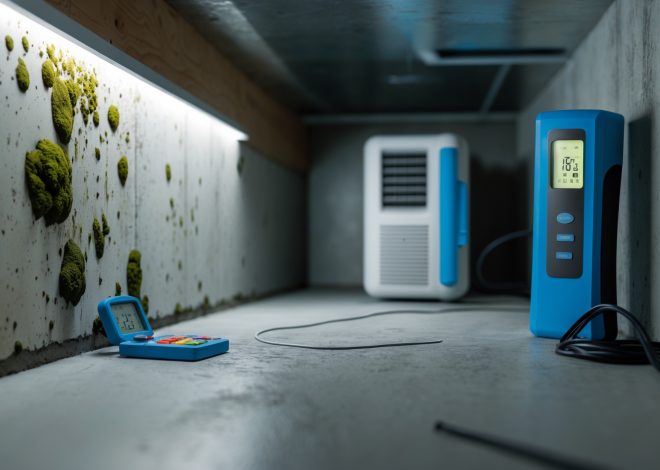
Changing filters regularly is definitely important, but there are a few other practices that can help maintain great indoor air quality for families with young children. Make sure your HVAC system’s ducts are kept clean and free of dust, have the system inspected yearly for mold or leaks, and use high-quality filters rated for allergens. Also, consider keeping humidity in check with a humidifier or dehumidifier, depending on your local climate.
For property owners looking to boost value through HVAC upgrades, what’s your take on prioritizing ENERGY STAR-rated systems versus higher SEER-rated models? Are there cases where one offers better returns or incentives than the other?
Both ENERGY STAR-rated systems and higher SEER-rated models can increase property value, but the best option often depends on your goals. ENERGY STAR systems usually qualify for more rebates and incentives, making them attractive for upfront savings and compliance. Higher SEER ratings (Seasonal Energy Efficiency Ratio) signal better efficiency, which can reduce long-term operating costs and appeal to energy-conscious buyers. For maximum return, aim for a system that is both ENERGY STAR certified and has a high SEER rating, but if you must choose, prioritize ENERGY STAR for incentives, especially in regions offering strong rebate programs.
If my older HVAC system is still running but a little noisy, is it better to upgrade right away for efficiency or wait until there are clear performance issues? I’m trying to balance comfort with a tight budget.
If your HVAC system is still functioning and only a bit noisy, you don’t necessarily need to upgrade immediately, especially if budget is a concern. You might consider regular maintenance to improve performance and reduce noise. Upgrading can boost efficiency and comfort, but waiting until you see clear issues like frequent breakdowns or rising energy bills is reasonable. Just keep an eye on energy usage and repair costs so you can plan ahead for a future upgrade.