

Real Estate Open House Success: A Comprehensive Step-by-Step Setup & Execution Guide
Introduction: Why Open Houses Still Matter in Real Estate
Despite the digital revolution in real estate marketing, open houses remain a time-tested tactic for attracting potential buyers and generating buzz around a property. When executed correctly, an open house can create a sense of urgency, spark competitive offers, and provide valuable feedback to sellers. Yet, many real estate professionals and DIY home sellers overlook the strategic nuances that distinguish a mediocre open house from a truly successful one. This comprehensive, step-by-step guide is designed to walk you through every phase of planning, staging, advertising, hosting, and following up for a standout open house event. Whether you’re a seasoned agent aiming to refine your process or a first-time seller navigating the landscape, you’ll find actionable insights and practical tips to make your next open house a resounding success.
Step 1: Strategic Planning for Your Open House
Choosing the Perfect Date and Time
Timing is crucial for maximum turnout. Traditionally, weekends between 1–4 PM attract the highest foot traffic, but consider your target demographic—urban condos may fare better on weekday evenings, while family homes shine on Sundays. Avoid scheduling during major local events or holidays, and check the weather forecast in advance.
Understanding Your Target Audience
Know who you want to attract. Is your property ideal for first-time buyers, families, or downsizers? Tailor your messaging, staging, and even refreshments to appeal directly to this group. Highlight features that resonate most with your likely buyers.
Setting Realistic Expectations
Not every open house will result in an immediate offer. Use the opportunity to gather feedback, build your marketing database, and create word-of-mouth buzz. Set clear objectives—number of visitors, feedback quality, and lead generation.
Step 2: Preparing the Property
Deep Cleaning and Decluttering
A spotless home is non-negotiable. Hire professional cleaners if possible, and remove all clutter, including personal photos, knickknacks, and excess furniture. Pay special attention to kitchens, bathrooms, and entryways.
Repairs and Maintenance
- Fix leaky faucets, squeaky doors, and cracked tiles.
- Replace burnt-out bulbs and ensure all lights work.
- Touch up scuffed walls and baseboards with fresh paint.
Curb Appeal
First impressions count. Mow the lawn, trim shrubs, plant fresh flowers, and clean walkways. Power-wash driveways and repaint the front door if necessary. Ensure the house number is visible from the street.
Staging for Maximum Appeal
- Use neutral colors and minimal decor to appeal to a wide audience.
- Arrange furniture to create a sense of space and flow.
- Add inviting touches: fresh flowers, plush towels, and subtle scents.
- Let in natural light—open curtains and clean the windows.
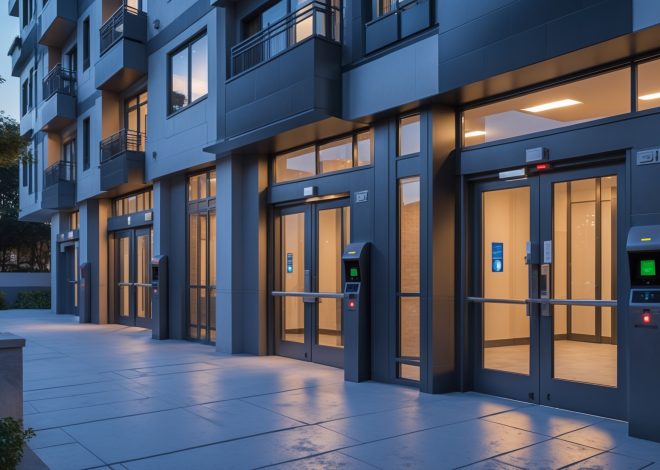
Security Considerations
- Secure valuables, prescription medications, and sensitive documents out of sight.
- Consider installing temporary security cameras or assigning a team member to monitor entry/exit.
Step 3: Marketing and Promotion
Pre-Event Marketing Checklist
- List the open house on all major real estate portals (MLS, Zillow, Realtor.com, etc.).
- Promote on your agency’s website and social media channels.
- Create an event on Facebook and invite relevant local groups.
- Send email blasts to your contact list and neighboring homeowners.
- Reach out to buyer’s agents in your network.
Signage Strategy
Strategically placed open house signs are still highly effective. Place signs at major intersections and along routes leading to the property. Use directional arrows and balloons for visibility. Check with local authorities for sign regulations.
Leveraging Digital Tools
- Offer virtual tours or 3D walkthroughs for remote buyers.
- Use targeted social media ads within the property’s ZIP code.
- Share sneak-peek photos and video teasers in the days before the event.
Step 4: The Open House Setup
Atmosphere and Ambience
- Set a comfortable temperature—neither too hot nor cold.
- Play soft background music to create a welcoming mood.
- Light candles or use plug-in air fresheners with mild, pleasant scents (avoid overpowering fragrances).
Refreshments and Hospitality
- Offer light snacks and beverages—think cookies, bottled water, or coffee.
- Choose refreshments that won’t create mess or strong odors.
- Set up a refreshment table near the entry or kitchen for easy access.
Printed Materials
- Prepare professional flyers with high-quality photos, price, and key features.
- Include floor plans and a list of recent upgrades or neighborhood highlights.
- Provide business cards for easy follow-up.
Sign-In System
- Use a digital sign-in app or tablet to collect visitor information securely.
- Alternatively, provide a sign-in sheet at the entrance.
- Respect privacy—explain how you’ll use their contact info.
Staffing and Roles
- Assign one person to greet guests at the door.
- Have another circulate to answer questions and point out features.
- If possible, have a third person monitor the property for security.
Step 5: Hosting the Open House
Welcoming Visitors
First impressions matter. Greet each visitor warmly, offer a flyer and refreshment, and invite them to explore at their own pace. Avoid hovering, but be available for questions.
Highlighting Key Features
- Prepare a concise pitch for the home’s unique selling points.
- Point out upgrades, energy-efficient systems, and neighborhood amenities.
- Share positive stories about the property (“The backyard is perfect for summer BBQs…”).
Handling Questions and Objections
Anticipate common questions about taxes, HOA fees, schools, and recent renovations. Be honest about any drawbacks, but frame them as opportunities (e.g., “The basement is unfinished, offering a blank slate for your vision”).
Managing Traffic Flow
- Direct visitors to less crowded areas to avoid bottlenecks.
- Encourage outdoor exploration for homes with yards or patios.
Safety and Hygiene
- Ensure walkways are clear of hazards.
- Provide hand sanitizer at entry points.
- Remind visitors to respect the property (remove shoes, don’t touch personal items).
Step 6: Post-Event Follow-Up
Collecting and Analyzing Feedback
- Send a short survey to attendees within 24 hours.
- Ask for candid feedback on pricing, presentation, and perceived value.
- Review comments for recurring themes to adjust your strategy.
Lead Nurturing
- Segment visitors into hot, warm, and cold leads based on their interest level.
- Send personalized thank-you notes to each attendee.
- For hot leads, offer private showings or additional information immediately.
- For neighbors or tire-kickers, add them to your newsletter or invite them to future events.
Reporting to Sellers
- Provide a detailed summary of attendee numbers, feedback, and next steps.
- Discuss potential pricing adjustments or marketing tweaks based on open house results.
Pro Tips for Next-Level Open Houses
- Partner with local businesses for sponsored refreshments or prize drawings.
- Offer live-streamed segments on social media for remote prospects.
- Create a sense of exclusivity with “VIP preview” hours for serious buyers.
- Use QR codes on flyers to link to digital brochures or a feedback form.
- Document the event with professional photos and video for future marketing.
Common Open House Mistakes to Avoid
- Neglecting to clean or declutter thoroughly.
- Overpowering air fresheners or scented candles.
- Forgetting to secure valuables and sensitive items.
- Poor signage or inadequate promotion.
- Failing to follow up promptly with attendees.
Conclusion: Turning Open Houses Into Powerful Sales Tools
Hosting a successful open house requires much more than simply unlocking the door and waiting for visitors. It’s a carefully orchestrated event—blending strategic planning, detailed preparation, savvy marketing, and exceptional hospitality. By following this comprehensive step-by-step guide, you can maximize the impact of your open house, attract serious buyers, and gather actionable feedback to fine-tune your sales strategy. Remember, the true value of an open house isn’t just in the immediate offers—it’s in the relationships you build, the insights you gain, and the professional reputation you enhance with every well-executed event.
Whether you’re a real estate agent looking to elevate your open house game or a homeowner aiming for a standout showing, consistency, attention to detail, and genuine engagement are your best allies. Implement these best practices, avoid the common pitfalls, and you’ll transform every open house into a powerful tool for closing deals and delighting clients. The market may evolve, but the fundamentals of a successful open house remain timeless—master them, and you’ll always have the competitive edge.
4 thoughts on “Real Estate Open House Success: A Comprehensive Step-by-Step Setup & Execution Guide”
Leave a Reply


I saw that the guide recommends weekends between 1–4 PM for best foot traffic, but with my family’s schedule, that’s sometimes tough. Would a weekday evening open house really make a big difference for a single-family home in the suburbs?
Weekday evening open houses can work, but they usually attract fewer visitors than weekend afternoons, especially in suburban areas where buyers are juggling work and family. If weekends are difficult, try a Thursday or Friday evening from 5–7 PM—this timing can catch people on their way home from work. Just keep expectations realistic and consider advertising the alternative time clearly to help boost turnout.
Could you elaborate on how to effectively tailor refreshments and staging to appeal to different target demographics, such as first-time buyers versus downsizers, during an open house?
To appeal to first-time buyers, consider offering trendy refreshments like cold brew coffee, sparkling water, or small grab-and-go snacks, and use modern decor with pops of color to create a lively atmosphere. For downsizers, opt for classic refreshments like tea, fruit platters, or pastries, and stage with comfortable seating, neutral tones, and organized spaces to highlight functionality and ease of living. Adjust both food and decor to reflect the lifestyle and preferences of your target audience.