

How to Conduct a Property Walkthrough: A Detailed Checklist for Homebuyers
Introduction
Buying a home is one of the most significant investments you’ll ever make. Whether you’re a first-time buyer or a seasoned property investor, conducting a meticulous property walkthrough is crucial before making an offer. This is your opportunity to assess the true condition of the home, uncover potential issues, and ensure that your future investment is both sound and secure. While a professional inspection is always recommended, your own walkthrough enables you to spot red flags early, prioritize properties, and make informed decisions with confidence.
This comprehensive guide delves into every key aspect of a property walkthrough. You’ll find an actionable, room-by-room checklist, expert tips on what to look for, and guidance on documenting your findings. By the end, you’ll have a proven framework to help you evaluate any residential property with the eyes of a pro. Whether you’re searching for your dream home or analyzing a potential rental investment, this walkthrough checklist will equip you with the knowledge to avoid costly surprises and negotiate from a position of strength.
Why Property Walkthroughs Matter
Property walkthroughs are your first line of defense against hidden problems. They allow you to:
- Assess the home’s true condition beyond the listing photos
- Identify repairs or upgrades you may need to budget for
- Spot safety hazards that may affect your decision
- Gauge whether the property fits your needs and lifestyle
- Strengthen your negotiating position with objective findings
Skimping on a thorough walkthrough can result in unexpected expenses, delays, or even buyer’s remorse. Taking the time to examine every detail could save you thousands and set the stage for a successful purchase.
Essential Preparation Before Your Walkthrough
What to Bring
- Notebook or checklist: To record observations systematically
- Smartphone or camera: For photos and videos of issues or features
- Measuring tape: To verify room dimensions and furniture fit
- Flashlight: For poorly lit areas like attics or basements
- Socket tester: To check electrical outlets (optional, but helpful)
Setting Your Priorities
Before you arrive, clarify your non-negotiables. Consider:
- Must-have features (e.g., number of bedrooms, backyard size)
- Deal-breakers (e.g., structural issues, flood-prone location)
- Your budget for repairs or renovations
Exterior Walkthrough Checklist
The outside of a property can reveal as much as the inside. Here’s what to inspect:
Roof
- Check for missing, damaged, or curling shingles
- Look for moss, algae, or signs of sagging
- Inspect gutters and downspouts for rust, leaks, or blockages
Siding & Structure
- Examine siding for cracks, rot, or water stains
- Check exterior paint for peeling or bubbling
- Look for visible foundation cracks or signs of settlement
Windows & Doors
- Test that windows and doors open/close smoothly
- Check seals for drafts or condensation between panes
- Look for damaged screens or broken locks
Lot & Landscaping
- Assess drainage—look for standing water or soggy spots
- Check the driveway and walkways for cracks or unevenness
- Inspect fences, decks, or patios for rot, rust, or loose boards
Interior Walkthrough Checklist
Entryway & Common Areas
- Test all light switches and outlets
- Check floors for squeaks, sagging, or stains
- Look for cracks in walls or ceilings, especially near windows/doors
- Examine trim and baseboards for water damage or termite activity
Kitchen
- Test all appliances (if included in the sale)
- Check under sinks for leaks, water stains, or mold
- Open cabinets and drawers—look for signs of pests or damage
- Inspect countertops for chips, burns, or separation from walls
- Run the faucet and verify water pressure and drainage
Bathrooms
- Flush toilets and check for leaks around the base
- Inspect caulking and grout for mildew or gaps
- Test exhaust fans for operation
- Run showers and sinks, inspecting for proper drainage and pressure
Bedrooms
- Check windows for egress (required for safety)
- Test closet doors and inspect inside for moisture or odors
- Look for stains or discoloration on ceilings/walls (may indicate leaks)
Basement & Attic
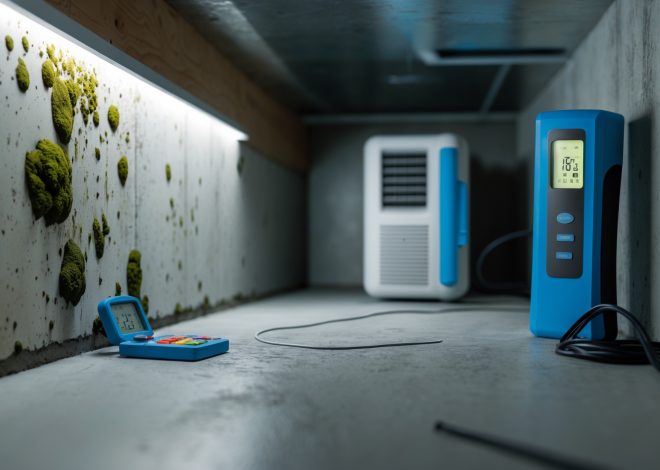
- Look for signs of water intrusion (stains, efflorescence, musty odor)
- Check insulation coverage and condition
- Inspect exposed pipes or ductwork for leaks or rust
- Scan for evidence of rodents or insects
Mechanical Systems
Electrical
- Locate the electrical panel—check for labels and evidence of recent upgrades
- Test outlets with a phone charger or socket tester
- Look for exposed wiring or outdated fixtures
Plumbing
- Run water in all sinks and tubs, watching for slow drainage
- Listen for banging pipes or odd noises when water is running
- Check the water heater for age, rust, or leaks
Heating & Cooling
- Test the thermostat and ensure HVAC units respond
- Listen for loud or unusual sounds from the furnace or AC unit
- Inspect visible ductwork for insulation and cleanliness
- Check for vents in each room
Safety and Compliance
- Locate smoke and carbon monoxide detectors—test them if possible
- Check for the presence of fire extinguishers
- Verify that stairs have sturdy railings and proper lighting
- Ensure all bedroom windows can open for emergency egress
Documenting Your Walkthrough
Record your findings clearly for future reference and negotiation. Here’s how:
- Take wide-angle photos of each room, plus close-ups of any issues
- Use video to capture the overall flow of the property
- Log observations in your checklist, noting urgent vs. minor concerns
- Ask questions of the listing agent and note their responses
After the walkthrough, organize your notes and images by room or system. This will make it easier to compare properties or present specific requests during negotiations.
Red Flags Not to Ignore
- Strong odors: May signal mold, pets, or smoke
- Fresh paint in isolated areas: Sometimes used to conceal water damage or stains
- Sticky doors or windows: Can indicate foundation shifts
- Uneven floors: Possible structural settlement
- Water stains or bubbling paint: Signs of leaks or moisture intrusion
- Active pest presence: Droppings, nests, or chewed materials
While some issues are minor, others can be expensive or safety-critical. Always follow up with a professional inspection, especially if any red flags arise.
Bonus: Questions to Ask During Your Walkthrough
- How old are the roof, HVAC, and water heater?
- Are there any warranties or maintenance records available?
- Has the property experienced flooding or foundation repairs?
- What is included with the sale (appliances, fixtures, etc.)?
- Are there any pending or previous insurance claims?
Conclusion
Conducting a thorough property walkthrough is an essential part of the home buying journey. It empowers you to see beyond the surface, ask the right questions, and make decisions based on facts, not just first impressions. By following the detailed checklist and best practices provided in this guide, you can spot potential problems before they become costly surprises and feel confident in your purchase.
Remember, a property walkthrough isn’t meant to replace a professional inspection, but it’s your first opportunity to evaluate the home’s condition and fit for your needs. Take your time, stay organized, and don’t hesitate to bring in experts for any concerns that arise. Your diligence now will pay off in peace of mind and a smoother transaction.
Whether you’re a first-time homebuyer or a seasoned investor, mastering the walkthrough process is a skill that will serve you well across all your real estate endeavors. Use this checklist on every property you tour, and share it with your agent or inspector as a reference. Informed buyers achieve better outcomes—and your new home deserves nothing less than your full attention from the very first step.
4 thoughts on “How to Conduct a Property Walkthrough: A Detailed Checklist for Homebuyers”
Leave a Reply



In your checklist, you mention bringing a measuring tape to verify room dimensions. Do you have any tips on the best way to measure and document odd-shaped rooms or spaces that aren’t squared off? I’ve run into issues where listing dimensions don’t quite match up.
When measuring odd-shaped rooms, break the space into smaller, regular shapes like rectangles or triangles, measure each section, and then add the measurements together for total square footage. For documentation, sketch the room layout and note each segment’s dimensions. Double-check corner measurements and measure from wall to wall at the widest and narrowest points. Taking photos with your notes visible can also help you cross-reference later.
Could you elaborate on how detailed the notes should be during the walkthrough? For instance, is it better to record minor cosmetic flaws, or should the focus stay mostly on larger, structural concerns when using your checklist?
During a property walkthrough, it’s helpful to note both cosmetic issues and larger structural concerns, but with different levels of detail. Focus on documenting structural or major problems thoroughly, as these can affect safety and future expenses. For cosmetic flaws, brief notes are usually sufficient, unless they are widespread or could indicate deeper issues. This balanced approach ensures you have a clear overall picture for decision-making.