

Real Estate Crawl Space Maintenance: Step-by-Step Guide to Prevent Costly Damage
Introduction: Why Crawl Space Maintenance Matters in Real Estate
Crawl spaces are often out of sight and out of mind for property owners and real estate investors. Yet, neglecting this crucial area can lead to a host of problems—ranging from moisture damage and mold growth to pest infestations and structural issues. These problems not only threaten the health and safety of occupants but can also erode property value and lead to costly repairs. Whether you’re a seasoned investor managing a portfolio of properties or a homeowner aiming to preserve your asset, understanding crawl space maintenance is essential for long-term success in real estate.
This comprehensive, step-by-step guide will walk you through everything you need to know about crawl space maintenance. You’ll learn how to assess your crawl space, identify early warning signs, combat moisture and pests, and implement best practices that protect your investment. By the end, you’ll have the practical knowledge to prevent small issues from ballooning into expensive disasters—giving you peace of mind and a clear edge in the real estate market.
Understanding Crawl Spaces: The Basics
What Is a Crawl Space?
A crawl space is a shallow area beneath a house, typically between the ground and the first floor. It provides access to plumbing, electrical wiring, HVAC systems, and structural supports. Crawl spaces are most common in regions with damp climates or where full basements are impractical.
Why Are Crawl Spaces Vulnerable?
- Moisture Intrusion: Poor ventilation and ground moisture can lead to condensation, wood rot, and mold.
- Pest Access: The dark, sheltered environment is attractive to rodents, termites, and insects.
- Structural Risks: Dampness and poor drainage can weaken supports and cause floor sagging.
Initial Crawl Space Assessment
Safety First: Preparing for Inspection
- Wear protective clothing, gloves, and a mask.
- Use a high-powered flashlight or headlamp.
- Bring a moisture meter and camera for documentation.
Step 1: Visual Inspection
Start by looking for obvious signs of trouble:
- Standing Water: Indicates drainage or plumbing issues.
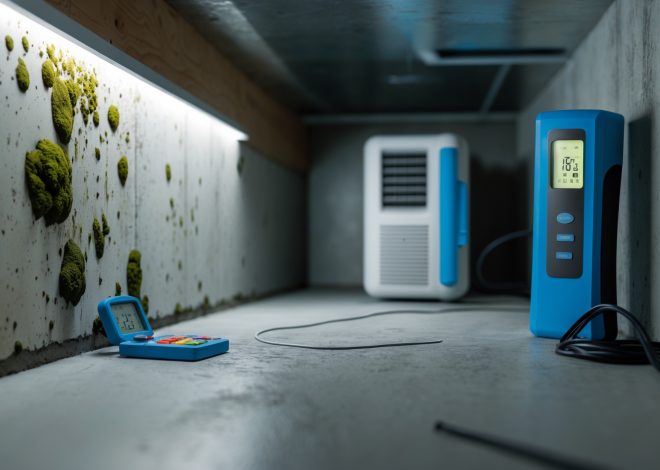
- Mold or Mildew: Appears as black, white, or green patches on wood and insulation.
- Pest Evidence: Look for nests, droppings, or gnaw marks.
- Insulation Condition: Sagging or damp insulation signals moisture problems.
- Wood Rot: Probe beams and joists with a screwdriver for softness.
- Vapor Barrier Status: Check if plastic sheeting is intact and covers the ground fully.
Step 2: Moisture and Humidity Measurements
Use a moisture meter to check wood and insulation. Ideal wood moisture content is below 16%. Relative humidity should be under 60%. Record readings for future comparison.
Addressing Moisture: The Most Critical Task
Why Moisture Control Is Essential
Uncontrolled moisture leads to mold, wood decay, and invites pests—all of which undermine property value and can trigger expensive repairs. Moisture issues are also a common reason for failed home inspections or insurance claims.
Step-by-Step Moisture Mitigation
- Install or Repair Vapor Barriers: Lay 6-mil or thicker polyethylene plastic sheeting over the entire ground surface. Overlap seams by at least 12 inches and tape them. Extend the barrier up the walls by 6–12 inches and secure it.
- Fix Foundation Cracks and Gaps: Patch with hydraulic cement or sealant to prevent groundwater entry.
- Improve Exterior Drainage: Ensure gutters and downspouts divert water at least 6 feet away from the foundation. Grade soil to slope away from the house.
- Install a Sump Pump, If Needed: For properties with chronic flooding, install a sump pump with a battery backup system.
- Consider Crawl Space Encapsulation: In high-humidity areas, full encapsulation (sealing the crawl space with a heavy-duty vapor barrier and adding a dehumidifier) offers the best protection.
Ventilation and Airflow
Managing Crawl Space Vents
The role of vents is debated, but modern best practices favor sealing vents and conditioning crawl spaces in humid climates. In drier climates, vents may help reduce moisture. Assess your local conditions and building codes before making changes.
- Sealed Crawl Space: Close and insulate vents. Install a mechanical vent or dehumidifier as needed.
- Traditional Ventilated Crawl Space: Keep vents open during dry months; close them in winter or heavy rain.
Dehumidification
- Install a crawl space-rated dehumidifier if humidity remains above 60%.
- Check and empty dehumidifier reservoirs regularly, or route drainage to a sump pump.
Pest Prevention and Control
Common Crawl Space Pests
- Termites
- Rodents (rats, mice)
- Carpenter ants
- Spiders and insects
- Wildlife (raccoons, opossums)
Best Practices for Pest Management
- Seal all exterior gaps, cracks, and penetrations with caulk or steel mesh.
- Remove wood debris, cardboard, and organic materials from the crawl space.
- Install door sweeps or tight-fitting access covers.
- Use bait stations or traps as needed, but avoid poisons that may cause odor issues if animals die in the crawl space.
- Schedule regular pest inspections, especially in termite-prone regions.
Structural and Insulation Maintenance
Inspecting Support Elements
- Check beams, joists, and piers for rot, shifting, or water damage.
- Look for signs of sagging floors above—these may indicate structural weakness below.
- Consult a structural engineer if you notice significant damage or settling.
Maintaining and Upgrading Insulation
- Replace any wet, moldy, or fallen insulation promptly.
- Use insulation designed for crawl spaces, such as rigid foam board or closed-cell spray foam on walls.
- In vented crawl spaces, insulate between floor joists; in encapsulated crawl spaces, insulate the perimeter walls instead.
Plumbing and HVAC: Preventing Leaks and Energy Waste
Routine Plumbing Checks
- Inspect supply and drain lines for leaks, condensation, and corrosion.
- Wrap pipes with insulation to prevent winter freezing and summer condensation.
- Look for standing water or discoloration around pipes as evidence of slow leaks.
HVAC Ductwork
- Seal all duct joints with mastic or foil tape to minimize energy loss and prevent moisture intrusion.
- Insulate ducts to improve efficiency and prevent condensation.
- Check for disconnected or crushed ducts and repair as needed.
Access Door and Entry Maintenance
- Inspect crawl space access doors for tight seals and weatherproofing.
- Repair or replace damaged doors to keep out moisture, pests, and cold air.
- Install a lockable latch for added security.
Regular Crawl Space Maintenance Schedule
Monthly Tasks
- Quick visual check for standing water, pests, or new cracks.
Quarterly Tasks
- Test humidity and moisture levels.
- Inspect vapor barrier and insulation condition.
- Examine plumbing and HVAC for leaks.
Annual Tasks
- Comprehensive pest inspection.
- Check structural supports and subfloor for signs of rot or damage.
- Review exterior drainage and landscaping.
Legal and Compliance Considerations
Local building codes may regulate crawl space ventilation, insulation type, vapor barriers, and encapsulation. Before making major changes, check municipal requirements or consult a licensed contractor. Some states require pest clearance certificates for real estate transactions—especially for termites. Insurance policies may also have stipulations about moisture intrusion or mold coverage; review your policy and discuss with your agent if needed.
Professional Help: When to Call the Experts
- Mold remediation specialists for visible or suspected mold growth.
- Structural engineers for sagging floors or compromised beams.
- Pest control professionals for ongoing infestations.
- Contractors specializing in crawl space encapsulation or drainage.
Cost Breakdown and Budgeting Tips
- DIY Inspection and Minor Repairs: $100–$500 for tools, vapor barrier material, and sealants.
- Professional Pest Inspection: $75–$200 per visit.
- Crawl Space Encapsulation: $3,000–$10,000+ depending on size and features.
- Sump Pump Installation: $1,000–$3,000 for parts and labor.
- Dehumidifier: $800–$1,500 for crawl-space rated units.
Budget annually for routine maintenance and inspections. Address small issues promptly to avoid high repair costs later.
Common Crawl Space Myths Debunked
- Myth: “Vents always prevent crawl space moisture.”
Fact: In humid climates, vents can actually make moisture problems worse. - Myth: “A vapor barrier alone is enough.”
Fact: Without proper drainage and dehumidification, vapor barriers can’t prevent all moisture issues. - Myth: “If I don’t see problems, the crawl space is fine.”
Fact: Many issues, like hidden leaks or early rot, aren’t visible without close inspection.
Conclusion: Protecting Your Real Estate Investment
Crawl space maintenance is one of the most overlooked yet vital aspects of real estate property care. Whether you’re managing a rental portfolio, preparing a home for sale, or simply preserving your personal residence, proactive crawl space upkeep can save you thousands in repairs and help retain your property’s value. Water intrusion, mold, pests, and structural decay are all preventable threats—if you catch them early and act decisively.
By following the step-by-step strategies outlined in this guide—regular inspections, robust moisture control, diligent pest management, and timely professional intervention—you’ll ensure your crawl space remains dry, clean, and structurally sound. This not only enhances the safety and comfort of your property but also boosts its marketability and insurability. Don’t let the hidden nature of crawl spaces lull you into a false sense of security. Instead, treat this area as a critical part of your property’s health, schedule maintenance tasks faithfully, and be ready to invest in improvements when needed. Your diligence today will pay off in long-term savings and peace of mind.
56 thoughts on “Real Estate Crawl Space Maintenance: Step-by-Step Guide to Prevent Costly Damage”
Leave a Reply



For someone on a tight budget, what are the most critical steps from your maintenance guide that absolutely shouldn’t be skipped if I want to prevent major crawl space damage?
If you’re on a tight budget, focus on these essentials: regularly check for water leaks or standing moisture, make sure any vents are clear and working, and seal up obvious gaps or cracks to keep pests out. Also, remove any debris that could block airflow or trap moisture. These steps target the most common sources of major crawl space damage and can be done with minimal cost.
Can you give an idea of what basic crawl space maintenance might cost per year if you follow the steps in this guide? I want to make sure I budget enough to prevent bigger issues down the line.
Annual crawl space maintenance typically costs between $200 and $500 if you handle most tasks yourself, such as checking for moisture, cleaning debris, and inspecting insulation. If you hire professionals for inspections or minor repairs, the cost could rise to $500 to $1,000 per year. These regular expenses are much less than what you might pay to fix major issues if problems go unnoticed.
If someone finds early signs of structural sagging during an assessment, what immediate steps should they take before calling in a professional, especially to prevent further damage while waiting for repairs?
If you notice early signs of structural sagging, try to minimize weight and traffic in that area of the building to reduce further stress. Check for visible moisture or leaks and address them immediately, such as by using a dehumidifier or placing a waterproof barrier if safe to do so. Avoid making adjustments to supports yourself, but keep the area as stable and dry as possible until a professional arrives.
How often should crawl space assessments be done to truly prevent those expensive disasters you talked about? Is this something homeowners can manage themselves on a schedule, or is it better to bring in a specialist every year or so?
Crawl space assessments should ideally be done at least once a year to catch issues early and prevent costly damage. Homeowners can handle basic checks themselves, such as looking for moisture, mold, or pests. However, bringing in a specialist annually or every other year is a smart idea, since professionals can spot hidden problems and recommend repairs before they become expensive.
I read that moisture and poor ventilation are big problems in crawl spaces, but how often should homeowners actually go down there to check for these issues? Is there a recommended inspection schedule or does it depend on the age of the house?
It’s generally recommended to inspect your crawl space at least twice a year—ideally in the spring and fall. However, if your home is older or has a history of moisture problems, you might want to check every few months. Also, after heavy rains or plumbing leaks, it’s smart to do an extra check for any signs of water or poor ventilation.
After inspecting a crawl space and finding some early signs of mold, what would you say is the best way to tackle the problem before it gets out of hand? Should I try a DIY approach first or call in a professional right away?
If you’ve found just small patches of mold and there’s no structural damage or strong musty odor, you can usually start with a DIY cleanup using protective gear, detergent, and a scrub brush. Make sure to dry the area thoroughly and address moisture sources. However, if the mold covers a large area, keeps returning, or you notice wood rot, it’s better to call a professional to properly assess and treat the problem.
The article talks about using protective gear and special tools like a moisture meter when assessing the crawl space. Are there any brands or types you recommend that strike a good balance between quality and affordability for a typical homeowner?
For protective gear, consider 3M or Honeywell for respirators and gloves—they’re reliable and reasonably priced. For a moisture meter, General Tools and Dr. Meter offer user-friendly models that balance cost and accuracy, ideal for home use. These brands are widely available at hardware stores and online, making them convenient choices for homeowners doing crawl space maintenance.
The article mentions protective gear like gloves and a mask for an inspection. Are there any specific types or brands you recommend, especially if I’m worried about encountering mold or hazardous materials under there?
For crawl space inspections, especially where mold or hazardous materials might be present, choose thick, puncture-resistant nitrile gloves. For masks, opt for a NIOSH-approved N95 respirator at minimum, but a half-face respirator with P100 filters offers better protection against mold spores and dust. Brands like 3M and Honeywell are reputable for both gloves and respirators.
I live in a humid region and have struggled with musty smells coming from the floors. Do you recommend any particular ventilation techniques or products that work well for keeping crawl spaces dry?
In humid areas, it’s important to keep crawl space moisture under control to prevent musty odors. Installing a crawl space dehumidifier is highly effective, especially models designed for damp environments. You might also consider adding vapor barriers on the ground and sealing vents to keep outside moisture out. If your crawl space has venting, using mechanical vent fans can help circulate air and reduce humidity.
You mention using a moisture meter during inspections. Do you have any recommendations for affordable models that provide reliable readings? I want to make sure I’m using the right tools but don’t have a big budget.
For affordable and reliable moisture meters, consider models like the General Tools MMD4E or the Klein Tools ET140. Both are user-friendly and provide accurate readings without a hefty price tag. These models are widely recommended for homeowners and DIYers checking crawl spaces. Always make sure to follow the manufacturer’s instructions for best results.
You mention using a moisture meter during the initial inspection. Are there affordable models you recommend for homeowners, or should this step always be handled by a pro?
Many affordable moisture meters are available for homeowners, and you don’t necessarily need a professional for basic readings. Look for models labeled as ‘pinless’ or ‘non-invasive,’ which are easy to use and typically priced between $30 and $80 at hardware stores. Brands like General Tools, Klein Tools, and Dr. Meter offer reliable options. If you encounter unusually high readings or other concerns, consulting a pro is a good next step.
For investors managing multiple properties, what are some efficient ways to document crawl space conditions and track maintenance over time? Any tools or systems you suggest for keeping organized records?
For managing multiple properties, using a digital property management system can be very effective. Many investors rely on apps or platforms that let you upload photos, record inspection dates, and note any maintenance done in each crawl space. Spreadsheets can also work, especially if you create a template with sections for condition notes and scheduled tasks. Setting calendar reminders for inspections will help you stay on track and keep your records up to date.
I noticed the article talks about moisture being one of the biggest threats in crawl spaces. Are there certain warning signs of moisture problems I should look out for if I don’t have a moisture meter yet?
Absolutely, you can spot moisture problems without a moisture meter by looking for common warning signs. These include musty odors, visible mold or mildew, damp or wet insulation, condensation on pipes, warped wood, and any standing water or mud in the crawl space. You might also notice increased humidity in the rooms above or signs of pest activity, as these thrive in damp environments. Regular visual inspections can help catch issues early.
For someone on a tight budget, are there simple steps I can take right away to reduce the risk of pests and moisture before investing in more expensive solutions?
Absolutely, there are several low-cost steps you can take right away. First, clear any debris or stored items from your crawl space to reduce pest hiding spots. Make sure vents are open and not blocked to improve airflow. Check for any plumbing leaks and repair them quickly. Finally, lay down a plastic sheet as a basic moisture barrier if you don’t already have one—this can help keep moisture out until you’re ready for more permanent solutions.
If I find signs of rodents or other pests when inspecting my crawl space, what’s the safest way for a beginner DIYer to handle this before calling in a professional? The article talked about pest access but didn’t go into a lot of detail about first steps.
If you spot signs of rodents or pests in your crawl space, start by wearing gloves and a mask for safety. Remove any food sources or debris, and seal up small holes or gaps with steel wool and caulk. Avoid using poisons or traps unless you’re confident; these can be tricky and potentially unsafe. If the problem persists or if you see signs of a large infestation, it’s best to contact a professional.
The article talks about using a moisture meter for inspections. Is there a certain moisture level reading that should trigger concern or immediate action to prevent mold or structural damage?
Yes, a moisture meter reading of 20% or higher in wood within your crawl space should definitely raise concern. Readings above this level create an environment where mold and wood decay can develop. Ideally, wood moisture should stay below 16%. If your readings approach or exceed 20%, it’s time to address ventilation, vapor barriers, or water intrusion immediately to prevent costly damage.
If I’m inspecting a crawl space for the first time, how often should I plan to check it out afterward to catch issues early and prevent damage?
After your initial crawl space inspection, it’s a good idea to check it at least twice a year—usually in the spring and fall—to spot any moisture, pests, or structural issues early. If your area is prone to heavy rainfall or humidity, inspect more frequently. Also, check after significant weather events or if you notice changes like musty smells indoors.
Since crawl spaces are vulnerable to both pests and moisture, is it better to address moisture issues first or focus on pest prevention, or do they need to be tackled at the same time?
It’s usually best to address moisture issues first, since damp environments attract pests and can lead to structural problems. By reducing moisture, you make the crawl space less appealing to pests and also prevent mold and wood rot. Once moisture is under control, you can focus more effectively on pest prevention measures like sealing entry points.
The article talks about crawl spaces being more common in damp climates. Are there specific crawl space features or materials that work better in humid areas to prevent issues like wood rot and mold?
In humid areas, crawl spaces benefit from features like vapor barriers on the ground and walls to limit moisture entry. Encapsulation—sealing the crawl space with heavy-duty plastic sheeting—works well, especially when combined with proper ventilation or a dehumidifier. Using pressure-treated lumber and mold-resistant insulation also helps prevent wood rot and mold. Regular inspections ensure that any small issues are caught early.
You talk about structural risks like floor sagging due to poor drainage. What are some budget-friendly steps homeowners can take right away to improve drainage and prevent these types of structural concerns in older properties?
Homeowners can start by making sure gutters and downspouts are clear and direct water away from the foundation, extending downspouts at least several feet. Grading the soil around the home so it slopes away from the foundation helps as well. Inside the crawl space, laying down a heavy-duty plastic vapor barrier can minimize moisture. Regularly checking for standing water after rain and addressing leaks quickly can also make a big difference.
When you mention bringing a moisture meter for the crawl space assessment, are there specific brands or features you’ve found most reliable for picking up early signs of water issues?
A moisture meter with both pin and pinless modes is especially helpful for crawl spaces, as it lets you check different materials like wood and insulation. Brands like Protimeter and Extech are popular among inspectors for their reliability. Look for features such as a wide measurement range, clear digital display, and alerts for elevated moisture levels. These can help you catch early signs of water intrusion before major damage occurs.
If I suspect rodent or termite activity underneath a property, is there a safe way for a non-expert to confirm this before calling a professional? What are the main signs to look for without disturbing anything?
You can look for signs of rodents such as droppings, gnaw marks on wood or wires, shredded insulation, and small entry holes without touching or moving anything. For termites, check for mud tubes along foundation walls, discarded wings, or wood that sounds hollow when tapped. It’s important not to disturb any potential nests or colonies, as this can scatter pests or worsen the problem before a professional inspects the area.
How often do you suggest a thorough crawl space inspection should be done for rental properties versus owner-occupied homes? Does frequency make a big difference in spotting early warning signs?
For rental properties, a thorough crawl space inspection should be done at least once a year, since tenants may not always notice or report early issues. For owner-occupied homes, annual inspections are also recommended, but some owners choose to check semi-annually, especially in areas with moisture problems. Increased inspection frequency definitely helps spot early warning signs and can prevent costly repairs down the road.
For property owners managing multiple rentals, how often should thorough crawl space inspections be scheduled annually to realistically catch early warning signs before they turn into bigger problems?
For owners managing several rental properties, it’s best to schedule thorough crawl space inspections at least twice a year—once in the spring and once in the fall. This timing helps you catch issues related to seasonal weather changes, moisture, and pests before they become serious. If your properties are in damp or flood-prone areas, consider quarterly checks for added assurance.
The article talks about crawl spaces being especially vulnerable in damp climates. Are there specific preventative measures or products you recommend for properties in areas with high humidity versus those in drier regions?
In areas with high humidity, it’s important to use vapor barriers, dehumidifiers, and proper insulation to keep moisture out of crawl spaces. Sealing vents and ensuring good drainage away from the foundation can also help. In drier regions, focus on preventing dust and pests by using screens over vents and maintaining a clean, sealed crawl space. Each climate has unique needs, so adjusting your approach accordingly makes a big difference.
The article mentions using a moisture meter during the initial assessment. Are there specific moisture level readings that indicate a serious issue in a crawl space, or is any level of moisture a concern for real estate investors?
Not all moisture in a crawl space is a problem, but certain readings should raise concern. Generally, wood moisture content above 20% or relative humidity above 60% can signal a risk for mold and structural damage. Consistently high readings should definitely prompt further inspection or remediation to protect your investment.
After reading about pest infestations in crawl spaces, I’m curious—if I spot signs of rodents but no visible entry points, what’s the best next step? Should I seal everything first, or call a pest professional for a thorough inspection?
If you notice signs of rodents but can’t find where they’re getting in, it’s best to call a pest professional before sealing anything. A professional can identify hidden entry points and make sure any rodents inside are dealt with first, preventing them from being trapped or causing more damage. After inspection and treatment, you can then seal up all entry points to keep pests from returning.
Is there a recommended schedule for how often I should be assessing my crawl space, especially in a region with high humidity? I don’t want to miss any early warning signs you mentioned.
In regions with high humidity, it’s wise to assess your crawl space at least once every three months. This helps catch early warning signs like moisture, mold, or pest activity before they become costly issues. Also, inspect after major storms or heavy rains, as these can quickly change crawl space conditions.