
Navigating Flood Zones: A Real Estate Buyer’s Risk Assessment and Preparation Guide
Introduction: Understanding the Real Estate Flood Zone Challenge
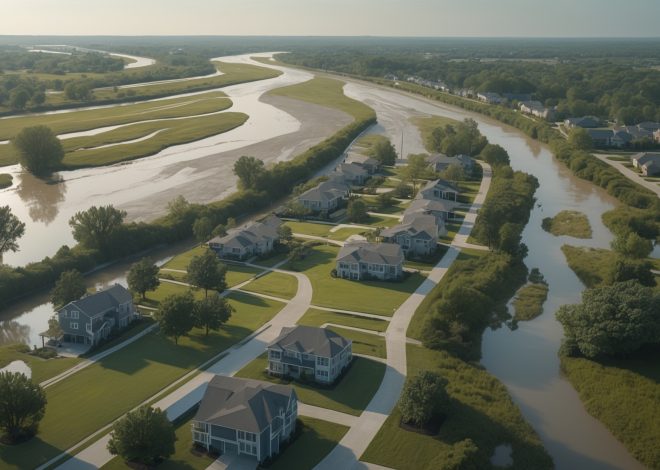
Buying a property involves more than just evaluating curb appeal and price per square foot. For many buyers, especially those looking at homes near rivers, lakes, or coastlines, understanding and managing flood risk is a critical part of the decision-making process. Flooding can be devastating, causing not only property damage but also long-term financial strain due to insurance requirements, mitigation costs, and potential resale value impacts. Yet, flood zones are often misunderstood or overlooked until it’s too late.
This comprehensive guide empowers real estate buyers to confidently navigate flood zone properties. We’ll break down how to interpret FEMA flood maps, assess real risk versus perception, plan for insurance and mitigation costs, and take practical steps to protect your investment—turning a potential obstacle into a manageable aspect of your real estate journey.
What Are Flood Zones? Understanding the Basics
How Flood Zones Are Defined
Flood zones are geographic areas that FEMA (Federal Emergency Management Agency) has classified based on varying levels of flood risk. These designations help determine flood insurance requirements, building codes, and even resale considerations for properties in vulnerable areas.
- Zone A: Areas with a 1% annual chance of flooding (also known as the 100-year floodplain). No detailed base flood elevations provided.
- Zone AE, AH, AO: High-risk areas with base flood elevations established.
- Zone X (shaded): Moderate risk, between the limits of the 100-year and 500-year floods.
- Zone X (unshaded): Minimal risk, outside the 500-year floodplain.
- Zone V: Coastal high-risk areas with additional hazards like storm surge.
Why Flood Zone Designations Matter
Flood zone status directly affects your insurance premiums, mortgage approval process, and the kind of preventive measures you’ll need to consider. Lenders may require flood insurance for homes in high-risk zones, and your long-term maintenance costs can vary widely depending on the level of mitigation required.
How to Accurately Assess Flood Risk Before You Buy
Step 1: Locate and Interpret FEMA Flood Maps
Start by visiting the FEMA Flood Map Service Center (https://msc.fema.gov/portal/home). Enter the property address to access the most current Flood Insurance Rate Map (FIRM).
- Identify the Zone: Confirm which flood zone the property is in. Note whether it’s in a Special Flood Hazard Area (SFHA).
- Check the Date: Maps are periodically updated. Ensure you’re looking at the latest version.
- Review Map Legends: Understand the color codes and symbols for floodways, levees, and base flood elevations (BFEs).
Step 2: Go Beyond FEMA—Local and Historical Data
FEMA maps are an excellent starting point, but flood risk can change due to new development, climate shifts, or outdated mapping. Take these additional steps:
- Contact the Local Planning Department: Many municipalities maintain more detailed or updated floodplain data.
- Ask About Past Flooding: Inquire with neighbors, local authorities, and sellers about recent flood events, even if the area is not designated as high-risk.
- Review Historical Records: FEMA’s National Flood Hazard Layer and NOAA’s precipitation data can provide context for historical events.
Step 3: Evaluate Property-Specific Risk Factors
Even within a flood zone, individual properties can have dramatically different levels of risk. Assess:
- Elevation: Properties above base flood elevation are less likely to suffer damage.
- Drainage: Check for proper grading, stormwater management, and proximity to natural or artificial drainage systems.
- Foundation Type: Raised foundations or pilings are more resilient to flooding than slab-on-grade construction.
- Potential Barriers: Levees, floodwalls, or berms nearby can reduce risk but are not foolproof.
The Real Cost Breakdown: Flood Insurance and Mitigation
Flood Insurance Essentials
Most standard homeowners’ policies do not cover flood damage. Instead, flood insurance must be purchased separately, often through the National Flood Insurance Program (NFIP) or private insurers.
- NFIP Policies: Coverage is capped at $250,000 for the structure and $100,000 for contents.
- Private Insurance: May offer higher limits and additional options but can be more expensive.
- Premium Factors: Zone designation, elevation, foundation type, and prior claims history all influence cost.
Typical annual premiums range from $400 in low-risk zones to over $3,000 in high-risk, coastal, or flood-prone areas.
Budgeting for Flood Mitigation Upgrades
If you’re considering a property in a higher-risk area, plan for the following possible expenses:
- Elevation Certificate (EC): $500–$2,000. Required for accurate insurance quotes and mitigation planning.
- Home Elevation: $20,000–$100,000+, depending on size and complexity. Dramatically reduces flood risk and insurance costs.
- Flood Vents: $200–$1,000 per vent. Help equalize water pressure and minimize structural damage.
- Sump Pumps and Drainage: $2,000–$7,000. Essential for properties with basements or crawl spaces.
- Backflow Valves: $500–$2,500. Prevent sewage backup during flooding.
- Sealing Foundations and Basements: $2,000–$10,000, depending on the extent of work needed.
Ongoing Maintenance and Emergency Preparedness Costs
- Annual Inspections: $200–$500 for professional checks of flood mitigation systems.
- Sandbags, Emergency Supplies: $100–$300 per year.
- Landscaping for Drainage: $500–$5,000 for grading, swales, or rain gardens.
Step-by-Step: Due Diligence When Purchasing in Flood Zones
1. Secure Detailed Flood Zone and Elevation Data
Request an Elevation Certificate from the seller or commission a new one. This document will show the property’s elevation in relation to base flood elevation, a key factor in insurance pricing and mitigation feasibility.
2. Consult With Insurance Professionals Early
Before making an offer, obtain quotes from multiple insurers. Provide them with the elevation certificate for precise estimates. Don’t rely solely on the seller’s current policy—it may not reflect your risk profile or coverage needs.
3. Thoroughly Inspect Drainage and Water Management
Hire a home inspector with flood zone expertise. Assess gutters, downspouts, grading, foundation sealing, sump pump operation, and the state of any on-site drainage features.
4. Understand Local Regulations and Building Codes
Many flood-prone areas have strict building codes and permit requirements for repairs, renovations, or additions. Verify:
- Permissible construction types and materials
- Requirements for elevating utilities or HVAC systems
- Restrictions on basement finishing or new development
5. Factor Flood Risk Into Your Offer and Negotiations
Flood zone status can affect property values and resale timelines. Use your findings to:
- Negotiate the price, especially if upgrades or insurance costs are significant
- Request seller concessions for mitigation improvements or insurance premiums
- Build in longer due diligence periods for further investigation, if needed
Proactive Mitigation: Protecting Your Investment
Structural Upgrades
- Home Elevation: Lifting the structure above base flood elevation is the most effective long-term solution.
- Installing Flood Vents: Required in many high-risk zones. They prevent water pressure build-up, reducing structural damage.
- Move Utilities Above Flood Level: Relocate HVAC, water heaters, and electrical panels to higher floors or raised platforms.
- Waterproofing: Use sealants and vapor barriers on foundations, walls, and basement floors.
Landscaping and Site Design
- Regrade the Yard: Slope soil away from the foundation to direct water flow.
- Rain Gardens and Swales: Capture runoff and encourage infiltration.
- Permeable Paving: Reduce surface water and promote drainage.
- Maintain Gutters and Downspouts: Keep them clean and directed well away from the house.
Emergency Preparedness
- Maintain an updated emergency supply kit: sandbags, flashlights, portable sump pump, and first aid supplies.
- Develop a flood evacuation plan and share it with everyone in your household.
- Store important documents and valuables in waterproof containers in elevated locations.
Special Considerations for Investors and Landlords
Tenant Communication and Legal Responsibilities
If renting out a property in a flood zone, disclose flood risk and required insurance policies in leases. Local laws may require landlords to inform tenants of historic flooding or current zone designation.
Insurance Implications for Rentals
Standard landlord policies rarely cover flood damage. Secure a separate flood insurance policy and encourage (or require) tenants to obtain renters’ flood insurance for contents.
Protecting Cash Flow and Asset Value
- Budget for higher maintenance and insurance premiums.
- Proactively maintain all mitigation systems to minimize downtime after flood events.
- Consider the potential impact on vacancy rates and marketability.
Case Example: Buying and Upgrading a Flood Zone Property
Consider a buyer who falls in love with a riverfront home in Zone AE. After reviewing FEMA maps and securing an elevation certificate, they discover the house sits just below base flood elevation. Insurance quotes come in at $2,800 annually—significantly higher than average. Factoring in mitigation options, the buyer negotiates a $15,000 price reduction to offset costs. They install flood vents ($2,400), elevate utilities ($3,500), and invest in robust landscaping ($4,000). A year later, their insurance premium drops by 40% due to completed mitigation, and the property’s marketability improves thanks to these documented upgrades.
Common Myths and Buyer Pitfalls
- Myth: “Flood insurance isn’t necessary outside high-risk zones.”
Reality: Over 20% of NFIP claims come from moderate-to-low risk areas. - Myth: “FEMA maps are always up-to-date.”
Reality: Local conditions and maps may lag behind actual risk factors. - Myth: “Previous flooding is always disclosed.”
Reality: Disclosure laws vary by state; always ask directly and verify with local authorities. - Pitfall: Failing to obtain an elevation certificate before purchasing—this can lead to drastically higher insurance costs.
- Pitfall: Underestimating maintenance needs for mitigation systems (sump pumps, drains, etc.).
Conclusion: Turning Flood Zone Concerns into Confident Decisions
Buying real estate in a flood zone doesn’t have to be a gamble. With diligent research, proactive planning, and the right professional support, you can accurately assess risk, negotiate from a position of strength, and implement mitigation strategies that protect both your finances and your peace of mind. Understanding FEMA maps, securing elevation certificates, clearly budgeting for insurance and upgrades, and maintaining robust emergency preparedness are essential steps for every flood zone buyer.
Whether you’re purchasing a family home, investment property, or vacation retreat, let flood risk inform your due diligence—not derail your plans. Harness the right knowledge, ask pointed questions, and work with specialized inspectors and insurance agents. The result? A resilient, well-protected property that offers both comfort and value, no matter what the weather brings.
Remember, the key to successful real estate ownership in flood-prone areas isn’t avoidance—it’s education, preparation, and ongoing vigilance. By following the detailed steps in this guide, you’re not just buying a home; you’re investing in long-term security and peace of mind.