

How to Prepare a Property for Short-Term Rentals: Legal, Operational, and Marketing Steps
Introduction
Short-term rentals have become a dynamic segment of the real estate market, offering property owners the opportunity to maximize income and diversify their investments. However, preparing a property for platforms like Airbnb, Vrbo, or Booking.com involves much more than just uploading photos and setting a nightly rate. Success in this space requires a strategic approach that blends legal compliance, operational efficiency, and hospitality excellence. Skipping critical steps can lead to costly penalties, poor guest reviews, and missed income opportunities. This comprehensive guide demystifies the process, providing actionable instructions for transforming your property into a standout, legally compliant, and profitable short-term rental asset. Whether you’re a homeowner looking to supplement your income or an investor aiming to scale a portfolio, you’ll find practical advice to navigate regulations, optimize your setup, stage and equip your space, set competitive pricing, and deliver an exceptional guest experience from day one.
Understanding the Legal Landscape
1. Research Local Laws and Regulations
Short-term rental regulations vary dramatically between cities, counties, and even neighborhoods. Start by:
- Checking municipal codes and zoning ordinances for short-term rental allowances, restrictions, or outright bans.
- Reviewing Homeowners Association (HOA) and condominium bylaws for any prohibitions or requirements.
- Identifying occupancy limits, permitted rental durations, and minimum night stay requirements.
Most cities now post short-term rental regulations online. When in doubt, consult your local planning or zoning department.
2. Permits, Licenses, and Registration
Many jurisdictions require one or more of the following:
- Short-term rental permit or business license.
- Certificate of occupancy or inspection clearance.
- Tax registration (for transient occupancy, hotel, or sales tax collection).
Prepare to provide proof of insurance, floor plans, and emergency contact information during the application process. Processing times vary—factor regulatory lead time into your launch timeline.
3. Tax Obligations
Short-term rental income is taxable. Owners may be required to collect and remit:
- Local transient occupancy or hotel tax.
- State and local sales tax.
- Income tax (federal, state, and sometimes local).
Use dedicated accounting software or consult a short-term rental tax specialist to ensure compliance and maximize deductions.
4. Safety and Accessibility Regulations
Most cities require basic safety features, such as:
- Smoke and carbon monoxide detectors.
- Fire extinguishers.
- Emergency exits and evacuation plans.
- Accessible entryways, if required by law.
Document and photograph all safety features for both legal and marketing purposes.
Optimizing Your Property for Short-Term Stays
1. Deep Cleaning and Repairs
First impressions are everything. Conduct a thorough cleaning and address all maintenance issues before listing your property. Focus on:
- Carpets and flooring: Remove stains, repair scratches, and ensure all surfaces are spotless.
- Bathrooms: Deep-clean tiles, replace caulking, and ensure all fixtures are functional.
- Kitchens: Clean appliances inside and out; replace or repair any malfunctioning equipment.
- Windows and doors: Ensure smooth operation, secure locks, and clean glass.
2. Functional Furnishing and Layout
Short-term rentals should be comfortable, practical, and visually appealing. Consider:
- Durable, easy-to-clean furniture for high-traffic areas.
- Multi-use pieces, such as sofa beds or expandable dining tables.
- Ample storage: Luggage racks, empty closets, and drawers for guest use.
- Workspaces: A small desk and chair for remote workers or business travelers.
3. Essential Amenities and Supplies
Stock your property with the basics guests expect (and a few extras for five-star reviews):
- Clean linens and towels (multiple sets for turnover efficiency).
- Basic toiletries: Shampoo, conditioner, soap, toilet paper.
- Fully equipped kitchen: Pots, pans, dishes, utensils, coffee maker, and kettle.
- High-speed Wi-Fi and clear instructions for use.
- Heating and air conditioning controls labeled for easy adjustment.
- Smart TV with streaming access, or local channels.
Bonus: Consider a welcome basket with snacks, local guidebooks, or discount cards for area attractions.
4. Security and Privacy
Guest safety and privacy are paramount. Install:
- Secure locks on all doors and windows.
- Exterior security cameras (never inside living spaces).
- Motion-sensor outdoor lighting.
- Instructions for deadbolts, safes, or alarm systems (if present).
Staging and Photography: Making Your Listing Stand Out
1. Professional Staging Tips
Great staging increases perceived value and booking rates. Focus on:
- Decluttering: Remove personal items, excess decor, and anything not intended for guest use.
- Neutral color palettes: Use light, inviting tones for walls and bedding.
- Accent pieces: Add pops of color with throw pillows, art, or plants.
- Consistent theme: Tie rooms together with a cohesive style (modern, rustic, coastal, etc.).
2. Photography Guidelines
High-quality photos are your best marketing tool. For best results:
- Shoot in natural daylight; open all blinds and turn on lights.
- Use a tripod for sharp, level shots.
- Capture wide angles to showcase space and flow.
- Highlight unique features (balcony views, spa tubs, gourmet kitchens).
- Include every room, plus exterior and amenities.
If possible, hire a professional real estate photographer. Listings with professional photos often earn significantly more revenue.
Operational Setup and Guest Experience
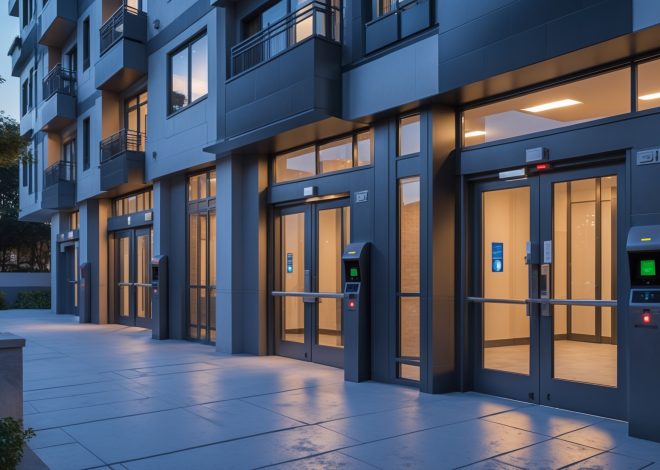
1. Self-Check-In Systems
Contactless entry is now expected by most guests. Options include:
- Smart locks with unique codes for each booking.
- Lockboxes with keys (ensure codes are changed regularly).
- Clear instructions, photos, and diagrams for entry.
Test your system repeatedly before going live.
2. House Manual and Local Guide
Create a digital or printed house manual including:
- Wi-Fi details and troubleshooting tips.
- Appliance instructions.
- Emergency procedures and contacts.
- Garbage/recycling info and check-out instructions.
- Recommendations for dining, shopping, and attractions.
3. Cleaning Protocols and Turnover Logistics
Efficient turnovers ensure high occupancy and great reviews. Establish:
- Professional cleaning partnerships or reliable staff on call.
- Checklists for deep, mid, and light cleans.
- Laundry procedures: Multiple sets of linens to allow for back-to-back bookings.
- Restocking schedules for consumables and amenities.
Leave a feedback form or digital survey for guests to catch issues before they escalate.
4. Communication Plan
Maintain prompt, courteous communication before, during, and after stays:
- Automate pre-arrival and check-out messages.
- Respond to inquiries within an hour whenever possible.
- Have an emergency contact or property manager available 24/7.
Pricing and Revenue Management
1. Market Analysis
Set competitive rates by:
- Researching similar listings in your neighborhood on multiple platforms.
- Tracking occupancy rates, nightly prices, and peak seasons using tools like AirDNA or Mashvisor.
- Adjusting for unique features, amenities, and guest capacity.
2. Dynamic Pricing Tools
Maximize revenue by implementing dynamic pricing, which automatically adjusts your nightly rate based on demand, local events, and market trends. Popular tools include:
- PriceLabs
- Beyond Pricing
- Wheelhouse
Monitor performance and override automated suggestions for special events or last-minute fills.
3. Minimum Stays and Discounts
Use minimum stay requirements and discounts strategically:
- Set higher minimums for holidays and peak seasons to reduce turnover work.
- Offer weekly/monthly discounts to attract longer stays during slow periods.
- Use early-bird or last-minute discounts to fill calendar gaps.
Platform Selection and Listing Optimization
1. Choosing the Right Platforms
List your property on multiple booking sites for maximum exposure. Consider:
- Airbnb: User-friendly, global reach, strong protections.
- Vrbo: Focuses on entire-home rentals, popular with families.
- Booking.com: Large international audience, instant bookings.
- Specialty platforms (e.g., Plum Guide, Sonder) for high-end or niche properties.
Use channel managers to synchronize calendars and prevent double bookings.
2. Crafting Your Listing
Optimize your listing to increase bookings:
- Headline: Highlight unique features or location.
- Description: Be honest, detailed, and engaging—mention every amenity and local attraction.
- Amenities: Select every applicable box in the platform’s checklist.
- House rules: Clearly state expectations (no smoking, pet policy, quiet hours).
3. Reviews and Social Proof
Positive reviews drive bookings. Encourage guests to leave feedback by:
- Following up with a thank-you message post-stay.
- Addressing negative feedback promptly and professionally.
- Incorporating suggestions for improvement.
Display your best reviews and ratings prominently in your listing and on social media.
Insurance and Risk Management
1. Specialized Short-Term Rental Insurance
Standard homeowner’s policies usually exclude short-term rental activity. Protect yourself with:
- Dedicated short-term rental insurance policies (e.g., Proper Insurance, CBIZ).
- Liability coverage for guest injuries.
- Loss of income protection.
- Coverage for vandalism, theft, and property damage.
Confirm that your insurer knows you’re operating a short-term rental—non-disclosure may void your policy.
2. Platform Protections and Limitations
Most platforms offer some host protection, but with notable limitations:
- Airbnb Host Guarantee: Up to $1 million but excludes certain damages.
- Airbnb Host Protection Insurance: Covers liability but not property damage.
- Vrbo Property Damage Protection: Optional, with guest buy-in.
Always review coverage details and supplement with your own policy where needed.
Scaling and Streamlining Operations
1. Automating Tasks
As you grow, automation saves time and reduces errors. Tools to consider:
- Channel managers: Sync calendars, rates, and messages across platforms.
- Automated messaging: Schedule guest communications and feedback requests.
- Smart home devices: Remotely control locks, thermostats, and lights.
- Cleaning and maintenance scheduling apps.
2. Partnering With Local Service Providers
Build relationships with:
- Cleaning companies specializing in short-term rentals.
- Handyman services for quick repairs.
- Concierge and guest services for premium offerings.
Negotiate service-level agreements and clear expectations to ensure reliability.
Conclusion
Preparing a property for short-term rentals is a multi-faceted process that requires diligence, attention to detail, and a guest-first mindset. By thoroughly researching and adhering to local laws, you protect your investment from costly legal setbacks. Operational excellence—from deep cleaning and thoughtful staging to streamlined guest communications and rapid turnovers—sets the foundation for strong reviews and repeat bookings. Investing in professional photography and robust insurance coverage further differentiates your property in a competitive market. As you gain experience, leveraging automation and trusted local partners allows you to scale without sacrificing quality. Ultimately, the most successful short-term rental hosts view their properties not simply as income generators, but as hospitality businesses that thrive on creating memorable guest experiences. By following this step-by-step guide, you’ll position your property for long-term profitability, minimize risks, and provide stays that guests rave about—time and time again.
2 thoughts on “How to Prepare a Property for Short-Term Rentals: Legal, Operational, and Marketing Steps”
Leave a Reply


How do you recommend handling situations where the city’s online regulations for short-term rentals are unclear or seem contradictory to what the HOA is saying? Have you encountered any tips for resolving conflicting information between local codes and HOA rules?
When city regulations and HOA rules seem to conflict or are unclear, it’s best to contact both the city’s planning or zoning department and your HOA board directly for written clarification. Document all communications for your records. If contradictions persist, consider consulting a real estate attorney familiar with local laws and HOA agreements. This approach ensures you stay compliant and can confidently move forward with your short-term rental plans.