

Avoiding Common Mistakes in Real Estate Landscaping: A Practical Guide for Property Owners
Introduction: Why Landscaping Mistakes Matter in Real Estate
When it comes to real estate, first impressions matter—and nothing shapes that impression more than your property’s landscaping. Whether you own a single-family home, manage a rental, or oversee a multifamily complex, landscaping is more than decoration: it impacts curb appeal, property value, insurance premiums, tenant satisfaction, and compliance with local regulations. Yet, many property owners underestimate the complexity of outdoor spaces, making costly mistakes that can diminish returns and create ongoing maintenance headaches. This guide dives deep into the most common and avoidable landscaping mistakes in real estate, offering practical, actionable solutions for those eager to maximize property value and minimize unnecessary expenses. From selecting the wrong plants and neglecting drainage to mismanaging maintenance and running afoul of municipal codes, we’ll walk you through the pitfalls and show you how to turn your property’s exterior into an asset—no matter your experience level.
Understanding the Stakes: Landscaping and Property Value
The Financial Impact of Landscaping Choices
A well-landscaped property can increase real estate value by up to 10%, according to multiple industry studies. Proper design not only attracts buyers or tenants but also signals diligent property maintenance. Conversely, poorly planned landscaping can lead to costly repairs, code violations, water damage, and even legal disputes with neighbors.
Common Misconceptions
- Believing all landscaping adds value—when in reality, inappropriate or over-personalized designs can deter prospective buyers.
- Assuming DIY approaches are always cheaper—overlooking the hidden costs of poor installation or long-term upkeep.
- Neglecting local climate and soil conditions, leading to plant failures and wasted investments.
Most Frequent Landscaping Mistakes (and How to Avoid Them)
1. Ignoring Soil Quality and Drainage
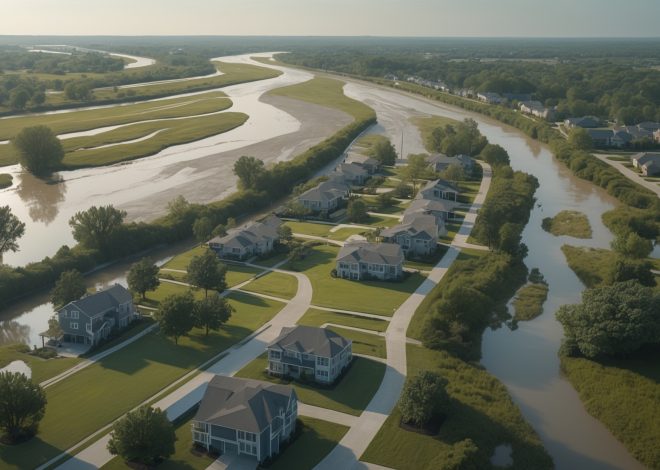
Many property owners skip soil testing and drainage assessment before planting. This oversight leads to stunted plant growth, root rot, foundation issues, and swampy lawns.
- Solution: Test soil pH, composition, and drainage rate. Amend soil as needed and plan for grading, French drains, or swales to direct water away from structures.
2. Overplanting or Poor Plant Selection
Choosing plants based on aesthetics alone often results in overcrowding, excessive maintenance, and high water bills. Exotic or invasive species may violate HOA or local ordinances.
- Solution: Select native or climate-adapted species. Use landscape design software or consult a professional to avoid overcrowding. Verify plant lists with local regulations and HOA guidelines.
3. Neglecting Property Boundaries and Right-of-Way
Trees or hedges inadvertently planted over property lines can lead to neighbor disputes, forced removals, or legal action.
- Solution: Survey property boundaries before planting. Respect utility easements and municipal setbacks. Document all landscaping changes.
4. Failing to Plan for Mature Size
Tiny saplings and shrubs may grow into structures, block windows, or damage foundations and underground utilities if mature size is ignored.
- Solution: Research mature plant dimensions. Space trees and shrubs to allow for full growth without interfering with structures, walkways, or sightlines.
5. Overlooking Irrigation Needs
Improper irrigation—too much or too little—wastes water, stresses plants, and can cause erosion or hardscape damage.
- Solution: Install a drip irrigation or smart sprinkler system tailored to plant zones. Regularly inspect for leaks and adjust seasonally.
6. Using High-Maintenance Designs
Elaborate gardens, lawns, or water features may seem impressive but often require constant attention and increase operating costs.
- Solution: Opt for low-maintenance, drought-tolerant landscaping. Mulch beds, ground covers, and perennial plantings reduce upkeep and water use.
7. Disregarding Local Codes and Permits
Many municipalities regulate fence heights, tree removal, hardscaping, and water usage. Non-compliance can result in fines or forced remediation.
- Solution: Check city and county landscaping ordinances. Secure permits for major changes such as retaining walls, pools, or tree removal.
8. Skimping on Mulch and Weed Control
Unmulched beds invite weeds, cause moisture loss, and detract from curb appeal.
- Solution: Apply 2–3 inches of organic mulch to all beds. Use landscape fabric where persistent weeds are an issue, but avoid plastic sheeting, which harms soil health.
9. Poor Lighting Decisions
Lack of landscape lighting deters evening curb appeal and creates safety hazards. Overly bright fixtures can annoy neighbors or violate dark-sky ordinances.
- Solution: Use low-voltage LED lighting to highlight paths and entrances. Focus on safety and subtle accenting rather than floodlighting the property.
10. Neglecting Seasonal Cleanup and Pruning
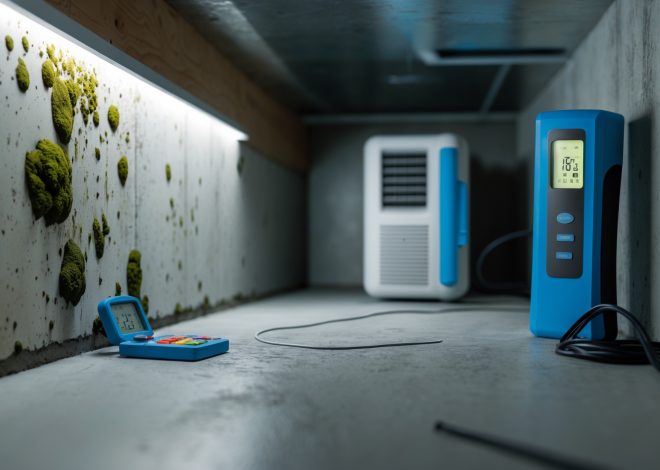
Letting leaves, branches, or debris accumulate can attract pests, promote mold, and conceal property damage.
- Solution: Schedule quarterly cleanups and annual pruning. Remove dead or diseased plant material promptly to maintain healthy growth and appearance.
Practical Steps for Smart Real Estate Landscaping
Step 1: Assess and Document Your Exterior
Walk the property and make note of existing plants, hardscapes, drainage issues, and boundary markers. Photograph problem areas for reference before making changes.
Step 2: Set a Realistic Budget
Factor in both installation and ongoing maintenance. Allocate funds for professional advice if tackling complex layouts, irrigation, or tree work.
- Initial installation (plants, mulch, basic equipment): $1,500–$5,000 for average single-family property
- Professional design consultation (optional): $250–$1,000
- Annual maintenance (lawn care, pruning, irrigation): $500–$2,500
Step 3: Consult Local Codes and HOAs
Check for restrictions on fence height, tree removal, allowable plant species, water usage, and hardscape additions. Secure permits for major alterations.
Step 4: Choose the Right Plants and Materials
Prioritize native, low-maintenance plants suited to your climate. Consider hardscape materials (pavers, edging, mulch) that complement the property style and require minimal upkeep.
Step 5: Design for Drainage and Irrigation
Use grading, swales, or French drains to prevent water pooling near the foundation. Plan separate irrigation zones for turf, beds, and foundation plantings.
Step 6: Implement Lighting and Safety Features
Install pathway and entry lights focused on safety. Avoid light trespass by angling fixtures downward and using shields where necessary.
Step 7: Create a Maintenance Schedule
Set reminders for mowing, trimming, mulching, irrigation checks, and seasonal cleanups. Consider hiring a professional service for larger properties or if you lack time.
Compliance and Permitting: What Every Owner Must Know
Common Regulatory Pitfalls
- Removing mature trees without a permit
- Installing hardscapes (patios, retaining walls) in setback zones
- Exceeding allowable fence or hedge height
- Landscaping that diverts natural water flow onto neighboring property
Violations may trigger fines, forced removal, or even lawsuits. Many cities also enforce water usage restrictions, particularly during droughts, affecting what you can plant and how you irrigate.
How to Stay Compliant
- Contact your city’s planning or building department before starting any major landscaping project.
- Get written HOA approval where required.
- Hire licensed and insured contractors for tree removal and major installations.
- Keep detailed records of permits, inspections, and contractor warranties.
Landscaping and Insurance: Hidden Connections
Insurance Implications of Poor Landscaping
- Trees or limbs overhanging roofs can void certain insurance claims if damage occurs.
- Poor drainage leading to water intrusion may not be covered by standard policies.
- Unprotected pools, ponds, or uneven walkways increase liability risk.
Insurers may reduce premiums for properties with defensible space (wildfire zones), robust drainage, and well-maintained exteriors. They may also request documentation of recent landscaping improvements during underwriting or claims.
Landscaping Myths That Can Cost You
- Myth: “More lawn equals higher property value.”
Reality: Large lawns often increase maintenance costs and water bills with little ROI, especially in drought-prone areas. - Myth: “Any mature tree adds value.”
Reality: Trees planted too close to structures or utilities can cause damage and may require removal. - Myth: “DIY landscaping is always best.”
Reality: Incorrect plant placement, poor drainage, or code violations can create bigger problems than the cost of professional help.
Case Study: A Costly Landscaping Mistake (and How It Was Fixed)
Situation: A four-unit rental property in the Southeast U.S. had mature willow trees planted only six feet from the foundation. Over ten years, roots invaded the building’s drainage pipes, causing repeated backups and $15,000 in plumbing repairs. The owner also faced a city citation for tree placement after a neighbor’s complaint.
Solution: After consulting an arborist and city officials, the owner hired a licensed contractor to remove the offending trees and repair the drainage. Replacement landscaping used native shrubs placed 15 feet from all structures, with a French drain installed to manage runoff. The property now has lower maintenance costs, healthier tenants, and is fully compliant with city codes.
Pro Tips for Long-Term Success
- Prioritize native and climate-appropriate plantings to reduce water and fertilizer use.
- Review property boundaries and underground utilities before digging.
- Schedule annual professional inspections for mature trees near structures.
- Invest in smart irrigation systems to optimize water use and prevent overwatering.
- Keep detailed records of all landscaping changes, maintenance, and compliance documents.
Conclusion: Transforming Landscaping from Liability to Asset
Landscaping is more than curb appeal—it’s a critical, ongoing investment in your property’s value, safety, and compliance. Avoiding the most common mistakes means thinking strategically from the start: assessing soil and drainage, respecting property boundaries, choosing the right plants, and designing for minimal maintenance. It also means staying informed about local codes and insurance requirements, which can change over time and vary by location. While it’s tempting to save money with DIY approaches, the long-term costs of poor planning or noncompliance almost always outweigh the initial savings. Instead, property owners should see landscaping as an opportunity to differentiate their real estate, attract quality buyers or tenants, and reduce risk. By following the practical steps and expert advice outlined in this guide, you’ll not only avoid the most frequent pitfalls but also create an attractive, low-maintenance, and compliant outdoor space that enhances your property’s appeal and bottom line. The result: a landscape that works for you—not against you—through every season and market cycle.
2 thoughts on “Avoiding Common Mistakes in Real Estate Landscaping: A Practical Guide for Property Owners”
Leave a Reply

I’m curious about the hidden costs of DIY landscaping mentioned here. Are there any common expenses that first-timers tend to overlook when trying to handle landscaping projects themselves?
First-time DIY landscapers often underestimate costs like equipment rental or purchase, quality soil and mulch, proper irrigation materials, and disposal of yard waste. There can also be unexpected expenses for fixing mistakes, replacing dead plants, or addressing drainage problems. Planning for these hidden costs can help keep your project within budget.