
What to Know About Moving When Buying a New Home in Boston
Introduction: Your Boston Move, Made Simple
Buying a new home in Boston marks a thrilling new chapter, but it also brings a host of logistical and emotional challenges. Boston’s vibrant neighborhoods, historic charm, and competitive real estate market make it a unique city to move within or to. Whether you’re relocating from across town or from another state, the moving process in Boston requires careful planning, keen attention to local regulations, and a solid understanding of the city’s distinctive characteristics. From navigating narrow streets and parking permits to timing your move around the academic calendar, each detail can impact your experience. In this comprehensive guide, we’ll walk you through every essential aspect of moving when buying a new home in Boston. You’ll discover practical strategies, local insights, and expert tips to ensure your transition is as smooth and stress-free as possible.
Understanding Boston’s Neighborhoods
Finding Your Ideal Location
Boston boasts a rich tapestry of neighborhoods, each with its own personality, amenities, and price points. From the historic brownstones of Beacon Hill to the vibrant energy of South Boston and the family-friendly atmosphere of Jamaica Plain, your choice of location will affect not only your lifestyle but also your moving logistics. Research schools, public transportation access, walkability, and proximity to work or family. Consider visiting neighborhoods at different times of day to get a true sense of the atmosphere.
Neighborhood-Specific Moving Concerns
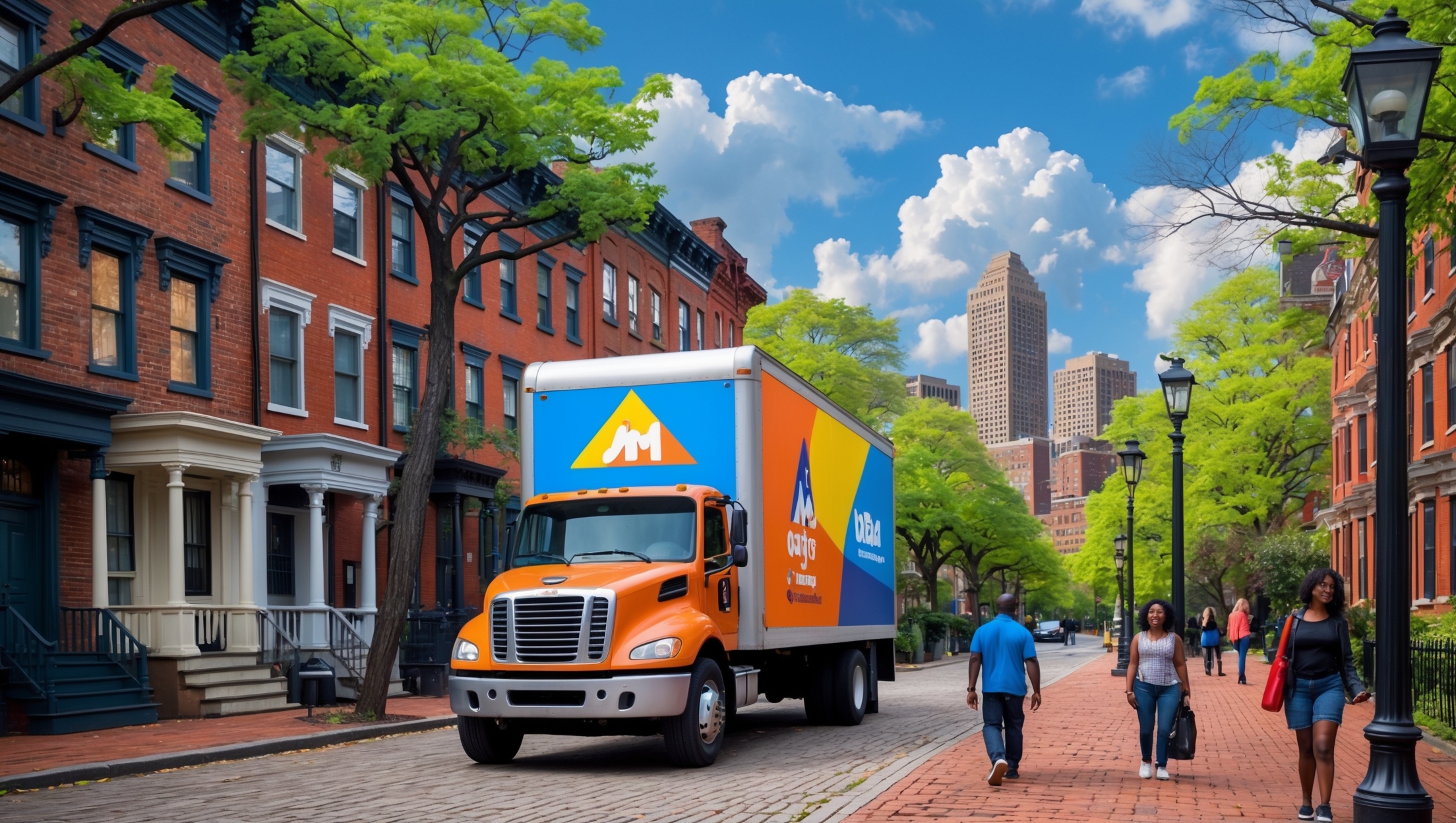
Certain neighborhoods have unique challenges. For example, the North End’s narrow, cobblestone streets make large moving trucks difficult to maneuver. In contrast, newer developments in the Seaport District may have dedicated loading docks and easier street access. Ask your real estate agent about any area-specific considerations before finalizing your moving date.
Planning Your Boston Move
Timing Is Everything
In Boston, the timing of your move can make a huge difference. The city’s population swells every September as students flood back to area colleges and universities, making late August and early September the busiest—and most expensive—time to move. If possible, aim for a move outside of peak season. Spring and early summer often offer better weather and lower demand for moving services and rentals.
Creating a Moving Timeline
- Eight Weeks Out: Start decluttering and organizing your possessions. Donate or sell items you no longer need.
- Six Weeks Out: Research and book professional movers or rental trucks. Begin collecting boxes and packing supplies.
- Four Weeks Out: Notify utility companies, update your address, and begin packing non-essential items.
- Two Weeks Out: Confirm moving details, pack the majority of your belongings, and prepare an essentials box for move-in day.
- Moving Week: Conduct a final walkthrough of your current home, clean thoroughly, and ensure you have all necessary keys and documentation for your new home.
Boston’s Moving Regulations and Permits
Parking Permits for Moving Trucks
Parking is notoriously challenging in Boston, especially in densely populated neighborhoods. The city requires a moving truck parking permit for most moves. These permits reserve curb space for your truck and help avoid fines or towing. Apply for a permit from the Boston Transportation Department at least two weeks in advance. Be prepared to post signage and pay a nominal fee. Your moving company can often assist with this process.
Building Rules and Elevator Reservations
If you’re moving into a condo or apartment, check with your building manager or homeowners’ association about move-in procedures. Many buildings require advance reservations for service elevators and may designate specific moving hours. Some have strict insurance requirements for movers, so confirm all details early to avoid surprises on moving day.
Hiring Professional Movers vs. DIY
Benefits of Professional Help
Boston’s unpredictable weather, tight stairwells, and busy streets make professional movers a popular choice. Experienced movers can efficiently navigate challenging spaces, protect your belongings, and reduce physical strain. Get quotes from several licensed and insured companies, and read reviews to ensure reliability and professionalism. Ask about specific experience in Boston neighborhoods, as local knowledge is invaluable.
DIY Moving Tips
If you opt for a DIY move, reserve your truck or van well in advance—especially during peak moving season. Study your route, and be mindful of one-way streets, low bridges, and restricted parking. Enlist friends or family to help, and consider hiring labor-only moving help for heavy items. Always check weather forecasts, as rain or snow can add complexity to your move.
Packing and Preparing for Boston Weather
Seasonal Considerations
For those needing reliable help, moveing services can simplify your relocation process.
Boston experiences all four seasons, each presenting unique challenges for movers. Summer can be hot and humid, while winter often brings snow and icy sidewalks. If moving in winter, have salt and shovels ready to clear paths. Use sturdy, weather-resistant packing materials, and double-wrap fragile items. For summer moves, try to schedule early in the day to avoid heat.
Protecting Belongings and Home
Protect floors and walls in both your old and new homes with runners, blankets, or cardboard. Cover doorways and banisters to prevent dings. Clearly label boxes with contents and destination rooms to make unpacking smoother. Keep important documents and valuables with you rather than on the truck.
Settling Into Your New Boston Home
Setting Up Utilities and Services
Contact utility providers ahead of your move to ensure electricity, gas, water, and internet are set up before you arrive. Boston has multiple providers for each service, so compare rates and service options. Don’t forget to update your address with banks, insurance, and the post office.
Getting to Know Your Neighborhood
Once you’re moved in, take time to explore your surroundings. Locate the nearest grocery stores, pharmacies, public transit stops, and emergency services. Introduce yourself to neighbors and ask about local recommendations for services, restaurants, and events. Familiarizing yourself with parking rules and street cleaning schedules can help avoid tickets and make daily life easier.
Cost Considerations: Budgeting for Your Boston Move
Moving Company Rates
Moving costs in Boston vary based on distance, season, and the amount of belongings. Local moves are typically charged by the hour, with rates increasing during peak times. Inquire about additional fees for stairs, heavy furniture, or long carries. Always get a written estimate and confirm what is included in the quoted price.
Hidden Costs and Saving Tips
- Factor in permit fees, packing materials, and utility deposits.
- Save by sourcing free boxes from local businesses or online groups.
- Donate unwanted items to reduce moving volume and potentially earn tax deductions.
- Enlist friends or family to help with packing or loading if you’re on a tight budget.
Special Considerations for Boston Moves
Moving With Pets or Kids
Plan ahead to minimize stress for pets and children. Keep favorite toys, snacks, and comfort items handy. Research local parks and pet-friendly spaces near your new home. Consider arranging childcare or pet care on moving day to streamline the process.
Historic Homes and Unique Challenges
Many Boston homes are older and may have narrow doorways, steep stairs, or delicate features. Measure entryways and large furniture in advance. Consult with your movers about special handling for antiques or valuable items, and consider additional insurance for high-value possessions.
Making the Most of Your Move
Moving Day Checklist
- Confirm arrival times with movers or helpers.
- Have cash or electronic payment ready for tips or last-minute expenses.
- Do a final sweep of your old home to ensure nothing is left behind.
- Check off items as they are loaded and unloaded.
Settling In Quickly
Unpack essential rooms first—kitchen, bathroom, and bedrooms. Hang curtains or blinds for privacy, and set up basic security measures. Register your car and update your driver’s license if you’ve moved from out-of-state. Explore local shops, restaurants, and cultural sites to begin feeling at home in your new Boston neighborhood.
Conclusion: Embrace Your Boston Adventure
Moving when buying a new home in Boston is both an exciting milestone and a complex undertaking. With its dynamic neighborhoods, historic charm, and bustling city life, Boston offers a unique living experience that rewards careful preparation and local knowledge. By understanding the city’s moving regulations, planning around seasonal challenges, and leveraging professional expertise when needed, you can minimize stress and avoid costly surprises. Take time to research your new neighborhood, connect with your community, and organize your moving timeline for a seamless transition. Remember, every step you take—whether it’s obtaining permits, hiring movers, or simply exploring your local coffee shop—brings you closer to making Boston truly feel like home. Embrace the adventure, and enjoy everything this remarkable city has to offer as you settle into your new home.
10 thoughts on “What to Know About Moving When Buying a New Home in Boston”
Leave a Reply



I’m curious about the impact of Boston’s academic calendar on moving logistics. How much does moving around the start of the school year affect moving costs or truck availability in various neighborhoods?
The start of the academic year in Boston, usually late August to early September, has a big impact on moving logistics. With thousands of students moving in or out, demand for moving trucks and storage skyrockets, especially in neighborhoods near universities like Allston, Fenway, and Cambridge. This surge can drive up moving costs and make it harder to book trucks or movers, so planning early and being flexible with your dates is important if you’re moving during this period.
You mentioned that some neighborhoods, like the North End, have really tight streets that make moving trucks a challenge. Do people usually rent smaller trucks for moves in those areas, or are there certain moving companies better equipped for these specific parts of Boston?
In neighborhoods like the North End, many people do rent smaller moving trucks or even use vans, since large moving trucks can struggle with the narrow streets and limited parking. Some local moving companies specialize in these challenging areas and use smaller vehicles or even hand carts to get your belongings in and out efficiently. It’s a good idea to ask moving companies about their experience with Boston’s older neighborhoods before booking.
As someone looking into both living and possibly opening a retail shop in Boston, how should I factor walkability and public transportation into my decision about which neighborhood to choose, considering both personal convenience and foot traffic for business?
When choosing a Boston neighborhood, look for areas with high walkability scores and proximity to public transportation hubs like the T. For your home, this ensures easy commuting and daily convenience. For your retail shop, neighborhoods near busy T stations or popular walking streets tend to attract more foot traffic, which can boost your business. Research specific neighborhoods known for both, such as Back Bay, Beacon Hill, or the South End, to find a good balance for your personal and business needs.
If I’m relocating from out of state, what are some common mistakes people make when planning a move to Boston, especially regarding local regulations or street access that might differ from other cities?
A common mistake is overlooking Boston’s permit requirements for moving trucks—you often need a parking permit for moving day to reserve street space, and failing to get one can lead to fines or having no place to park. Also, some streets are narrow or have resident-only parking. Checking neighborhood parking rules and seasonal restrictions (like street cleaning) ahead of time helps avoid last-minute issues.
We have young kids and a lot of furniture, so minimizing chaos is key. Do you have tips for scheduling our move in Boston around the academic calendar to avoid the busiest times?
To minimize chaos when moving with kids in Boston, it’s best to avoid late August and early September, as that’s when most leases turn over and students are moving in. Consider planning your move for mid-September or later in the fall, or early summer before the college rush begins. If possible, schedule your moving truck and services on weekdays rather than weekends for less congestion.