

Seasonal Roof Inspection Checklist for Real Estate Owners: Preventative Strategies and Red Flags
Introduction: Why Seasonal Roof Inspections Matter for Real Estate Owners
For real estate owners, the roof is one of the most critical components protecting your property investment. Yet, it’s also one of the most overlooked until issues become urgent—and expensive. Seasonal roof inspections are not just a best practice; they’re a preventative strategy that can save thousands of dollars in repairs, reduce insurance claims, and preserve property value. Whether you manage a single rental home, a multi-unit complex, or your own residence, understanding how to inspect your roof each season equips you to address minor problems before they escalate.
This comprehensive guide provides a detailed, actionable checklist tailored for each season—spring, summer, fall, and winter. We’ll cover what to look for, why it matters, and what steps to take if you spot trouble. You’ll also find recommendations for tools, essential safety tips, and guidance on when to call a professional. Protecting your roof is protecting your investment, and a little proactive care each season can make all the difference.
Understanding Roof Vulnerabilities: What’s at Stake?
Your roof faces the brunt of weather extremes, debris, and time. Common vulnerabilities include:
- Weather Damage: Wind, hail, snow, and UV rays can erode materials, loosen shingles, and cause leaks.
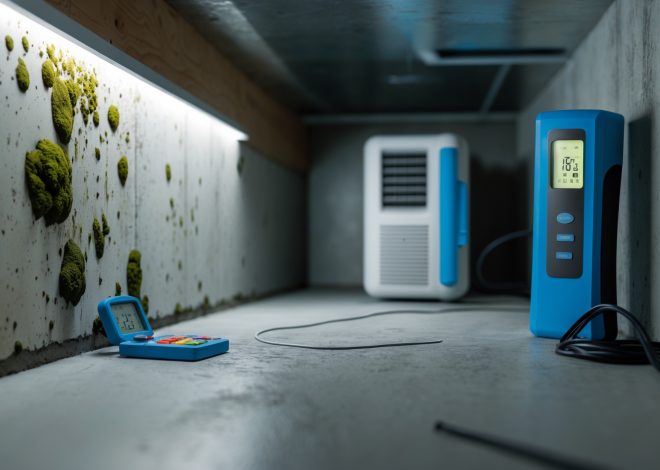
- Debris Accumulation: Leaves, twigs, and moss can trap moisture, leading to rot and mold.
- Age-Related Wear: Materials degrade over time, increasing the risk of leaks and structural issues.
- Pest Intrusion: Small gaps can allow rodents, birds, or insects to invade attic spaces.
Unchecked, these issues can lead to water damage, insulation breakdown, higher utility bills, and even structural failure. Regular inspections help you catch warning signs early and address them before they become major (and costly) repairs.
Essential Tools and Safety Equipment for Roof Inspections
Inspection Tools
- Sturdy ladder (extendable for two-story homes)
- Binoculars (for ground-level checks)
- Flashlight (for attic inspection)
- Roofing utility knife
- Chalk or marker (for marking trouble spots)
- Camera or smartphone (for documentation)
Safety Essentials
- Non-slip shoes or boots
- Work gloves
- Safety harness (especially for steep or high roofs)
- Protective eyewear
Always inspect with a partner if possible, and never climb onto a wet or icy roof. If you’re uncomfortable with heights or spot structural concerns, hire a professional roofer.
Spring Roof Inspection Checklist: Recovering from Winter
Spring is the ideal time to assess your roof after the rigors of winter. Snow, ice, and wind can cause hidden damage that escalates with spring rains. Here’s what to check:
- Shingle Assessment: Check for missing, cracked, curling, or blistered shingles—signs of winter stress.
- Flashing & Seals: Inspect metal flashing around chimneys, skylights, and vents for rust, gaps, or lifted edges.
- Gutter Condition: Remove debris, check for sagging or leaks, and ensure downspouts direct water away from the foundation.
- Soffit & Fascia: Look for rot, peeling paint, or animal nests.
- Attic Inspection: From inside, use a flashlight to spot water stains, mold, or daylight through the roof boards.
- Moss & Algae Growth: Identify and treat early to prevent moisture retention and shingle deterioration.
Action Steps
- Replace damaged shingles immediately.
- Seal or replace compromised flashing.
- Schedule a professional inspection if you notice widespread issues.
Summer Roof Inspection Checklist: Guarding Against Heat and Storms
Summer brings heat, UV exposure, and the threat of severe storms. Inspections in early summer help you prepare for these challenges.
- UV Damage: Look for faded, brittle, or loosening shingles that may be weakened by sun exposure.
- Sealant Integrity: Check caulking around vents and flashing for cracks or shrinkage.
- Ventilation & Insulation: Inspect attic vents for blockages and ensure adequate airflow to prevent heat buildup.
- Storm Preparation: Secure loose objects on the roof (antennae, satellite dishes) and trim overhanging branches.
- Gutter Fasteners: Ensure gutters are firmly attached; summer storms can dislodge poorly anchored systems.
Action Steps
- Apply UV-protective roof coatings if recommended for your material.
- Reseal compromised caulking and flashing.
- Improve attic ventilation if you notice high temperatures or condensation.
Fall Roof Inspection Checklist: Preparing for Cold Weather
Fall is the time to ensure your roof is ready for winter’s weight and moisture. Preventive action now averts leaks, ice dams, and insulation failures.
- Shingle and Tile Securement: Test for loose, cracked, or lifting shingles and tiles.
- Debris Removal: Clear leaves, pine needles, and branches from the roof and gutters to prevent clogs and ice dams.
- Chimney & Skylight Inspection: Check for cracked masonry, missing mortar, or failing seals.
- Gutter Guards: Install or inspect guards to minimize autumn debris accumulation.
- Attic Insulation: Ensure insulation is dry, evenly distributed, and not compacted.
Action Steps
- Replace or secure loose roofing materials.
- Schedule gutter cleaning, especially if surrounded by trees.
- Address chimney or skylight leaks promptly.
Winter Roof Inspection Checklist: Mitigating Cold-Weather Risks
Winter inspections focus on spotting and responding to immediate threats, often from the ground or attic due to hazardous conditions.
- Ice Dam Formation: Look for icicles or ridges of ice along eaves, which can signal heat loss and water backup.
- Snow Load: Assess for excessive snow accumulation, especially after heavy storms—uneven sagging is a red flag.
- Attic Moisture: Check for frost, damp insulation, or mold, indicating inadequate insulation or poor ventilation.
- Leak Detection: Inspect ceilings and attic for water stains or drips during thaws.
- Gutter Blockage: Watch for ice-filled gutters and downspouts.
Action Steps
- Use a roof rake to safely remove excess snow from the ground.
- Address ice dams with professionally installed heat cables or improved attic insulation.
- Call a professional for significant leaks or visible structural shifts.
Red Flags: When to Call a Roofing Professional
Some issues require more than DIY attention. Contact a licensed roofer if you observe:
- Widespread shingle loss or damage
- Persistent leaks or water stains after rain/snow
- Visible sagging in rooflines or decking
- Large areas of moss, algae, or mold
- Storm or hail impact with visible dents, cracks, or granule loss
- Chimney or flashing separation
Regular inspections minimize emergencies, but a professional assessment is key for significant or recurring issues.
Documentation and Record-Keeping: Protect Your Investment
Keep a log of each inspection with:
- Date and season of inspection
- Photos of all areas checked (before and after repairs)
- Notes on observed issues and action taken
- Receipts and reports from professional services
These records can streamline insurance claims, support warranty requests, and demonstrate diligent maintenance to buyers or tenants.
Proactive Roof Maintenance Tips for Real Estate Owners
- Trim trees and remove branches overhanging the roof.
- Install attic ventilation and insulation for year-round protection.
- Use gutter guards in leaf-heavy areas.
- Address minor issues immediately to prevent escalation.
- Schedule a professional inspection every 2–3 years, or after major storms.
Conclusion: Safeguarding Your Property Value with Seasonal Roof Inspections
A property’s roof is its first line of defense against the elements, and the key to long-term real estate value is proactive care. Seasonal roof inspections empower you to spot vulnerabilities early, extend roof lifespan, and prevent major repairs. By following the detailed checklists for each season, using the right tools, and knowing when to seek professional help, you protect your property, reduce operating costs, and provide peace of mind to occupants.
Remember, the effort you invest in regular roof inspections is a direct investment in your property’s financial health. It helps avoid sudden, budget-busting repairs, keeps insurance premiums in check, and sustains curb appeal. Document your inspections, respond to red flags promptly, and treat roof maintenance as an essential (not optional) aspect of real estate ownership. A well-maintained roof not only shelters your property—it preserves and enhances its value for years to come.
60 thoughts on “Seasonal Roof Inspection Checklist for Real Estate Owners: Preventative Strategies and Red Flags”
Leave a Reply



For those on a tight budget, are there preventative maintenance tasks from your checklist that provide the most value and could help avoid expensive repairs down the line?
Absolutely. If you’re on a budget, focus on clearing debris from gutters and downspouts, checking for missing or damaged shingles, and looking for signs of water leaks inside the attic. These tasks require minimal tools and can prevent costly issues like water damage or roof leaks. Regularly trimming overhanging branches also reduces risk and is inexpensive to do.
Could you elaborate on the specific safety tips you recommend during roof inspections in winter, especially regarding slippery surfaces and ice? I want to make sure I’m not missing any key precautions before heading up myself.
When inspecting your roof in winter, always wear non-slip boots and use a sturdy ladder secured on level ground. Avoid walking directly on icy or snow-covered areas; use a telescoping pole or binoculars to inspect hard-to-reach spots. It’s best to work with a partner for added safety and avoid roof inspections altogether during severe winter conditions. If there’s significant ice buildup or you feel unsure, consider hiring a professional instead of taking risks.
The guide says seasonal inspections can reduce insurance claims. Do insurance companies actually require proof of regular roof inspections, or is it just suggested for better coverage?
Most insurance companies do not require proof of regular roof inspections as a condition for coverage, but having documentation of inspections can be very helpful. If you ever need to file a claim, showing that you’ve maintained your roof can speed up the process and may even prevent claim denial. Regular inspections are generally suggested for better coverage and peace of mind rather than as a strict requirement.
You mentioned age-related wear as a vulnerability—how can I tell if my shingles are just dirty or if they’re actually becoming too worn out and need replacing?
To tell the difference, examine your shingles closely. If they just have dark streaks or surface dirt, a gentle cleaning might help. Signs of wear that mean replacement is needed include curling, cracking, missing granules (bald spots), or shingles that are brittle and break easily. If you see these, it’s likely time for repairs or replacement.
Could you elaborate on which tools are absolutely essential for someone inspecting a multi-unit building as opposed to a single-family home, and if any extra precautions are needed?
For inspecting a multi-unit building, you’ll definitely need binoculars, a sturdy extension ladder, a flashlight, and possibly a drone for hard-to-reach areas. Consider safety harnesses if accessing flat or high roofs, which are more common on larger buildings. Extra precautions include notifying all tenants before the inspection, being mindful of shared utilities, and watching for more extensive drainage or ventilation issues due to the building’s size.
You mention calling a professional if issues are spotted during a seasonal inspection. How can I determine when a problem is urgent enough to require immediate professional attention versus something that can wait until the next inspection cycle?
If you spot issues like active leaks, sagging areas, missing or severely damaged shingles, or signs of mold and rot, these need immediate professional attention to prevent bigger problems and costly repairs. Minor wear, small amounts of moss, or loose flashing can often wait until the next inspection, but keep monitoring them for any worsening. When in doubt, it’s safer to get an expert’s opinion.
The article mentions that age-related wear can increase the risk of leaks and insulation problems. Is there a recommended age when most residential roofs should start getting more frequent inspections?
Most residential roofs should start getting more frequent inspections once they reach about 10 years old, especially if they’re made from standard asphalt shingles. Roofs made of other materials, like metal or tile, may not need as frequent checks until they’re closer to 15–20 years. However, local weather conditions and past repairs can also affect this timeline, so consider annual inspections as your roof ages.
The article mentions insurance claims and preserving property value. Are there specific inspection steps or documentation practices that help simplify things if there’s ever a need to file a claim after storm damage?
Yes, taking clear, date-stamped photos during each inspection is important—capture the condition of shingles, flashing, gutters, and any previous repairs. Keep a written log of inspection dates, findings, and maintenance actions. If you hire a professional, save their reports and invoices. This organized documentation can make submitting an insurance claim faster and help demonstrate that you’ve taken regular care of your roof, which may support your claim.
How much time should I expect to spend completing each seasonal inspection on an average-sized single-family home according to your checklist, and are there any shortcuts for busy owners?
For an average-sized single-family home, expect each seasonal roof inspection to take about 1 to 2 hours if you follow the full checklist. To save time, prioritize the most critical checks, like looking for missing shingles, clogged gutters, and signs of leaks inside the attic. Hiring a professional once a year can also help if you’re especially busy.
What is the recommended frequency for checking for pest intrusion, and are there any particular seasons when rodents or birds are more likely to enter through roof gaps? I want to be proactive to avoid infestations.
It’s best to check for pest intrusion, such as rodents or birds, at least twice a year—ideally during spring and fall inspections. These seasons are when pests are most likely to seek shelter due to changes in weather. Pay special attention to roof gaps, vents, and eaves during these times to catch any signs of entry early and prevent infestations.
I manage a small rental property and have noticed some moss starting to grow along the edges of the roof. Is it something I should try to remove myself during an inspection, or does that usually require a professional to avoid damaging the shingles?
Moss can be harmful to shingles if left alone, so it’s good that you noticed it early. Light moss growth can sometimes be gently removed using a soft brush, taking care not to lift or damage the shingles. Avoid using pressure washers or harsh chemicals. If the moss is widespread, thick, or the roof is steep, it’s safer to hire a professional to handle it without causing roof damage.
For real estate owners managing more than one property, do you have advice on how to keep track of seasonal inspections across locations? Is there a checklist system or schedule you recommend to stay organized and not miss anything?
For owners handling multiple properties, it’s helpful to create a master calendar with reminders for each property’s inspections. Using a digital spreadsheet or property management software can make it easier to track inspection dates, notes, and follow-up tasks. You might want to develop a standardized checklist for every property, updating it each season to ensure nothing gets missed and all locations stay on the same preventative maintenance schedule.
Repair costs are a big concern for me. Are there any simple, preventative steps or materials you recommend that can help maximize my roof’s lifespan without spending a lot upfront?
Absolutely, you can extend your roof’s lifespan with a few affordable steps. Regularly clear off leaves and debris, check for clogged gutters, and trim overhanging branches. Use high-quality sealant to patch small cracks early. Also, applying reflective roof coatings can help prevent sun damage. Routine visual inspections and prompt minor repairs will save you from costly issues later on.
How long does a thorough seasonal roof inspection usually take for a typical single-family home, and is there a certain season when inspections tend to reveal the most problems?
A thorough seasonal roof inspection for a typical single-family home generally takes between one and two hours. The duration can vary depending on the roof’s size and condition. Most problems are usually discovered after winter or during early spring, as harsh weather tends to expose or worsen issues like leaks, missing shingles, or water damage.
You list a sturdy ladder as essential, but I’m nervous about safety since my house is two stories. Do you have any extra safety tips or equipment suggestions for inspecting taller roofs?
When inspecting a two-story roof, safety is even more important. Consider using a ladder stabilizer to keep the ladder steady and always place it on level ground. Wear non-slip shoes and never work alone—have someone spot you. If you’re uncomfortable with heights or lack the proper equipment, hiring a professional for a thorough inspection is the safest choice.
For a parent on a tight budget, what are the most essential tools from your list for a safe DIY roof inspection, and which ones can I skip if I’m just starting out?
For a safe DIY roof inspection on a budget, the most essential tools are a sturdy ladder, non-slip shoes, and a pair of work gloves. These help ensure your safety and basic access. You can skip specialized items like a moisture meter or drone at first. Also, bring a flashlight for checking attic spaces if accessible. Always prioritize safety and avoid risky areas if you feel unsure.
When it comes to debris accumulation like leaves and moss, is there a recommended tool or method for safely removing them without damaging the roof shingles or voiding a warranty?
To safely remove debris like leaves and moss from your roof, use a soft-bristled broom or a roof-specific leaf blower to gently sweep debris downward, not upward, to avoid lifting shingles. Avoid pressure washers or harsh chemicals, as these can damage shingles and potentially void your warranty. For moss, a gentle application of a moss remover approved by your roofing manufacturer is best. Always check your warranty guidelines before starting.
When inspecting after a harsh winter, what are the most subtle red flags to watch for that could lead to long-term water damage down the line? I’m always worried I’ll miss something that seems minor.
After a harsh winter, some subtle signs to watch for include small shingle cracks, granule loss on shingles, and tiny gaps around flashing or vents. Also, check for shingle lifting, soft spots on the roof deck, and any discoloration or bubbling on interior ceilings. These minor issues can let in moisture and lead to long-term water damage if not addressed early.
How do you know when a roofing issue is serious enough to call in a professional instead of handling it yourself? Are there particular warning signs that really can’t wait for the next seasonal inspection?
Certain roofing issues definitely call for a professional right away. If you notice active leaks, water stains on ceilings, sagging areas, missing or curling shingles, or visible mold or rot, it’s best to call an expert immediately. Also, if you see damage after a storm or feel unsafe climbing on the roof, don’t wait for the next inspection. Addressing these signs quickly can prevent more costly repairs later.
How can I distinguish between normal age-related roof wear and damage that actually needs immediate repair, especially after a harsh winter?
To tell the difference, look for warning signs beyond normal wear. Typical aging shows as slight granule loss or mild fading. Damage needing quick repair includes missing, curled, or cracked shingles, sagging areas, leaks inside your attic, and noticeable mold or damp spots. After a harsh winter, check for ice dam damage or shingles that look out of place. If you see these issues, arrange for a professional inspection soon.
I saw that debris like leaves and moss can lead to rot and mold if ignored. Are there any safe ways to clear debris myself, or should I always hire a professional for that part of the inspection?
You can safely clear light debris like leaves and small branches yourself using a sturdy ladder, gloves, and a soft-bristled broom or leaf blower. For moss or heavy buildup, use a gentle roof-safe cleaner and a soft brush. However, if your roof is steep, high, or you notice signs of damage, it’s safer to hire a professional to prevent accidents and ensure no underlying problems are missed.
How do inspection recommendations change for flat versus pitched roofs, particularly when it comes to weather damage and drainage issues? I’m managing mixed property types and want to tailor my approach for each scenario.
For flat roofs, inspections should focus closely on drainage systems like internal drains and scuppers, since water tends to pool and can lead to leaks or structural damage. Watch for membrane punctures and ponding water. For pitched roofs, pay more attention to shingle or tile condition, flashing integrity, and gutter blockages, as water runs off faster but can cause erosion or leaks at vulnerable spots. Tailor your checklist to highlight these distinct concerns for each roof type.
How much should I budget annually for preventative roof maintenance compared to what it might cost if I waited and only addressed issues as they popped up? Are there any realistic ballpark figures for common repairs from delayed inspections?
Annual preventative roof maintenance typically costs between $200 and $600, depending on roof size and local rates. If you delay maintenance and only fix problems as they arise, repairs such as fixing leaks, replacing damaged shingles, or addressing water damage can easily range from $500 to several thousand dollars per incident. Major issues like extensive rot or structural repair due to neglect could cost $5,000 or more. Regular inspections and minor repairs are almost always much more cost-effective in the long run.
The article talks about debris accumulation like moss and leaves. Is it better to remove this debris in the spring or fall, or should it be done during every season’s inspection?
It’s best to remove debris like moss and leaves during every seasonal inspection, not just in spring or fall. Regular clearing helps prevent moisture buildup, roof damage, and gutter clogs year-round. Each season can bring different types of debris, so checking and cleaning your roof every few months will keep it in better shape and help you catch any potential issues early.
I see the checklist covers each season, but if I missed my spring inspection this year, do I need to double up on any tasks in the summer or just move forward with the new season’s list?
If you missed your spring inspection, it’s a good idea to review any tasks that may not have been covered and address any critical items that overlap with summer, such as checking for winter damage or clearing debris. After catching up on these, you can move forward with the summer checklist to stay on track for the rest of the year.
The checklist mentions using certain tools and safety tips. As someone on a tight budget, are there any affordable alternatives to the recommended inspection tools that still keep the process safe and effective?
You can inspect your roof safely and affordably by using a sturdy household ladder, non-slip shoes, and a broom handle or selfie stick to gently check shingles from a distance. For a closer look without climbing, binoculars work well. Always have someone nearby when using a ladder, and avoid going on the roof if it’s wet or windy. Prioritize your safety over cost savings.
In the section about roof vulnerabilities, you list insulation breakdown as a potential risk. What are some practical steps or indicators during a visual roof inspection that might help me detect early signs of insulation failure?
During a visual inspection, look for signs like uneven roof surfaces, sagging areas, or ice dams in colder months, as these can point to insulation breakdown. Inside your property, check for water stains on ceilings or walls and unusually high energy bills, which may also indicate insulation issues. If attic access is available, look for damp or compressed insulation material.
If someone is managing multiple rental homes, do you recommend a different inspection checklist compared to a single-family residence, or can the same seasonal steps be applied across all property types?
You can generally use the same seasonal inspection checklist for both single-family homes and multiple rental properties, focusing on fundamentals like gutters, roofing materials, and flashing. However, if your rental homes differ in age, roof type, or location, you may want to tailor the checklist for each one—especially noting any unique features or past problem areas. Consistency is important, but a little customization can help you catch issues specific to each property.
For multi-unit complexes, is it recommended to coordinate professional inspections every season, or are there certain times of year when expert assessments are more important than DIY checks?
For multi-unit complexes, professional inspections are especially important after harsh winter weather and at the end of summer, before the rainy season begins. While regular DIY checks each season help spot early issues, coordinating expert assessments in spring and fall ensures potential damage is caught early and maintenance is scheduled before extreme weather conditions.
For real estate investors operating on a tight budget, are there any affordable alternatives to professional-grade tools for roof inspections, or are there some tools from the checklist that you consider non-negotiable for safety and effectiveness?
If you’re budgeting carefully, a sturdy ladder, binoculars, and a smartphone for photos can be practical, affordable substitutes for high-end inspection tools. However, a non-slip safety harness and gloves are non-negotiable for safety reasons. While professional moisture meters or drones are helpful, they’re not essential—visual checks and noting water stains or missing shingles are effective with basic tools if you stay cautious.