

Seasonal Pest Control Strategies for Real Estate Owners: Prevention, Costs, and Compliance
Introduction: Why Seasonal Pest Control Matters in Real Estate
Pest control is a critical, yet often underestimated, aspect of property management in real estate. Whether you own a single-family home, a rental property, or manage a portfolio of multi-unit buildings, pests can threaten the value, safety, and appeal of your investments. Seasonal changes bring different pest threats—rodents in winter, termites in spring, mosquitoes in summer, and more. Ignoring these risks can result in costly infestations, tenant complaints, property damage, and even legal liabilities if compliance requirements are violated. Proactive, seasonally tailored pest control is not just about cleanliness; it’s about safeguarding your assets, ensuring tenant satisfaction, and meeting regulatory obligations. In this guide, we’ll break down the most effective, property-specific pest control strategies for each season, detail the costs you should budget for, and outline key compliance issues to keep your investments protected year-round.
Understanding Seasonal Pest Threats
Winter: Rodents and Overwintering Insects
During the colder months, rodents such as mice and rats seek shelter indoors, often targeting attics, basements, and wall voids. Overwintering insects, including cluster flies and stink bugs, can also invade properties, finding warmth in hidden crevices. These infestations can lead to property damage, contaminated insulation, and health risks from droppings.
Spring: Termites, Ants, and Wasps
As temperatures rise, termites and carpenter ants become active, especially in regions with high humidity. Spring also marks the emergence of wasps building nests on eaves and in attics. These pests can cause structural damage and pose safety hazards for tenants and residents.
Summer: Mosquitoes, Ticks, and Outdoor Infestations
Standing water, higher temperatures, and lush vegetation create ideal breeding grounds for mosquitoes and ticks. These pests are not only a nuisance but can also transmit diseases. Additionally, summer brings increased risk of outdoor ant colonies and occasional wildlife intrusions.
Fall: Spiders, Beetles, and Preparing for Winter Invaders
As the weather cools, spiders and beetles seek indoor shelter. This is the ideal time to reinforce pest barriers and eliminate attractants before rodents and insects begin their winter migration into your properties.
Preventive Pest Control Strategies by Season
Winter Pest Prevention
- Seal Entry Points: Inspect the exterior for gaps around windows, doors, utility lines, and vents. Use steel wool and caulk to block small holes, and repair damaged weatherstripping.
- Inspect Attics and Basements: Look for gnaw marks, droppings, and nests. Set traps proactively if signs are present.
- Store Food Properly: In multi-unit buildings, ensure common areas and storage rooms are free from accessible food sources.
- Professional Inspection: Schedule a winter pest inspection to catch early signs of rodents or insects.
Spring Pest Prevention
- Foundation and Wood Checks: Look for mud tubes, frass, or damaged wood—signs of termites and carpenter ants.
- Trim Vegetation: Keep shrubs and trees at least 18 inches from building exteriors to reduce access points.
- Eliminate Standing Water: Repair leaky spigots, clean gutters, and ensure proper drainage to deter termites and ants.
- Remove Nesting Sites: Knock down old wasp nests and treat eaves with repellent if needed.
Summer Pest Prevention
- Water Management: Remove stagnant water from planters, gutters, and outdoor furniture to prevent mosquito breeding.
- Outdoor Maintenance: Mow lawns, clear leaf litter, and maintain fence lines to minimize tick habitats.
- Screen Maintenance: Repair window and door screens to keep flying insects out.
- Wildlife Exclusion: Install chimney caps and repair damaged soffits to prevent raccoons, squirrels, and birds from nesting.
Fall Pest Prevention
- Deep Clean: Remove clutter, especially in garages and basements, to eliminate hiding places for spiders and beetles.
- Exterior Lighting: Use yellow “bug” lights that are less attractive to insects around entryways.
- Reinforce Seals: Double-check weatherstripping, door sweeps, and caulking as pests seek entry before winter.
- Final Inspection: Conduct a professional inspection to catch any unresolved pest risks before the cold sets in.
Cost Breakdown and Budgeting for Pest Control
Routine Maintenance Costs
Pest control expenses can vary significantly based on property size, location, and risk level. On average, expect the following:
- Quarterly Professional Service: $100–$300 per visit for a standard single-family home; multi-unit buildings may range $40–$60 per unit.
- Annual Inspections: $75–$150 for targeted inspections (termites, rodents, etc.).
- Preventive Materials: $50–$200 yearly for caulking, traps, and repellents.
Emergency Treatments
- Rodent Removal: $200–$600 depending on infestation severity and property size.
- Termite Treatment: $500–$2,500+ depending on whether spot or full-structure treatment is needed.
- Bed Bug Extermination: $1,000–$3,000 for whole-home treatments.
Budgeting for at least one emergency treatment per year is a wise precaution, especially for older or multi-unit properties.
DIY vs. Professional Services
- DIY Treatments: Off-the-shelf sprays and baits ($10–$50 per application) can be effective for minor issues but may not address root causes.
- Professional Services: Provide targeted, often more effective solutions with guarantees, but at a higher upfront cost.
Legal Compliance and Liability: What Real Estate Owners Must Know
Local and State Pest Control Regulations
Most jurisdictions require landlords and property managers to maintain habitable, pest-free living conditions. Fines, rent abatements, and lawsuits can result from neglected infestations. Some states mandate annual termite inspections or specific treatments in multi-unit dwellings. Always review your local ordinances and consult with a licensed pest control professional familiar with real estate regulations in your area.
Tenant Notification and Entry Laws
When scheduling pest control in occupied units, adhere to notice requirements—typically 24 to 48 hours. Provide tenants with safety information, especially when chemical treatments are involved. Maintain documentation of all notifications and treatments for compliance and liability protection.
Recordkeeping and Disclosure
Keep detailed records of pest inspections, treatments, and tenant complaints. Many states require disclosure of known pest issues (such as termites or bed bugs) during property sales or new tenant move-ins. Failure to disclose can result in legal action or voided sales contracts.
Tools and Equipment Guide for Effective Pest Management
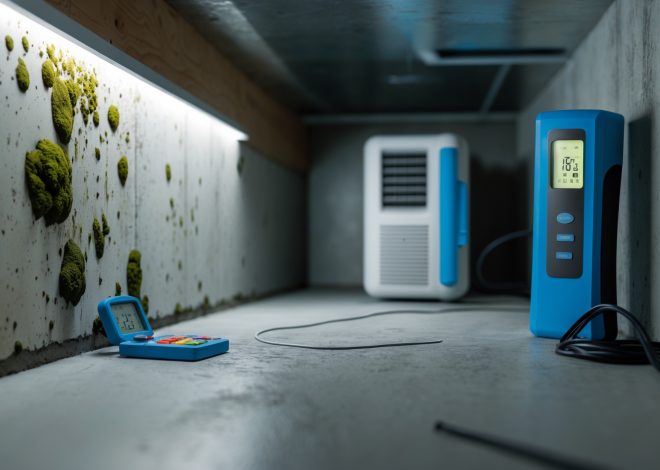
- Inspection Tools: Flashlights, telescoping mirrors, and moisture meters for identifying hidden infestations.
- Sealing Supplies: Caulk, steel wool, expanding foam, and weatherstripping for exclusion work.
- Traps and Baits: Snap traps, glue boards, tamper-resistant bait stations for rodents and insects.
- Sprayers and Applicators: For targeted insecticide or repellent application.
- Protective Gear: Gloves, masks, and eye protection for safe chemical handling.
- Monitoring Devices: Sticky monitors, pheromone traps, and digital sensors for ongoing detection.
Step-by-Step Annual Pest Control Checklist for Property Owners
- Early Spring: Schedule a professional termite and rodent inspection. Trim vegetation and repair exterior cracks.
- Late Spring: Treat foundation and crawl spaces with preventive products. Remove debris and check for wasp nests.
- Early Summer: Clean gutters and eliminate standing water. Replace or repair window/door screens.
- Mid-Summer: Inspect for signs of ticks and mosquitoes. Mow and treat lawns as needed.
- Early Fall: Seal gaps and reinforce exterior barriers. Deep clean storage areas and monitor for spiders.
- Late Fall: Conduct a final professional inspection before winter. Install rodent traps in high-risk areas.
- Winter: Monitor for rodent activity, check insulation for droppings, and address any new entry points.
Common Pest Control Myths Debunked
- “Clean Homes Don’t Get Pests”: Even immaculate properties can attract pests seeking warmth, water, or shelter.
- “DIY Solutions Are Always Enough”: Surface treatments rarely address nests or entry points. Professional intervention is often necessary for persistent or severe infestations.
- “All Pesticides Are the Same”: Professional-grade products are more effective and tailored to specific pests. Misuse of over-the-counter products can worsen infestations and pose safety risks.
- “Pest Control Is One-Time Only”: Ongoing, seasonal prevention is critical. Skipping maintenance can lead to recurring problems and higher costs.
Case Study: Preventing Termite Damage in a Multi-Unit Building
The Situation: A property manager of a 12-unit apartment complex in the Southeast noticed bubbling paint and soft spots in several ground-floor apartments during a spring inspection.
The Response: A licensed pest control professional was called in, who confirmed an active subterranean termite infestation. Immediate spot treatment was applied, and a comprehensive termite barrier was installed around the building. Total cost: $3,800.
The Outcome: No further termite activity was detected in follow-up inspections. The manager implemented quarterly pest inspections and now budgets $1,000 annually for preventive treatments, saving thousands in potential structural repairs and maintaining compliance with state laws.
Conclusion: Building a Proactive Pest Control Plan for Your Properties
Effective pest control is not a set-and-forget task; it’s a dynamic, seasonally driven process that protects your real estate investments, ensures compliance, and maintains tenant satisfaction. By understanding the unique pest threats each season brings, implementing targeted prevention strategies, budgeting for both routine and emergency treatments, and staying compliant with local regulations, you can dramatically reduce the risk of costly infestations and legal headaches. Remember that recordkeeping, tenant communication, and timely professional intervention are as important as physical barriers and treatments. Whether managing a single rental or a large portfolio, a proactive, well-documented pest management plan is an investment in the longevity and profitability of your properties. Start with the annual checklist provided, adapt strategies to your region and building types, and partner with reputable pest control professionals when needed. With these steps, you’ll not only prevent pests but also preserve the value and reputation of your real estate assets for years to come.
10 thoughts on “Seasonal Pest Control Strategies for Real Estate Owners: Prevention, Costs, and Compliance”
Leave a Reply



Could you clarify what specific compliance requirements property owners need to be aware of for pest control, especially when managing rentals or multi-unit buildings? I am particularly interested in any differences that exist depending on the state or municipality.
Property owners must comply with health and safety codes that often require regular pest inspections, prompt treatment, and proper documentation. For rentals or multi-unit buildings, owners are typically responsible for ensuring pest-free units, but exact requirements differ by location. Some states or cities require written pest management plans or disclosure to tenants, while others set timelines for addressing infestations. It’s important to check local housing codes and consult with licensed pest professionals to meet specific obligations in your area.
I manage a few different properties and have noticed that tenants often complain most about mosquitoes in the summer, but our efforts don’t seem to make a difference. Are there specific outdoor strategies or products you recommend for reducing mosquito populations around rental properties?
To reduce mosquitoes outdoors, start by eliminating standing water around your properties, as that’s where mosquitoes breed. Regularly check gutters, buckets, plant saucers, and other containers. Consider installing outdoor fans in shared spaces since moving air discourages mosquitoes. You might also use larvicides in ponds or water features that can’t be drained. For larger areas, professional fogging or barrier spray services can be effective, but should be used according to local regulations. Encourage tenants to report any persistent water issues so they can be addressed promptly.
I’m a landlord and the article mentions that ignoring pest risks can lead to legal liabilities. Could you explain what typical compliance requirements are for property owners in terms of seasonal pest control, especially in rental properties?
As a landlord, you’re generally required to keep rental properties safe and habitable, which includes managing pest issues. Laws vary by location, but you may need regular inspections, prompt treatment if pests are reported, and documentation showing compliance. Seasonal pests like rodents or insects may require extra attention during certain months. It’s important to review local health and housing codes, as some areas have specific timelines for addressing pest complaints and may require licensed professionals for treatment.
You mention budgeting for pest control costs throughout the year. How much should I expect to allocate per season for a typical single-family rental home, and do these expenses vary significantly between winter rodent concerns and summer infestations like mosquitoes?
For a typical single-family rental home, you might expect to budget between $75 and $200 per season for preventive pest control, though prices can vary by region and provider. Winter rodent control may cost more if infestations are severe, while summer treatments for insects like mosquitoes often involve regular spraying, which can add up. Expenses can fluctuate depending on the pests most active each season and the level of service required.
With mosquitoes and ticks being a bigger issue in summer, are there natural control methods that are actually effective, or is it always best to default to professional exterminators for outdoor areas?
Natural methods can be quite effective for managing mosquitoes and ticks outdoors. Removing standing water, keeping grass trimmed, and using natural repellents like citronella or eucalyptus can help reduce pests. Planting certain herbs, such as lavender and rosemary, may also deter them. While these steps work well for mild infestations, a professional exterminator might be needed if the problem becomes severe or persistent.