Roof Drainage Systems in Real Estate: Maintenance Best Practices, Cost Breakdown, and Common Issues to Watch
Introduction: The Overlooked Importance of Roof Drainage in Real Estate
When considering real estate investment or property management, roof drainage systems rarely top the list of priorities. Yet, these unsung heroes—gutters, downspouts, scuppers, drains, and splash blocks—play a vital role in protecting structures from water damage, foundation issues, landscape erosion, and even costly insurance claims. Whether you’re a seasoned property owner, a first-time landlord, or a commercial real estate stakeholder, understanding roof drainage is crucial for asset preservation and regulatory compliance.
Improperly maintained or poorly designed drainage systems can result in a host of problems: basement flooding, mold growth, ice dams, compromised structural integrity, and landscape destruction. The consequences extend beyond physical damage—they can negatively impact property value, insurance premiums, and tenant satisfaction. Unfortunately, many owners and managers overlook or underestimate drainage systems until a preventable crisis occurs. This guide will walk you through the anatomy of roof drainage, essential maintenance routines, cost considerations, and the most frequent red flags to watch for. By the end, you’ll be equipped with actionable knowledge to safeguard your investment, avoid unnecessary expenses, and maintain compliance.
Understanding Roof Drainage Systems: Types and Components
Key Components of Roof Drainage
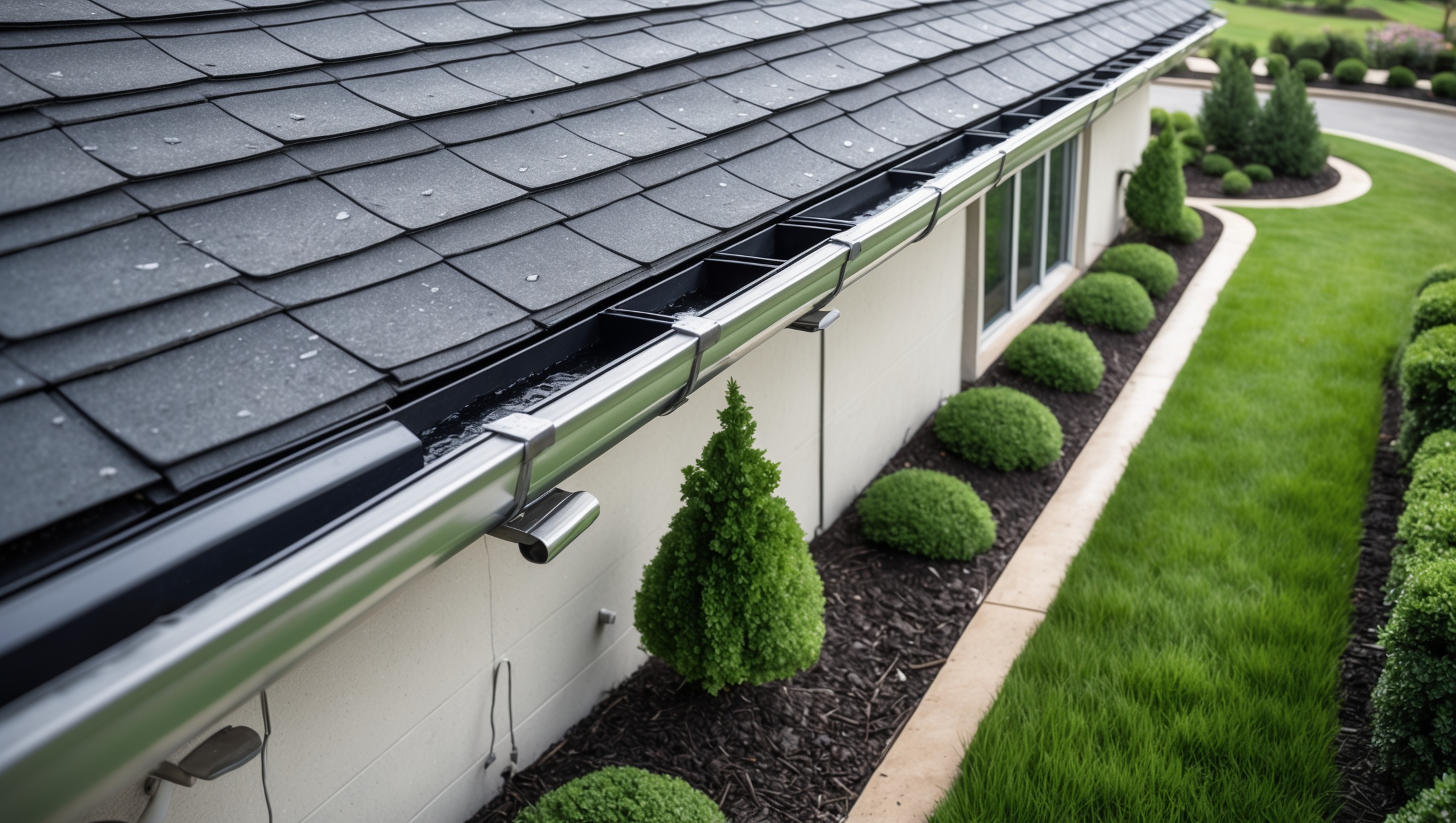
- Gutters: Channels attached along the roof edge to collect rainwater and direct it away from the building.
- Downspouts: Vertical pipes that carry water from the gutters to the ground or a designated drainage area.
- Scuppers: Openings in the parapet or edge of flat roofs to allow water to drain from the roof surface.
- Roof Drains: Internal drains, typically installed on flat or low-slope roofs, that connect to a piping system leading water away.
- Splash Blocks/Extensions: Devices placed at the end of downspouts to disperse water and prevent soil erosion near the foundation.
Types of Roof Drainage Systems
- Traditional Gutter System: Most common in residential properties with sloped roofs. Includes gutters, downspouts, and extensions.
- Scupper and Conductor Head System: Preferred for flat-roofed commercial buildings, with scuppers channeling water into collector boxes and downspouts.
- Internal Roof Drain System: Utilized on large commercial or multifamily flat roofs, where drains connect to interior piping that expels water away from the building.
- French Drains and Surface Drains: Supplemental systems installed at ground level to redirect water away from foundations and sensitive landscaping.
Common Issues with Roof Drainage Systems
Clogged Gutters and Downspouts
Leaves, twigs, dirt, and roof granules accumulate in gutters and downspouts, impeding water flow. This causes overflowing, water backup, and potential roof and fascia damage.
Improper Slope and Pitch
Gutters must be pitched correctly—typically a quarter inch for every 10 feet—to ensure water flows toward downspouts. Poor installation or settling can flatten gutters, causing standing water and increased corrosion.
Loose or Detached Components
Heavy rainfall, ice, or debris can loosen gutter hangers, downspout brackets, or scuppers. Detached components lead to water running down exterior walls or pooling near foundations.
Cracks, Holes, and Corrosion
Metal gutters and downspouts are susceptible to rust, while plastic systems can crack or split. Even small holes can cause leaks and concentrated water damage.
Ice Dams and Winter Blockages
In colder climates, clogged gutters trap melting snow, leading to ice dams. Water backs up under shingles, causing leaks, insulation damage, and mold growth.
Poor Downspout Placement
Downspouts discharging water too close to the foundation can cause basement flooding and soil erosion. Extensions or splash blocks are essential to direct water at least 4–6 feet away.
Inadequate Capacity or Sizing
Undersized gutters or too few downspouts cannot handle heavy rainfall, leading to overflow and water intrusion issues, especially in regions with intense storms.
Drainage System Blockages (Flat Roofs)
Debris, leaves, or roofing material can block scuppers and internal drains, resulting in ponding, which accelerates membrane deterioration and increases roof load.
Maintenance Best Practices for Roof Drainage Systems
Regular Inspections
- Frequency: Inspect gutters, downspouts, and drains at least twice a year—ideally in spring and fall. In areas with many trees or frequent storms, quarterly checks are advisable.
- What to Look For: Clogs, sagging, loose fasteners, standing water, leaks, corrosion, and signs of overflow on siding or foundation.
Cleaning Procedures
- Gutters and Downspouts: Remove debris by hand or with a scoop. Flush with a hose to ensure proper flow. Use plumber’s snakes for stubborn downspout clogs.
- Flat Roof Drains and Scuppers: Clear leaves and debris from drain covers and scupper openings. Ensure internal piping is not obstructed.
Preventative Upgrades
- Gutter Guards or Screens: Install mesh guards to minimize debris accumulation. These require less frequent cleaning but are not maintenance-free.
- Downspout Extensions: Add or adjust extensions to ensure water is directed away from the structure.
- Leaf Diverters and Splash Blocks: Useful for properties with heavy foliage or sloped terrain.
Proactive Repairs
- Seal Leaks and Joints: Use gutter sealant for small holes or gaps. Replace damaged sections as needed.
- Re-secure Loose Components: Tighten or replace hangers, brackets, and clips. Ensure all parts are firmly attached to the building.
- Re-pitch Gutters: Adjust hangers or re-install gutters to maintain proper slope toward downspouts.
Seasonal Considerations
- Fall: Remove fallen leaves and check for buildup before winter. Inspect for sagging from added weight.
- Winter: Clear snow and ice dams promptly. Consider heated gutter cables in severe climates.
- Spring: Address any storm or freeze damage. Flush entire system and inspect for leaks.
- Summer: Check for UV degradation or warping of plastic components.
Cost Breakdown: Maintenance, Repairs, and Upgrades
Routine Maintenance Costs
- Professional Gutter Cleaning: $100–$250 per visit for an average single-family home. Multiple-story or complex roofs may cost more.
- DIY Supplies: $30–$75 for gloves, scoop, hose attachments, and a sturdy ladder.
- Gutter Guard Installation: $5–$10 per linear foot, including materials and labor.
Repair and Replacement Costs
- Patch Small Leaks: $50–$150 for sealant and minor repairs.
- Replace Gutter Sections: $5–$15 per linear foot for aluminum, vinyl, or steel gutters; higher for copper.
- Downspout Replacement: $50–$200 per downspout (materials and labor).
- Scupper or Drain Repair: $300–$800, depending on accessibility and roof type.
Major Upgrades and System Overhauls
- Full Gutter System Replacement: $1,200–$2,500 for a typical house; $4,000+ for large or multi-family properties.
- Installing Internal Roof Drains (Commercial): $2,500–$8,000+ depending on roof size and complexity.
- French Drain Installation: $2,000–$7,000 for perimeter or landscape drainage improvements.
Hidden Costs to Consider
- Foundation Repairs from Water Damage: $5,000–$15,000 or more.
- Exterior Siding or Interior Mold Remediation: $1,500–$10,000+ depending on extent of damage.
- Insurance Deductibles: Water claims may carry higher deductibles and increase future premiums.
Red Flags and Warning Signs: What Every Owner Should Watch For
- Visible Overflow: Water spilling over gutters during rain indicates clogs or undersized systems.
- Peeling Paint or Rot: Deterioration on fascia, soffits, or siding below gutters often signals leaks.
- Basement Dampness: Water intrusion or musty odors in lower levels can point to poor drainage.
- Cracked Foundation: New or worsening foundation cracks may result from improper water diversion.
- Ponding on Flat Roofs: Standing water after 48 hours is a warning of blocked drains or poor slope.
- Detached Downspouts: Missing or displaced downspouts discharge water directly at the foundation.
- Staining and Erosion: Soil erosion, mulch washout, or water stains on walkways and walls signal drainage issues.
Step-by-Step Annual Maintenance Checklist
- Inspect gutters, downspouts, and all drainage features for debris and damage.
- Clean all gutters and downspouts, flushing with water to ensure proper flow.
- Verify secure attachment of all hangers, brackets, and joints.
- Check for proper gutter slope and adjust as needed.
- Examine all seams and joints for leaks; seal with appropriate products.
- Ensure downspouts discharge water at least 4–6 feet from the foundation.
- Inspect splash blocks or extensions for placement and integrity.
- On flat roofs, clear scuppers and roof drains, and inspect for ponding.
- Document all findings and schedule necessary repairs or upgrades.
DIY vs. Professional Maintenance: Knowing When to Call an Expert
DIY Maintenance
- Suitable for single-story homes with accessible gutters and basic hand tools.
- Always use a sturdy ladder, wear gloves, and avoid working alone.
- Regular DIY inspections can catch minor issues before they escalate.
When to Hire a Professional
- Multi-story or steeply pitched roofs where safety is a concern.
- Commercial or multifamily buildings with complex drainage systems.
- When evidence of structural damage, persistent leaks, or drainage design flaws are present.
- For upgrades, replacements, or major repairs requiring specialized equipment.
Building Codes, Compliance, and Insurance Implications
Code Requirements
Many localities require minimum gutter and downspout capacity, proper discharge distance from foundations, and adequate drainage for flat roofs. Non-compliance can result in fines or delays in property transactions.
Insurance Considerations
Water damage claims are among the most common—and costly—in property insurance. Carriers may deny coverage if damage results from neglect or lack of maintenance. Regular documentation of inspections and repairs can help support claims.
Conclusion: Protecting Property Value Through Proactive Roof Drainage Management
Roof drainage systems may not be glamorous, but their proper function is foundational to real estate preservation. Overlooking gutters, downspouts, scuppers, and drains exposes properties to expensive, avoidable risks—from foundation failure to mold remediation and insurance headaches. By understanding how these systems work, performing regular inspections and maintenance, and budgeting for timely repairs or upgrades, property owners can prevent a cascade of water-related issues that threaten both asset value and occupant safety.
Proactive drainage care is an investment with high returns: it extends roof and siding lifespan, prevents costly emergencies, and ensures regulatory compliance. For real estate investors and managers, it also supports tenant satisfaction and protects against insurance surprises. While many maintenance tasks are suitable for DIY, don’t hesitate to engage professionals for complex systems, multi-story buildings, or when evidence of major trouble appears. Ultimately, a modest commitment to roof drainage upkeep delivers peace of mind and long-term savings—making it one of the smartest moves any real estate owner can make.