

Real Estate Sump Pump Maintenance: Preventing Costly Water Damage
Introduction: Why Real Estate Owners Need to Prioritize Sump Pump Maintenance
Water damage is one of the most expensive and disruptive issues that can affect real estate properties. Whether you own a single-family home, a multifamily building, or manage investment properties, the risk of basement flooding is ever-present—especially in areas with high water tables, heavy rainfall, or melting snow. A well-maintained sump pump is your property’s first line of defense against unwanted water intrusion. Yet, many real estate owners underestimate the importance of regular sump pump checks and maintenance, only to face devastating losses when equipment fails at a critical moment.
In this comprehensive guide, we’ll walk you through the practical steps to maintain your sump pump, help you recognize early warning signs of trouble, and outline budgeting strategies for routine care and emergency repairs. Whether you’re a beginner or an experienced property manager, these actionable tips will safeguard your investment, ensure compliance with insurance requirements, and give you peace of mind during storm season. Let’s delve into what it takes to keep your real estate assets dry and damage-free.
Understanding Sump Pumps: Types, Functions, and Common Placement
What Is a Sump Pump?
A sump pump is an electrically powered device installed in the lowest part of a basement or crawlspace. Its main function is to collect excess water and pump it away from your property, typically to a municipal storm drain or a dry well. This prevents basement flooding, mold growth, and structural damage.
Types of Sump Pumps
- Pedestal Sump Pumps: The motor sits above the sump pit, making it easier to service and less prone to water damage. These pumps tend to last longer (up to 25 years), but are noisier and may take up more space.
- Submersible Sump Pumps: The entire pump is submerged in the pit, offering quieter operation and more efficient water removal. Typical lifespan is 7–15 years, but they require complete removal for servicing.
- Battery Backup Sump Pumps: These supplementary pumps operate when the main pump fails due to power outages, providing added security during severe weather.
Ideal Placement and Pit Design
The sump pump pit (or basin) should be located at the lowest point of the basement floor, ensuring gravity naturally directs water toward it. The pit should be at least 18 inches in diameter and 24 inches deep, made of durable plastic or concrete, and equipped with a secure lid to prevent debris entry and odors.
The Real Cost of Sump Pump Failure: Budgeting for Prevention
Potential Damages from Neglect
- Basement Flooding Repair: $5,000–$20,000 per incident, depending on water depth and property size.
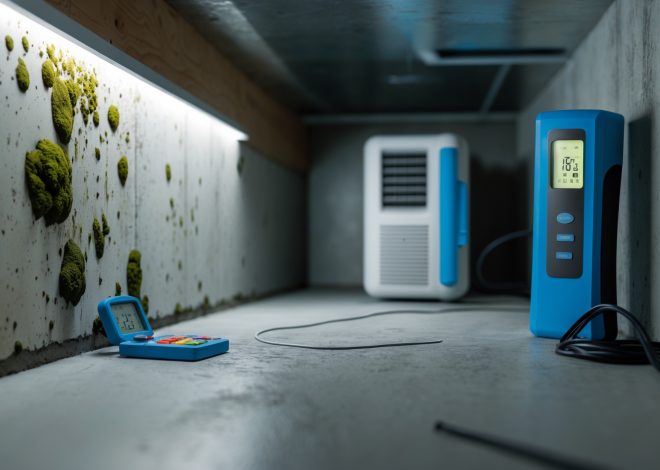
- Mold Remediation: $1,500–$6,000 for professional cleanup and prevention.
- Foundation Repairs: $2,000–$10,000 if water undermines structural integrity.
- Personal Property Loss: Appliances, furniture, and stored items may be irreparably damaged.
- Insurance Premium Increases: Claims related to water damage often result in higher annual premiums.
Budgeting for Sump Pump Maintenance
- Annual Professional Inspection: $100–$300 per visit.
- DIY Maintenance Supplies: $20–$50 (cleaners, gloves, brushes).
- Battery Backup System: $200–$600 for purchase and installation.
- Replacement Pump: $150–$400 (pedestal or submersible), plus $200–$500 for labor if not DIY.
Proactive maintenance is a fraction of the cost of water damage repair. Allocate funds annually for both routine checks and emergency replacements to avoid financial surprises.
Essential Sump Pump Maintenance Tasks: Step-by-Step Guide
Monthly Quick Checks
- Visual Inspection: Remove the pit lid and check for debris, sediment buildup, or foreign objects.
- Power Cord: Ensure the pump is plugged into a GFCI outlet and the cord is free from fraying or damage.
- Float Switch: Gently lift the float to make sure the pump engages; listen for smooth operation.
Quarterly Deep Cleaning
- Unplug the Pump: Always disconnect power before handling equipment.
- Remove and Clean the Pump: Lift the pump from the pit and rinse off any sediment or grime using a garden hose.
- Clean the Pit: Scoop out standing water, mud, or debris. Use a mild detergent and scrub brush for stubborn buildup.
- Check Discharge Pipe: Inspect for clogs, freezing, or disconnections. Make sure the pipe directs water at least 10 feet from the foundation.
- Reinstall and Test: Place the pump back, reconnect power, and pour a bucket of water into the pit to ensure automatic activation.
Annual Professional Service
- Hire a licensed plumber or sump pump specialist to inspect electrical connections, check valve integrity, and test backup systems.
- Ask for a written report on pump performance and recommendations for repairs or upgrades.
Battery Backup Maintenance
- Test the backup system quarterly by simulating a power outage (unplug the main unit and activate the backup).
- Replace batteries every 2–3 years, or according to manufacturer guidelines.
- Keep battery terminals clean and free of corrosion.
Common Sump Pump Issues: Troubleshooting and Solutions
Pump Won’t Turn On
- Check the power supply and reset the GFCI outlet.
- Inspect the float switch for obstructions or damage.
- Replace blown fuses or tripped breakers.
Pump Runs Continuously
- Float switch may be stuck in the “on” position—clean or adjust as needed.
- Check for a high water table or pipe leaks causing frequent activation.
- Consider upgrading to a larger-capacity pump if needed.
Pump Cycles On and Off Rapidly
- Short cycling is often caused by a malfunctioning float or a pit that’s too small. Adjust or replace the float, and consider enlarging the pit.
Noisy Operation
- Rattling or grinding noises may indicate debris in the impeller or worn-out bearings. Clean the pump and pit thoroughly and replace damaged parts.
Discharge Pipe Issues
- Ensure the pipe is clear of blockages, is properly sloped, and has a backflow preventer (check valve) installed to prevent water from returning to the pit.
Leaks and Water Backup
- Inspect seals and joints for leaks. Replace any cracked pipes or gaskets.
- Test the check valve and replace if it no longer prevents backflow.
Compliance, Insurance, and Documentation
Building Codes and Permit Considerations
While sump pump installation and maintenance rarely require permits, any new electrical work or exterior discharge modifications might. Always check local building codes to ensure compliance, especially before making structural changes to the discharge route or pit design.
Insurance Documentation
- Keep records of all maintenance, repairs, and professional service visits.
- Take before-and-after photos of the sump pump and pit during maintenance.
- Provide documentation to your insurance carrier to demonstrate proactive risk management. This can support claims and may reduce premiums.
Tenant and Occupant Communication
- For rental properties, include sump pump care instructions in your tenant handbook.
- Post emergency contact numbers near the pump and ensure tenants know how to identify warning signs.
Tools and Supplies: What Every Property Owner Needs
- Heavy-duty rubber gloves
- Wet/dry vacuum or hand pump (for pit cleaning)
- Flashlight or headlamp
- Adjustable wrench and screwdriver set
- Garden hose (for rinsing)
- Non-toxic cleaning solution and scrub brush
- Replacement float switch and check valve (spares)
- Backup sump pump or portable water pump (for emergencies)
Store these items in a clearly labeled container near your utility area for quick access during maintenance or emergencies.
Seasonal Sump Pump Checklist
Spring
- Test pump before thaw and heavy rains begin.
- Inspect discharge pipe for winter freeze damage.
- Check for pit debris from winter runoff.
Summer
- Confirm pump and backup system function during summer storms.
- Monitor for increased humidity and condensation issues.
Autumn
- Clear pit and discharge line of fallen leaves and debris.
- Prepare backup power in anticipation of storm-related outages.
Winter
- Ensure discharge pipe is angled and insulated to prevent freezing.
- Check backup battery charge before the first freeze.
Case Study: Preventing Disaster at a Multi-Unit Property
A property manager in the Midwest oversees a 12-unit apartment building prone to spring flooding. After two costly basement water incidents, they implemented a quarterly sump pump maintenance routine, installed a battery backup system, and established a digital maintenance log. As a result, the building has remained flood-free for the past four years, despite record rainfall. Insurance premiums have stabilized, and tenant satisfaction has improved due to proactive communication and clear emergency procedures.
Conclusion: Make Sump Pump Maintenance a Real Estate Priority
Ignoring your sump pump’s upkeep is a gamble no real estate owner should take. The potential costs—in repairs, insurance increases, and lost property value—far exceed the investment in simple, regular maintenance. By following the steps outlined in this guide, you not only protect your property from water damage but also demonstrate responsible ownership to insurers, tenants, and future buyers. Sump pump maintenance is not a set-it-and-forget-it task; it requires ongoing attention, routine checks, and timely upgrades.
Start by setting up a maintenance calendar, budgeting for annual inspections, and stocking essential supplies. Communicate expectations with tenants, document every service, and keep abreast of local compliance requirements. Most importantly, remember that a well-cared-for sump pump is peace of mind during every storm. Protect your real estate investment today—your future self will thank you for the foresight and diligence.
10 thoughts on “Real Estate Sump Pump Maintenance: Preventing Costly Water Damage”
Leave a Reply



Could you explain how to tell the difference between a sump pump that’s just noisy because it’s a pedestal model, and one that’s starting to fail? I have an older pedestal pump and it’s getting louder.
Pedestal sump pumps are naturally louder than submersible models due to their exposed motors, so some noise is normal. However, if your pump’s noise has noticeably increased, or if you hear banging, grinding, or screeching sounds, these could be signs of wear or failing components. Check for vibrations, irregular cycling, or visible rust and leaks. If the noise is new or worsening, it’s wise to have the pump inspected to prevent a breakdown.
Could you provide more details about what early warning signs I should be watching for? I’m concerned I might overlook an issue before the pump actually fails, especially during heavy rainfall season.
Absolutely, keeping an eye out for early warning signs can help you avoid major sump pump failures. Listen for unusual noises like grinding or rattling, and check if the pump vibrates excessively when running. Pooling water in the sump pit, musty odors, visible rust, and the pump running too frequently or not turning on at all are also red flags. Inspect electrical cords for wear and make sure the discharge pipe is clear. Regularly test the pump by pouring water into the pit to confirm it activates and drains properly.
As someone living in an area with high water tables, I’m wondering if there are special maintenance steps I should take before heavy rain or snow melt begins. Are there different prep strategies for submersible versus pedestal sump pumps?
Before heavy rain or snow melt, it’s a good idea to clear debris from your sump pit, test the pump by pouring in water, and check the discharge line for blockages. For submersible pumps, inspect the sealed housing for cracks, while pedestal pumps benefit from making sure the motor is dry and elevated. Both types should have their power supply and backup systems checked for reliability.
The article mentions that pedestal sump pumps last longer than submersible ones but are noisier. Besides noise, are there other downsides to using a pedestal sump pump in a basement of a multifamily property?
Aside from being noisier, pedestal sump pumps are generally less powerful and can’t handle as much water as submersible models. Their exposed motors also make them more vulnerable to dust and accidental bumps, which could lead to maintenance issues in a busy basement. Additionally, they might take up more usable space because the motor sits above the pit, which could interfere with storage or movement in a multifamily property’s basement.
How often should a sump pump be professionally inspected in a rental property located in an area with frequent heavy rainfall? Is an annual check enough or is it better to do it more often?
In areas with frequent heavy rainfall, it’s wise to have the sump pump in a rental property professionally inspected twice a year—once in spring and again in fall. While an annual check is the general minimum, more frequent inspections help catch issues early and ensure reliable performance during wet seasons.