

Real Estate Investment Property Maintenance: A Monthly Checklist for Owners
Introduction: Why Monthly Maintenance Matters for Investment Properties
As a real estate investment property owner, protecting your asset is about more than collecting rent and paying the mortgage. Regular, proactive maintenance is the backbone of long-term profitability. While annual or seasonal checks are essential, monthly maintenance routines bridge the gap, catching small issues before they become expensive headaches. Neglecting routine upkeep can lead to tenant dissatisfaction, increased turnover, unplanned repairs, and even legal liabilities. On the other hand, a disciplined monthly checklist ensures your property remains safe, attractive, and compliant with local laws—maximizing both cash flow and resale value. In this guide, we’ll provide a detailed, property-owner-focused monthly maintenance checklist. You’ll learn what to inspect, how to document findings, which tools are necessary, and how to address common issues before they escalate. This is not a generic cleaning or improvement list—these are actionable steps tailored for rental and investment property owners seeking to minimize risk and enhance returns every month.
Establishing Your Monthly Maintenance Routine
Why Monthly, Not Just Seasonal?
Monthly inspections and maintenance tasks catch issues that can develop quickly, such as leaks, safety hazards, or HVAC irregularities. Seasonal checklists are vital, but a lot can go wrong in 90 days. Monthly routines ensure compliance, tenant satisfaction, and asset preservation.
Creating a Custom Checklist for Your Property
- Property Type: Adjust tasks for single-family, multi-family, or commercial units.
- Location: Consider regional climate and local regulations.
- Occupancy: Schedule tasks around tenant activity for minimal disruption.
Essential Tools and Supplies
- Flashlight and batteries
- Digital camera or smartphone (for documentation)
- Multi-tool or screwdriver set
- Basic plumbing supplies (plunger, pipe wrench)
- Smoke/CO detector tester
- HVAC filters
- Ladder
- Maintenance log (digital or physical)
Monthly Maintenance Checklist: Step-by-Step
1. Exterior Inspection
- Check for visible damage: Inspect siding, paint, brickwork, and foundation for cracks or deterioration.
- Gutter and downspout check: Ensure gutters are securely attached and free from debris.
- Roof scan: From the ground or with binoculars, look for missing shingles, pooling water, or debris.
- Walkways and driveways: Check for cracks, loose stones, or trip hazards.
- Exterior lighting: Test all outdoor lights; replace bulbs as needed.
2. Entryways and Doors
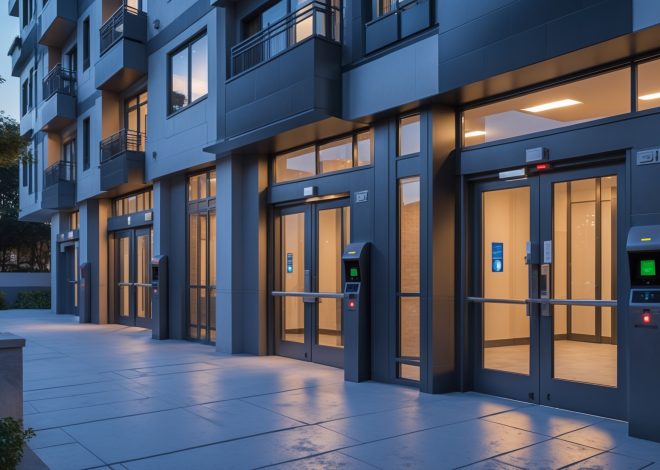
- Door seals and weatherstripping: Inspect for drafts, tears, or misalignment.
- Locks and hardware: Test all locks, handles, and deadbolts for smooth operation.
- Doorbell/intercom: Ensure systems function properly.
3. Safety Systems and Compliance
- Smoke and CO detectors: Test units, replace batteries, and document test dates.
- Fire extinguishers: Check expiration dates and pressure gauges.
- Emergency exits: Ensure pathways are clear and exit signs (if required) are functional.
- Security systems: Test alarms, cameras, and access controls.
4. HVAC and Air Quality
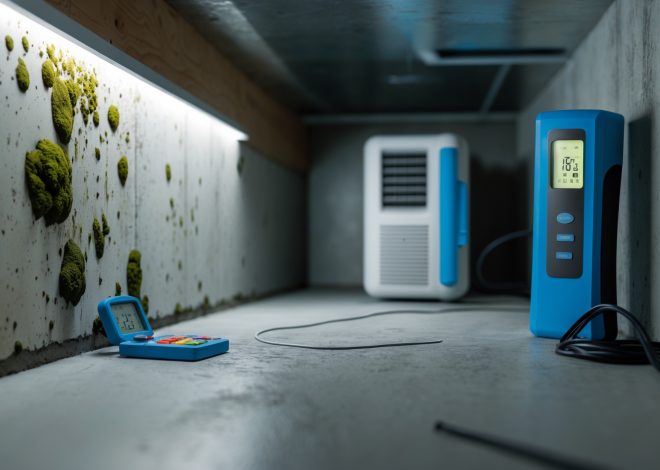
- Change or inspect filters: Replace filters in furnaces, air conditioners, and air purifiers.
- Thermostat check: Test operation and battery levels.
- Ventilation: Ensure all vents, fans, and ducts are unobstructed and clean.
5. Plumbing and Water Systems
- Faucets, showers, and toilets: Check for leaks, drips, or running toilets.
- Water heater: Inspect for leaks or corrosion; check temperature settings.
- Visible pipes: Look under sinks and in basements for moisture or rust.
- Drain flow: Test sinks and tubs for slow drainage; use enzyme cleaner if needed.
6. Electrical Systems
- Outlets and switches: Test for proper function; look for discoloration or buzzing sounds.
- Breaker box: Ensure labels are legible, and check for tripped breakers.
- Light fixtures: Replace burned-out bulbs; check for loose wiring.
7. Interior Condition and Appliances
- Walls and ceilings: Inspect for stains, cracks, or peeling paint.
- Floors: Look for warping, loose tiles, or squeaky boards.
- Appliance function: Test stoves, refrigerators, laundry machines, and dishwashers.
- Cabinet hardware: Tighten loose handles or hinges.
8. Pest Prevention
- Entry points: Check for gaps around doors, windows, pipes, and foundation.
- Signs of infestation: Look for droppings, chewed wiring, or nests.
- Outdoor trash: Ensure bins have tight-fitting lids and are kept away from the building.
9. Landscaping and Grounds
- Lawn and plants: Inspect for overgrowth, weeds, or dead branches near structures.
- Irrigation systems: Test sprinkler heads or hoses for leaks and coverage.
- Outdoor furniture and common areas: Check for damage and cleanliness.
Documentation: The Investor’s Secret Weapon
Why Document Everything?
Thorough documentation provides a legal record of diligent maintenance—protecting you in tenant disputes and insurance claims. It also reveals patterns, helping you forecast repairs and budget accurately.
How to Log Your Maintenance
- Use a digital maintenance log or property management app for efficiency.
- Photograph issues before and after repairs.
- Record dates, findings, and actions taken for each checklist item.
- Save receipts and contractor invoices for all materials and labor.
Working with Tenants: Communication and Access
Notifying Tenants of Scheduled Maintenance
State laws often require advance notice before entering rental units. Send written communication (email or letter) at least 24-48 hours prior, clearly outlining the date, time, and scope of maintenance.
Encouraging Tenant Cooperation
- Explain the benefits of regular maintenance for comfort and safety.
- Provide a contact method for tenants to report issues between checks.
- Offer small incentives for timely reporting of maintenance problems.
Addressing Issues: When to DIY and When to Hire Pros
Tasks Suitable for DIY
- Replacing filters and batteries
- Tightening hardware
- Minor caulking or patching
- Light bulb replacement
Call a Professional For
- Electrical repairs beyond outlet or bulb replacement
- Major plumbing leaks or water heater issues
- Roof repairs
- Pest infestations
- Structural concerns
Attempting complex repairs without proper training can void insurance, violate codes, and create liability. Know your limits and keep trusted contractor contacts updated.
Budgeting for Ongoing Maintenance
Setting Aside Funds
Financial experts recommend allocating 1-2% of the property’s value annually for maintenance. Break this down into monthly savings to cover both routine tasks and unexpected repairs.
Tracking Expenses
- Keep a dedicated maintenance account for each property.
- Log all purchases and contractor fees.
- Review costs quarterly to identify trends and areas for saving.
Legal and Insurance Implications of Monthly Maintenance
Habitability Laws and Local Codes
Regular maintenance helps ensure compliance with local habitability standards, which may include safe plumbing, heating, and structural integrity. Failing to maintain these can lead to fines, forced repairs, or lawsuits.
Insurance Claims and Preventive Maintenance
Insurance policies often require proof of routine maintenance to approve claims for water, fire, or structural damage. A well-kept log and documented inspections make your case stronger and speed up resolution.
Technology Tools to Streamline Monthly Maintenance
Best Apps and Platforms
- Buildium: For scheduling, documentation, and tenant communication.
- Propertyware: Customizable checklists and vendor management.
- Google Sheets: Simple, shareable logs for small portfolios.
- HomeZada: For single-family property owners tracking maintenance and budgeting.
Smart Devices
- Wi-Fi leak detectors for early water damage alerts
- Smart thermostats for monitoring HVAC remotely
- Security cameras with app-based alerts
Common Monthly Maintenance Mistakes to Avoid
- Ignoring “minor” issues: Small leaks or broken tiles can lead to major problems if left unchecked.
- Skipping documentation: Relying on memory can mean missed repairs and weak legal protection.
- Inconsistent scheduling: Skipping months increases risk and costs.
- Forgetting tenant communication: Surprising tenants damages trust and can violate lease agreements.
- Using the wrong tools or products: Improper maintenance can worsen the issue or void warranties.
Conclusion: Protecting Your Investment, Month by Month
Monthly property maintenance isn’t just a best practice—it’s a proven strategy for maximizing returns and minimizing risk. By committing to a structured, proactive checklist, you ensure your real estate investment stays attractive to tenants, compliant with regulations, and resilient to unexpected surprises. You’ll reduce emergency repair costs, maintain positive tenant relationships, and establish a reputation as a responsible landlord or investor. Most importantly, you’ll safeguard your property’s long-term value and protect your bottom line. Start this month: create your custom checklist, assemble the right tools, and make documentation a habit. Whether you self-manage or work with a property manager, a disciplined monthly routine is the key to real estate investment success. With attention to detail and the right systems in place, your property will remain a strong asset for years to come.
6 thoughts on “Real Estate Investment Property Maintenance: A Monthly Checklist for Owners”
Leave a Reply


If I find a small issue during the monthly check—like a minor leak or loose railing—should I handle repairs immediately, or is it better to batch minor fixes once a quarter to save on maintenance costs and trips?
It’s best to address small issues like minor leaks or loose railings as soon as you notice them. Handling repairs promptly can prevent them from becoming bigger, more expensive problems later. Delaying fixes to batch them might save a little time, but it could lead to larger repair costs or even safety concerns down the road.
How much does it typically cost per month in supplies and time commitment to stick to a disciplined monthly maintenance routine for a single-family rental property?
For a single-family rental, you can expect to spend about $50–$100 per month on basic supplies like filters, light bulbs, and cleaning products if you handle maintenance yourself. Time-wise, plan for 3–5 hours monthly to cover routine tasks such as checking HVAC filters, inspecting plumbing, and yard upkeep. Costs may be higher if you hire professionals or need occasional repairs beyond routine maintenance.
For someone managing multi-family properties in a colder climate, are there any extra monthly maintenance steps you recommend that might not apply to single-family homes, especially during winter months?
Managing multi-family properties in colder climates does involve some extra steps compared to single-family homes. For winter months, regularly check and clear snow and ice from shared walkways, stairs, and parking areas to prevent accidents. Inspect boiler or central heating systems more frequently to ensure consistent heat for all tenants. Also, monitor common area pipes for freezing, and consider installing pipe insulation where needed. Don’t forget to test emergency lighting and ensure all exits remain accessible in case of heavy snowfall.