
Insurance Essentials for Condo Associations: Protecting Your Real Estate Investment
Introduction: The Critical Role of Insurance in Condominium Associations
Owning a condominium is more than just holding the keys to your unit; it means being part of a community with shared spaces, responsibilities, and risks. Whether you’re a board member, property manager, or a concerned owner, understanding insurance essentials for condo associations is vital to protect both the physical property and the financial well-being of all involved. Condo complexes face unique exposures—ranging from structural damage and liability claims to directors’ errors and unforeseen disasters. Without the right insurance coverage, an association can face devastating costs, legal disputes, and long-term reputational harm. This guide will provide a detailed breakdown of the insurance policies every condo association should consider, explain how to assess appropriate coverage, review cost factors and budgeting strategies, and share real-world risk management tips. By the end, you’ll be equipped to make informed decisions that safeguard your real estate investment and foster a resilient community.
Understanding Condominium Association Insurance: What’s Covered and What’s Not
The Master Policy: The Association’s Core Coverage
The master insurance policy is the foundation of a condo association’s risk management strategy. This policy typically covers:
- Common Areas: Lobbies, hallways, elevators, fitness centers, pools, and other shared spaces.
- Building Exteriors: Roofs, exterior walls, and building systems (HVAC, plumbing, electrical) that serve more than one unit.
- Structural Elements: Foundations and load-bearing walls.
There are two main types of master policies:
- Bare Walls-In: Covers only the basic structure and common areas—owners are responsible for everything from the drywall inward.
- All-In (Walls-In): Covers the structure plus certain fixtures and installations inside individual units, such as cabinets and flooring.
Understanding which type your association carries is crucial for determining what unit owners need in their own policies (HO-6).
What’s Not Covered by the Master Policy
- Personal Property: Furniture, electronics, and other possessions inside units are typically excluded.
- Unit Upgrades: Custom renovations or high-end fixtures may not be covered.
- Owner Negligence: Damage resulting from an owner’s actions or failure to maintain their unit.
It’s essential for owners to carry individual policies that complement the association’s master coverage to fill these gaps.
Essential Insurance Policies Every Condo Association Needs
1. Property Insurance (Master Policy)
This is the association’s primary protection against physical damage to the building and common areas due to perils like fire, windstorm, hail, and vandalism. Review your policy limits and ensure replacement cost—not just actual cash value—is covered.
2. General Liability Insurance
Liability coverage protects the association if someone is injured in a common area or if property damage occurs due to the association’s negligence. This is critical for legal defense and settlements.
- Typical Coverage: Bodily injury, property damage, medical payments, and legal expenses.
- Recommended Limit: At least $1 million per occurrence, with higher limits for larger communities.
3. Directors and Officers (D&O) Liability Insurance
Board members and officers make decisions that can lead to lawsuits, even with the best intentions. D&O insurance covers defense costs and damages if they’re sued for alleged wrongful acts, mismanagement, or breach of fiduciary duty.
- Typical Claims: Disputes over assessments, contract issues, discrimination, and failure to maintain property standards.
- Key Exclusions: Fraud, criminal acts, and intentional misconduct.
4. Crime and Fidelity Insurance
This protects the association’s funds if an employee, board member, or managing agent commits theft or fraud. Coverage should match the total funds accessible, including operating and reserve accounts.
- Typical Requirement: Many states and lenders (including Fannie Mae and FHA) mandate this coverage for condo associations.
5. Equipment Breakdown Insurance
Also known as boiler and machinery coverage, this policy covers the repair or replacement of essential systems like elevators, HVAC, and water heaters following mechanical failure or electrical surges.
- Benefits: Minimizes costly downtime, ensures resident safety, and preserves property value.
6. Workers’ Compensation
If your association directly employs staff (maintenance, security, management), workers’ compensation insurance is legally required. It covers medical costs and lost wages for job-related injuries.
- Note: Even associations contracting all services should verify vendors carry proper coverage to avoid liability.
7. Umbrella Liability Insurance
An umbrella policy provides additional liability protection above and beyond the limits of your general liability and D&O policies. This is especially vital for large or high-profile communities where lawsuit risks are significant.
Specialty Coverages Condo Associations Should Consider
Flood Insurance
Standard property policies do not cover flood damage. If your complex is in a FEMA-designated flood zone—or even if not, given the increasing unpredictability of weather—flood insurance through the National Flood Insurance Program (NFIP) or private insurers is strongly recommended.
Earthquake Insurance
Condos in seismically active regions should consider earthquake coverage, which is typically excluded from standard policies. Assess your building’s construction, retrofitting, and local risk factors.
Cyber Liability Insurance
Associations handle sensitive resident data and financial transactions. Cyber policies cover costs related to data breaches, ransomware, and online fraud, including notification and remediation expenses.
Ordinance or Law Coverage
When rebuilding after a covered loss, local laws may require upgrades to meet current codes. Ordinance or law insurance covers the additional costs of compliance, which can be significant in older buildings.
Assessing Coverage Amounts: How Much Is Enough?
Calculating Replacement Cost Value (RCV)
Insure for the full cost to rebuild the complex—not just market value. Work with a professional appraiser or insurance specialist to estimate:
- Current construction costs per square foot
- Unique features (architectural details, amenities)
- Demolition and debris removal
Reviewing Deductibles and Coinsurance
Higher deductibles lower premiums but increase out-of-pocket costs after a loss. Ensure the association’s reserves can cover the deductible for major claims. Understand any coinsurance requirements to avoid penalties for underinsuring.
Special Assessments and Loss Assessment Coverage
If a loss exceeds policy limits or falls under a high deductible, associations may levy special assessments on owners. Encourage owners to add loss assessment coverage to their HO-6 policies for extra protection.
Cost Factors and Budgeting for Condo Association Insurance
Key Factors Influencing Premiums
- Location: Properties in areas prone to natural disasters or high crime have higher premiums.
- Building Age and Condition: Older or poorly maintained buildings cost more to insure.
- Construction Materials: Fire-resistant and hurricane-rated materials can lower costs.
- Claims History: Previous insurance claims increase future premiums.
- Amenities: Pools, gyms, and playgrounds add liability exposure.
Budgeting Best Practices
- Obtain competitive bids from reputable insurance brokers experienced in community associations.
- Review policies annually and adjust coverage as property values, amenities, and risk factors change.
- Maintain an adequate reserve fund to cover deductibles and uninsured risks.
- Communicate openly with owners about insurance costs and the rationale for coverage choices.
Compliance and Legal Considerations
State and Local Requirements
Many states mandate minimum insurance requirements for condo associations, including fidelity coverage and minimum liability limits. Local ordinances may impose additional standards, especially for high-rises or gated communities. Always consult a qualified attorney or insurance professional to ensure full compliance.
Lender and Regulatory Guidelines
Mortgage lenders, especially those selling loans to Fannie Mae or FHA, often require associations to carry specific types and minimum amounts of coverage. Failure to comply can impair owners’ ability to refinance or sell units.
Risk Management: Reducing Premiums and Claims
Practical Loss Prevention Strategies
- Schedule regular property inspections to identify hazards (slip-and-fall risks, faulty wiring, roof leaks).
- Invest in preventative maintenance—prompt repairs reduce the likelihood of costly claims.
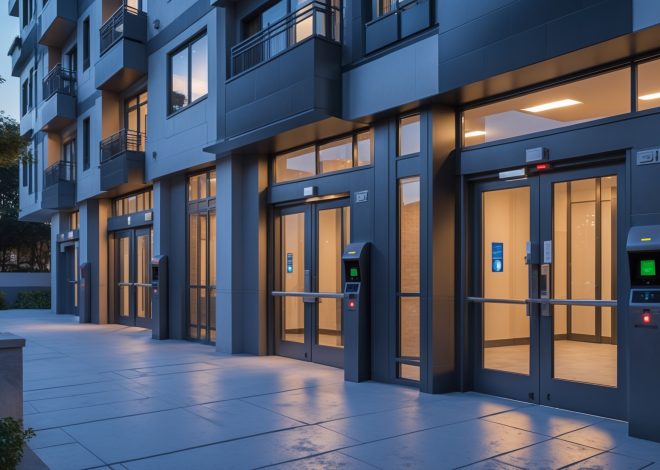
- Install and maintain security systems, fire alarms, and sprinkler systems.
- Enforce clear rules for use of amenities and common areas to minimize liability exposures.
Claims Management Protocols
- Establish a clear, written process for reporting and documenting incidents.
- Respond promptly to all claims and communicate openly with adjusters.
- Review each claim outcome to identify patterns and address root causes.
Educating Owners and Residents
- Hold annual insurance review meetings to explain coverage and answer questions.
- Distribute written guidelines on what the master policy covers—and what owners need to insure separately.
- Encourage owners to update their HO-6 policies after major upgrades or association policy changes.
Real-World Scenarios: Common Claims and Lessons Learned
Case Study 1: Water Damage from a Burst Pipe
A pipe bursts in a common wall, flooding several units and the hallway. The master policy covers repairs to the wall and common hallway, but individual unit owners are responsible for damaged flooring and personal property. Because the association had a high deductible, a special assessment was needed. Owners with loss assessment coverage were protected; those without paid out-of-pocket.
Case Study 2: Slip-and-Fall in the Lobby
A visitor slips on a wet floor in the lobby and is hospitalized. The general liability policy covers medical expenses and legal fees. The incident prompts the association to invest in better mats and more frequent cleaning to prevent future accidents.
Case Study 3: Board Decision Challenged in Court
Residents sue the board over a controversial renovation decision. D&O insurance covers the board’s defense costs, avoiding a major hit to association finances. The board implements a new communication protocol for future projects.
Maintenance and Insurance: The Crucial Connection
Insurance and maintenance go hand-in-hand. Insurers may deny claims or raise premiums if a loss is linked to neglect. Associations should:
- Keep detailed maintenance logs and inspection records.
- Promptly address issues such as roof leaks, cracked sidewalks, or faulty elevators.
- Schedule professional risk assessments to catch hidden problems.
- Regularly update safety features (lighting, smoke alarms, security cameras).
Conclusion: Building a Resilient Condo Community Through Smart Insurance Choices
Insurance is not just a regulatory box to check; it’s a proactive investment in the stability and future of your condominium community. The right portfolio of policies shields your association from catastrophic losses, legal battles, and the financial strain of unexpected claims. But insurance works best when paired with diligent maintenance, risk management, and transparent communication with owners. Board members, managers, and residents alike should take the time to review existing coverage, understand exclusions, and budget thoughtfully for both premiums and potential deductibles. By staying informed, working with experienced professionals, and prioritizing both safety and compliance, your association can weather challenges and maintain property values for years to come. Remember, the peace of mind that comes from robust insurance is a shared benefit—protecting your investment, your neighbors, and the broader community you call home.
34 thoughts on “Insurance Essentials for Condo Associations: Protecting Your Real Estate Investment”
Leave a Reply


Are there any specific risks or disasters common in older buildings that might not be fully covered by the standard master policies you described, and if so, what extra steps should our board consider?
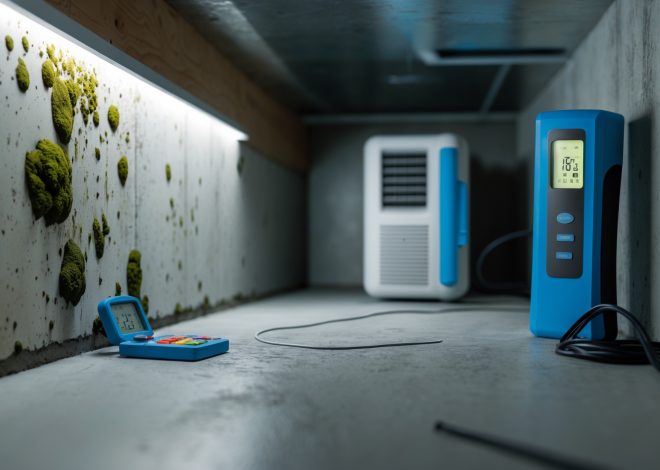
Older condo buildings often face risks like outdated electrical systems, aging plumbing, or structural wear that standard master policies may not fully cover. Issues like water damage from old pipes, mold, or code upgrades after a loss often require additional coverage. Your board should consider reviewing your policy for exclusions, consulting an insurance professional, and looking into endorsements such as ordinance or law coverage and equipment breakdown insurance to address gaps.
Our board is trying to budget for insurance this year. Could you elaborate on what specific factors might increase the cost of a master policy for condo associations, and are there ways to manage or lower those premiums without sacrificing essential coverage?
Several factors can increase the cost of a master policy for condo associations, including the age and condition of buildings, claims history, location (especially in areas prone to natural disasters), property values, and the level of coverage chosen. To help manage or lower premiums, consider raising deductibles, improving building maintenance, implementing safety features (like updated fire alarms or security systems), and regularly reviewing policy details to eliminate unnecessary add-ons. Comparing quotes from multiple insurers can also help you find better rates while maintaining essential coverage.
Can you explain how a condo association determines whether a ‘bare walls-in’ or ‘all-in’ master insurance policy is more appropriate for their property? What factors should be weighed before making that decision?
A condo association chooses between ‘bare walls-in’ and ‘all-in’ policies based on factors like the governing documents (bylaws or CC&Rs), the building’s construction, and the association’s budget. If unit owners are responsible for interior finishes, a ‘bare walls-in’ policy may fit. An ‘all-in’ policy covers more, including interior finishes, but is typically more expensive. The association should also consider local laws, the preferences of unit owners, and the risk of underinsurance before deciding.
Our board is debating between switching to an all-in master policy versus sticking with bare walls-in coverage. Could you explain any significant differences in claims processing or disputes that might result from choosing one type over the other?
An all-in master policy typically covers not just the building structure but also interior finishes like cabinets, fixtures, and sometimes appliances. This can reduce disputes during claims, since there’s less confusion about what the association’s policy covers versus the unit owner’s. With bare walls-in, owners may face more responsibility for interiors, leading to more claims overlap or disagreements between association and unit owner policies when damage occurs.
If there’s a major insurance claim, like a fire in a shared hallway, what’s the typical process for the association and the individual owners to work with the insurance company? Any risk management tips for handling claims smoothly?
When a major claim like a fire in a shared area happens, the condo association usually files the claim under its master insurance policy. The insurer will assess the damage, coordinate repairs, and may issue payment directly to the association. Individual owners typically only need to file claims under their own policies for personal property or improvements inside their units. For smoother claims, document everything, keep clear communication with owners, and maintain detailed records of the incident and repairs. Having well-defined procedures and updating insurance info regularly can also help the process go more smoothly.
What advice do you have for budgeting insurance costs for a smaller association? Are there ways to keep master policy premiums manageable without sacrificing necessary coverage for things like building exteriors and common areas?
For a smaller condo association, it’s helpful to compare quotes from several insurers who specialize in condo master policies. Review the policy details carefully to avoid paying for unnecessary extras, but make sure essentials like exterior and common area coverage remain solid. Raising your deductible can lower premiums, but ensure the association can afford that higher out-of-pocket cost if needed. Bundling policies or joining a local association network may also help negotiate better rates without cutting important coverage.
When budgeting for condo association insurance, what are some cost factors boards sometimes overlook? We want to be sure we’re not caught off guard by unexpected expenses.
Boards often focus on basic property and liability coverage but may overlook factors like rising replacement costs due to inflation, increased rebuilding expenses after code upgrades, and the need for Directors and Officers (D&O) insurance. Deductibles for certain risks, like wind or flood, can also be higher than expected. It’s wise to review your policy regularly and discuss potential gaps or new coverage requirements with your insurance advisor each year.
You mentioned budgeting for insurance—are there any recommendations for setting aside reserve funds to handle deductibles or coverage gaps that might not be obvious at first?
Absolutely, it’s wise for condo associations to maintain reserve funds not just for regular maintenance, but also for unexpected expenses like insurance deductibles and any gaps in coverage. A good practice is to review your policies carefully, estimate potential deductibles for each type of claim, and regularly update your reserve funding goals. Consulting with your insurance provider or a financial advisor can help you identify less obvious coverage gaps specific to your property and recommend how much extra to set aside for peace of mind.
Are there notable differences in premium costs or typical claims between bare walls-in and all-in master policies based on your experience with condo associations?
Yes, there are notable differences. All-in master policies generally have higher premiums since they provide broader coverage, including interior finishes and sometimes fixtures within each unit. Bare walls-in policies are usually less expensive because they cover only the structure and common areas, leaving unit owners responsible for insuring interiors. Claims on all-in policies tend to be more frequent or higher in value due to the expanded coverage, while bare walls-in claims are typically limited to exterior or shared elements.
You mentioned directors’ errors as a potential exposure. What type of insurance protects board members from liability in these situations, and is it usually included in standard master policies or purchased separately?
Directors and Officers (D&O) liability insurance is what protects condo board members from personal liability due to errors, omissions, or decisions made in their official capacity. This coverage is not usually included in standard master policies; it typically needs to be purchased as a separate policy or as an add-on endorsement. It’s important for associations to review their insurance portfolio to ensure D&O coverage is in place.
Can you offer any budgeting tips for smaller associations who are worried about rising insurance premiums but still want to maintain adequate coverage for disasters or liability claims mentioned in the article?
For smaller associations, consider reviewing your current coverage with an insurance agent to eliminate unnecessary extras while keeping essential protections. Increase your deductibles to lower premiums, but make sure your reserve fund can cover them if needed. Shop around and get quotes from multiple insurers each renewal period. Also, regularly update property values and risk assessments to ensure your coverage matches your needs without overpaying.
When budgeting for a condo association’s insurance, what are some strategies to prepare for rising premium costs, especially for older buildings or those with a history of claims?
To help offset rising insurance premiums, especially for older buildings or those with prior claims, consider gradually increasing reserves in your annual budget. Regularly review your building’s maintenance and safety measures to reduce risk, as insurers often look favorably on proactive upkeep. Shop around with different carriers each renewal cycle, and consult an insurance broker who understands condo associations—they can negotiate better rates or suggest appropriate coverage adjustments.
I’m curious about the budgeting strategies mentioned for condo association insurance. What are some practical ways boards can manage rising insurance costs without reducing coverage for important risks like structural damage or liability?
Boards can negotiate with multiple insurers for competitive quotes and consider higher deductibles to lower premiums while maintaining essential coverage. Scheduling regular insurance reviews ensures policies match current needs and property values. Implementing risk management measures, like improved building security or maintenance, can also reduce claims and future costs. Working with an insurance broker who specializes in condo associations can help identify cost-saving opportunities without compromising critical protections.
The article mentioned that budgeting for insurance is important for condo associations. Do you have any tips or cost-saving strategies for associations that want to maintain strong coverage without significantly raising fees for owners?
One effective approach is to regularly review and compare insurance quotes from multiple providers to ensure you’re getting the best deal. Increasing your deductible can also lower premiums, but be sure the association can cover the higher out-of-pocket costs if needed. Bundling different types of insurance, such as property and liability, may offer discounts. Finally, keeping up with maintenance and implementing risk-reduction measures can sometimes qualify your association for lower rates.
I’m new to condo living and our association has a ‘bare walls-in’ master policy. Can you explain what exactly I would need to insure separately for my own unit? I’m worried I might miss something important inside my condo.
With a ‘bare walls-in’ master policy, your association’s insurance generally covers the building structure and common areas, but not things inside your unit like interior walls, flooring, cabinets, appliances, and personal belongings. You’ll want your own condo (HO-6) policy to cover these items, as well as your liability and any improvements you’ve made. It’s also wise to check your association’s bylaws or policy details to confirm exactly where their coverage stops, so you can fill in any gaps.
The article mentions budgeting strategies for insurance, but as a small association with limited reserves, what are some ways to keep our premiums manageable without leaving big gaps in coverage?
For small associations with tight budgets, consider raising your deductible, as this can lower your premium while still providing major protection. Shop around among insurers each year to compare rates and ask about any available discounts. Also, review your coverage closely to avoid paying for unnecessary extras, but make sure you don’t cut essential protection like liability or property coverage.
How can a board member tell if their association needs a Bare Walls-In policy versus an All-In policy? Are there typical factors or situations that would make one better than the other?
To determine if your association needs a Bare Walls-In or an All-In policy, start by reviewing your condo association’s governing documents, especially the bylaws or master deed. These documents usually specify the insurance requirements. Bare Walls-In policies typically cover only the structure and common areas, while All-In policies extend coverage to fixtures within units. Factors like the age of the building, types of units, and how much interior maintenance is expected of owners can influence which policy is more appropriate. Consulting with an insurance specialist familiar with condos in your area is also a good idea.