

How to Set Up a Secure Key Management System for Real Estate Properties
Introduction: Why Key Management Matters in Real Estate
In the world of real estate, security and access control are paramount. Whether you manage a handful of rental properties or oversee an extensive portfolio, the way you handle physical keys can make—or break—your operational efficiency, tenant trust, and liability risk. Lost, misplaced, or improperly controlled keys expose property owners, landlords, and real estate agents to theft, vandalism, and legal complications. As properties change hands, undergo repairs, or host showings, the challenge compounds: How can you ensure only authorized individuals have access, while keeping a clear record of who has which keys and when? This comprehensive guide walks you through the end-to-end process of setting up a secure key management system tailored specifically to the demands of real estate. We’ll cover best practices for both physical and digital tools, compliance guidelines, detailed setup instructions, and actionable tips to minimize risk and maximize efficiency. Whether you are new to property management or looking to upgrade your current approach, this guide will help you safeguard your assets and build trust with tenants and clients.
Understanding the Risks: What’s at Stake?
Common Key Management Pitfalls
- Untracked key handovers between agents, contractors, or tenants
- Lost or duplicated keys without proper documentation
- Insecure storage (e.g., keys left in drawers, labeled with addresses)
- Lack of standardized procedures for key returns or lock changes
These issues can lead to unauthorized access, property damage, or legal action from tenants and owners. In the event of a break-in, your key management protocol (or lack thereof) will be scrutinized by insurers and courts alike.
Legal and Compliance Considerations
- Tenant Privacy Laws: Many jurisdictions require landlords to safeguard tenant privacy and provide notice before entering a property. Poor key control undermines compliance.
- Insurance Requirements: Some policies may be void if keys are mismanaged or not properly tracked.
- Fair Housing: Equal access must be maintained for all authorized parties; inconsistent key policies can lead to complaints.
Planning Your Key Management System
Assess Your Portfolio and Access Needs
Start by mapping out your property portfolio and identifying who needs access to each location (e.g., leasing agents, maintenance staff, cleaning contractors). For each property, note:
- Number and type of doors/locks
- Frequency of key handovers (e.g., frequent showings, short-term rentals)
- Existing security measures (alarms, cameras, smart locks)
Choose Between Physical and Digital Key Systems
- Physical: Traditional metal keys, stored in lockboxes or cabinets
- Digital: Keypads, smart locks, or electronic key cards/fobs
- Hybrid: A mix of both, often necessary for larger portfolios or older properties
Evaluate costs, scalability, and compatibility with your properties. For most small-to-medium real estate operations, a robust physical system with digital tracking is a practical starting point.
Essential Tools and Equipment
Physical Key Security Tools
- Lockable Key Cabinets: Wall-mounted, steel cabinets with numbered, non-descript key tags
- Secure Lockboxes: Weather-resistant, code-protected boxes for on-site access (recommended for showings or maintenance)
- Key Rings & Tags: Avoid writing property addresses; use coded labels that reference a secure master list
- Key Control Logbooks or Software: To record check-outs, returns, and authorized users
Digital Key Management Solutions
- Cloud-Based Tracking Platforms: Software such as KeyTrak, SimpleK or custom spreadsheets with access logs
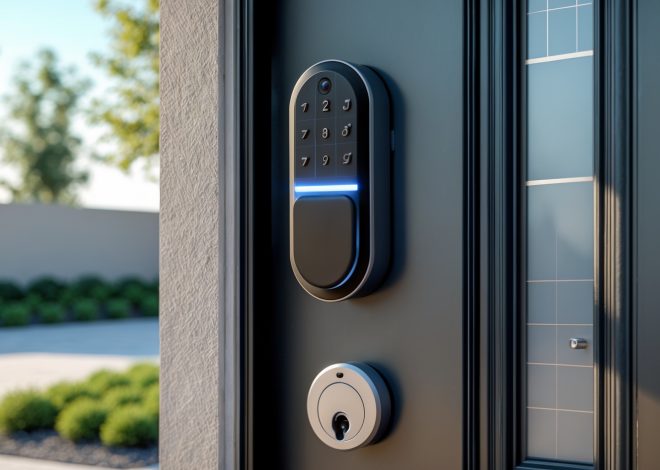
- Smart Locks: Devices like Schlage Encode or Yale Assure, allowing for code-based entry and remote access control
- Keyless Entry Systems: Useful for short-term rentals or properties with high turnover
Step-by-Step: Setting Up a Secure Physical Key Management System
Step 1: Inventory and Label All Keys
Create a master inventory for every property and lock. Assign a unique code to each key (never the address), and use tamper-resistant tags. Store the master key list in an encrypted digital file or locked drawer, accessible only to trusted staff.
Step 2: Install a Lockable Key Cabinet
Mount a steel, lockable cabinet in a secure, access-controlled area (never in public view). Assign a dedicated staff member as key custodian. Each key in the cabinet should correspond to your master list, with no identifiable information visible.
Step 3: Implement a Key Checkout/Return Protocol
- Use a logbook or digital solution to record every key handover, including date, time, recipient, and purpose
- Require signatures or digital check-ins for accountability
- Set clear deadlines for key returns; flag overdue checkouts for follow-up
Step 4: Secure On-Site Access with Lockboxes (If Needed)
For showings or maintenance, use high-quality lockboxes. Change codes regularly, and never share codes via unsecured channels (e.g., text message). Log every code issuance and change.
Step 5: Periodic Audits
- Schedule quarterly or monthly audits to match keys to your inventory
- Investigate discrepancies immediately
- Update records when locks are rekeyed or replaced
Step-by-Step: Transitioning to Digital Key Management
Step 1: Evaluate Compatibility and Costs
Not all properties are suitable for full digital conversion. Assess door types, tenant demographics, and budget constraints. Begin with high-turnover or high-value properties for pilot testing.
Step 2: Choose a Digital Platform
- Look for solutions that offer user access controls, remote code management, and detailed audit logs
- Popular options include cloud-based property management platforms or standalone smart lock apps
Step 3: Install Smart Locks or Keypads
- Hire a professional locksmith for installation
- Configure unique codes for each authorized user; limit access by time and date as needed
- Train staff and tenants on system use and best practices
Step 4: Enforce Digital Key Policies
- Require digital check-in/check-out for all access events
- Revoke access codes immediately upon tenant move-out or staff departure
- Monitor audit logs for unusual activity
Best Practices for Secure Key Management
- Never Label Keys with Property Addresses: Use non-descript codes only
- Limit Access: Only authorized personnel should handle keys
- Train Staff Regularly: Review key policies and update on new technology or risks
- Maintain Written Policies: Document procedures for key issuance, loss, and lock changes
- Respond Promptly to Lost Keys: Rekey locks and update inventories immediately
- Secure Backups: Store master keys and records in a separate, highly secure location
Compliance and Documentation Essentials
What to Document
- All key issuances and returns (with recipient details and timestamps)
- Lock changes, rekeying events, and key destruction
- Procedures for lost/stolen keys
- Staff training sessions and acknowledgments
Data Privacy and Legal Obligations
If you are using digital systems, ensure compliance with data privacy laws (GDPR, CCPA, or local equivalents). Limit access to logs containing tenant or staff information, and encrypt digital records where possible.
Responding to Key Loss or Breach
Immediate Action Steps
- Notify relevant parties (tenant, property owner, staff)
- Rekey locks as soon as possible
- Update your key inventory and records
- Document the incident and corrective actions taken
Integrating Key Management with Overall Property Security
Key management is one piece of the security puzzle. Combine it with:
- Alarm systems and surveillance cameras
- Security lighting and signage
- Tenant and staff education on security best practices
Work with your insurance provider to ensure your protocols meet or exceed policy requirements.
Case Study: Implementing a Hybrid Key Management System
Scenario: A small property management firm oversees 20 rental units across three neighborhoods. Previously, keys were stored in a drawer with handwritten labels, leading to two incidents of lost keys and a near-miss with an unauthorized entry.
- Step 1: The firm invested in a wall-mounted steel key cabinet, coded key tags, and a digital logbook (Google Sheets with restricted access).
- Step 2: They trained all staff on new check-in/check-out procedures and required digital sign-offs.
- Step 3: For two high-turnover properties, they installed smart locks, issuing temporary access codes to vendors and short-term tenants.
- Result: Key loss incidents dropped to zero, tenant satisfaction improved, and the firm passed an insurance audit with flying colors.
Conclusion: Investing in Peace of Mind
Establishing a secure key management system is a foundational responsibility for anyone involved in real estate. It is not merely about compliance or ticking boxes for insurance; it’s about protecting your properties, your clients, and your reputation. By following the detailed steps outlined in this guide—auditing your current practices, investing in proper tools, implementing rigorous protocols, and staying vigilant with audits and documentation—you’ll significantly reduce the risk of unauthorized access, liability, and costly incidents. Embracing digital solutions can further streamline operations and provide real-time oversight, but even the most advanced technology is only as effective as the people and policies behind it. Make key management a priority, communicate clear expectations to your team and tenants, and regularly review and improve your procedures. The result is not just enhanced security, but the peace of mind that comes from knowing your assets—and those who rely on you—are well protected in a fast-moving real estate market.
4 thoughts on “How to Set Up a Secure Key Management System for Real Estate Properties”
Leave a Reply

Related Posts

Navigating Asbestos in Real Estate: Identification, Compliance, and Safe Remediation
How to Set Up a Secure Smart Lock System in Rental Properties: Step-by-Step Guide and Maintenance Tips

Could you elaborate on how property managers can track key handovers when multiple agents or contractors need access in a single day? Are there specific logs or digital tools you recommend for real-time tracking?
Property managers can effectively track key handovers by using digital key management systems that log every transaction in real time. These tools often record who took the key, when, and for what purpose. Some recommended options include electronic key cabinets with built-in audit trails, or mobile apps where agents and contractors check keys in and out using their smartphones. This approach ensures a complete, time-stamped log and helps quickly identify who has access at any moment.
If I’m looking to set up a secure key management protocol from scratch, what would be a reasonable timeframe to get everything in place, including training staff and updating procedures for current tenants?
Setting up a secure key management protocol from scratch usually takes 4 to 8 weeks. This includes researching and choosing the right system, installing hardware or software, creating new procedures, training staff, and notifying or updating current tenants. The timeframe can vary depending on the size of your property and the number of tenants, but allowing about two months ensures you have enough time for a smooth transition and thorough training.