
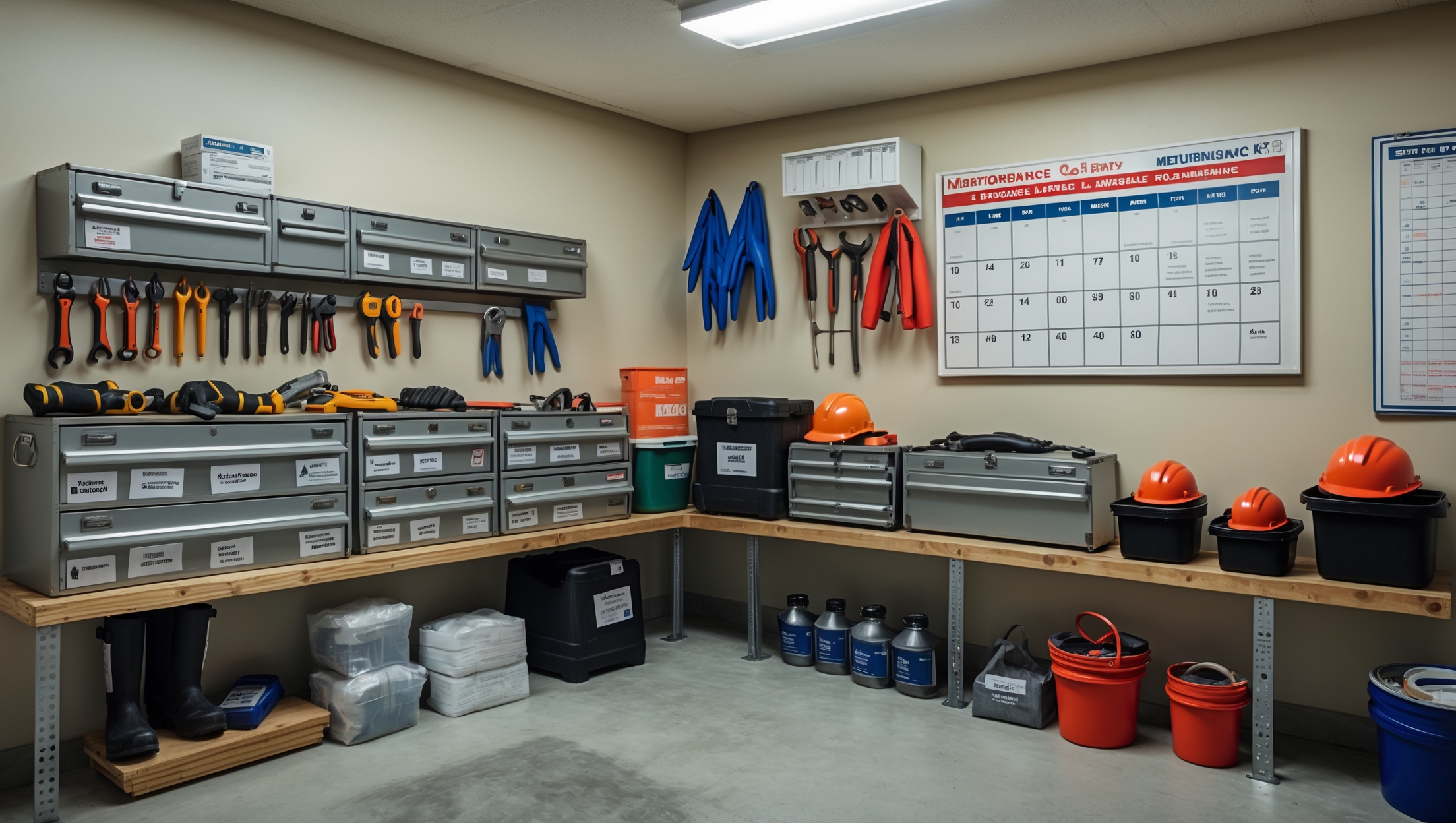
How to Create a Real Estate Maintenance Emergency Kit: Tools, Supplies, and Setup
Introduction: Why Every Property Owner Needs a Maintenance Emergency Kit
When an unexpected plumbing leak strikes at midnight or a power outage leaves tenants in the dark, having a well-stocked maintenance emergency kit can mean the difference between quick resolution and costly chaos. For real estate investors, landlords, and property managers, being prepared isn’t just about convenience—it’s about protecting your assets, ensuring tenant safety, and minimizing downtime. While many property owners focus on regular maintenance schedules and professional service contracts, few take the time to assemble a dedicated kit that’s ready to tackle emergencies the moment they arise. This oversight can lead to prolonged repairs, tenant dissatisfaction, and even property damage that could have been prevented with the right supplies on hand.
This comprehensive guide walks you through the process of creating a real estate maintenance emergency kit tailored to your property’s unique needs. We’ll cover essential tools, must-have supplies, smart storage solutions, and advanced tips for both small multi-family buildings and single-family rentals. Whether you’re new to property management or a seasoned investor, you’ll find actionable steps to help you respond swiftly, keep tenants safe, and protect your investment—all with greater confidence and control.
Understanding the Need: What Constitutes a Maintenance Emergency?
Common Real Estate Maintenance Emergencies
Maintenance emergencies can strike at any time, often when it’s least convenient. These are situations that pose immediate risks to health, safety, or property integrity. Common examples include:
- Water leaks from burst pipes or faulty plumbing
- Power outages or electrical failures
- HVAC system breakdowns during extreme weather
- Blocked drains or overflowing toilets
- Broken windows or doors compromising security
- Gas leaks (requiring immediate evacuation and professional intervention)
While not every incident requires a full-scale repair, having supplies ready can mitigate damage and buy valuable time until professionals arrive.
Risks of Being Unprepared
Responding to emergencies without the right tools or materials can lead to exacerbated issues, greater repair bills, and tenant grievances. In some cases—such as water intrusion or compromised security—quick action is not only smart but legally required. Municipal codes may obligate landlords to address urgent repairs within set timeframes, and insurance companies often require documentation of timely mitigation efforts.
Core Components of a Real Estate Maintenance Emergency Kit
Building an effective kit starts with identifying the most common emergencies your property might face, then curating tools and supplies that allow for immediate response. Below is a breakdown of essential categories and specific recommendations.
1. Basic Hand Tools
- Adjustable wrench (for plumbing and gas shutoff valves)
- Multi-bit screwdriver set
- Slip-joint and needle-nose pliers
- Utility knife with spare blades
- Claw hammer
- Measuring tape
- Flashlight (LED, with spare batteries)
- Headlamp (for hands-free work in dark spaces)
2. Plumbing Emergency Supplies
- Plunger (cup and flange types for sinks and toilets)
- Pipe wrench
- Plumber’s tape (Teflon tape)
- Pipe repair clamps
- Temporary leak sealant/epoxy putty
- Bucket and absorbent towels
- Drain snake or auger
3. Electrical Emergency Supplies
- Non-contact voltage tester
- Spare circuit breakers and fuses (match property panel type)
- Electrical tape
- Replacement light bulbs (LED, various wattages)
- Extension cords (heavy-duty, grounded)
4. Fasteners and Patch Materials
- Assorted screws, nails, and anchors
- Picture hanging wire and hooks (for securing loose items)
- Wood glue and super glue
- Drywall patch kit
- Duct tape and painter’s tape
5. Safety Equipment
- Work gloves (chemical and cut-resistant)
- Safety goggles
- N95 masks (for dust and mold mitigation)
- First aid kit (with burn cream, bandages, antiseptic wipes)
- Disposable coveralls
6. Specialty Items for Real Estate Needs
- Lock de-icer and graphite lubricant
- Spare key lockbox (for emergency property access)
- Window film or plywood board (temporary window security)
- Battery-powered CO and smoke detector (for temporary replacement)
- Emergency signage (“Out of Order”/”Do Not Enter”)
Advanced Kit Additions for Multi-Family and Commercial Properties
For larger portfolios or buildings with multiple units, consider these advanced additions:
- Wet/dry shop vacuum (for water extraction)
- Portable sump pump (battery-operated preferred)
- Battery-powered lanterns for common areas
- Universal toilet fill and flapper kits
- Extra HVAC filters (sized for on-site systems)
- Portable space heater (for temporary tenant comfort)
- Dehumidifier (for moisture mitigation after leaks)
Smart Storage: Organizing Your Emergency Kit for Fast Response
Choosing the Right Container
Your emergency kit should be housed in a sturdy, portable container that’s clearly labeled and easy to access. Consider these options:
- Heavy-duty plastic toolboxes with removable trays
- Rolling storage totes for larger or multi-building kits
- Wall-mounted cabinets in secure utility rooms (lockable)
- Backpack-style kits for mobile property managers
Label each container with its primary use (“Plumbing Emergency,” “Electrical Tools,” etc.) to save time during a crisis.
Organization Tips
- Sort tools and supplies by category, using smaller bins or zipper pouches inside the main container.
- Include an inventory list taped inside the lid for quick reference and restocking.
- Store the kit in a dry, temperature-controlled area. Avoid locations prone to flooding or extreme heat.
- If managing multiple properties, keep a basic kit at each site and a master kit in your vehicle or main office.
Restocking and Maintenance
Schedule quarterly checks to restock consumables (batteries, tape, first aid items) and inspect tools for rust or damage. Log each use to monitor which supplies run out fastest, and adjust your inventory accordingly.
Property Type Considerations: Customizing Your Kit
Single-Family Rentals
Focus on portability and the most common repair scenarios. Single-family homes may not need commercial-grade equipment, but should include all basic hand tools, plumbing, and electrical supplies. Ensure the kit is accessible to the landlord or local property manager, not tenants.
Multi-Family Units and Apartment Buildings
With more residents and shared systems, the risk of concurrent emergencies increases. Stock extra plumbing parts, multiple flashlights, and additional signage to cordon off affected common areas. Consider including water shutoff keys and elevator service tools if applicable.
Commercial and Mixed-Use Properties
Commercial spaces may require specialized equipment, such as circuit testers for three-phase electrical systems or commercial-grade patch materials. Always review building codes for required emergency supplies, especially for life safety systems.
Legal and Compliance Aspects
While most emergency kits are not legally mandated, swift mitigation of hazards is often a legal responsibility for property owners. Review local landlord-tenant laws and building codes for requirements on:
- Response times to urgent repairs (e.g., water, heat, security issues)
- Tenant notification protocols during repairs
- Required safety equipment in common areas
- Documentation for insurance claims (keep a digital log of kit deployment and repairs)
Including compliance-related items, such as temporary “No Entry” signs or lockout tag kits, can help ensure your emergency response procedures meet or exceed regulations.
Training: Ensuring Proper and Safe Use of Emergency Kits
Even the best-stocked kit is useless without basic knowledge of how to use its contents. Property managers and maintenance staff should be trained to:
- Safely shut off water, gas, and electricity
- Apply temporary fixes to stop leaks or secure unsafe areas
- Administer first aid in case of injury
- Document incidents for insurance and compliance
Consider periodic hands-on training sessions, and include quick-reference guides or printed instructions within the kit for less-experienced responders.
Digital Tools: Enhancing Your Emergency Response
Leverage technology to complement your physical kit:
- Cloud-based inventory apps to track kit supplies and usage
- Digital property maps marking shutoff valve locations
- Emergency contact lists (plumbers, electricians, restoration services) printed and stored in the kit as well as saved on your phone
- Maintenance management software to log incidents and schedule follow-up repairs
Integrating digital tools streamlines your response and ensures no critical steps are overlooked, especially when delegating tasks to staff or contractors.
Case Example: Emergency Kit in Action
Imagine a tenant calls to report a burst pipe on a holiday weekend. With your maintenance emergency kit in hand, you immediately:
- Shut off the main water supply using your adjustable wrench and property map
- Contain the leak with towels, buckets, and a temporary pipe clamp
- Mitigate water spread with your wet/dry vacuum
- Document the incident with photos and log details in your maintenance software
- Notify your preferred plumber using the emergency contact sheet from your kit
By acting quickly with the right equipment, you prevent further damage, reassure your tenant, and have the paperwork ready for any insurance claim or compliance review.
Conclusion: The Payoff of Proactive Preparedness
Assembling a real estate maintenance emergency kit is a simple, cost-effective strategy with outsized benefits. It empowers you, your staff, or your contractors to act quickly in the face of unexpected repairs—reducing damage, improving tenant satisfaction, and demonstrating your professionalism. The modest investment in supplies and organization pays off every time you’re able to stop a leak, restore power, or secure a property before a minor incident becomes a major expense.
Don’t wait for disaster to reveal your vulnerabilities. Review the lists and strategies outlined above, and tailor your kit to fit your properties’ unique risks and layouts. Schedule regular inventory checks, provide training for anyone who might use the kit, and leverage digital tools to ensure nothing is overlooked. By making emergency preparedness a core part of your property management routine, you’ll be ready for whatever comes your way—and your tenants, assets, and reputation will be all the safer for it.
42 thoughts on “How to Create a Real Estate Maintenance Emergency Kit: Tools, Supplies, and Setup”
Leave a Reply

Related Posts
Real Estate Electrical Inspections: Step-by-Step Process, Compliance, and Cost Breakdown

How to Prepare a Real Estate Property for Wildfire Season: Prevention, Compliance, and Essential Upgrades

As a first-time landlord, I’m wondering what the most important items are to include in a maintenance emergency kit for an older single-family rental, especially since older plumbing seems prone to leaks. Are there any must-haves that differ from what you’d use in a newer building?
For an older single-family rental, plumbing issues are indeed more common. Be sure to include a heavy-duty pipe wrench, plumber’s tape, pipe clamps, extra washers, and a wet/dry vacuum for water cleanup. It’s also wise to keep replacement shut-off valves and a flashlight handy. Unlike newer buildings, older homes may have unique fittings, so stocking a variety of plumbing connectors and adaptable parts can save time during an emergency.
For incidents like water leaks or blocked drains, how do you decide what should go in the kit versus what should be handled only by a professional, especially considering tenant safety?
When assembling your kit for issues like water leaks or blocked drains, include basic items for immediate action, such as a flashlight, adjustable wrench, plunger, absorbent towels, and a bucket. These allow tenants to safely manage minor problems or prevent further damage. Leave specialized tools, electrical equipment, and chemical drain cleaners out of the kit; these situations should be left to professionals to ensure tenant safety and prevent accidental damage or injury.
Could you clarify what should be included in the emergency kit for properties in areas prone to extreme weather, especially regarding HVAC breakdowns?
For properties in extreme weather zones, your emergency kit should have HVAC-specific items like spare air filters, a portable space heater (for cold climates), a fan or portable AC unit (for heat), duct tape, thermal blankets, and batteries for thermostats. Include a basic tool set for minor fixes and a list of local HVAC repair contacts. Having these on hand can help keep tenants safe and minimize downtime during an HVAC breakdown.
I noticed you mentioned gas leaks as one of the common emergencies. Are there any specific safety precautions or tools that should always be included in the kit to address possible gas-related incidents before professionals arrive?
For gas-related emergencies, always include a gas shut-off tool or wrench in your kit so you can quickly turn off the supply if needed. It’s also important to have a flashlight (not candles or open flames), a battery-powered gas leak detector, and clear instructions on how to safely shut off the gas. Never try to locate or repair the leak yourself—just evacuate and call professionals once the gas is off.
For smaller single-family rentals, which advanced tips from your guide would be most practical without overwhelming the property with unnecessary gear?
For smaller single-family rentals, focus on advanced tips like organizing your kit in stackable bins for easy storage, including a compact multi-tool instead of separate specialty tools, and labeling everything clearly. You can also keep a digital inventory list on your phone to track what needs restocking. This way, you cover emergencies without cluttering the property or making things complicated.
The article mentions both small multi-family buildings and single-family rentals. Are there specific items you would suggest adding or omitting for landlords who manage older properties with unique maintenance challenges?
For older properties, it’s smart to include items like extra plumbing supplies (such as pipe sealant and replacement washers), electrical testers, and spare fuses since wiring and fixtures may be outdated. A moisture meter and mold-resistant caulk can also be helpful if leaks are more common. Depending on the building’s age, carrying some basic patching materials for plaster or older wall types might save you time on urgent repairs.
How do you suggest storing these emergency kits so they’re easily accessible in the middle of the night? Sometimes I worry about tenants not being able to find what they need during a real emergency.
A good way to make emergency kits easily accessible is to store them in a clearly marked spot near an entrance, utility closet, or other central location. Label the kit with bold, reflective lettering so it stands out in low light. You could also include a map or clear instructions in tenant welcome packets, and remind tenants about the kit’s location during move-in or periodic safety checks.
Once I’ve put together a maintenance emergency kit, how often should I check and update the supplies to make sure everything is in working order and nothing has expired?
It’s a good idea to check and update your maintenance emergency kit at least twice a year. This helps ensure all tools are still working, batteries haven’t died, and any perishable supplies like gloves or adhesives haven’t expired. If your property experiences seasonal changes or heavy use, consider inspecting the kit every three to four months for added peace of mind.
For properties that experience frequent plumbing leaks and HVAC breakdowns, do you suggest customizing the emergency kit more heavily toward those issues, or is it better to maintain a broader balance of tools and supplies?
If your properties commonly have plumbing leaks and HVAC breakdowns, it’s wise to customize your emergency kit to specifically address those issues. Prioritize items like pipe sealants, wrenches, spare fittings, HVAC fuses, and filters. However, don’t neglect basic tools and supplies for other emergencies—a balanced kit ensures you’re prepared for the unexpected while still focusing on your most frequent problems.
Once the emergency kit is assembled, how often should supplies be checked or replaced to make sure everything will work during an unexpected incident like a power outage or leak?
It’s a good idea to check your emergency kit at least every six months. Look for expired batteries, rusted tools, dried-up sealants, or any missing items. If your area has extreme weather changes or you use your kit often, consider checking quarterly. Regular checks ensure all supplies are ready and functional when you need them most.
If a tenant calls in the middle of the night for something like an HVAC system breakdown, are there any quick fixes I can try with the kit while waiting for professional help, or should certain emergencies always be left to the experts?
For HVAC system breakdowns, it’s best to do only basic checks with your emergency kit, such as making sure the thermostat has working batteries, checking for a tripped circuit breaker, or replacing an air filter if it’s accessible. Anything more complex or involving electrical or gas components should definitely be left to professionals for safety reasons. Your kit helps with minor troubleshooting, but major repairs should wait for an expert.
Can you clarify what types of basic personal protective equipment would be most useful to include in the kit, especially for landlords who might not have professional maintenance experience?
For landlords without much maintenance experience, it’s smart to include basic personal protective equipment in your emergency kit. Key items are durable work gloves for hand protection, safety glasses or goggles to shield your eyes, disposable dust masks for situations involving dust or mild odors, and earplugs if you need to use loud tools. A hard hat is a good idea if there’s any chance of falling debris. These simple items help you handle most minor emergencies safely.
Is there a ballpark budget you suggest for assembling a basic but effective maintenance emergency kit for someone managing just one or two properties, without going overboard on extras?
For one or two properties, you can put together a solid maintenance emergency kit for about $100 to $200. This covers essential tools like a wrench set, pliers, flashlight, duct tape, a multi-bit screwdriver, basic plumbing supplies, and safety gear. Prioritize quality on key items and add more as specific needs arise, but you shouldn’t need to spend much more at the start.
After assembling the emergency kit, do you have tips for training tenants on what’s in it and how to use basic tools safely in case a landlord or manager can’t respond right away?
Absolutely, it’s helpful to walk tenants through the kit contents in person or during move-in, explaining what each item is for. You can also provide a printed or digital guide with photos and simple instructions. Emphasize safety basics, such as turning off the power before using electrical tools and wearing gloves. Short video demonstrations or group training sessions can also boost confidence and safe tool use.
After a maintenance emergency has been resolved, do you have suggestions for quickly restocking or tracking used supplies so the kit is always ready before the next incident occurs?
To keep your emergency kit ready, keep a checklist of all items it should contain and update it after each use. As soon as you use an item, note it down or mark it on your checklist. Right after resolving an emergency, restock supplies while the details are still fresh. Storing extra essential items nearby can make restocking even faster.
Once you’ve built your maintenance emergency kit, how often do you recommend checking or updating the supplies, especially things like batteries or plumbing patch materials? Is there a good system to make sure nothing expires or goes missing?
It’s smart to check your maintenance emergency kit at least every six months. Items like batteries and plumbing patch materials can expire or degrade over time, so mark expiration dates on them with a permanent marker. Keep a checklist of all supplies in the kit and update it whenever you use or replace something. Setting calendar reminders for regular inspections helps ensure nothing expires or goes missing.
I often worry about missing items when putting together kits like this. Is there a recommended checklist included, or what’s the best way to make sure I have all the essentials covered for most emergencies?
The article does include a detailed checklist of recommended tools and supplies to help you cover most real estate maintenance emergencies. Using this list as a base, you can add any unique items specific to your property. A good approach is to review the checklist, compare it with past emergencies you’ve encountered, and update as needed to fit your needs.
When assembling a maintenance emergency kit, how often should I revisit or update the contents to account for expired supplies or changing property needs, especially for landlords managing several rentals at once?
It’s a good idea to review and update your maintenance emergency kit at least twice a year. Check for expired items like batteries, first aid supplies, and sealants. If you manage multiple rentals, synchronize your checks with seasonal property inspections. Also, update the kit whenever you add new systems or appliances to your properties to ensure you’re equipped for any new maintenance needs.
I’m new to property management, and I’m wondering if you could suggest which specific tools or supplies are absolutely essential for a small rental property, versus what can be considered optional? I’m trying to avoid overspending but still want to be prepared for the emergencies you mentioned.
For a small rental property, focus on essentials like a flashlight, batteries, basic tool set (hammer, screwdrivers, pliers, wrench), duct tape, utility knife, plunger, and a first aid kit. Also, keep extra smoke detector batteries and a multipurpose fire extinguisher. Items like a multi-meter, tarp, or specialty plumbing tools are optional and can be added later if needed. This approach covers most emergencies without overbuying.
After assembling the emergency kit, how often should I check or update its contents to make sure everything stays functional and nothing expires or breaks down over time?
It’s a good idea to check your emergency kit at least twice a year. Look for any expired supplies, batteries that need replacing, or tools that show signs of wear or rust. Seasonal checks are helpful, especially before winter and summer, to ensure everything is in working order and ready for emergencies.
The article mentions customizing the maintenance emergency kit to a property’s unique needs. Can you provide specific examples of how the kit might differ for an older multi-family building versus a newer single-family rental?
Absolutely! For an older multi-family building, your kit might include extra plumbing tools and pipe sealant for older pipes, spare fuses, radiator keys, and more robust electrical testers. For a newer single-family rental, focus on modern circuit breaker tools, basic HVAC filters, and perhaps smart home device batteries. Tailoring the kit helps address the specific systems and likely issues in each property type.