

Fire Safety Compliance in Real Estate: A Detailed Guide for Property Owners
Fire safety compliance is a critical responsibility for every property owner, whether you manage a single-family rental, a multi-unit apartment building, or commercial real estate. It is not just about fulfilling legal obligations—it’s about protecting lives, safeguarding your investment, and maintaining your reputation as a responsible landlord or property manager. Failure to comply with fire safety standards can result in tragic consequences, costly fines, insurance complications, and even legal action. Yet, many owners overlook the nuances of fire safety compliance, assuming standard smoke alarms and a fire extinguisher are enough.
This comprehensive guide demystifies fire safety compliance for real estate owners. We cover the essential requirements, practical steps for maintaining compliance, equipment you need, inspection schedules, documentation best practices, and tips to integrate fire safety into your ongoing property management routine. Whether you’re new to property ownership or looking to tighten up your existing procedures, this resource will help you proactively reduce risk, meet regulations, and foster safer living and working environments for your tenants.
Understanding Fire Safety Compliance: Legal and Practical Foundations
What Is Fire Safety Compliance?
Fire safety compliance refers to meeting all local, state, and federal requirements for preventing, detecting, and responding to fires in residential and commercial properties. Compliance standards are set by building codes, fire codes (such as the International Fire Code or National Fire Protection Association standards), and local ordinances. These regulations dictate everything from smoke detector placement to fire extinguisher types, emergency lighting, and evacuation planning.
Why Compliance Matters
- Legal protection: Non-compliance can result in fines, lawsuits, or even criminal charges after a fire-related incident.
- Insurance coverage: Many policies require documented compliance; claims may be denied if you’re found negligent.
- Tenant safety: Fire safety measures save lives and reduce injuries.
- Asset protection: Proper systems prevent partial or total loss of property value due to fire damage.
- Reputation: Responsible fire safety practices foster trust with tenants and the community.
Core Elements of Fire Safety Compliance
1. Smoke and Carbon Monoxide Detectors
Most jurisdictions require smoke detectors in every sleeping area, outside each sleeping area, and on every floor. Carbon monoxide (CO) detectors are often required near sleeping areas in properties with gas appliances or attached garages. Key aspects:
- Install interconnected detectors when possible—if one sounds, all sound.
- Test devices monthly; replace batteries at least annually or as needed.
- Replace smoke detectors every 10 years; CO detectors every 5–7 years (check manufacturer guidelines).
2. Fire Extinguishers
Properties must have the appropriate number and type of fire extinguishers. Requirements vary:
- Single-family rentals: At least one extinguisher, typically in the kitchen.
- Multi-unit buildings: Extinguishers on every floor and in common areas.
- Commercial properties: Placement according to occupancy type, square footage, and local regulations.
Extinguishers must be:
- Accessible and mounted at visible locations
- Inspected and tagged annually by certified professionals
- Replaced or recharged if used or expired
3. Emergency Exits and Evacuation Routes
Clear, unobstructed exits are legally required. This includes:
- Well-lit exit doors with signage
- Unblocked hallways and stairwells
- Emergency exit maps in common areas (for multifamily or commercial buildings)
- Functional windows that can be used as secondary escape routes
4. Fire Alarms and Sprinkler Systems
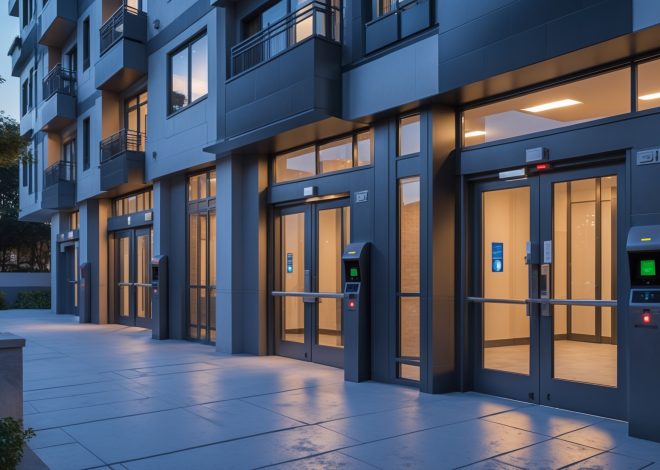
Many multi-unit and commercial properties require centralized fire alarm systems and, in some cases, automatic sprinklers. Requirements depend on building size, use, and local codes. Regular professional inspection and testing are mandatory for these systems.
5. Fire Safety Signage
Proper signage is often overlooked but essential, including:
- Exit signs above doors
- Evacuation maps
- Instructions for fire extinguisher use
- “No smoking” and hazard warnings in required areas
6. Building Materials and Fire Barriers
Compliance may require fire-rated doors, walls, and stairwells, especially in multifamily dwellings or commercial spaces. These barriers slow fire spread and provide crucial evacuation time.
Fire Safety Compliance Checklist: Step-by-Step for Property Owners
Step 1: Research Local and State Codes
Codes vary by jurisdiction. Start by:
- Contacting the local fire marshal or building department
- Reviewing state and municipal fire codes
- Joining local landlord associations for updates and guidance
Step 2: Conduct a Comprehensive Property Assessment
Walk through your property with a fire safety checklist. Inspect:
- Detector placement and functionality
- Extinguisher locations, tags, and pressure levels
- Exit routes and signage
- Electrical panels, appliance cords, and heating sources for hazards
- Presence and condition of fire doors and walls
Document deficiencies and prioritize corrections.
Step 3: Install and Maintain Required Equipment
Purchase only UL-listed (or equivalent) devices. Installation tips:
- Mount detectors on ceilings or high on walls, clear of vents or fans
- Install extinguishers per manufacturer and code instructions
- Label circuit breakers and post emergency contact info in common areas
Schedule annual professional inspections for alarms, extinguishers, and sprinkler systems.
Step 4: Create and Communicate an Evacuation Plan
- Draw clear evacuation maps for each floor and post visibly
- Provide tenants with written instructions on fire procedures
- Conduct annual or semi-annual evacuation drills in multifamily or commercial buildings
Step 5: Maintain Documentation
- Keep records of equipment purchases, inspections, and repairs
- Document tenant communications and fire drills
- Store digital and physical copies securely
These records may be requested by fire inspectors, insurance adjusters, or in legal proceedings.
Step 6: Schedule Regular Reviews and Upgrades
- Set calendar reminders for monthly, quarterly, and annual tasks
- Stay informed about code changes and upgrade requirements
- Replace outdated equipment proactively
Fire Safety Equipment Guide: What Every Property Needs
Smoke and CO Detectors
- Photoelectric and ionization detectors provide different advantages—install both types if possible
- Hardwired detectors with battery backup preferred in new construction
- Smart detectors can alert you and tenants via mobile devices
Fire Extinguishers
- Class A for ordinary combustibles (wood, paper)
- Class B for flammable liquids (kitchen, garage)
- Class C for electrical fires
- Many residential extinguishers are “ABC” rated
Make sure tenants know where extinguishers are and how to use them safely.
Fire Blankets
Especially useful for kitchens. They can quickly smother small pan fires or wrap around someone if clothing ignites.
Sprinkler Systems (Where Required)
- Required in many new multi-unit and commercial buildings
- Schedule professional inspection and maintenance annually
- Never block or paint over sprinkler heads
Emergency Lighting and Exit Signs
- Battery-powered emergency lights in hallways, stairwells, and exits
- Replace batteries annually and test regularly
- Use illuminated exit signs compliant with local codes
Fire Doors and Barriers
- Install self-closing fire doors in required areas
- Ensure fire-rated walls and ceilings are intact—no unauthorized penetrations
Inspection and Maintenance Schedule: Staying Proactive
| Task | Frequency |
|---|---|
| Test smoke/CO detectors | Monthly |
| Replace smoke/CO detector batteries | Annually |
| Replace smoke detectors | Every 10 years |
| Replace CO detectors | Every 5–7 years |
| Fire extinguisher inspection (visual) | Monthly |
| Fire extinguisher professional inspection | Annually |
| Alarm/sprinkler system professional testing | Annually (or as required) |
| Emergency lighting and signage check | Quarterly |
| Evacuation drills (multi-unit/commercial) | Annually or semi-annually |
Common Fire Safety Compliance Mistakes—and How to Avoid Them
- Ignoring code updates: Regulations change; stay informed via local authorities.
- Inadequate documentation: Keep thorough records—verbal assurances are not enough.
- Propping open fire doors: Never block or disable fire doors—they are critical for containment.
- Overlooking hidden hazards: Check attics, basements, and garages for combustibles and faulty wiring.
- Poor tenant education: Provide clear, regular fire safety instructions and reminders.
- Delaying equipment replacement: Replace expired detectors and extinguishers promptly.
Integrating Fire Safety into Property Management Operations
Tenant Communication
- Include fire safety rules in lease agreements
- Send annual reminders about evacuation plans and equipment locations
- Encourage tenants to report hazards immediately
Staff Training (for Larger Properties)
- Train maintenance and on-site staff on fire equipment use
- Designate fire wardens or floor captains in large buildings
- Drill staff on emergency procedures
Working with Local Fire Departments
- Request pre-incident planning walkthroughs
- Invite fire officials to tenant meetings or safety workshops
- Stay updated on local fire safety campaigns and resources
Fire Safety Compliance and Insurance: What You Need to Know
Insurance carriers increasingly require documented fire safety compliance, especially in high-risk areas. Non-compliance can result in higher premiums or denied claims. To ensure proper coverage:
- Review your policy for specific fire safety requirements
- Provide inspection records when requested
- Promptly address any insurer-identified deficiencies
- Consider additional coverage for business interruption and tenant relocation
Some insurers offer discounts for properties with advanced fire alarm and sprinkler systems. Ask your agent about available incentives.
Conclusion: Making Fire Safety a Sustainable Priority
Fire safety compliance is an ongoing, non-negotiable aspect of responsible property ownership. It isn’t just a box to check—it’s a culture you cultivate throughout your properties and among your tenants. By understanding the legal requirements, installing and maintaining proper equipment, training tenants and staff, and keeping meticulous records, you not only protect your investment from devastating loss but also demonstrate a genuine commitment to your community’s well-being.
Remember, fire safety is dynamic. As codes evolve and new technologies emerge, revisit your compliance strategy regularly. Foster open communication with tenants about fire hazards and emergency procedures. Use scheduled inspections and maintenance to catch small problems before they become major risks. Encourage a proactive mindset, where everyone in your property feels empowered to report hazards and participate in fire prevention.
Ultimately, your diligence makes a real difference. When a fire emergency happens, lives depend on the systems and habits you’ve put in place. Take the time to implement the steps outlined in this guide, and you’ll not only meet legal standards—you’ll exceed them, creating safer, more resilient properties for everyone who lives or works there.
4 thoughts on “Fire Safety Compliance in Real Estate: A Detailed Guide for Property Owners”
Leave a Reply


I’m getting ready to rent out my first single-family house, and I’m a bit overwhelmed by all the fire safety compliance rules mentioned here. How can I find out exactly which state or local fire codes apply to my property, and is there a checklist you recommend for new landlords?
The best way to find out which fire codes apply to your property is to contact your local fire department or city code enforcement office—they can provide the specific rules for your area. Many cities also post their landlord requirements online. For a checklist, focus on smoke and carbon monoxide detectors, fire extinguishers, clear exit routes, and regular inspections. Local agencies sometimes have sample checklists you can use as a starting point.
Could you go into more detail about what an inspection schedule might look like for a multi-unit apartment building? How often are landlords typically required to check fire safety equipment and systems?
For a multi-unit apartment building, inspections typically follow a set schedule. Commonly, landlords are required to check smoke detectors and emergency lighting at least once a year, and fire alarms are often tested every six months. Fire extinguishers should be inspected monthly and serviced annually. Sprinkler systems and fire doors usually require annual professional inspection. Local regulations may set stricter or more frequent requirements, so it’s important to confirm with your local fire authority.