
Seasonal HVAC Maintenance Checklist for Real Estate Owners: Protecting Value Year-Round
Introduction
Heating, ventilation, and air conditioning (HVAC) systems are the unsung heroes of real estate, quietly ensuring comfort and safety for tenants and property owners alike. Yet, these crucial systems are often neglected until a breakdown occurs—usually at the least convenient moment. For real estate owners, proactive HVAC maintenance isn’t just about keeping residents happy. It’s about protecting the property’s value, improving energy efficiency, extending equipment lifespan, and minimizing emergency repair costs. This comprehensive guide provides a detailed, season-by-season HVAC maintenance checklist tailored for real estate owners. Whether you own a single-family rental, a multifamily building, or commercial property, implementing a structured maintenance plan will help you safeguard your investment, comply with insurance or local regulations, and avoid the headaches of preventable failures. Let’s explore exactly what needs attention throughout the year, why these tasks matter, and how to organize an effective maintenance schedule that pays dividends in comfort, safety, and cost savings.
Why Seasonal HVAC Maintenance Matters for Real Estate Owners
Cost Savings and System Longevity
Regular HVAC maintenance reduces the likelihood of costly emergency repairs and extends the lifespan of expensive equipment. Well-maintained systems operate more efficiently, lowering utility bills and reducing wear and tear on critical components.
Tenant Satisfaction and Retention
For rental properties, reliable heating and cooling systems are among tenants’ top concerns. Proactive maintenance reduces complaints, increases lease renewals, and enhances your reputation as a responsive landlord or property manager.
Legal, Compliance, and Insurance Considerations
Many jurisdictions require landlords to maintain HVAC systems in safe, working order. Insurance policies may also have clauses about regular system upkeep. Failing to maintain HVAC systems could expose you to legal claims or denied insurance coverage in the event of property damage.
Spring HVAC Maintenance Checklist
Spring is the transitional season that bridges the cold of winter and the heat of summer. This is the ideal time to prepare your HVAC system for increased cooling demands.
- Replace or Clean Air Filters: Clogged filters restrict airflow, reduce efficiency, and strain components. Replace disposable filters or clean reusable ones every 1-3 months, but always before cooling season begins.
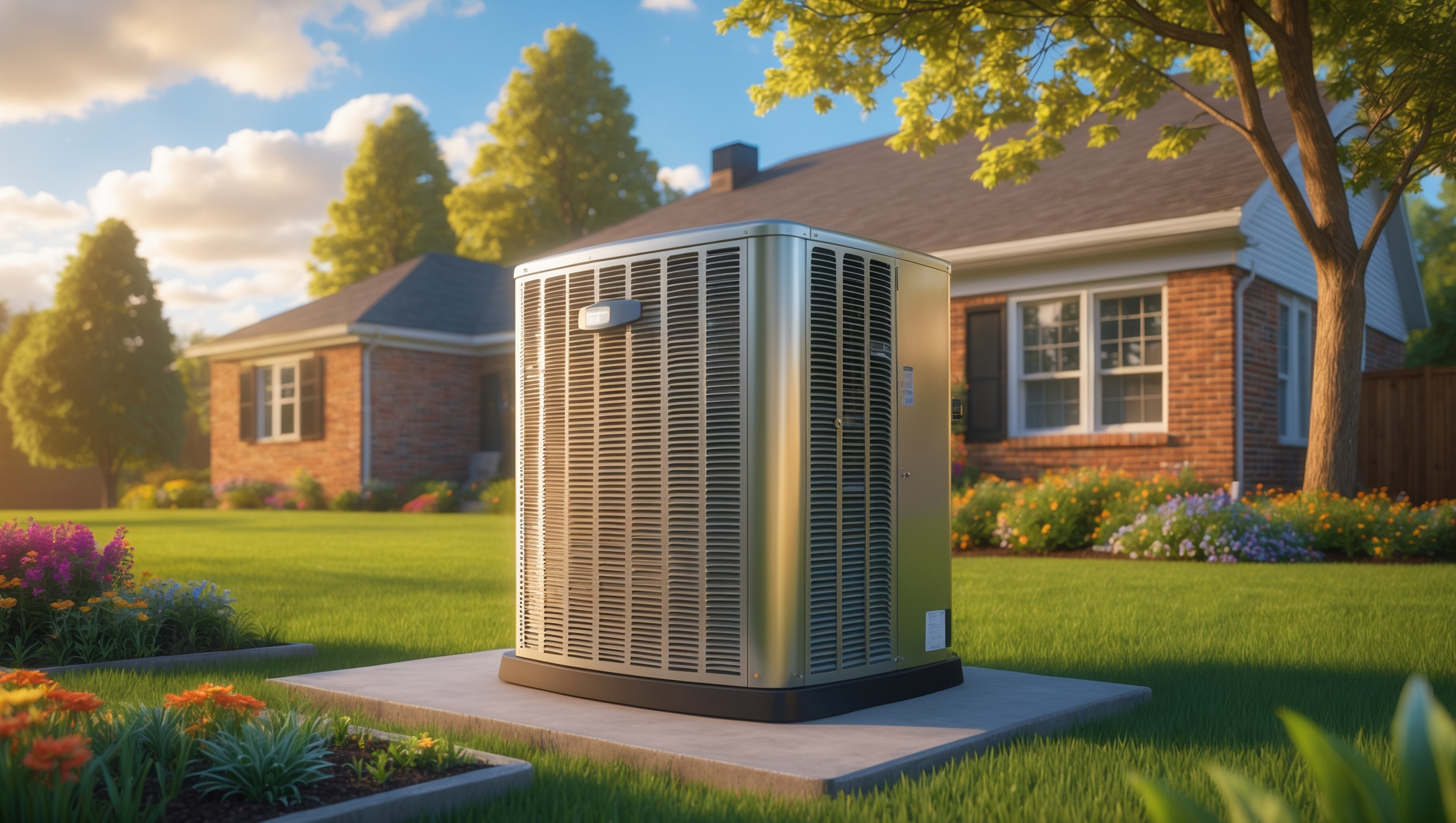
- Inspect Outdoor Condenser Units: Remove leaves, branches, and debris from around the unit. Clear at least two feet of space for optimal airflow. Check for visible coil damage or leaks.
- Check Refrigerant Lines: Examine insulation on refrigerant lines. Replace or repair any damaged insulation to maintain energy efficiency.
- Test System Controls: Run the cooling cycle to ensure the thermostat and controls engage the system properly. Listen for unusual noises or vibrations.
- Clean Condensate Drain Lines: Algae and debris can clog condensate drains, causing water damage or system shutdowns. Flush lines with a mild bleach solution or use a vacuum to clear blockages.
- Examine Ductwork: Inspect visible ducts for disconnected joints, leaks, or mold. Seal minor leaks with duct mastic or foil tape; consult professionals for larger issues.
- Schedule Professional Inspection: Arrange for a licensed HVAC technician to perform a pre-season tune-up, including checking refrigerant levels and system calibration.
Summer HVAC Maintenance Checklist
As temperatures rise, your cooling system works hardest. Preventative maintenance during summer ensures uninterrupted comfort and identifies issues before they become emergencies.
- Monitor Air Filters: Check filters monthly during peak season and replace as needed, especially in properties with pets or high occupancy.
- Clear Outdoor Unit Obstructions: Mow grass, trim shrubs, and remove any debris encroaching on the condenser unit. Overgrown vegetation impedes heat dissipation.
- Check Thermostat Settings: Verify programmable thermostats are set for energy-saving summer schedules. Consider smart thermostats for remote monitoring and tenant comfort.
- Clean Evaporator and Condenser Coils: Dirty coils reduce cooling capacity and efficiency. Carefully clean coils or arrange professional service to avoid damaging delicate fins.
- Inspect for Unusual Noises and Odors: Address rattling, squealing, or musty smells immediately—these can indicate worn belts, failing motors, or biological growth.
- Ensure Proper Drainage: Confirm condensate drains are still clear and draining away from the building foundation to prevent water damage.
- Review Tenant Communication: Remind tenants not to block vents with furniture or rugs and to alert you immediately to any cooling problems.
Fall HVAC Maintenance Checklist
Fall is the time to transition from cooling to heating. Prepping the system before cold weather hits reduces the risk of mid-winter breakdowns and ensures energy-efficient operation.
- Replace or Clean Air Filters: Begin the heating season with fresh filters to improve air quality and system performance.
- Inspect and Test the Furnace: Turn on the heating system and monitor for proper ignition, smooth operation, and any unusual sounds or odors.
- Clean Burners and Flame Sensors: Dirty burners or sensors can cause unreliable heating or safety shutdowns. Have a technician clean and inspect these components.
- Check Carbon Monoxide Detectors: Ensure detectors are installed outside sleeping areas and in utility rooms. Test batteries and replace units as needed for tenant safety and code compliance.
- Seal Duct Leaks and Insulation: Heat loss through leaks or poorly insulated ducts increases energy bills. Use duct mastic to seal gaps and add insulation where necessary.
- Inspect Blower Motor and Belts: Worn belts or dirty blower motors can cause system inefficiency or failure. Lubricate moving parts as recommended by manufacturer.
- Schedule Professional Furnace Tune-Up: Arrange for an HVAC technician to check gas pressure, heat exchangers, and system safety controls before peak heating season.
Winter HVAC Maintenance Checklist
During winter, heating systems operate at full capacity. Vigilance is critical to ensure safety, efficiency, and uninterrupted comfort for tenants or occupants.
- Monitor System Operation: Regularly check for consistent heating, unusual noises, or thermostat discrepancies. Respond quickly to any tenant-reported issues.
- Replace Filters Frequently: Increased system usage and closed windows mean more particles accumulate in filters. Check and replace every 1-2 months.
- Check and Clear Vents: Make sure supply and return vents are unobstructed by furniture, drapes, or storage items. Blocked vents strain the system and create cold spots.
- Inspect for Drafts and Insulation Gaps: Address cold drafts around windows, doors, and attic hatches to reduce heating load and improve tenant comfort.
- Monitor Carbon Monoxide and Smoke Detectors: Test devices monthly and replace batteries as needed. Heating system malfunctions are a leading source of carbon monoxide incidents.
- Plan for Emergency Response: Ensure tenants know how to report heating outages. Have a contingency plan for rapid repairs, especially during extreme cold.
Organizing and Tracking HVAC Maintenance for Multiple Properties
Digital Maintenance Logs
Use property management software or spreadsheet templates to track completed maintenance tasks, service dates, filter changes, repairs, and professional inspections. Digital logs improve accountability and make it easy to demonstrate compliance if needed.
Vendor Relationships and Service Contracts
Establish relationships with trusted HVAC contractors and consider annual or biannual service contracts. These often include discounted rates, priority scheduling, and reminders for seasonal tune-ups—reducing administrative burden and ensuring nothing falls through the cracks.
Tenant Communication Protocols
Develop clear communication protocols for tenants to report HVAC issues promptly. Provide contact information for after-hours emergencies and educate tenants about simple maintenance they can perform, such as cleaning vent covers or changing batteries in thermostats.
Proactive Upgrades: When Maintenance Isn’t Enough
No amount of maintenance can make an obsolete or failing HVAC system efficient or reliable. Recognize the signs that it’s time to upgrade:
- Frequent breakdowns despite regular maintenance
- Spiking utility bills with no other explanation
- System age exceeds typical lifespan (10-15 years for most residential units)
- Inconsistent temperatures or persistent comfort complaints
Modern systems offer improved energy efficiency, better tenant comfort, and advanced features like remote monitoring. Many utilities and municipalities offer rebates for upgrading to high-efficiency equipment, offsetting upfront costs.
Common HVAC Maintenance Mistakes Real Estate Owners Should Avoid
- Neglecting Regular Filter Changes: This is the single most common cause of HVAC problems and reduced efficiency.
- Skipping Professional Inspections: DIY maintenance can’t replace the expertise and diagnostic tools of a licensed technician.
- Ignoring Unusual Noises or Odors: Early intervention can prevent small problems from becoming catastrophic failures.
- Delaying Repairs: Small issues (like a loose belt or minor refrigerant leak) can escalate into major system damage if left unaddressed.
- Failing to Document Maintenance: Lack of records can create liability issues and reduce resale value.
Conclusion
HVAC maintenance is a cornerstone of responsible real estate ownership. By following a structured, seasonal checklist, property owners can maximize system efficiency, reduce operational costs, and deliver reliable comfort to tenants or occupants. Each season brings its own set of priorities—from prepping air conditioners in spring, to monitoring heating systems in winter, and everything in between. The investment in regular maintenance pays off through fewer emergencies, longer equipment lifespans, and happier tenants—outcomes that directly impact your bottom line and property value. Don’t overlook the importance of digital logs, professional partnerships, and proactive upgrades when warranted. Remember, the best time to address HVAC issues is before they disrupt your property’s operations or your tenants’ peace of mind. By adopting these best practices, you establish a reputation for diligence, care, and professionalism—qualities that set successful real estate owners apart. Start building your seasonal HVAC maintenance calendar today, and enjoy the long-term rewards of a well-maintained, high-value property portfolio.
4 thoughts on “Seasonal HVAC Maintenance Checklist for Real Estate Owners: Protecting Value Year-Round”
Leave a Reply

Related Posts
A Real Estate Investor’s Guide to Mold Prevention, Remediation, and Compliance
Navigating Asbestos in Real Estate: Identification, Compliance, and Safe Remediation
Could you elaborate on how often HVAC systems should be inspected each season for multifamily buildings compared to single-family rentals? I want to ensure I’m aligning with best practices and not over- or under-servicing my properties.
For multifamily buildings, it’s best to schedule HVAC inspections at least twice per year—once in the spring before cooling season and once in the fall before heating season. Given the higher usage and number of residents, some managers also do quarterly filter checks. For single-family rentals, biannual inspections (spring and fall) are generally sufficient unless you notice performance issues. This approach strikes a good balance between thorough maintenance and avoiding unnecessary service.
Do you have any recommendations for organizing and tracking seasonal HVAC maintenance tasks so nothing gets missed throughout the year, especially for those managing multiple properties?
For managing HVAC maintenance across multiple properties, consider creating a digital spreadsheet or using property management software with maintenance tracking features. List each property’s HVAC tasks by season, set due dates, and assign responsibilities. Setting calendar reminders or using task management apps can also help ensure nothing is missed. Regularly updating records after each completed task makes it easy to track progress and prepare for upcoming maintenance.