Real Estate Mold Prevention Strategies: Cost-Effective Solutions for Property Owners
Introduction
Mold is one of the most persistent threats to real estate, impacting everything from property value to tenant health and legal compliance. Whether you own a single rental unit or manage a multi-property portfolio, mold prevention demands proactive attention. Left unchecked, mold growth can lead to expensive remediation, structural damage, insurance headaches, and even lawsuits. Yet, many property owners underestimate the risks or misunderstand the most effective ways to keep their properties mold-free.
This comprehensive guide demystifies mold prevention for real estate owners, focusing on actionable and cost-effective strategies. We’ll break down the science behind mold growth, identify high-risk areas, and provide step-by-step solutions to control moisture—the root cause of most mold problems. You’ll learn how to prioritize upgrades, choose the right tools and materials, and adopt best practices that both minimize expenses and maximize long-term property health. We’ll also cover compliance essentials and insurance considerations, ensuring you’re protected from both visible and hidden liabilities. By the end, you’ll have a clear, practical action plan to protect your investment, avoid common pitfalls, and maintain a safe environment for occupants.
Understanding Mold and Its Risks in Real Estate
What Is Mold?
Mold is a type of fungus that thrives in moist, warm environments. It reproduces via airborne spores, which can settle on virtually any surface. Once established, mold feeds on organic materials like wood, drywall, carpet, and insulation. There are thousands of mold species, but a few—such as Stachybotrys chartarum (black mold)—are infamous for damaging structures and causing health problems.
Why Mold Matters to Property Owners
- Property Value: Visible mold or a history of mold issues can significantly reduce your property’s market value.
- Health Risks: Mold exposure is linked to respiratory problems, allergies, and in severe cases, neurological symptoms, increasing liability risks for landlords.
- Compliance: Many jurisdictions require property owners to disclose and remediate mold, especially in rental properties. Failure to comply can lead to fines and lawsuits.
- Insurance Complications: Most standard property insurance policies exclude mold damage unless caused by a covered peril. Proactive prevention reduces out-of-pocket costs.
The Science of Mold Growth: What You Need to Know
Essential Ingredients for Mold
- Moisture: The single most important factor. Mold will not grow without water.
- Food Source: Organic materials (wood, paper, carpets, drywall, insulation, dust).
- Temperature: Mold grows best between 77°F and 86°F (25°C–30°C) but can survive in a wider range.
- Oxygen: Mold needs air, but not light, to thrive.
Interrupting any one of these factors can halt mold growth—controlling moisture is by far the most effective strategy.
Identifying High-Risk Areas in Real Estate Properties
Not all spaces are equally vulnerable to mold. Recognizing high-risk zones allows you to focus your prevention efforts where they matter most.
- Basements and Crawl Spaces: Prone to seepage, high humidity, and poor ventilation.
- Bathrooms: Frequent water use, condensation, and inadequate ventilation make these rooms mold hotspots.
- Kitchens: Leaky pipes, under-sink cabinets, and appliances can create hidden moisture traps.
- Laundry Rooms: Washing machines, utility sinks, and exposed plumbing increase risk.
- Attics: Roof leaks, poor insulation, and blocked vents create ideal mold conditions.
- Windows and Exterior Walls: Condensation and poor flashing or caulking can allow moisture intrusion.
Cost-Effective Mold Prevention Strategies
1. Control Humidity Levels
Keeping indoor humidity below 60% (ideally 30–50%) is essential. Use a quality hygrometer ($10–$25) to monitor humidity in vulnerable areas.
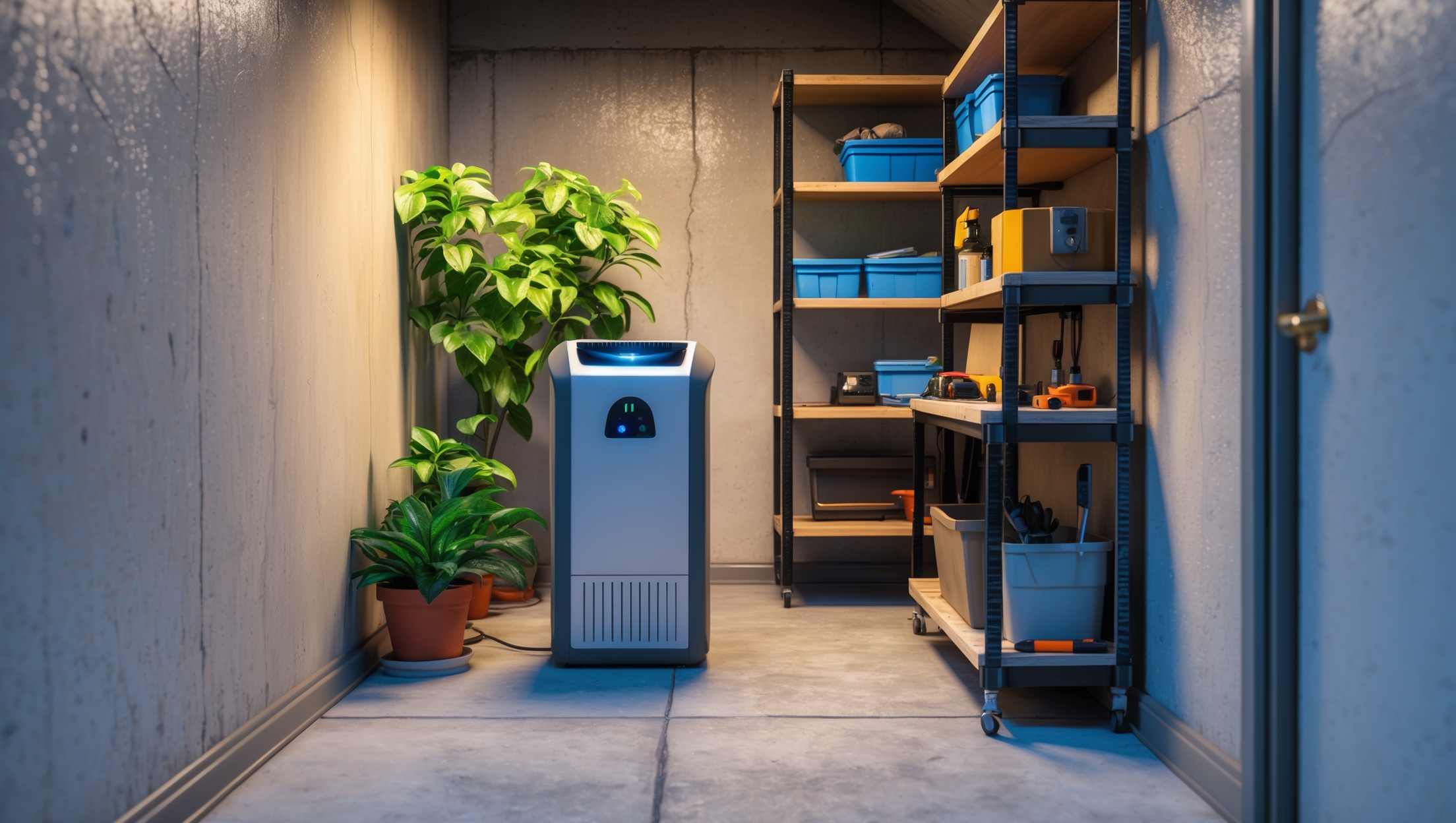
- Dehumidifiers: Invest in Energy Star-rated models for basements and crawl spaces ($200–$400 per unit). Empty water reservoirs regularly or use models with built-in pumps to drain automatically.
- Ventilation: Install or upgrade bathroom and kitchen exhaust fans (cost: $80–$250 per fan, plus installation). Ensure they vent outdoors, not into attics.
- Window Upgrades: Use double-pane or storm windows to minimize condensation. Apply window insulation film in winter as a temporary solution.
2. Address Water Intrusion Quickly
Prompt attention to leaks is critical for mold prevention. Delays of even 24–48 hours can allow mold to establish.
- Plumbing: Regularly inspect under sinks, behind toilets, and around appliances. Replace worn washers and supply hoses annually ($5–$20 per hose).
- Roof and Gutters: Clean gutters twice a year and inspect for leaks after storms. Use gutter guards to reduce debris accumulation ($3–$5/linear foot).
- Exterior Maintenance: Check caulking and flashing around windows and doors every spring and fall. Reseal as needed with exterior-grade silicone ($5–$10/tube).
3. Choose Mold-Resistant Materials
- Drywall: Use mold-resistant (green board or purple board) drywall in bathrooms, laundry rooms, and basements. The cost is about 20% higher than standard drywall but saves on future repairs.
- Paint: Apply anti-microbial/mildew-resistant paint in kitchens, baths, and laundry rooms ($30–$60/gallon).
- Flooring: Prefer tile, vinyl, or sealed concrete for below-grade spaces. Avoid carpet in basements and bathrooms.
4. Improve Drainage Around the Property
- Landscaping: Ensure soil slopes away from the foundation (at least 6 inches over 10 feet). This can be a DIY project with a shovel and a wheelbarrow.
- Downspouts: Extend downspouts at least 5 feet from the foundation. Extensions cost $10–$30 each.
- French Drains: For persistent problems, consider installing a French drain ($1,000–$3,000 for professional installation).
5. Regular Inspection and Maintenance
- Seasonal Checks: Inspect vulnerable areas (attics, basements, under sinks) at least twice a year. Look for discoloration, musty odors, and condensation.
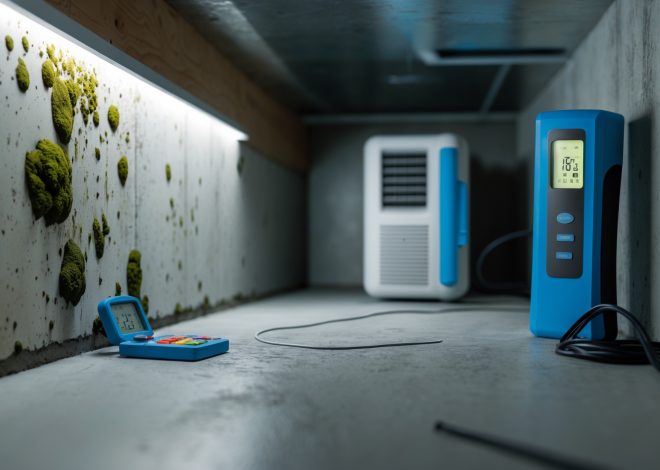
- Moisture Meters: Use a pinless moisture meter ($30–$80) to detect hidden dampness in walls and floors.
- Service Appliances: Clean and inspect HVAC drip pans, refrigerator coils, and washing machine hoses quarterly.
Budget Breakdown: Mold Prevention for Every Property Type
Starter Rental or Single-Family Home
- Hygrometer: $20
- Dehumidifier: $250
- Exhaust Fan Upgrade: $200
- Anti-Microbial Paint (2 gallons): $100
- Basic Caulking/Sealant: $30
- Total Estimated Cost: $600
Multi-Unit Property
- Hygrometers (3): $60
- Dehumidifiers (2): $500
- Exhaust Fans (3): $600
- Mold-Resistant Drywall (bath/kitchen upgrades): $500
- Downspout Extensions: $60
- Total Estimated Cost: $1,720
Older or High-Risk Properties
- French Drain: $2,000
- Gutter Guards: $300
- Mold-Resistant Flooring (partial upgrade): $1,200
- Total Estimated Cost: $3,500+
Prioritize according to risk: Start with humidity control and leak repairs, then phase in material upgrades as budget allows.
Tools and Equipment Guide for Mold Prevention
- Hygrometer: Essential for tracking indoor humidity. Choose models with digital readouts and high/low memory.
- Dehumidifier: Select by square footage and tank capacity. Models with automatic shut-off and pump drainage are ideal for unattended spaces.
- Moisture Meter: Pinless models are less invasive for finished surfaces. Look for ones with clear LCD readouts.
- Infrared Thermometer: Helps spot cold spots where condensation may form ($25–$50).
- Caulking Gun: For resealing windows, doors, and plumbing penetrations.
- Utility Knife and Pry Bar: For removing damaged materials if needed.
- Personal Protective Equipment (PPE): N95 masks, gloves, and goggles for safe inspection and minor cleanup.
Compliance and Disclosure: What Real Estate Owners Must Know
Legal Responsibilities
Most states require landlords to provide habitable, mold-free premises. Some have specific mold disclosure laws—California, Texas, and New York among them. You may be required to:
- Notify tenants promptly of known mold issues
- Remediate mold within a reasonable timeframe
- Disclose past or present mold problems during property sale
Documentation Best Practices
- Maintain written records of inspections, repairs, and tenant communications regarding moisture or mold.
- After any water event (leak, flood), document the mitigation steps with dated photos.
- Keep receipts for mold-resistant materials and professional services.
Insurance and Mold: Minimizing Risk and Maximizing Coverage
Typical Policy Exclusions
Most standard property insurance policies exclude mold damage unless it results from a covered peril (burst pipe, storm damage). Mold from ongoing leaks or poor maintenance is rarely covered.
Enhancing Your Coverage
- Endorsements: Some insurers offer mold-specific endorsements or riders for an additional premium. Weigh the cost against your property’s risk profile.
- Flood Insurance: If your property is in a flood zone, a separate flood insurance policy is a must (FEMA/NFIP or private carrier).
- Documentation: Good maintenance documentation helps defend claims and avoid denial for “owner neglect.”
Case Studies: Successful Mold Prevention in Action
Case Study 1: Basement Apartment in a Humid Climate
A small multifamily owner in Atlanta struggled with recurring musty odors and tenant complaints in a basement unit. By installing a 70-pint dehumidifier, replacing carpet with luxury vinyl tile, resealing foundation cracks, and upgrading bathroom ventilation, annual mold remediation costs dropped from $1,200 to less than $100 for filter replacements and periodic inspections. Tenant satisfaction and retention improved, and the property’s value increased due to a cleaner inspection record.
Case Study 2: 1970s Suburban Home with Attic Issues
A rental house in the Midwest developed attic mold after a roof leak went unnoticed for two months. The owner invested in better attic insulation, installed a solar-powered attic fan, and fixed flashing around roof penetrations. Since these upgrades, no mold recurrences have been reported, and energy costs dropped by 10% due to improved ventilation.
Step-by-Step Mold Prevention Setup for New Property Owners
- Step 1: Inspect all plumbing, roofing, and exterior caulking for leaks. Repair immediately.
- Step 2: Purchase a hygrometer and monitor humidity in basements, crawl spaces, and bathrooms.
- Step 3: Install dehumidifiers in any area where humidity exceeds 60%.
- Step 4: Upgrade or install exhaust fans in bathrooms and kitchens, ensuring they vent outdoors.
- Step 5: Apply anti-microbial paint and use mold-resistant drywall for any renovations in high-moisture rooms.
- Step 6: Extend downspouts and regrade landscaping to keep water away from the foundation.
- Step 7: Log all actions and keep maintenance records for compliance and insurance purposes.
Common Mold Prevention Myths Debunked
- Myth: “Bleach kills all mold.”
Reality: Bleach may remove surface mold but does not penetrate porous materials or prevent regrowth. Address the underlying moisture instead. - Myth: “If you can’t see mold, you don’t have a problem.”
Reality: Mold often grows behind walls or under flooring. Musty odors and unexplained allergies are warning signs. - Myth: “Mold-resistant products are only for new construction.”
Reality: Many can be retrofitted during renovations or repairs.
Conclusion
Proactive mold prevention is one of the smartest investments a real estate owner can make. Mold is not just an aesthetic nuisance; it threatens your property’s structural integrity, marketability, and legal standing. Fortunately, you don’t need to spend a fortune to drastically reduce your risk. By understanding how mold develops, focusing on moisture control, using the right materials, and performing regular inspections, you can outsmart this persistent threat.
The most successful property owners treat mold prevention as an ongoing process, not a one-time fix. They prioritize quick repairs, embrace modern ventilation and dehumidification solutions, and meticulously document their efforts for compliance and insurance purposes. Whether you manage a single rental or a multi-unit building, the steps outlined in this guide will help you maintain safe, healthy living environments, minimize costly surprises, and protect your investment for years to come.
Don’t wait for the musty smell or the dreaded inspection notice. Start implementing these practical, budget-friendly mold prevention strategies today—and enjoy the peace of mind that comes with a truly well-maintained property.
68 thoughts on “Real Estate Mold Prevention Strategies: Cost-Effective Solutions for Property Owners”
Leave a Reply



The article mentions legal compliance and insurance considerations related to mold. What are some common mistakes property owners make in this area that could lead to lawsuits or denied claims?
Common mistakes include failing to disclose known mold issues to tenants or buyers, which can lead to lawsuits for misrepresentation. Many owners also neglect regular inspections and documentation, making it hard to prove maintenance efforts to insurers. Using unlicensed contractors for mold remediation is another pitfall that may violate insurance policies or local laws, resulting in denied claims or fines.
After quickly addressing an isolated mold issue in my property, should I be worried about lingering spores or future outbreaks if the initial cause has been fixed, or are there ongoing checks I should schedule?
If you’ve fixed the root cause, like a leak or humidity problem, that’s a big step in preventing future mold issues. However, mold spores can linger, so it’s wise to monitor for any musty smells, discoloration, or damp spots. Scheduling periodic inspections, especially in previously affected areas, can help catch any new outbreaks early and keep your property mold-free.
You talked about different tools and materials for keeping a property mold-free. Are there any low-maintenance options you recommend for someone who isn’t very handy with repairs?
Yes, there are low-maintenance options for preventing mold, even if you aren’t handy. Consider using moisture-absorbing products like silica gel or dehumidifiers, which simply require plug-in and occasional emptying. Installing vent fans in bathrooms and kitchens is a one-time task that pays off long-term. Regularly opening windows for airflow and wiping down damp surfaces also helps, without needing tools or repairs.
You talked about compliance essentials and insurance considerations. For property owners managing multiple units, how often do you suggest formal mold inspections to stay ahead of potential legal or insurance pitfalls?
For property owners with multiple units, scheduling formal mold inspections annually is a solid practice. However, if your properties are in humid climates or have a history of moisture issues, consider inspections every six months. Regular inspections help demonstrate due diligence for both legal compliance and insurance requirements, reducing the risk of costly claims or disputes.
The article mentions that controlling moisture is the root cause of most mold problems. Could you provide more detail on the most effective and affordable ways to manage humidity levels in older properties with poor ventilation?
To manage humidity in older homes with poor ventilation, consider using portable dehumidifiers in damp areas like basements or bathrooms, which are affordable and effective. Repair leaks promptly and keep gutters clear to prevent water intrusion. If possible, add vent fans in kitchens and bathrooms. Also, try to keep furniture a few inches from walls to promote air circulation and avoid drying clothes indoors. These steps can help control moisture without major renovations.
After reading about the health and property value risks, I’m curious—do you have any tips for spotting hidden mold early, before it becomes a serious and expensive issue?
Absolutely—early detection is key to avoiding major mold problems. Check for musty odors, water stains on walls or ceilings, and any bubbling paint or wallpaper. Pay close attention to damp areas like basements, under sinks, and around windows. Using a flashlight to inspect dark corners and behind furniture can help find hidden growth. Regularly checking and promptly drying any leaks can also make a big difference.
For those of us dealing with properties in humid climates, are there any additional steps or best practices beyond what you outlined that you would recommend to maximize mold prevention?
In humid climates, it’s especially important to use dehumidifiers in key areas like basements and bathrooms, and to ensure air conditioning systems are well-maintained to control indoor humidity. Regularly check and seal any leaks or gaps around windows and doors, and use mold-resistant paints and materials where possible. Encouraging good ventilation, even in closets or storage spaces, can also make a big difference in mold prevention.
If a property has already had minor mold issues in the past, what step-by-step action plan would you suggest to make sure remediation is both cost-effective and compliant with legal requirements?
To address previous minor mold issues cost-effectively and legally, start by identifying and fixing sources of moisture, such as leaks or poor ventilation. Clean affected areas with appropriate cleaning solutions and safely dispose of contaminated materials. Keep records of the remediation process and any repairs. Monitor humidity with dehumidifiers if needed. Check local regulations to ensure compliance, as some areas require disclosure or specific remediation steps. Regular inspections will help prevent future outbreaks.
You mention adopting best practices to minimize expenses while maximizing long-term property health. Are there routine maintenance checks or schedules you suggest to catch mold risks early before they become expensive problems?
Yes, routine maintenance is key to preventing mold issues. Inspect high-risk areas like bathrooms, kitchens, basements, and anywhere moisture collects at least once a month. Check for leaks under sinks, around windows, and near appliances. Clean gutters and downspouts regularly to prevent water buildup. Also, test humidity levels and ensure proper ventilation, especially after storms or heavy rain. Setting a quarterly schedule for these checks helps catch problems early and keeps costs down.
I’ve got an older rental and lots of different materials (like wood floors and drywall). Are there specific tools or products you’d recommend to help prevent mold on these surfaces, or is addressing moisture enough?
Addressing moisture is the most important step, but using specific products can give added protection. For wood floors, consider applying a mold-resistant sealant to help block moisture. For drywall, look into mold-resistant paints and primers. Investing in a good dehumidifier and a quality hygrometer to monitor humidity levels throughout the property can also make a big difference in preventing mold growth.
For property owners managing multiple units, do you recommend a different approach for controlling mold in shared spaces like hallways or laundry rooms compared to individual apartments? I’d appreciate some practical advice on balancing cost and effectiveness.
For shared spaces like hallways or laundry rooms, it’s important to focus on regular inspections, consistent cleaning, and good ventilation since these areas usually see higher traffic and humidity. Consider installing dehumidifiers or exhaust fans where moisture is common. In individual apartments, educating tenants on prompt reporting of leaks and proper ventilation in kitchens and bathrooms is key. Preventive maintenance in common areas can be scheduled less frequently but more thoroughly, helping balance costs while staying effective.
You mentioned legal compliance and insurance considerations related to mold. What are some common mistakes landlords make in this area that could lead to problems down the line?
Common mistakes landlords make include failing to disclose known mold issues to tenants, neglecting prompt repair of leaks or water damage, and not keeping documentation of inspections or remediation efforts. Some also misunderstand their insurance coverage, assuming all mold damage is covered when it often isn’t. Overlooking local or state regulations on mold remediation can also result in fines or legal disputes.
If a property already has a mold issue but remediation is not yet in the budget, are there temporary steps owners can take to minimize health risks or further structural damage until professional help is possible?
If remediation must be delayed, there are a few temporary steps you can take. Try to keep the affected area as dry and well-ventilated as possible, since mold thrives in moisture. Use dehumidifiers or fans if safe to do so, and fix any leaks immediately. Limit access to the area, especially for vulnerable individuals. Remember, these measures may help reduce risks, but professional removal should be done as soon as feasible.
I’m curious about the insurance headaches you referenced. Are there requirements insurers commonly have about mold prevention that property owners might overlook, especially in multi-unit buildings?
Insurers often require property owners to show regular maintenance and inspection records, especially in multi-unit buildings. They may want proof that leaks are fixed quickly, ventilation systems are maintained, and any moisture issues are addressed promptly. Overlooking documentation or failing to establish clear mold prevention protocols can lead to denied claims or higher premiums. It’s a good idea to review your policy details and make sure your building management practices meet your insurer’s standards.
You mention choosing the right tools and materials for mold prevention. Are there any specific brands or types of products you recommend for long-term durability, especially for properties in humid climates?
For properties in humid climates, it’s smart to choose mold-resistant materials like mold-resistant drywall (often labeled as ‘green board’), moisture-resistant paints, and high-quality dehumidifiers. Brands such as Zinsser and Benjamin Moore offer mold-resistant paints, while AprilAire and Frigidaire make reliable dehumidifiers. For sealants and caulks, GE and DAP are known for their durability. Focusing on these types of products can provide long-term protection against mold growth.
Could you expand a bit on insurance considerations related to mold? I’ve heard some policies don’t cover mold damage at all. Are there particular questions I should ask my insurance provider to make sure I’m actually protected?
You’re right—many standard property insurance policies exclude mold damage or only cover it in very limited situations, like when it results from a covered peril (such as a burst pipe). It’s wise to ask your insurance provider if mold damage is covered, what specific scenarios are included or excluded, coverage limits, and whether mold remediation riders or endorsements are available to add on. Also, clarify the claim process for mold-related issues and any preventive maintenance requirements.
Once I’ve dealt with an existing mold issue, how often should I be checking or maintaining the property to ensure it doesn’t come back? Is there a standard schedule property owners should follow?
After addressing a mold problem, it’s wise to inspect key areas for moisture or mold every month, especially in basements, bathrooms, and around windows. At minimum, a thorough check each season (every 3–4 months) helps catch issues early. Maintenance like cleaning gutters, checking for leaks, and ensuring proper ventilation should also be scheduled seasonally. This routine helps prevent mold from returning and keeps your property in good shape.
Could you expand on what compliance essentials property owners need to be aware of in relation to mold prevention? Are there any federal or state regulations I should be looking into for residential properties?
Property owners need to ensure their buildings meet local health and building codes related to indoor air quality and moisture control. Federally, the EPA offers guidelines, but there are no specific national mold regulations for residential properties. However, some states and municipalities have their own rules regarding disclosure of mold issues and remediation standards. It’s important to check with your state’s health department or housing authority for any specific laws, requirements, or disclosure obligations in your area.
I noticed you mentioned that mold can significantly decrease property value and even bring legal issues. What are some early warning signs I should look out for as a landlord before things get out of hand?
Early warning signs of mold include musty odors, visible spots or discoloration on walls and ceilings, increased humidity, and condensation on windows or pipes. Tenants mentioning allergy-like symptoms or persistent respiratory issues can also be a clue. Regularly inspect areas prone to moisture, such as bathrooms, basements, and behind appliances, to catch problems before they escalate.
You mention insurance considerations related to mold issues—can you expand on what specific types of insurance coverage property owners should look into for mold-related damage?
Property owners should look into property insurance policies that specifically include mold coverage, as many standard policies exclude mold-related damage. It’s also a good idea to ask about riders or endorsements that can be added to cover mold cleanup and repairs. Additionally, some companies offer environmental liability insurance, which may provide broader protection against mold and other environmental hazards. Always review policy limits, exclusions, and requirements for maintenance to make sure you’re adequately covered.
For property owners on a tight budget, which upgrades or preventive measures should be prioritized first to get the most impact in mold prevention, especially in humid climates?
For property owners on a budget, start by improving ventilation in areas prone to moisture, such as bathrooms, kitchens, and basements. Use exhaust fans or open windows when possible. Fix any leaks in roofs, pipes, or windows quickly, as water intrusion is a major cause of mold. Investing in a dehumidifier for particularly humid rooms can also make a big difference without a large upfront cost.
You mention compliance and insurance considerations—what are some common legal or insurance mistakes property owners make when it comes to mold, and how can I avoid them?
A common legal mistake is failing to disclose past or present mold issues to tenants or buyers, which can lead to lawsuits. On the insurance side, some owners assume their policy covers mold damage, but many policies exclude it or require specific riders. To avoid problems, always disclose mold history, keep detailed records of inspections and remediation, and review your insurance coverage with your provider to ensure mold-related issues are included.
The article talks about identifying high-risk areas for mold. I have several properties in humid regions—is there a checklist or main warning signs I should focus on during routine inspections to catch moisture problems early?
Yes, focusing on a checklist during inspections can really help. Watch for visible water stains on walls or ceilings, musty odors, condensation on windows, peeling paint, and warped floors. Check behind appliances, under sinks, around windows, and in basements or crawl spaces. Look for discoloration or spots on walls and ceilings, especially in bathrooms and kitchens. Regularly inspecting these areas should help you catch moisture problems early in humid properties.
How should property owners balance the upfront costs of mold prevention strategies with potential long-term savings on remediation and insurance? Is there data or a rule of thumb you suggest for making these cost-effective decisions?
Balancing upfront costs with long-term savings usually involves considering the local risk of mold, the property’s value, and your budget. While there’s no universal rule, many experts suggest that investing 1–3% of your property’s value in mold prevention can save much more on future remediation and insurance hikes. Property owners often find that early prevention pays off by avoiding costly repairs and potential health issues.
How quickly can mold become a significant problem once moisture is present in drywall or carpet? I’m trying to figure out how often I need to inspect high-risk areas to keep my property protected.
Mold can begin to develop within 24 to 48 hours after moisture gets into drywall or carpet. Because growth can happen so quickly, it’s important to inspect high-risk areas at least once a week, especially during humid or wet periods. If you notice any leaks or water intrusion, address them promptly and check affected areas immediately to prevent mold from becoming a significant issue.
How quickly can mold actually become a serious problem if there’s a leak in the building that’s not addressed immediately? I’m trying to figure out how tight my response time should be for maintenance calls about water issues.
Mold can begin to develop within 24 to 48 hours of a leak or water intrusion if the area stays damp. If left unchecked, it can become a serious problem in just a few days, potentially causing property damage and health risks. It’s best to respond to water issues as quickly as possible—ideally within 24 hours—to prevent mold growth and minimize repair costs.
You mention insurance headaches related to mold. Could you clarify what types of coverage are ideal for landlords to avoid liability, and are there any common exclusions we should be aware of?
Landlords should look for property insurance that includes specific mold coverage, often called ‘mold remediation coverage.’ This helps with cleanup costs and liability claims if tenants are affected. However, standard policies often exclude mold resulting from ongoing leaks, neglect, or long-term moisture issues. It’s important to review your policy for these exclusions and consider an endorsement if mold coverage isn’t included by default.
I manage a couple of rental units and have had moisture issues in the basements. Can you clarify what specific tools or materials are most effective for controlling moisture in those high-risk areas, especially in humid climates?
To control moisture in basement areas, especially in humid climates, consider using a combination of dehumidifiers, vapor barriers, and sump pumps. Dehumidifiers help maintain lower humidity levels, while vapor barriers on walls and floors block moisture from seeping in. Make sure gutters and downspouts direct water away from the foundation, and fix any foundation cracks. Using moisture-resistant insulation and regularly checking for leaks can also be very effective.
Could you expand on the insurance considerations you referenced? Specifically, are there certain policy types or riders that provide better coverage for mold-related damages in residential rental properties?
Insurance coverage for mold-related damages can vary widely between providers and policies. Standard landlord insurance often has limited or excluded mold coverage. To address this gap, you can look for endorsements or riders, sometimes called mold remediation or fungus coverage, that specifically add protection for mold issues. Always review policy exclusions and limits carefully, and consider discussing your rental property’s needs with your agent to ensure you have adequate protection for potential mold problems.
The article mentions insurance headaches related to mold. Could you explain what sort of insurance coverage property owners should look for, or if there are common exclusions we need to watch out for?
Mold damage is often excluded or limited in standard property insurance policies, so it’s important to read the coverage details closely. Some insurers offer a mold endorsement or rider that adds protection, but these typically come with specific limits and conditions. Common exclusions involve mold resulting from long-term leaks or neglect. Always ask your insurer about what’s covered, what’s not, and consider supplemental coverage if your property is in a high-risk area.
If a small patch of mold keeps coming back even after cleaning and minor repairs, what would you suggest as the next step before hiring a professional remediation company?
If mold keeps returning despite cleaning and making minor repairs, it’s likely that moisture is still getting in. First, inspect the area closely for hidden leaks, poor ventilation, or condensation issues. Address any sources of dampness, such as fixing leaks or using a dehumidifier. If mold persists after these steps, it may be time to consult a professional.
I saw that you recommend best practices for ongoing maintenance to keep mold away. Does that mean routine air duct cleaning and regular tenant checks, or are there other specific steps I should be adding to my checklist?
Routine air duct cleaning and regular tenant checks are excellent starts for ongoing mold prevention. In addition, it’s important to monitor humidity levels, fix leaks quickly, ensure proper ventilation in bathrooms and kitchens, and inspect for water damage after storms. Adding these steps to your maintenance checklist helps address the most common causes of mold before they become bigger issues.
If I’m managing multiple rental properties, what routine checks or maintenance tasks should I schedule throughout the year to minimize both the cost and risk of mold growth?
For multiple rental properties, it’s smart to schedule quarterly inspections of plumbing, bathrooms, and basements for leaks or moisture. Ensure gutters and downspouts are cleaned each spring and fall to prevent water buildup. Regularly check HVAC systems and change filters to reduce humidity. Also, make sure tenants report spills and leaks right away and keep areas well ventilated, especially in kitchens and bathrooms. These routine tasks help catch issues early and minimize mold-related expenses.
You mention insurance considerations related to mold, but are there specific policy types or endorsements that are particularly important for landlords to review or add to their coverage?
Yes, landlords should pay close attention to their property insurance policies regarding mold. Many standard policies have limited or excluded mold coverage, so it’s wise to look for a mold-specific endorsement or rider. Also, check if your policy offers coverage for water damage, as this often relates to mold claims. Discuss these options with your insurance agent to ensure you have adequate protection.