
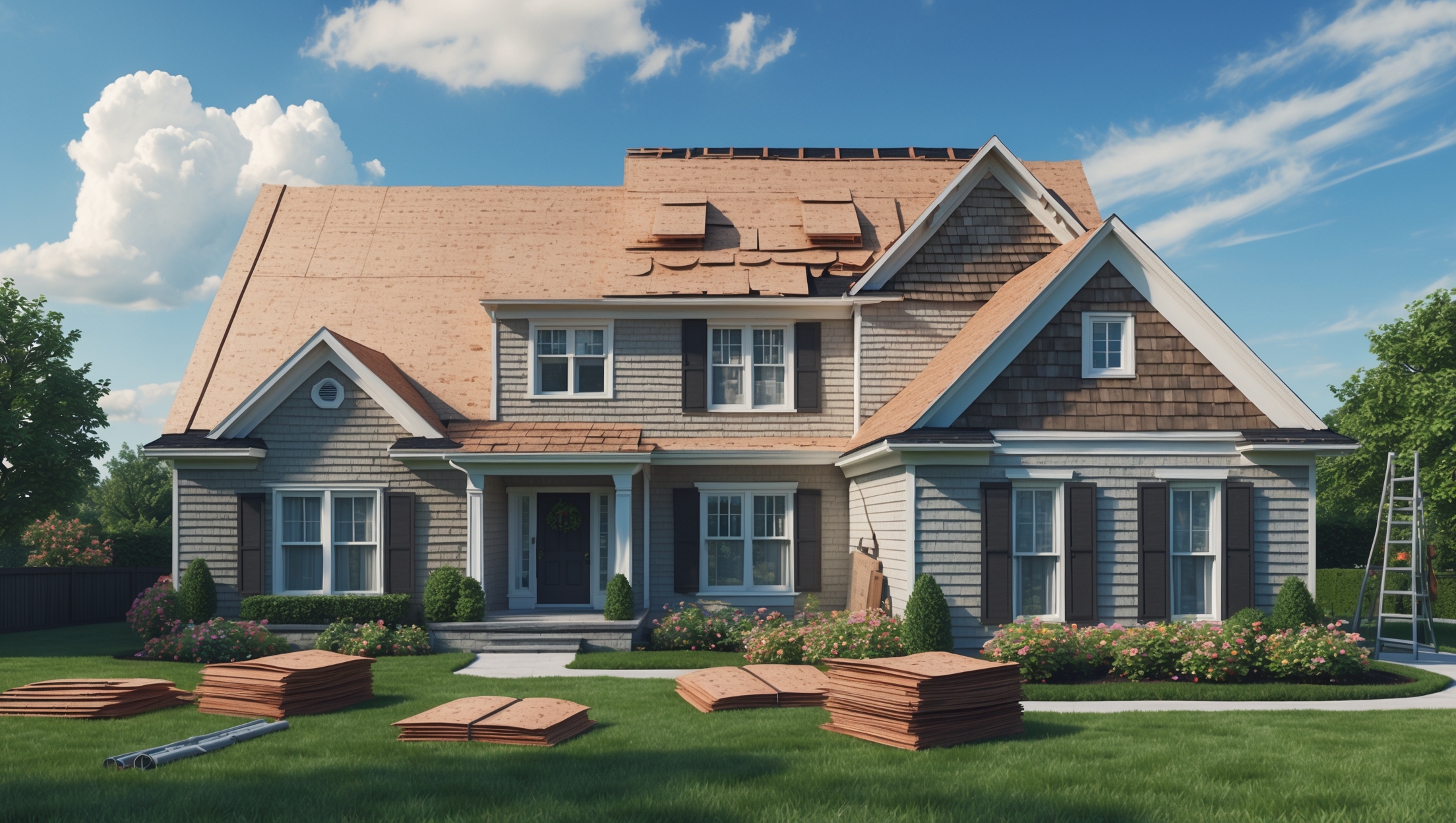
Real Estate Roof Replacement: Budgeting, Permit Steps, and Avoiding Costly Errors
Introduction: Why Roof Replacement Demands Careful Planning in Real Estate
Replacing a roof is one of the most significant investments a real estate owner or investor can make. Whether you own a single-family rental, a multifamily property, or are preparing a home for sale, a roof replacement impacts not only your property’s value and curb appeal but also its safety, insurability, and compliance with local regulations. Unfortunately, many owners underestimate the complexity and cost of roof replacement projects, leading to budget overruns, permit issues, and even structural problems that could have been prevented. In this comprehensive guide, we’ll walk you through the essential steps to plan a successful roof replacement—covering realistic budgeting, permit and compliance requirements, how to select materials, and the most common errors to avoid. If you want your roof replacement project to go smoothly, protect your investment, and minimize surprises, this post is your blueprint for success.
Understanding When Roof Replacement Is Necessary
Signs Your Property Needs a New Roof
- Age: Most asphalt shingle roofs last 20–25 years; other materials vary.
- Widespread Leaks: Persistent or multiple leaks indicate failure beyond minor repair.
- Major Shingle Damage: Curling, missing, or cracked shingles across large areas.
- Structural Sagging: Decking appears uneven or droops in places.
- Granule Loss: Significant granules in gutters or downspouts.
- Storm or Hail Damage: Large-scale loss or punctures after severe weather.
Inspection: DIY vs. Professional Assessment
While you can spot obvious problems from the ground, a professional roof inspection is essential before planning a replacement. Inspectors look for hidden damage, ventilation issues, and underlying structural concerns that could impact your project’s scope and cost.
Budgeting for Roof Replacement: What to Expect
Typical Cost Breakdown
- Materials (40%–50%): Shingles, underlayment, flashing, vents, etc.
- Labor (40%–50%): Removal, installation, cleanup.
- Disposal (5%–10%): Dump fees for old roofing.
- Permits & Inspections (1%–5%): Varies by municipality.
- Contingency (10%+): Unexpected decking repairs, rot, or code upgrades.
National Averages: Asphalt shingle replacements typically cost $5,000–$12,000 for a 2,000 sq. ft. roof. Tile, metal, and specialty materials can double or triple the cost.
Factors Affecting Your Roofing Budget
- Roof Size and Shape: Steep or complex roofs require more labor and safety equipment.
- Material Choice: Asphalt, architectural shingle, metal, tile, or slate.
- Local Labor Rates: Urban vs. rural markets differ widely.
- Existing Conditions: Multiple existing layers, rotted decking, or code upgrades.
- Access and Logistics: Difficult terrain, limited driveway access, or multi-story buildings increase costs.
Requesting and Comparing Estimates
- Obtain at least three bids from licensed contractors.
- Ensure each estimate details materials, labor, permits, and warranty terms.
- Watch for unusually low bids—these often signal subpar materials or skipped steps.
Permits and Compliance: What Real Estate Owners Must Know
Do You Need a Permit to Replace a Roof?
Most municipalities require a building permit for full roof replacements. Permit requirements ensure work meets local building codes and safety standards, and insurance often depends on permitted work. Skipping permits can result in fines, forced re-dos, or coverage denial after a loss.
How to Obtain a Roofing Permit
- Check your city or county building department website for application forms and requirements.
- Submit roofing plans and material specifications if required.
- Pay the applicable permit fee (typically $100–$500).
- Wait for approval and display the permit prominently on-site.
- Schedule required inspections during and after the project.
Common Compliance Hurdles
- HOA Rules: Homeowners’ associations may dictate color, material, or style.
- Historic Districts: Require specific, sometimes more costly, approved roofing materials.
- Fire, Wind, or Hail Codes: Some areas require impact-resistant or fire-rated shingles.
- Number of Layers: Most codes allow no more than two layers of shingles; otherwise, a full tear-off is mandatory.
Roofing Material Options: Pros, Cons, and Cost Comparison
Popular Materials for Real Estate Owners
- Asphalt Shingles: Most common, affordable, 20–30 year lifespan, wide style range.
- Architectural Shingles: Thicker, longer-lasting, better wind resistance.
- Metal Roofing: Durable, fire-resistant, 40–70 year lifespan, higher upfront cost, potential insurance savings.
- Tile (Clay or Concrete): Long-lasting, heavy, suited for specific architectural styles, expensive to install and repair.
- Slate: Extremely durable, costly, requires reinforced framing.
How to Choose the Right Material
- Budget: Materials and installation costs vary widely.
- Climate: Metal or tile suits hot/sunny climates; impact-resistant shingles for hail zones.
- HOA/Local Codes: Check for restrictions.
- Resale Value: Premium materials may boost property value in competitive markets.
Step-by-Step Roof Replacement Process
1. Preparation
- Obtain all necessary permits.
- Notify tenants/neighbors of the project timeline and noise.
- Clear vehicles, outdoor furniture, and valuables from around the house.
- Protect landscaping with tarps if necessary.
2. Old Roof Removal
- Contractor removes all existing shingles and underlayment down to the deck (unless only one layer is present and local code allows an overlay).
- Discard old roofing materials in a dumpster.
- Inspect the wood decking for rot, mold, or damage—replace as needed.
3. Deck & Flashing Repairs
- Replace any damaged or rotted sheathing.
- Install/repair flashing around chimneys, vents, and intersections.
4. Underlayment and Ventilation
- Install ice and water shield in vulnerable areas (eaves, valleys, around penetrations).
- Lay synthetic or felt underlayment across the roof surface.
- Check/upgrade attic ventilation to prevent heat and moisture buildup.
5. Installing New Roofing
- Shingles, tiles, or metal panels are installed according to manufacturer guidelines and local codes.
- Pay special attention to starter strips, ridge caps, and nailing patterns.
6. Final Inspection and Cleanup
- City/county inspector reviews the completed work, ensuring code compliance.
- Contractor removes debris, nails, and leftover materials from the property.
- Provide warranty documentation and care instructions.
Common Roof Replacement Mistakes (and How to Avoid Them)
1. Underestimating the Budget
Many owners neglect to include contingency funds for hidden damage or code upgrades. Always set aside at least 10–15% extra for surprises.
2. Skipping Permits
Contractors occasionally offer to bypass permits to save time or money. This is a major liability for property owners and may void insurance coverage. Always insist on permitted work.
3. Hiring Unlicensed or Uninsured Contractors
Low bids from unlicensed contractors can result in poor workmanship, legal exposure, and lack of warranty coverage. Verify licensing, insurance, and references before signing any contract.
4. Ignoring Attic Ventilation
Poor ventilation leads to premature roof failure, mold, and higher energy bills. Ensure your contractor evaluates and improves ventilation as needed during the project.
5. Overlaying New Shingles on Old
While allowed in some areas, installing new shingles over old ones hides deck problems and shortens roof life. Full tear-off is best practice for most real estate investments.
Insurance Considerations for Roof Replacement
Will Insurance Cover My New Roof?
Standard property insurance typically covers roof replacement only for sudden, accidental damage (like hail or wind). Age-related wear is not covered. If your roof is damaged by a covered peril, document the damage before repairs and work closely with your adjuster. If replacing due to age, expect to pay out-of-pocket.
Post-Replacement Discounts and Documentation
- Submit proof of new roofing to your insurer for potential premium discounts (impact-resistant or fire-rated materials).
- Keep copies of permits, contracts, and warranties for future claims or property sales.
Maximizing Long-Term Value from Your New Roof
Warranty Essentials
- Manufacturer Warranty: Covers defects in roofing materials, typically 20–50 years (prorated).
- Workmanship Warranty: Covers installation errors, usually 1–10 years. Ensure this is in writing and transferable to new owners.
Maintenance After Replacement
- Conduct annual roof and attic inspections to catch minor issues early.
- Keep gutters clear to prevent water backup and ice dams.
- Trim overhanging trees and remove debris after storms.
- Address small repairs promptly to avoid voiding warranties.
Conclusion: Protecting Your Real Estate Investment with Smart Roof Replacement
A roof replacement is more than a simple upgrade—it’s a critical investment in your property’s longevity, value, and safety. By understanding the true costs, navigating permit and compliance requirements, choosing the right materials, and hiring reputable contractors, you can avoid the pitfalls that lead to costly mistakes or legal headaches. Remember, shortcuts and cost-cutting in roofing often backfire, resulting in leaks, code violations, or insurance denials. Instead, approach your roof replacement as a project that requires diligence and a willingness to invest for the long term. With proactive maintenance and proper documentation, your new roof will protect your property, attract tenants or buyers, and provide peace of mind for decades to come. If you’re prepared, informed, and work with trustworthy professionals, your roof replacement will be a high-value upgrade rather than a financial burden. Start planning today—and set your real estate investment up for lasting success.
72 thoughts on “Real Estate Roof Replacement: Budgeting, Permit Steps, and Avoiding Costly Errors”
Leave a Reply

If a professional inspection uncovers hidden ventilation or structural issues, does that often mean a higher overall roof replacement cost than the typical 40–50 percent for materials? How should I adjust my initial budget in case these issues come up?
Yes, if an inspection reveals hidden ventilation or structural problems, your total roof replacement costs can rise above the usual 40–50 percent allocation for materials. These issues often require extra labor, repairs, and materials, potentially increasing your budget by 10–30 percent or more. To be safe, add a contingency of at least 20 percent to your initial budget to cover such unforeseen complications.
Can you explain more about what compliance and permit issues usually surprise owners? Is there a typical timeline for getting permits approved, or can this delay the start of work by several weeks?
Homeowners are often surprised by unexpected permit requirements or local code updates that differ from what they’ve seen online or heard from neighbors. Sometimes, specific materials or roofing methods aren’t allowed, or extra inspections are mandated. Approval timelines can vary widely, from a few days to several weeks, especially if your area has a backlog or requires plan reviews. Delays are possible, so it’s wise to check with your local building department early on and include extra time in your project schedule.
Can you elaborate on what the professional inspectors usually look for in terms of ventilation issues and structural concerns during their assessment? Are there any red flags I should try to identify before scheduling an inspection?
Professional inspectors assess roof ventilation by checking for adequate airflow, looking at soffit, ridge, or gable vents, and signs of moisture or mold in the attic. For structural concerns, they examine the roof deck for sagging, rot, or weakened areas, and inspect rafters or trusses for cracks or damage. Before scheduling an inspection, watch for water stains on ceilings, uneven rooflines, visible mold, or musty odors—these are common red flags you can spot yourself.
The article mentions that materials make up 40% to 50% of the cost for a roof replacement. Are there situations where labor ends up being a much bigger part of the budget, like with more complex roof styles or older houses?
Yes, labor costs can be significantly higher for complex roof styles or older homes. Roofs with steep pitches, multiple angles, or unique features like dormers usually require more time and expertise, increasing labor expenses. Similarly, older houses may need structural repairs or careful removal of old materials, which also raises labor costs. In these cases, labor might exceed the usual 50% portion of your budget.
What are the most common mistakes owners make when selecting a roofing contractor, and are there red flags to watch for during the bidding or hiring process?
Many owners choose contractors based on the lowest bid without checking credentials, references, or insurance. This can lead to poor workmanship or future legal issues. Red flags to watch for include lack of a physical business address, unwillingness to provide proof of insurance or licenses, vague written estimates, and high-pressure sales tactics. Always verify references, review contracts carefully, and make sure everything is documented in writing before hiring.
If you notice just a few missing shingles but your roof is around 20 years old, would you recommend going straight for a full replacement or can targeted repairs still be worthwhile at that age?
When a roof is about 20 years old, it’s nearing the typical lifespan for most asphalt shingles. While targeted repairs for a few missing shingles can buy you some time, recurring issues or signs of widespread wear suggest a full replacement may be the smarter investment. An inspection can help you decide if repairs are sufficient or if replacement is the safer long-term solution.
You mentioned that asphalt shingle roofs usually last 20–25 years, but how can someone tell if their roof’s structural sagging is related to just old age or if there’s a more urgent underlying issue that needs immediate attention?
If your roof is sagging, it could be due to age, but it might also signal serious problems like water damage, weakened supports, or rot. Signs that require urgent attention include rapid worsening, uneven dips, spongy spots when walked on, or visible mold and leaks inside. If you notice any of these, it’s best to call a professional right away to inspect the underlying structure.
You mentioned that significant granule loss is a sign a roof may need replacing. Are there recommended ways to monitor granule loss over time, or signs that differentiate between normal aging and premature failure due to material defects or installation issues?
To monitor granule loss, you can periodically check your gutters and downspouts for excessive granules, especially after heavy rain. A light dusting is normal as shingles age, but piles of granules or noticeable bare spots on shingles can signal a problem. Premature failure is often uneven, with granules coming off in patches or exposing the shingle mat. If you notice these patterns or early loss on a relatively new roof, it’s wise to consult a professional, as this could indicate material defects or installation errors.
You mention permit and compliance requirements—are there common mistakes property owners make during the permit process that can lead to delays or extra costs? I want to avoid any costly errors before starting my project.
Absolutely, there are a few common mistakes that can lead to delays or extra costs. Often, property owners either skip the permit entirely or don’t check the specific requirements for their local area. Submitting incomplete paperwork or inaccurate project details is another frequent issue. Also, starting work before the permit is approved can result in fines or having to redo work. Double-check your local regulations, fill out forms thoroughly, and wait for official approval before starting your roof replacement.
If I’m budgeting for a roof replacement on a multifamily property, should I expect any extra permit requirements or higher costs compared to a single-family home? Also, would the inspection process differ significantly in that case?
Yes, you should expect both extra permit requirements and higher costs for a multifamily property compared to a single-family home. Permits often involve stricter regulations for multifamily buildings, including fire safety and structural codes. Fees are typically higher, too. The inspection process is usually more thorough, with inspectors checking safety features and compliance for all units, not just one. Plan for more paperwork and possibly longer timelines.
You mention the importance of choosing the right materials and highlight that lifespan varies. Can you compare the long-term costs and benefits of asphalt shingles versus metal roofing for someone who owns several investment properties needing replacements soon?
Asphalt shingles generally have a lower upfront cost and are easier to install, making them budget-friendly for multiple properties. However, they typically last 15-30 years and may require more frequent replacements. Metal roofing costs more initially but offers 40-70 years of durability, greater energy efficiency, and lower maintenance. Over the long term, metal roofs can be more cost-effective, especially if you prefer fewer replacements and reduced upkeep for your investments.
If a professional inspection reveals structural sagging in certain areas, how much extra time should I budget for addressing those issues before the new roof can be installed? I want to plan my project timeline accurately.
If structural sagging is found, you should generally allow an extra one to two weeks for repairs before roof installation can continue. The exact timeframe will depend on the extent of the damage, contractor availability, and any permit approvals needed. Discuss the findings with your contractor for a more precise estimate tailored to your project.
My rental duplex probably needs a new roof soon, but I’m not sure if I should get a professional inspection first or just start getting quotes from contractors. Is there a downside to skipping the inspection step mentioned here?
Getting a professional inspection before collecting contractor quotes can help you catch less obvious issues, like hidden water damage or structural concerns, that might otherwise be missed. Skipping this step could lead to unexpected costs or incomplete repairs, since contractors might only quote for visible problems. An inspection gives you a clear understanding of the roof’s condition, so you can request accurate, comprehensive quotes.
I noticed you talked about budgeting for roof replacement and how materials account for a big part of the cost. Are there specific types of roofing materials that provide the best balance between price and durability for rental properties?
For rental properties, architectural asphalt shingles are a popular choice because they balance affordability and good durability. They generally last 20 to 30 years and are cost-effective to install. If you’re willing to invest a bit more, metal roofing can last much longer—often 40 years or more—and requires less maintenance, but the upfront cost is higher. Both options are widely used for rentals due to their mix of price and long-term value.
What are some common mistakes owners make when choosing roof replacement materials, especially in climates with frequent storms or hail? I saw you mentioned different material lifespans, and I’d like help picking the best long-term option.
A common mistake is choosing materials based mainly on price or appearance, rather than durability in harsh weather. For storm- or hail-prone areas, some owners select standard asphalt shingles, which can get damaged easily. It’s wiser to consider impact-resistant shingles, metal roofing, or tile, all of which tend to last longer and stand up better to severe weather. Also, always check local building codes and insurance requirements, as some materials may qualify you for premium discounts.
You mentioned that most asphalt shingle roofs last 20–25 years, but other materials can vary. Could you share some info about how long roofs made from other common materials like metal or tile generally last, and if their replacement process is any different?
Metal roofs typically last between 40 and 70 years, depending on the type of metal used. Tile roofs, such as clay or concrete, can last 50 years or more. The replacement process for metal and tile roofs can be more complex than asphalt shingles, often requiring specialized installers and sometimes structural reinforcement due to the heavier weight of tiles. Both types tend to cost more upfront but have longer lifespans and may offer better durability.
If a property only has localized storm or hail damage rather than widespread issues, how do you decide whether a full roof replacement is necessary versus targeted repairs? Does this affect insurance claims differently?
When damage is limited to small sections, targeted repairs may be enough, especially if the rest of the roof is in good condition. However, if damage affects critical areas or the roof is aging, replacement might make more sense. For insurance, policies may only cover repairs for localized damage, but if damage compromises the roof’s overall integrity, insurers could approve a full replacement. It’s best to have a professional inspection and consult your insurer for guidance.
For budgeting purposes, can you explain how much extra to plan for if a professional inspection finds ventilation or hidden structural issues after starting the roof replacement?
If a roof inspection uncovers ventilation or hidden structural issues after work begins, it’s wise to budget an extra 10% to 20% above your initial estimate. Ventilation improvements might add several hundred to a few thousand dollars, while structural repairs (like damaged decking or rafters) can vary widely but often start around $1,000 and go higher depending on severity. Getting a detailed inspection beforehand can help minimize surprises.
How long does the whole roof replacement process typically take, start to finish? I’m concerned about scheduling since I have kids and work from home, and I’d like to minimize disruption.
The entire roof replacement process usually takes 1 to 3 days for most residential homes, depending on the roof size and weather conditions. Preparation and cleanup might add an extra day. You can discuss the timeline with your contractor in advance, and they may be able to schedule work to minimize disruption to your kids and work-from-home routine.
You mention the importance of getting a professional inspection. What qualifies someone as a professional roof inspector, and is there a governing body or license you should look for as a homeowner or investor?
A professional roof inspector is typically someone with specialized training and experience in roofing systems. Look for inspectors who are licensed contractors or certified by reputable organizations like the National Roof Certification and Inspection Association (NRCIA) or have credentials from the Roofing Contractors Association in your state. It’s also important to verify that they carry insurance and have good references, as requirements can vary by location.
You mention that most asphalt shingle roofs last about 20–25 years, but how important is the roof’s age compared to visible damage when deciding on a full replacement for a rental property?
The age of the roof is an important guideline, but visible damage often takes priority, especially for a rental property. Even if the roof is younger than 20 years, issues like curling shingles, leaks, or missing sections may justify a replacement to protect your investment and tenants. If the roof is older but still in good condition, regular inspections and repairs might be enough for now. Combining both age and current condition helps you make the most cost-effective decision.
You mention the importance of professional inspections before replacing a roof. If I already see signs like granule loss and curling shingles, is there ever a situation where it’s still okay to just repair sections rather than replace the whole roof?
If the granule loss and curling shingles are limited to just a few areas and the rest of your roof is in good condition, a targeted repair could be reasonable. However, if these issues are widespread or your roof is older, repairs may be only a short-term fix. A professional inspection helps determine if repairs will be effective or if replacement is more cost-effective in the long run.
If my property is in an area prone to severe storms or hail, do I need special permits or insurance considerations beyond the standard requirements for a roof replacement?
In areas prone to severe storms or hail, you usually follow the standard permit process for roof replacement, but some localities may require additional wind or impact-resistant materials, reflected in the permit specs. For insurance, it’s wise to review your policy—many insurers recommend or require upgraded roofing materials to maintain full coverage. Checking with your local building department and your insurance agent can help ensure you meet all requirements and maximize your coverage.
You mentioned that storm or hail damage is a sign a roof needs replacement. If my roof has some hail dents but no obvious leaks or missing shingles, should I consider a full replacement or just repairs?
If your roof only has hail dents but no leaks or missing shingles, a full replacement may not be necessary right away. Minor dents can often be addressed with repairs, but it’s a good idea to have a professional roofer inspect the damage. They’ll check for hidden issues like bruised shingles or compromised waterproofing that might not be immediately visible.
You mentioned that materials account for 40–50% of the total roof replacement cost. Are there particular roofing materials that offer the best balance between upfront expense and long-term durability for investment properties?
Architectural asphalt shingles are a popular choice for investment properties because they have a moderate upfront cost and last about 20-30 years with minimal maintenance. Metal roofing is pricier to install but can last 40-70 years and offers good energy efficiency, which could be beneficial for long-term value. Both options strike a solid balance between cost and durability for most investment properties.
If my roof is 22 years old but I haven’t noticed any leaks or major shingle problems yet, should I consider replacement now just based on age, or wait until more signs appear? How strict are the age guidelines mentioned?
Roof age guidelines are general recommendations, as most roofs last 20–25 years depending on material and climate. If your 22-year-old roof shows no leaks or visible damage, you don’t necessarily need to replace it immediately. However, it’s wise to have a professional inspection to check for hidden issues since older roofs can deteriorate without obvious signs. This can help you plan and budget before urgent repairs become necessary.
Are there any budgeting tips for owners who want to ensure they don’t run out of funds partway through a roof replacement? For example, is it better to request itemized quotes or set aside a certain percentage for unexpected issues?
Requesting itemized quotes is definitely helpful because it lets you see exactly where your money is going and can highlight any unusually high costs. It’s also smart to set aside an extra 10–20% of your total budget as a contingency for unexpected issues like water damage or structural repairs. Both steps together help prevent running out of funds during your roof replacement.
You talk about different roofing materials and their lifespans. For a rental property, would it make more sense to invest in a longer-lasting material even if it costs more upfront, or stick with something like asphalt shingles?
For a rental property, investing in a longer-lasting roofing material can be a smart move despite the higher upfront cost. Materials like metal or tile tend to require less frequent replacement and may lower your long-term maintenance expenses. This can save you money and hassle over time, especially if you plan to keep the property for many years. However, if you’re looking for the lowest initial investment or plan to sell soon, asphalt shingles could still be a practical choice.
Regarding the cost breakdown in the article, are there common ways DIYers like me can keep costs down on materials or labor without risking quality or ending up with compliance or insurance problems?
DIYers can often save money by shopping around for materials, buying in bulk, or choosing reputable but less expensive brands. You might also handle demolition and cleanup yourself to reduce labor costs. However, be sure to use materials that meet local building codes and follow all permit requirements to avoid compliance and insurance issues. If you’re unsure about any step, consider hiring a professional for the critical parts, such as installation or inspections.
Regarding permit and compliance requirements, do these usually vary significantly city by city, or are there standard steps across the US? How can I find out exactly what my local regulations require before starting the replacement?
Permit and compliance requirements for roof replacement can vary quite a bit from one city or county to another. While the general process—like submitting an application and passing inspections—is common, each area may have its own rules and paperwork. The best way to find out what applies to your project is to check with your local building department or city hall. They can provide up-to-date details on permits, fees, and any special requirements in your area.
How do you decide between doing a DIY inspection versus hiring a professional, especially if you’re trying to keep costs down but also want a thorough assessment?
If you’re comfortable with basic roof safety and have some knowledge of what to look for, a DIY inspection can help you spot obvious issues like missing shingles or visible leaks and save money. However, professionals can detect hidden problems and potential future issues that might cost more if missed. If budget is tight, consider starting with a DIY inspection, and then only hire a professional if you notice anything concerning or want peace of mind before major repairs.
Could you explain a bit more about how local permit requirements usually work for roof replacements? I’m worried about accidentally missing a step and getting fined later, since the compliance part sounds pretty complicated.
Local permit requirements for roof replacements vary by city or county, but generally, you’ll need to apply for a permit from your local building department before starting any work. This process usually involves submitting details about your planned roof, materials, and contractor. After approval, inspections may occur during and after the project to ensure compliance. Missing a permit or inspection can lead to fines or being required to redo the work, so always check directly with your local office or ask your contractor to handle the paperwork to stay compliant.
You mentioned the importance of a professional roof inspection before planning a replacement. Could you clarify what type of inspector or certification we should look for to ensure a thorough assessment, especially for multifamily properties?
For a thorough roof assessment, especially with multifamily properties, look for a licensed roofing contractor or a certified roof inspector. Ideally, the inspector should hold certifications from recognized organizations such as NRCA (National Roofing Contractors Association) or RCI (now IIBEC, International Institute of Building Enclosure Consultants). These credentials ensure the inspector understands both materials and structural complexities common in multifamily buildings.
If my roof has granule loss but no visible sagging or shingle cracks yet, how urgently should I plan for replacement? Is this something I can wait on until the next big storm season, or should it be prioritized?
Granule loss is often an early sign of aging or wear in shingles, but if there are no visible cracks, leaks, or sagging, you likely have some time before a full replacement is urgent. Keep monitoring your roof for any worsening signs and consider scheduling a professional inspection. Unless you notice leaks or extensive bare spots, you can typically wait until before the next major storm season to plan for replacement.
I’m a little confused about the permit process for a roof replacement mentioned in the article. What are the usual steps to get a permit, and what documentation do you typically need to provide to the local authorities?
To get a permit for a roof replacement, you usually start by submitting an application to your local building department. You’ll often need to provide details like the scope of work, contractor information, and sometimes drawings or material specs. Proof of insurance or contractor licensing may also be required. Once submitted, the authorities review your application, and if everything is in order, they’ll issue the permit before work begins.
The article touched on choosing the right materials and how costs can vary. How should I compare the longevity of different roofing materials against their upfront price when deciding what’s best for a rental property?
When comparing roofing materials for a rental property, consider both their lifespan and initial cost. For example, asphalt shingles are cheaper but usually last 15-30 years, while metal roofs cost more upfront but can last 40-70 years. Calculate the cost per year of service for each option and factor in maintenance needs. This helps you see which material offers the best long-term value for your budget and property goals.