
Understanding Real Estate Radon Testing: Costs, Compliance, and Best Practices
Introduction: Why Radon Testing Matters in Real Estate
Radon is an invisible, odorless, radioactive gas that naturally emanates from soil and rocks. While it often goes unnoticed, radon is the second leading cause of lung cancer in the United States, responsible for thousands of deaths each year. For real estate professionals, property owners, and prospective buyers, radon presents both a health risk and a potential deal-breaker if not properly addressed. Radon testing is more than a checkbox on a transaction checklist—it is a crucial component of responsible property management and regulatory compliance. Understanding the ins and outs of radon testing, from cost breakdowns to compliance requirements and best practices, can help you safeguard your investment, protect occupants, and ensure smooth transactions. This comprehensive guide delves into everything real estate stakeholders need to know about radon testing, arming you with actionable insights and practical steps to handle this invisible hazard effectively.
What Is Radon and Why Is It a Real Estate Concern?
The Science Behind Radon
Radon forms from the natural radioactive decay of uranium in soil, rock, and water. The gas seeps upward through the ground and can enter buildings through foundation cracks, sump pumps, construction joints, or gaps around pipes. Once inside, radon can accumulate to dangerous levels, especially in lower areas like basements and crawl spaces.
Health Risks Associated with Radon Exposure
Long-term radon exposure significantly increases the risk of developing lung cancer. According to the Environmental Protection Agency (EPA), radon is responsible for about 21,000 lung cancer deaths annually in the United States. The risk is even higher for smokers and young children. Because radon is undetectable by human senses, testing is the only way to assess its presence and levels.
Why Radon Matters in Real Estate Transactions
- Legal Obligations: Some states and municipalities require radon disclosure or testing during real estate transactions.
- Marketability: Elevated radon levels can deter buyers or decrease property value if not mitigated.
- Financing Hurdles: Lenders and insurance providers may request radon test results or mitigation before closing.
- Ethical Responsibility: Ensuring a safe environment for occupants is a key duty of property owners and agents.
Radon Testing Methods: Options, Accuracy, and Costs
Short-Term vs. Long-Term Testing
- Short-Term Tests: Last 2–7 days; ideal for quick transactions but can be affected by weather and ventilation changes.
- Long-Term Tests: Last 90 days to 1 year; provide a more accurate, annual average of radon levels.
Types of Radon Testing Devices
- Charcoal Canisters: Inexpensive, single-use, and widely used for short-term testing. Results must be sent to a lab.
- Alpha Track Detectors: Used for long-term testing; more reliable for assessing year-round exposure.
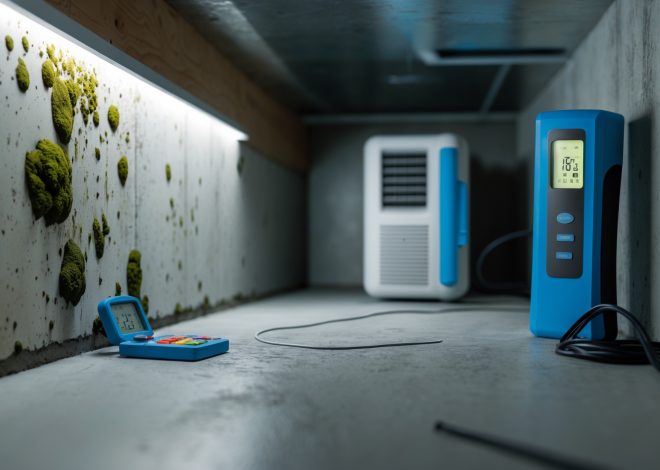
- Continuous Radon Monitors (CRM): Electronic devices providing hourly readings and tamper-detection features. Preferred for real estate transactions but more costly.
- Liquid Scintillation Detectors: Less common but offer accurate lab analysis for short-term tests.
Typical Cost Breakdown
- DIY Radon Test Kits: $15–$40 per kit, including lab fees.
- Professional Testing: $150–$400, depending on location, property size, and device used.
- Continuous Radon Monitoring: $250–$600, includes detailed report and tamper-proofing.
While DIY kits suffice for initial screening, professional testing is often required for real estate transactions due to the need for precise, unbiased results and documentation.
Compliance and Legal Considerations
State and Local Regulations
Radon testing requirements vary widely by state and municipality. Some areas mandate disclosure of known radon levels, while others require testing before sale or lease. A few states, such as Illinois, New Jersey, and Minnesota, have specific radon-related laws for real estate transactions.
- Disclosure Laws: Sellers may be required to inform buyers of past radon test results or mitigation systems.
- Testing Mandates: Certain jurisdictions require radon testing for public buildings, schools, or residential properties in high-risk zones.
- Mitigation Requirements: Where elevated levels are found, sellers may be obligated to install a radon mitigation system before closing.
Best Practices for Compliance
- Always check your state and local regulations before listing or purchasing a property.
- Document all testing procedures, results, and mitigation steps for your records and for disclosure.
- Use certified professionals for radon testing and mitigation to ensure legal defensibility and accuracy.
- Include radon contingencies in purchase agreements where appropriate.
Step-by-Step Guide to Radon Testing for Real Estate Transactions
1. Initial Assessment and Planning
Begin by researching whether your property is in a high-radon zone using EPA maps or local health department resources. Discuss with your real estate agent, buyer, or seller the importance of radon testing and agree on the type of test to be used.
2. Choosing a Testing Method
- For most real estate transactions, a short-term test with a continuous radon monitor is preferred for fast and reliable results.
- For long-term occupant safety, a follow-up long-term test is recommended, especially if short-term results are close to the EPA action level (4.0 pCi/L).
3. Preparing the Property
- Close all windows and exterior doors at least 12 hours before starting the test and keep them closed (except for normal entry/exit) during the test period.
- Set up the testing device in the lowest livable area of the home (e.g., basement, ground floor), at least 20 inches above the floor, away from drafts, heat, and exterior walls.
- Do not place the device in kitchens, bathrooms, or laundry rooms where humidity and ventilation can skew results.
4. Conducting the Test
- For short-term tests, leave the device undisturbed for the recommended period (usually 48–96 hours).
- For professional testing, ensure the technician documents placement and conditions, and provides a chain-of-custody record.
5. Interpreting Results
- The EPA recommends action if the test shows radon levels at or above 4.0 pCi/L (picocuries per liter).
- If results are close to this threshold, consider conducting a follow-up test to confirm.
- For levels below 2.0 pCi/L, no action is typically needed, but periodic retesting is wise.
6. Next Steps if Elevated Radon Is Detected
- Consult a certified radon mitigation contractor for a detailed assessment and quote.
- Most mitigation systems cost $800–$2,500, depending on property size and design.
- After installation, retest the property to ensure the system is working effectively.
- Document all mitigation work and provide warranties or maintenance instructions to new occupants.
Best Practices for Ongoing Radon Safety
Periodic Retesting
Radon levels can change over time due to home renovations, foundation settling, or changes in HVAC systems. The EPA recommends retesting every two years or after significant structural changes.
Maintenance of Radon Mitigation Systems
- Check the warning device (manometer or alarm) on your mitigation system monthly to confirm it is operational.
- Keep the vent pipe clear of obstructions like snow, leaves, or animal nests.
- Have a certified contractor inspect the system every two years or if you notice unusual noise, decreased suction, or system alarms.
Record-Keeping and Disclosure
- Maintain a file with all test results, mitigation invoices, system diagrams, and maintenance logs.
- Provide this documentation to prospective buyers, tenants, or inspectors as needed.
Myths and Common Mistakes in Real Estate Radon Testing
- Myth: “Radon isn’t a problem in new homes.”
Fact: Any home—new or old—can have high radon levels. Modern energy-efficient construction can even trap more radon indoors. - Myth: “Only homes with basements need testing.”
Fact: Radon can accumulate in homes with crawl spaces or slab-on-grade foundations as well. - Myth: “Testing isn’t needed if neighbors have low readings.”
Fact: Radon levels can vary dramatically between adjacent properties. - Mistake: Neglecting to use a certified professional for transaction-related tests.
- Mistake: Failing to disclose prior elevated radon results or mitigation work.
- Mistake: Improper test placement or duration, leading to inaccurate results.
Case Study: Radon Testing Saves a Real Estate Deal
Scenario: A family in Pennsylvania was ready to purchase a home built in the 1980s. Their agent recommended a professional radon test, which revealed levels of 8.2 pCi/L—double the EPA action level.
Action: The seller agreed to install a sub-slab depressurization system for $1,500 and provided a follow-up test showing post-mitigation levels of 0.8 pCi/L. The buyers received all documentation and a transferable warranty.
Outcome: The transaction proceeded smoothly, the buyers felt secure, and the property’s market value was preserved. Both parties avoided future liability and health risks.
This case underscores the importance of proactive testing, transparent disclosure, and professional mitigation in protecting all stakeholders in a real estate transaction.
Frequently Asked Questions About Radon Testing in Real Estate
- How long do radon tests take? Short-term tests usually last 48–96 hours; long-term tests take 90 days to a year.
- Who should pay for radon testing? This is negotiable in most transactions, but buyers often request it as a contingency.
- Are radon mitigation systems noisy or intrusive? Modern systems are quiet and discreet, with minimal impact on property aesthetics.
- Is radon testing required by law? Requirements vary by state and locality. Check your jurisdiction’s regulations.
Conclusion: Making Radon Testing a Real Estate Priority
Radon testing is an often-overlooked but vital part of responsible property ownership, management, and real estate transactions. With the potential for severe health consequences and regulatory pitfalls, ignoring radon is not an option for conscientious real estate professionals or property owners. By understanding the science of radon, using the appropriate testing methods, and adhering to best practices for compliance and mitigation, you can protect your investment, your reputation, and—most importantly—the well-being of those who live in or purchase your property.
While the costs of testing and mitigation are modest compared to other aspects of real estate ownership, the peace of mind and legal security they provide are invaluable. Make radon testing a standard part of your due diligence, keep thorough documentation, and use certified professionals whenever possible. These steps not only preserve property value but also demonstrate your commitment to safety and transparency in every transaction. In an industry where trust and diligence pay dividends, radon testing is a small investment that yields significant rewards for all parties involved.
4 thoughts on “Understanding Real Estate Radon Testing: Costs, Compliance, and Best Practices”
Leave a Reply

You mention that radon regulations can differ by state and municipality. For someone buying property near a state border, how should they figure out which regulations or standards apply to their situation during a real estate transaction?
When buying property near a state border, start by checking the address to confirm the exact jurisdiction—city, county, and state. Then, contact both the local health department and the state’s radon program to ask about specific testing and mitigation requirements. Real estate agents in the area can also clarify which regulations apply, helping you stay compliant during your transaction.
I’m trying to budget for buying a new home and wonder if you have any tips on estimating the total cost of radon testing and any mitigation, especially since the article mentions costs as a big part of the process. Are there hidden fees I should watch out for?
For budgeting, a standard radon test typically costs around $150 to $250, depending on your location and the method used. If mitigation is needed, the system installation usually ranges from $800 to $2,500. Be aware of possible extra charges, such as post-mitigation testing, travel fees for remote areas, or costs for sealing foundation cracks. Always ask for a full quote upfront to avoid surprises.