

Essential Tools Every Real Estate Investor Needs: A Practical Guide to Building Your Property Toolkit
Introduction: Why the Right Tools Matter for Real Estate Investors
Success in real estate investing doesn’t just depend on market savvy or having an eye for great properties—it also hinges on having the right tools at your fingertips. Whether you’re a first-time landlord, a seasoned investor managing multiple units, or someone preparing to scale your portfolio, the tools you choose can directly impact your efficiency, profitability, and peace of mind. In this comprehensive guide, we’ll break down the critical tools every real estate investor should have, covering both physical equipment and digital resources. We’ll also share practical tips on choosing, maintaining, and leveraging these tools for maximum return. From property inspections and maintenance to tenant management and marketing, each tool on this list is selected for its real-world value. By the end, you’ll be equipped to build—or upgrade—your property toolkit for smarter, smoother investing.
Physical Tools for On-the-Ground Property Management
Inspection Essentials
Regular and thorough property inspections are the backbone of proactive asset management. The right inspection tools help you spot issues early, avoid costly repairs, and reassure tenants that you care about property upkeep.
- Flashlight: Choose a durable, high-lumen flashlight to check basements, crawl spaces, attics, and poorly lit corners.
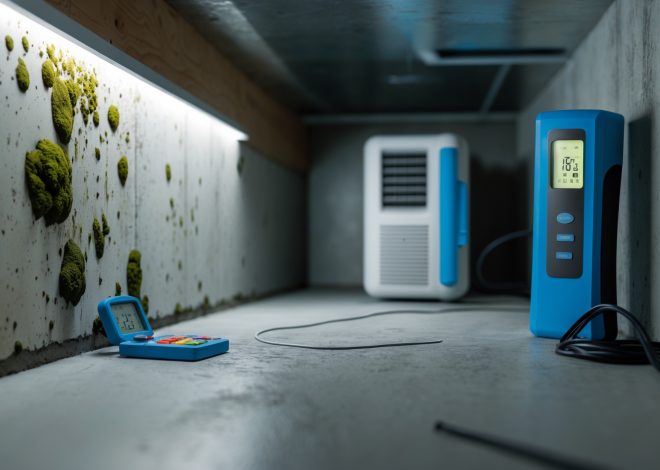
- Moisture Meter: Detect hidden leaks, water intrusion, or dampness in walls and floors before they escalate into mold or structural damage.
- Laser Measuring Tool: Accurately measure room dimensions—critical for rental listings, renovations, or verifying property specs.
- Outlet Tester: Instantly check electrical outlets for correct wiring and grounding, especially during move-in/move-out inspections.
- Infrared Thermometer: Identify insulation gaps, HVAC inefficiencies, or overheating electrical panels.
- Basic Hand Tools: Keep a toolkit with screwdrivers, pliers, wrenches, and a utility knife for minor repairs and quick fixes.
Access and Security Tools
Secure, convenient property access is essential for showings, maintenance, and tenant turnover.
- Lockbox: Store spare keys safely on-site for trusted contractors or self-guided tours. Opt for digital lockboxes with changeable codes for maximum security.
- Smart Locks: Install electronic deadbolts that allow remote access control and audit trails—cutting down on rekeying costs and improving tenant experience.
- Key Management System: For investors with multiple properties, a labeled, lockable key cabinet or a digital key tracking app prevents lost keys and confusion.
Maintenance Must-Haves
Even if you outsource most repairs, having certain tools on hand can help you triage problems or handle minor tasks immediately.
- Plunger and Drain Snake: Quickly address minor clogs before they turn into after-hours emergencies.
- Stud Finder: Safely mount shelves, fixtures, or smoke detectors without damaging walls or hitting wiring.
- Ladder: A stable, extendable ladder is necessary for roof, gutter, or exterior inspections and basic repairs.
- Digital Camera or Smartphone: Document property conditions, damages, and upgrades for records, listings, or dispute resolution.
Digital Tools for Modern Real Estate Investors
Property Analysis and Acquisition
Before purchasing any property, thorough analysis is key. The following digital tools streamline research and help you make data-driven decisions:
- Deal Analysis Calculators: Use platforms like BiggerPockets, Roofstock, or custom Excel templates to evaluate cash flow, ROI, and cap rates.
- MLS Access Tools: If you’re a licensed agent or work closely with one, MLS access apps provide real-time listing data and comparables (comps).
- Neighborhood Research Apps: Tools such as NeighborhoodScout and Walk Score offer insights on crime rates, school quality, and walkability.
- Document Vaults: Cloud storage (Google Drive, Dropbox) keeps your contracts, inspection reports, and photos organized and accessible from anywhere.
Property Management Software
As your portfolio grows, manual tracking becomes unsustainable. Dedicated property management platforms centralize rent collection, maintenance tickets, and communications.
- AppFolio, Buildium, or Rentec Direct: These platforms automate rent collection, send late notices, and track maintenance requests—saving you hours each month.
- Tenant Screening Integrations: Many property management apps include built-in background and credit check services, reducing risk and paperwork.
- Mobile Apps: Choose software with robust mobile features for fieldwork, such as logging inspections or sending updates on the go.
Maintenance Coordination Platforms
Coordinating repairs is one of the most time-consuming aspects of property ownership. These tools streamline the process:
- Maintenance Request Portals: Enable tenants to submit repair requests with photos and track progress, reducing phone calls and misunderstandings.
- Vendor Management Modules: Store contractor contact info, insurance docs, and job histories for easy access and compliance tracking.
- Expense Tracking Integrations: Sync repair invoices directly with your accounting software for seamless bookkeeping.
Financial and Legal Documentation
Accurate record-keeping is crucial for tax time, audits, and legal compliance. These tools keep your paperwork in order:
- Accounting Software: Platforms like QuickBooks or Stessa are tailored for real estate, tracking income, expenses, and generating reports for each property.
- E-signature Tools: Use DocuSign or Adobe Sign for lease agreements, disclosures, and contractor contracts—speeding up transactions and ensuring compliance.
- Tax Prep Apps: Leverage tools that categorize expenses, track mileage, and export data directly to your accountant or tax prep software.
Specialized Tools for Niche Real Estate Strategies
Short-Term Rental Management
If you operate short-term rentals (Airbnb, VRBO, etc.), specialized tools are invaluable:
- Channel Managers: Tools like Hostfully or Guesty synchronize calendars, pricing, and messaging across multiple platforms to prevent double bookings.
- Dynamic Pricing Software: Apps like PriceLabs or Beyond Pricing automatically adjust nightly rates based on demand, seasonality, and local events.
- Smart Home Integrations: Install Wi-Fi thermostats, noise monitors, and smart locks for remote control and better guest experiences.
Rehab and Flipping Tools
Investors who focus on value-add projects benefit from these additional resources:
- Project Management Apps: Use Trello, Asana, or Buildertrend to manage contractors, timelines, and budgets.
- Scope of Work Templates: Digital templates standardize bids and help avoid scope creep or miscommunications.
- Before-and-After Photo Tools: Organize progress photos for marketing and to document the return on your renovation investment.
How to Choose the Best Tools for Your Real Estate Business
Assess Your Portfolio Size and Strategy
Your toolkit should align with your investment style. Single-family landlords may need fewer, simpler tools than those managing a portfolio of multi-family or commercial properties. Consider what you can reasonably manage yourself versus what requires outsourcing, and select tools accordingly.
Prioritize Integration and Scalability
Opt for tools that can grow with your business. Integrated platforms reduce duplicate data entry and streamline workflows. For example, choose property management software that syncs with your accounting program or maintenance coordination tools.
Evaluate Cost vs. Value
Don’t be tempted by the latest gadget or software unless it adds measurable value. Many essential tools are one-time purchases, while others (like software) are ongoing expenses. Compare features, user reviews, and support options before committing.
Maintenance, Upgrades, and Best Practices
Regularly Review and Upgrade Your Toolkit
The real estate industry evolves quickly—so should your tools. Schedule an annual review of your toolkit to assess what’s working, what’s outdated, and what new solutions are available.
Train Your Team and Contractors
Ensure that anyone involved in your property operations understands how to use your chosen tools, especially software platforms or specialized inspection devices. Offer training or create simple how-to guides to maximize adoption and effectiveness.
Keep Backup Solutions Ready
Technology can fail at the worst moments. Always have backup tools (such as printed lease templates or a spare set of physical keys) in case of outages or device loss.
Case Study: Building a Toolkit for a Growing Portfolio
Consider Sarah, a real estate investor who started with a single rental and expanded to a portfolio of ten properties in five years. Initially, she relied on spreadsheets and paper files, but as her holdings grew, she faced lost keys, overdue rent, and repair delays. By investing in a comprehensive property management platform, digital lockboxes, and standardized inspection kits, Sarah reduced turnovers by 30% and cut her maintenance response time in half. Her story illustrates the impact the right tools can have—not just on efficiency, but on tenant satisfaction and bottom-line growth.
Conclusion: Equip Yourself for Success
In real estate investing, your toolkit is more than just a collection of gadgets and apps—it’s the foundation of your business’s productivity and professionalism. By equipping yourself with the right inspection devices, secure access solutions, and powerful digital platforms, you’ll not only save time and money but also enhance the experience for your tenants, contractors, and partners. Remember, the best tools are those that fit your unique strategy and scale with you as you grow. Take time to assess your current needs, invest in upgrades thoughtfully, and don’t hesitate to retire outdated or redundant solutions. Stay curious about new technologies and practices, but always weigh the cost against tangible benefits. With a well-chosen, well-maintained toolkit, you’ll be positioned to tackle challenges, seize opportunities, and enjoy sustainable success in your real estate journey.
16 thoughts on “Essential Tools Every Real Estate Investor Needs: A Practical Guide to Building Your Property Toolkit”
Leave a Reply



You mentioned using a moisture meter to catch leaks before they become big problems. Do you have any recommendations for affordable models that offer reliable readings, especially for someone just starting out with a small portfolio?
For beginners with a small portfolio, consider models like the General Tools MMD4E or the Dr. Meter MD912. Both are affordable, user-friendly, and consistently provide reliable readings for most residential needs. They’re pin-type meters, which are great for detecting moisture in walls, floors, and ceilings. Look for features like easy-to-read displays and battery life, which are especially helpful when starting out.
You mentioned using inspection tools to reassure tenants about property upkeep. Have you found that bringing these tools to a walkthrough actually improves tenant relationships, or does it sometimes make tenants uneasy?
Bringing inspection tools to a walkthrough usually reassures tenants that you care about maintaining the property and addressing issues promptly. Most tenants appreciate seeing that you’re prepared to check things thoroughly. However, it’s important to communicate your intentions clearly beforehand, so tenants understand the purpose and don’t feel surprised or uneasy. This approach tends to build trust and transparency.
I saw that you listed an infrared thermometer among the essentials. How often do you find yourself actually using this tool compared to, say, a standard flashlight or outlet tester during inspections?
An infrared thermometer is definitely useful, but it’s not something you’ll use as frequently as a flashlight or outlet tester during most inspections. You might reach for the infrared thermometer when you suspect insulation issues, drafts, or HVAC problems, but a flashlight and outlet tester generally see more day-to-day use for checking outlets and seeing into dark spaces.
Regarding the infrared thermometer, how often have you found that these tools help catch HVAC issues before they turn costly? I’m curious if you have tips on what temperature differences to watch for during inspections.
Infrared thermometers are surprisingly effective for early detection of HVAC issues. Many investors use them during inspections to spot uneven temperatures across vents or walls, which can indicate duct leaks, blocked registers, or failing components. Generally, you should look for supply vents blowing air that’s about 15–20 degrees cooler (in cooling mode) or warmer (in heating mode) than the room temperature. Larger differences or inconsistencies between rooms may signal a problem worth investigating further.
When it comes to digital resources for tenant management and marketing, do you cover any specific apps or platforms later in the guide, or is this article focused mainly on the physical side of property management tools?
This article does touch on digital resources for tenant management and marketing, highlighting a few key platforms and apps that can streamline these tasks. You’ll find recommendations for both digital tools and traditional, physical property management essentials throughout the guide to give you a well-rounded toolkit for real estate investing.
When it comes to the moisture meter you mentioned, do you have any recommendations for entry-level models that are both reliable and budget-friendly? I want to avoid unnecessary expenses, but I also don’t want to miss hidden water damage during inspections.
For entry-level moisture meters that balance reliability and affordability, consider models like the General Tools MMD4E or the Proster Handheld Moisture Meter. Both are straightforward to use, deliver consistent readings, and are popular among new investors for property inspections. They can help you spot hidden water damage without making a big dent in your budget.
How do you recommend prioritizing which physical tools to buy first if I’m working with a tight budget? Should I focus on inspection devices like moisture meters and flashlights, or start with the basic hand tools for repairs?
If your budget is tight, it’s best to start with basic hand tools for repairs, such as a hammer, screwdrivers, pliers, and a tape measure. These will cover most immediate needs for maintenance and minor fixes. Inspection devices like moisture meters and specialized flashlights are important, but you can add them later as your investment activity grows and your budget allows.
If I want to start with the basics and build my toolkit over time, what order would you suggest purchasing these tools in? Is there a minimum starter set you’d recommend for managing a single-family rental?
To get started with managing a single-family rental, focus first on the essentials: a reliable property management software, basic accounting tools, and digital document storage. Next, add tenant screening services and maintenance request tracking. As your needs grow, consider expanding to tools for marketing, online rent collection, and analytics. This progression lets you build your toolkit as your property management experience increases.