

Seasonal Maintenance Checklist for Rental Properties: Protect Your Investment Year-Round
Introduction
Owning rental property is one of the most reliable ways to build wealth, but protecting that investment requires more than just finding good tenants and collecting rent. Season after season, your property faces a variety of environmental and wear-and-tear challenges, from heavy rains and freezing temperatures to sweltering heat and tenant turnover. If you neglect routine maintenance, minor issues can quickly escalate into major repairs, eroding your profits and damaging your reputation as a landlord. That’s why having a detailed, actionable seasonal maintenance checklist is essential for every rental property owner. In this guide, we’ll provide a comprehensive, step-by-step breakdown of what to inspect, repair, and prepare for throughout the year. You’ll gain practical strategies to prevent costly problems, maintain tenant satisfaction, and preserve your property’s long-term value. Whether you manage a single-family home or a portfolio of units, these expert tips will help you stay proactive and organized—so your investment stays protected, year after year.
Spring Maintenance Checklist
Exterior Inspection and Repairs
- Check Roof and Gutters: Inspect for missing shingles, leaks, or winter damage. Clean gutters and downspouts to ensure proper drainage.
- Foundation and Siding: Look for cracks, water intrusion, or pest activity. Address any signs of settling or deterioration immediately.
- Windows and Doors: Examine seals and weatherstripping. Replace or repair to keep energy bills low and prevent moisture intrusion.
Landscaping and Grounds
- Lawn Care: Rake debris, reseed bare patches, and apply fertilizer for healthy growth.
- Trees and Shrubs: Prune branches away from the building and power lines. Remove dead or hazardous limbs.
- Sprinkler System: Test and repair any leaks or broken heads before the growing season begins.
HVAC and Plumbing
- Service HVAC System: Replace filters, clean vents, and schedule a professional inspection before cooling season.
- Check Pipes: Inspect for leaks or damage from winter freezing. Address drips or slow drains promptly.
Safety and Compliance
- Smoke and CO Detectors: Test all units, replace batteries, and ensure compliance with local codes.
- Exterior Lighting: Confirm all security lights are functional and replace bulbs as needed.
Summer Maintenance Checklist
Cooling Systems and Air Quality
- Inspect Air Conditioners: Clean condenser coils, check refrigerant levels, and listen for unusual noises.
- Ventilation: Clean bathroom and kitchen exhaust fans to improve indoor air quality.
Exterior Upkeep
- Paint and Caulking: Touch up exterior paint and sealant to protect against sun and moisture damage.
- Decks and Patios: Check for loose boards, protruding nails, and structural integrity. Power wash surfaces and reseal if needed.
- Driveways and Walkways: Repair cracks or uneven surfaces to prevent trip hazards.
Pest Prevention
- Inspect for Infestations: Look for evidence of ants, termites, rodents, or wasps. Treat promptly to prevent property damage.
- Seal Entry Points: Use weather-resistant sealant to close gaps around doors, windows, and utility penetrations.
Tenant Communication
- Remind About A/C Filters: Encourage tenants to replace or clean filters monthly during heavy use.
- Emergency Preparedness: Provide information on local heat advisories and how to report maintenance issues.
Fall Maintenance Checklist
Preparing for Cold Weather
- Furnace Inspection: Have a professional service the heating system. Replace filters and test thermostats.
- Chimney and Fireplace: Clean and inspect for blockages or creosote buildup if applicable.
- Weatherproofing: Apply weatherstripping and caulk to windows and doors to reduce drafts.
Yard and Exterior Preparation
- Gutter Cleaning: Remove fallen leaves and debris to prevent ice dams and water damage.
- Winterize Sprinklers: Drain and shut off irrigation systems to prevent frozen pipes.
- Tree Maintenance: Remove weak branches that could break under snow or ice.
Plumbing and Safety
- Insulate Pipes: Wrap exposed pipes in unheated areas to minimize freeze risk.
- Check Smoke/CO Alarms: Test and replace batteries, especially before the heating season.
Winter Maintenance Checklist
Cold Weather Protection
- Monitor for Ice Dams: Regularly check for ice buildup on the roof and address promptly.
- Sidewalks and Driveways: Keep walkways clear of snow and ice to prevent slips and ensure tenant safety.
- Emergency Supplies: Stock salt, sand, and snow shovels for tenant or maintenance use.
Interior Checks
- Heating Systems: Confirm consistent operation; respond quickly to tenant reports of inadequate heat.
- Check for Drafts: Reassess seals and address any cold spots that develop.
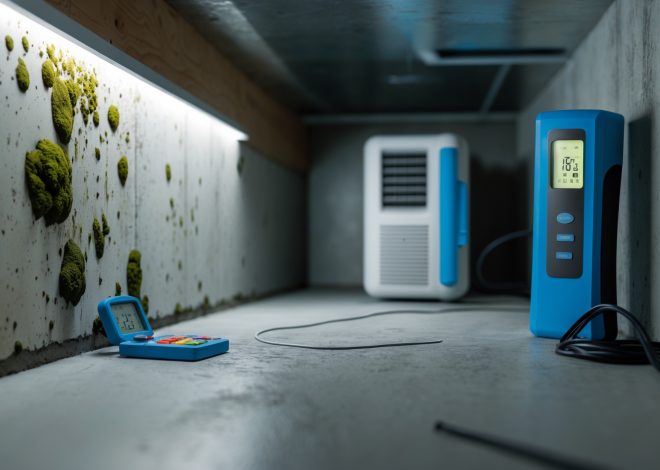
- Moisture and Mold: Keep an eye out for condensation or mold growth in bathrooms, basements, and attics. Ventilate as needed.
Tenant Communication and Support
- Winter Safety Reminders: Share tips with tenants for safe use of space heaters and reporting water leaks.
- 24/7 Emergency Contact: Ensure tenants know how to reach you or your maintenance team quickly.
Essential Tools and Equipment for Year-Round Maintenance
- Ladder: For gutter, roof, and exterior inspections.
- Basic Hand Tools: Hammer, screwdrivers, pliers, adjustable wrench, and utility knife.
- Garden Tools: Rake, pruners, leaf blower, and lawn mower.
- Seasonal Supplies: Snow shovels, ice melt, hoses, sprinkler keys.
- Safety Gear: Gloves, goggles, hearing protection.
- HVAC Filters and Batteries: Keep a supply on hand for quick replacements.
- Caulking and Weatherstripping: For quick repairs around windows and doors.
Organizing and Tracking Maintenance Tasks
Digital Tools and Checklists
- Property Management Software: Use platforms like Buildium, AppFolio, or Rentec Direct to schedule recurring tasks and log completed work.
- Spreadsheets: For smaller portfolios, a detailed spreadsheet with seasonal tabs can track progress and upcoming needs.
- Calendar Reminders: Set recurring events on Google Calendar for key tasks like gutter cleaning or HVAC service.
Documentation and Record Keeping
- Photos: Take before-and-after pictures to document completed maintenance and spot developing issues.
- Service Receipts: Keep all invoices and reports from contractors for tax records and warranty purposes.
Proactive Maintenance: Tips to Prevent Costly Repairs
- Address Small Issues Promptly: Don’t let minor leaks, cracks, or drips linger. Early intervention saves money.
- Regular Inspections: Walk through the property at least twice a year, even if you have long-term tenants.
- Educate Tenants: Provide clear instructions for reporting issues and tips for routine maintenance (e.g., not flushing wipes, changing HVAC filters).
- Budget for Maintenance: Set aside at least 1-2% of property value annually for repairs and upkeep.
Conclusion
Maintaining a rental property goes far beyond fixing the occasional leaky faucet or repainting a wall between tenants. It’s an ongoing process that requires diligence, organization, and a proactive mindset. A well-structured seasonal maintenance checklist isn’t just about ticking boxes—it’s about safeguarding your property’s value, ensuring tenant happiness, and minimizing your long-term expenses. By following the detailed steps outlined in this guide, you’ll stay ahead of the most common (and costly) problems rental owners face, from frozen pipes and failing HVAC systems to pest infestations and landscape neglect. Equipping yourself with the right tools and digital resources streamlines the process, making it simpler to track, schedule, and document every task. Most importantly, consistent maintenance sends a powerful message to your tenants: that you care about the home they live in, and you’re committed to providing a safe, functional, and attractive environment. This not only helps with tenant retention but also makes your investment more profitable over time. Don’t wait for emergencies to act—adopt a year-round maintenance strategy today, and enjoy the peace of mind that comes from knowing your rental property is always in top shape.
14 thoughts on “Seasonal Maintenance Checklist for Rental Properties: Protect Your Investment Year-Round”
Leave a Reply



Could you provide some guidance on budgeting for seasonal maintenance, especially when it comes to unexpected HVAC or plumbing issues that might come up after winter?
To budget for seasonal maintenance, estimate regular costs for tasks like HVAC servicing, gutter cleaning, and landscaping, then add a contingency fund—typically 10-20% of your annual maintenance budget—for unexpected issues. After winter, HVAC and plumbing repairs are common, so factor in the average cost of emergency repairs in your area. Scheduling preventive inspections and maintenance early can also help catch minor problems before they become expensive emergencies.
How often would you recommend scheduling professional HVAC inspections, especially if I have multiple rental units? I want to make sure I’m not overspending but still maintaining everything properly before summer hits.
For multiple rental units, scheduling professional HVAC inspections once a year is typically sufficient, ideally in the spring before heavy summer use. This helps catch any issues early and keeps your systems running efficiently. If any of your units are older or have had past problems, consider more frequent checks. Routine filter changes and basic maintenance can be handled more often by your tenants or maintenance staff to help control costs.
How early in the spring do you recommend starting these maintenance tasks, especially in regions that still get late-season snow? Is it better to start with indoor items and wait on exterior work until the weather stabilizes?
In areas where late-season snow is possible, it’s smart to begin spring maintenance with indoor tasks as soon as winter begins to wind down. For exterior work, wait until temperatures are consistently above freezing and the risk of snow has passed, which might mean late spring in some regions. That way, you can avoid damage from unexpected weather while keeping your maintenance schedule on track.
For the exterior inspection, how do you know if a crack in the foundation is something serious, or just a cosmetic issue I can keep an eye on for now?
Small, hairline cracks in the foundation that are less than a quarter inch wide are usually cosmetic and can be monitored. However, if you see wider cracks, cracks that run at an angle or are stair-stepped, or if you notice bulging or water seepage, these could indicate a serious structural issue. In those cases, it’s best to consult a professional for an assessment.
You mention checking and cleaning gutters in the spring, but do you have advice on how often this should be repeated throughout the rest of the year for rental properties in areas with a lot of trees?
For rental properties in areas with many trees, it’s wise to check and clean the gutters at least twice per year—in spring and again in late fall after most leaves have dropped. If the property is surrounded by trees that shed heavily, consider inspecting gutters every three months to prevent clogs and water damage. Regular checks during stormy seasons can also help catch problems early.
When you mention servicing the HVAC system each spring, do you recommend using the same technician every year or shopping around, and how much should I generally budget for a professional inspection?
Having the same technician service your HVAC system each year can be beneficial because they’ll be familiar with your property and any ongoing issues. However, it’s also fine to shop around, especially if you’re looking for better pricing or service. For a professional HVAC inspection and basic servicing, you should generally budget between $100 and $200 per visit, depending on your location and the complexity of your system.
Could you recommend a timeline for balancing landscaping tasks like reseeding, fertilizing, and pruning to minimize disruption for tenants and ensure each step is effective?
To minimize tenant disruption and keep landscaping effective, schedule reseeding in early fall or spring when grass can establish itself. Fertilize right after reseeding to support new growth, but avoid tenant-heavy days. Pruning works best in late winter or early spring before new growth starts. Notify tenants ahead of any work, grouping tasks together where possible so visits are efficient and short.