
Rental Property Safety Checklist: Protecting Tenants and Your Investment
Introduction: Why Rental Property Safety Is Non-Negotiable
Owning rental property is as much about responsibility as it is about opportunity. Ensuring the safety of your tenants isn’t just a legal obligation—it’s also one of the best ways to protect your investment and reputation. A safe rental property minimizes liability, attracts quality tenants, and keeps long-term costs down. Overlooking even minor safety issues can lead to costly legal battles, insurance nightmares, and, most importantly, real harm to the people who call your property home. That’s why every landlord—whether managing a single-family home, duplex, or multi-unit complex—needs a thorough, actionable safety checklist. This guide will walk you through every critical aspect, from fire and electrical safety to structural soundness, security measures, and compliance with local laws. By the end, you’ll have a clear, practical roadmap to ensuring your rental property is both safe and compliant, giving you peace of mind and a competitive edge in the rental market.
Fire Safety: Prevention and Preparedness
Smoke and Carbon Monoxide Detectors
Install smoke detectors in every bedroom, outside each sleeping area, and on every level of the property—including basements and attics. Carbon monoxide detectors are essential in properties with fuel-burning appliances, fireplaces, or attached garages. Test all detectors monthly and replace batteries at least twice a year. Document all checks and replacements for your records.
Fire Extinguishers and Escape Routes
- Place at least one multipurpose fire extinguisher on each floor, especially in kitchens and near furnace rooms.
- Ensure all tenants know their locations and provide clear instructions for use.
- Develop and post a fire escape plan in common areas. Make sure all windows designated as emergency exits can open easily and are not painted shut.
Electrical and Heating Safety
- Have a licensed electrician inspect wiring every 5–7 years or after renovations.
- Check outlets and switches for signs of overheating or damage.
- Ensure all heating equipment is professionally serviced annually.
- Prohibit tenants from using space heaters in unsafe ways (e.g., blocking exits, using extension cords).
Structural Safety: Foundations, Stairs, and Railings
Foundation and Structural Integrity
Inspect the foundation annually for cracks, signs of water intrusion, or shifting. Pay attention to sloping floors, sticking doors, or windows that don’t operate smoothly, as these may indicate underlying structural issues. Address any problems promptly to avoid escalation and potential hazards.
Stairways and Railings
- All interior and exterior stairs must be sturdy, with no loose treads or boards.
- Handrails should be securely fastened and at a height compliant with local codes (usually 34–38 inches above the stair nosing).
- Install non-slip treads or coverings to prevent falls, especially on exterior steps.
- Ensure adequate lighting for all stairways and landings.
Balconies and Decks
- Inspect decks and balconies for rot, rust, or loose fasteners.
- Railings must be at least 36 inches high (check local code) and withstand 200 pounds of force.
- Check for gaps wider than 4 inches, which can be a hazard for children.
Electrical System Safety
Panel and Circuit Protection
- Ensure the electrical panel is accessible and clearly labeled.
- Install Ground Fault Circuit Interrupters (GFCIs) in kitchens, bathrooms, laundry rooms, and all exterior outlets.
- Test GFCIs monthly.
- Check for doubled-up (“daisy-chained”) outlets or overloaded circuits.
- Replace outdated or recalled electrical panels and breakers (e.g., Federal Pacific, Zinsco).
Wiring and Outlets
- Look for exposed wiring, missing outlet covers, or outlets that spark.
- Upgrade to tamper-resistant outlets to protect children.
- All kitchen and bath outlets should be properly grounded.
Plumbing and Water Safety
Leak Prevention and Water Quality
- Inspect under sinks, around toilets, and near water heaters annually for leaks or corrosion.
- Install water shut-off valves for each fixture and ensure tenants know how to use them in emergencies.
- Test water pressure (should be between 40–80 psi).
- If your property is older, consider lead testing and provide filters if needed.
Hot Water Safety
- Set water heater thermostats to 120°F (49°C) to prevent scalding.
- Insulate hot water pipes in accessible areas to avoid burns or heat loss.
Security Measures: Doors, Windows, and Lighting
Entry Doors
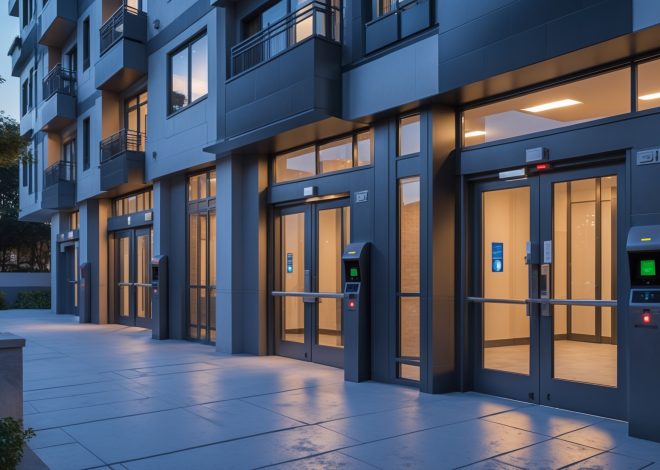
- Install solid-core or metal exterior doors with deadbolts (at least 1-inch throw).
- Re-key or replace locks between tenants.
- Use wide-angle peepholes or video doorbells on main doors.
Windows and Glass Doors
- All ground-level windows should have locks that work smoothly.
- Install window stops or sash locks to limit opening to 4 inches for child safety.
- Consider laminated or tempered glass in vulnerable areas.
Outdoor Lighting and Landscape
- Install motion-activated lights at entrances, walkways, and parking areas.
- Keep bushes and trees trimmed to avoid creating hiding spots near doors and windows.
- Maintain clear, well-lit paths from parking areas to entryways.
Environmental Hazards: Mold, Lead, and Asbestos
Mold Prevention
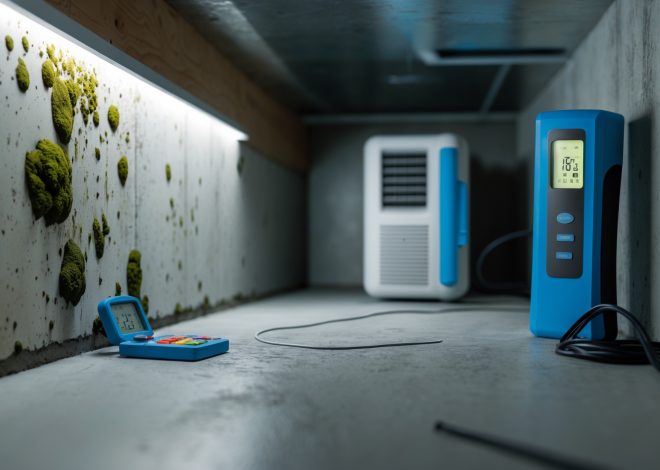
- Address leaks and water intrusion immediately.
- Use exhaust fans in kitchens and bathrooms.
- Ensure gutters and downspouts are clear and direct water away from foundations.
- Educate tenants on reporting leaks and keeping areas dry.
Lead Paint
- For properties built before 1978, provide tenants with EPA lead paint disclosures.
- Hire certified professionals for any renovation that disturbs painted surfaces.
- Regularly inspect for peeling or chipping paint, especially on windows, doors, and trim.
Asbestos
- Be aware of asbestos risks in older flooring, insulation, or ceiling tiles.
- Do not disturb suspected asbestos-containing materials; hire a licensed abatement contractor if removal is needed.
Safety in Shared and Common Areas
Hallways, Lobbies, and Laundry Rooms
- Keep all common areas well-lit and free of clutter.
- Install security cameras in accordance with privacy laws.
- Post clear signage for emergency exits and fire extinguishers.
- Inspect laundry equipment for electrical and lint hazards.
Parking Areas and Garages
- Ensure all parking lots are well-lit and have clear lines and signage.
- Check for tripping hazards, potholes, or debris.
- Install security cameras or patrols where appropriate.
Legal and Compliance Requirements
Local and State Fire Codes
- Familiarize yourself with local fire safety ordinances and inspection schedules.
- Maintain documentation of all safety checks and improvements.
- Respond promptly to fire marshal recommendations or citations.
Building Codes and Rental Registration
- Verify your property meets all local building codes, including egress, minimum room size, and ventilation requirements.
- Renew rental licenses and registrations annually if required by your municipality.
Fair Housing and Reasonable Accommodations
- Be prepared to make reasonable safety modifications for tenants with disabilities, such as grab bars or doorbell flashers.
- Never discriminate based on protected classes when implementing safety features.
Routine Safety Inspections and Documentation
Inspection Schedule
- Perform a full safety inspection before each new tenancy.
- Conduct semi-annual walk-throughs to check fire, electrical, and structural safety.
- Encourage tenants to report hazards immediately and provide a simple reporting process.
Record Keeping
- Maintain detailed records of all inspections, repairs, and upgrades.
- Document communication with tenants regarding safety issues.
- Keep receipts and contractor information for insurance and liability purposes.
Tenant Education: Empowering Residents to Stay Safe
- Provide a safety orientation at move-in, including instructions on fire escape routes, emergency contacts, and use of safety equipment.
- Give tenants written guidelines on what to do in case of fire, gas leak, or severe weather.
- Encourage tenants to test smoke detectors monthly and report issues immediately.
- Offer periodic safety reminders via email or posted notices, especially before winter and summer.
Conclusion: Safety as a Strategic Advantage
Prioritizing safety in your rental property is about more than compliance—it’s about protecting lives, preserving your investment, and building trust with your tenants. A comprehensive safety checklist not only reduces your exposure to liability but also makes your property more attractive to responsible renters who will appreciate your diligence and care. Tenants who feel safe are more likely to stay long-term, take better care of your property, and refer others. From fire prevention and structural soundness to environmental hazards and legal compliance, every step you take adds value and peace of mind. Remember: safety is not a one-time event but a continuous process of inspection, education, and improvement. Build safety into your routine operations, keep detailed records, and stay up-to-date with evolving codes and best practices. By doing so, you’ll protect both your tenants and your bottom line, ensuring your rental property remains a secure, desirable place to live for years to come.