

Real Estate Mold Prevention: Seasonal Checklist and Maintenance Tips for Property Owners
Introduction: Mold Prevention as a Key Real Estate Priority
Mold is more than an unsightly annoyance—it’s a persistent threat to both the value of your real estate investment and the health of your tenants or occupants. Left unchecked, mold growth can undermine structural integrity, trigger insurance complications, and even lead to costly legal disputes. Despite these risks, many property owners overlook proactive mold prevention, assuming that occasional cleanings or visible inspections are sufficient. In reality, a thorough, seasonal approach to mold management is essential for safeguarding your property and its inhabitants. This comprehensive guide delivers a detailed, actionable seasonal checklist and expert maintenance tips to help you stay ahead of mold challenges, avoid expensive remediation, and maintain a healthy real estate portfolio, whether you manage single-family rentals, multifamily units, or commercial buildings.
Understanding Mold: The Real Estate Risks
Why Mold is a Silent Threat
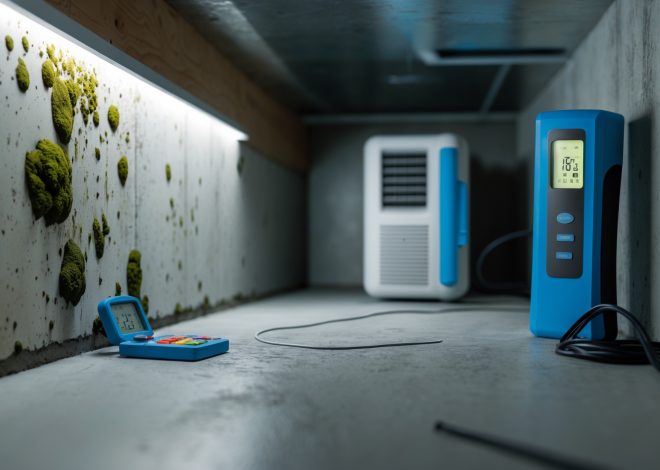
Mold thrives in damp, poorly ventilated areas, making real estate properties—especially basements, bathrooms, attics, and HVAC systems—prime breeding grounds. Aside from aesthetic concerns, mold can cause:
- Health problems, including respiratory issues and allergies
- Property damage from wood rot and compromised drywall
- Decreased property value and marketability
- Disputes with tenants or buyers due to disclosure requirements
- Difficulty obtaining or renewing property insurance
The Cost of Mold Remediation
Professional mold remediation can range from $500 for minor cases to over $10,000 for severe infestations. Preventive maintenance, by contrast, is a fraction of that cost and protects your reputation as a responsible property owner.
Core Principles of Mold Prevention
- Moisture control: The most critical factor—mold cannot grow without water.
- Ventilation: Encourages evaporation and reduces humidity.
- Regular inspection: Early detection prevents small issues from escalating.
- Prompt repairs: Fix leaks, condensation, and drainage problems immediately.
- Education: Inform tenants or occupants about preventing and reporting mold.
Seasonal Mold Prevention Checklist
Spring: Prepare for Humidity and Rain
- Inspect roof and attic: Check for winter damage, missing shingles, or leaks.
- Clean gutters and downspouts: Ensure proper drainage away from the foundation.
- Test sump pumps: Confirm functionality before heavy spring rains.
- Seal basement walls: Look for cracks or damp spots and apply waterproofing sealant if needed.
- Service HVAC systems: Clean or replace filters, check for condensation or leaks in ductwork.
- Replace weather stripping: Around doors and windows to prevent water intrusion during storms.
Summer: Combat High Humidity
- Monitor indoor humidity: Use hygrometers to maintain levels below 60% (ideally 30–50%).
- Run dehumidifiers: Especially in basements, crawl spaces, and other prone areas.
- Check for condensation: On pipes, windows, and cold surfaces; insulate where necessary.
- Ventilate bathrooms and kitchens: Use exhaust fans during and after use. Clean fan covers and ensure they vent outside.
- Inspect irrigation systems: Adjust to avoid overspray against building walls or foundations.
Fall: Prepare for Wet Weather and Cold
- Inspect exterior siding and caulking: Repair gaps or cracks that could allow moisture intrusion.
- Clean and store outdoor furniture and equipment: Prevent moisture from seeping into indoor spaces.
- Check foundation drainage: Confirm that soil slopes away from the building.
- Service heating systems: Address leaks in radiators, boilers, or pipes.
- Review roof flashings and chimney seals: Prevent leaks during snow or heavy rain.
Winter: Prevent Freezing and Indoor Moisture Build-Up
- Insulate pipes: Prevent burst pipes and subsequent water leaks.
- Monitor for ice dams: On roofs that can cause water to back up under shingles.
- Ventilate attics: Proper airflow prevents condensation and mold growth.
- Promptly address leaks: From snow melt or frozen pipes.
- Remind tenants: To report leaks, condensation, or musty smells immediately.
Room-by-Room Mold Prevention Strategies
Basements and Crawl Spaces
- Install vapor barriers on floors and walls in crawl spaces.
- Keep storage off the floor and away from walls.
- Use dehumidifiers consistently, especially in humid climates.
Bathrooms
- Ensure exhaust fans are functional and vent outside.
- Repair tile grout and caulking promptly.
- Discourage use of wallpaper, which can trap moisture.
Kitchens
- Check under sinks for leaks or dampness.
- Use range hoods while cooking to reduce steam.
- Clean refrigerator drip pans regularly.
Attics
- Inspect insulation for dampness or mold.
- Ensure soffit and ridge vents are clear and functional.
- Check for roof leaks after storms or snow melts.
Living Areas
- Keep furniture slightly away from exterior walls.
- Use moisture-resistant paint in high-humidity regions.
- Address window condensation by improving seals or adding storm windows.
Tools and Equipment for Mold Prevention
- Hygrometer: Tracks indoor humidity levels. Essential for basements and attics.
- Dehumidifier: Invest in models with auto-drain and humidistat features.
- Moisture meter: Measures moisture content in walls and floors.
- Thermal imaging camera: Detects hidden leaks or dampness behind surfaces.
- Quality exhaust fans: For high-moisture rooms; ensure correct sizing.
- Waterproof sealants: For patching cracks and protecting vulnerable areas.
- Pipe insulation kits: Prevent freeze-related leaks in cold months.
Responding to Mold: Quick Action Steps
When You Find Mold
- Identify the moisture source and stop it immediately.
- Clean small areas (under 10 sq ft) with detergent and water; dry thoroughly.
- For larger or persistent problems, hire a certified mold remediation professional.
- Document damage and repairs for insurance and disclosure purposes.
- Communicate clearly with tenants or other occupants about remediation steps.
Tenant Education and Communication
Tenants are often the first to notice early signs of mold. Foster a responsive relationship by:
- Including mold prevention guidelines in your lease documents.
- Posting reminders about using exhaust fans and reporting leaks or musty odors.
- Responding promptly to maintenance requests related to moisture issues.
Mold and Real Estate Compliance: What You Must Know
Disclosure Requirements
Many states require sellers and landlords to disclose known mold or water damage. Failure to comply can result in legal action and financial penalties.
Insurance Implications
Standard property insurance may exclude mold damage unless caused by a covered peril (like a sudden pipe burst). Review your policy annually and consider mold endorsements as needed.
Local Regulations
Some jurisdictions have specific mold remediation standards, especially for rental properties. Stay informed about local ordinances to avoid compliance issues.
Professional Help: When to Call an Expert
- If mold covers more than 10 square feet
- If HVAC or ductwork is contaminated
- If you notice recurring problems despite repairs
- For documentation needed in property sales or legal claims
Conclusion: Proactive Mold Prevention Preserves Your Investment
Consistent, proactive mold prevention is not just about avoiding unsightly stains or unpleasant odors—it’s a core responsibility for every real estate owner and manager. By following a detailed, seasonal checklist and investing in the right tools, you can dramatically reduce the risk of mold growth, protect your property’s value, and provide safe, healthy living or working spaces. Mold issues rarely resolve on their own and often escalate when ignored, leading to expensive remediation, insurance headaches, and potential legal trouble. Instead, embrace a culture of vigilance: inspect regularly, respond quickly to moisture incidents, and educate everyone who enters your properties. The effort you invest now will save you significant time, money, and stress in the future. Make mold prevention a non-negotiable part of your real estate maintenance strategy, and you’ll reap the rewards of durable, profitable, and marketable properties for years to come.
14 thoughts on “Real Estate Mold Prevention: Seasonal Checklist and Maintenance Tips for Property Owners”
Leave a Reply



I noticed the article emphasizes moisture control as the most critical factor in mold prevention. For older properties with persistent humidity issues, what are some cost-effective solutions besides major renovations to reduce moisture and prevent mold growth long-term?
For older properties with humidity issues, consider using dehumidifiers in problem areas, ensuring proper ventilation with exhaust fans in bathrooms and kitchens, and sealing any visible leaks or gaps around windows and doors. Regularly cleaning gutters and downspouts can also help prevent water intrusion. Placing moisture absorbers like silica gel or calcium chloride in damp spaces is another affordable way to manage humidity and discourage mold growth without major renovations.
If a property has older HVAC systems, what practical steps can landlords take to prevent mold growth inside the ductwork, especially during humid summer months?
To help prevent mold in older HVAC systems during humid summers, regularly replace or clean air filters and schedule professional duct inspections at least annually. Make sure ducts are properly sealed to avoid moisture intrusion, and consider using a dehumidifier to keep indoor humidity below 60 percent. Also, run the HVAC system periodically, even on mild days, to keep air circulating and discourage mold growth.
Does the seasonal checklist you mention recommend any specific products or brands for moisture control in high-humidity areas, like basements? I want to be proactive before small issues become bigger, but am not sure what’s considered most effective for US rental properties.
The seasonal checklist in the article focuses on general moisture control practices—such as using dehumidifiers, sealing cracks, and ensuring proper ventilation—but it doesn’t mention specific product brands. For US rental properties, many owners find that ENERGY STAR-rated dehumidifiers work well in basements. It’s also helpful to use a hygrometer to monitor humidity levels. Choosing products with strong customer reviews and reputable warranties can provide added peace of mind.
You talk about moisture control being key, but some of my rental units have persistent humidity problems even with regular ventilation. Do you recommend investing in dehumidifiers for certain areas, or are there more cost-effective options for landlords on a budget?
If regular ventilation isn’t enough to keep humidity down, dehumidifiers can be a practical solution, especially in basements or areas with poor airflow. For a more budget-friendly approach, you might try using moisture-absorbing products like desiccant packs or silica gel in problem spots. Also, check for leaks, improve insulation, and ensure bathroom and kitchen fans are venting outside to help control moisture without significant expense.
Can you clarify how often HVAC systems should be inspected for mold as part of your seasonal checklist? I’m particularly concerned about hidden areas in ductwork and whether typical seasonal maintenance addresses those spots adequately.
HVAC systems should be inspected for mold at least twice a year, ideally before summer and winter. While routine seasonal maintenance includes basic filter changes and surface cleaning, hidden areas like ductwork often require a more thorough inspection by a professional. If mold is a recurring concern, consider scheduling a specialized duct inspection and cleaning annually to address those hard-to-reach spots.
Could you elaborate on how mold issues might affect my ability to renew or obtain property insurance? Are there specific questions insurers tend to ask regarding mold prevention measures?
Mold issues can definitely affect your property insurance. Insurers may raise premiums, limit coverage, or even deny renewal if there’s a history of mold problems. When applying or renewing, insurers often ask if you’ve had prior mold claims, if there are any current mold problems, and what prevention steps you take—such as regular inspections, dehumidifier use, or quick leak repairs. Documenting your mold prevention efforts can help reassure insurers.
I understand disclosure of mold issues is important for avoiding disputes. Are there recommended best practices or documentation templates for keeping thorough records of mold prevention and maintenance activities in case of future tenant concerns?
Keeping detailed records is a smart way to protect yourself. Many property owners use a simple maintenance log, noting dates, locations, actions taken, and any findings from inspections. You can also include photos before and after remediation or maintenance work. Templates can be as basic as a spreadsheet or a checklist with signatures from contractors or staff. Storing receipts and inspection reports together with your log provides extra documentation if questions arise from tenants.