

Common Real Estate Insurance Myths Debunked: What Property Owners Need to Know
Introduction: Separating Fact from Fiction in Real Estate Insurance
Real estate insurance isn’t just another box to check off your property management to-do list — it’s a crucial strategy for safeguarding your investment, whether you own a single-family home, multifamily building, or commercial asset. Yet, many property owners and investors make costly mistakes due to widespread myths and misunderstandings about what real estate insurance actually covers, how claims work, and what’s truly required to be protected. From assuming standard policies are all-encompassing to underestimating natural disaster risks, these misconceptions can leave you dangerously exposed when disaster strikes.
This in-depth guide tackles the most persistent real estate insurance myths, explains why they’re misleading, and provides clear, actionable advice on coverage, claims, and compliance. We’ll break down the technical jargon, highlight real-world scenarios, and equip you with practical tips to avoid common pitfalls. If you want to protect your property and financial future — and avoid unpleasant surprises — read on to separate insurance fact from fiction.
Myth #1: Standard Homeowner’s Insurance Covers All Types of Property
Why This Is a Problem
Many new landlords and investors assume that their personal homeowner’s policy will cover rental properties, vacation homes, or commercial spaces. This misunderstanding can result in denied claims and uncovered losses.
The Reality
- Rental Properties: These require a landlord or dwelling policy (often called DP-3). These policies are designed for tenant-occupied properties and offer different coverage from standard homeowner’s insurance.
- Vacant Properties: If a property sits unoccupied for more than 30–60 days, you may need a separate vacant property policy. Standard policies typically exclude unoccupied risks due to higher chances of vandalism or undetected damage.
- Commercial Properties: Office buildings, retail spaces, and multi-use properties need specialized commercial property insurance. Homeowner’s insurance does not apply.
Practical Advice
Always disclose how you use each property to your insurer. Review your portfolio annually and ensure every asset has the correct type of insurance in place.
Myth #2: Flood and Earthquake Damage Are Covered By Basic Policies
The Misconception
Many owners believe that water damage from floods, or losses from earthquakes, are automatically included in standard property insurance.
The Reality
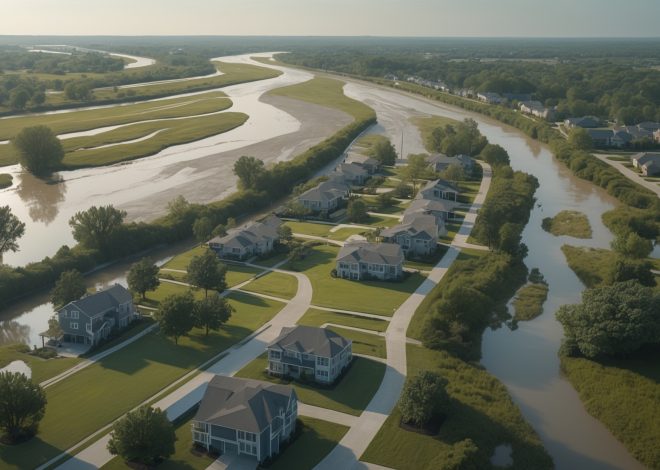
- Flood Insurance: This is almost always excluded from both homeowner and landlord policies. You must purchase flood insurance separately, usually via the National Flood Insurance Program (NFIP) or private providers.
- Earthquake Coverage: Like flood insurance, earthquake protection requires a separate policy or a specific endorsement.
Practical Advice
Check FEMA flood maps and local seismic risk assessments. Even if your lender doesn’t require extra coverage, consider it if your property is in a moderate- or high-risk area. Understand waiting periods — flood insurance, for example, often comes with a 30-day wait before coverage begins.
Myth #3: Market Value and Replacement Cost Are the Same
Where Owners Go Wrong
Some owners insure their property for its current market value, assuming this is sufficient. But when disaster strikes, this can leave you underinsured.
The Important Difference
- Market Value: What your property would sell for today, including land value.
- Replacement Cost: The cost to rebuild or repair your property with similar materials, excluding land value.
If you insure for market value, you may not have enough coverage to rebuild, especially when construction costs surge after a major event.
Practical Advice
Work with your insurer or a professional appraiser to determine an accurate replacement cost. Review this figure annually, especially in times of inflation or rising material prices.
Myth #4: Insurance Covers All Types of Tenant Damage
The Assumption
Landlords often expect their insurance to handle any damage caused by tenants, from accidental spills to intentional vandalism.
The Reality
- Normal Wear and Tear: Insurance never covers deterioration from regular use (e.g., worn carpets, faded paint).
- Tenant Negligence: Some policies exclude or limit coverage for tenant-caused damage, especially if it results from neglect or violation of lease terms.
- Intentional Damage: Many policies exclude willful or criminal acts by tenants.
Practical Advice
- Require renter’s insurance from tenants to cover their belongings and liability.
- Screen tenants carefully and conduct regular inspections.
- Read your policy’s exclusions and consider endorsements for vandalism or malicious mischief.
Myth #5: Insurance Automatically Covers All Personal Belongings
The Misunderstanding
Owners sometimes assume that everything inside a property — from appliances to tenants’ furniture — is protected under their policy.
The Reality
- Landlord policies cover only the owner’s property (appliances, fixtures, furnished items), not tenants’ belongings.
- Tenants must secure their own renter’s insurance for personal possessions.
- Coverage for valuables (jewelry, collectibles, electronics) may be limited and require separate endorsements.
Practical Advice
- Itemize your property’s contents and clarify coverage limits with your insurer.
- If you provide furnished rentals, ensure your policy reflects the value of the included items.
- Educate tenants about the need for their own insurance.
Myth #6: Filing a Claim Will Always Raise Your Premiums
The Fear
Some owners avoid making legitimate claims, worried it will automatically lead to increased premiums or policy cancellation.
The Reality
- Not every claim leads to higher costs — insurers consider claim type, frequency, and severity.
- One-off, weather-related claims may not affect your rate, while frequent small claims can trigger increases.
- Certain claims (e.g., water damage, liability) may signal higher risk and result in premium hikes or non-renewal.
Practical Advice
- Reserve claims for significant losses; pay for minor repairs out of pocket if you can.
- Maintain good property records and loss-prevention measures to demonstrate low risk.
- Consult your insurance agent before filing to discuss possible impacts.
Myth #7: Liability Coverage in Property Insurance Is Sufficient
The Belief
Owners often assume that the liability coverage in their property policy is enough for any incident, from slip-and-falls to lawsuits from contractors.
The Reality
- Standard landlord and homeowner policies include liability, but limits may be too low to cover serious injury or litigation.
- Legal costs, medical bills, and settlements can exceed standard limits ($100,000–$300,000).
- Some incidents (e.g., dog bites, swimming pool accidents) may be excluded or require special endorsements.
Practical Advice
- Consider an umbrella or excess liability policy for additional protection.
- Review exclusions and consult with an insurance professional to tailor your policy to your risks (e.g., pools, trampolines, home-based businesses).
- Require contractors to provide certificates of insurance before work begins.
Myth #8: You Only Need Insurance If You Have a Mortgage
The Short-Sighted View
Because lenders require insurance, some owners drop or reduce coverage once the mortgage is paid off, believing it’s no longer essential.
The Reality
- Insurance protects your investment regardless of loan status.
- Without coverage, you bear the full financial risk of disasters, liability suits, and property loss.
- Natural disasters, fires, and thefts don’t check your mortgage balance first.
Practical Advice
Maintain adequate insurance even when you own the property outright. Insurance is about risk management, not just lender requirements.
Myth #9: All Policies Are the Same — Just Shop for the Lowest Price
The Costly Shortcut
Owners sometimes shop for insurance based solely on price, assuming all policies offer similar protection.
The Reality
- Coverage, exclusions, deductibles, and endorsements vary dramatically between insurers and policy types.
- Cheap policies may have high deductibles, limited coverage, or gaps that leave you exposed during a claim.
- Customer service and claims responsiveness can differ significantly between companies.
Practical Advice
- Compare not just premiums, but coverage limits, exclusions, and customer reviews.
- Work with an independent agent who can shop multiple insurers for you.
- Ask about endorsements for specific risks relevant to your property (e.g., sewer backup, ordinance or law coverage).
Myth #10: Once You Buy Insurance, You Can Forget About It
The Set-It-and-Forget-It Trap
Some property owners treat insurance as a one-time purchase, never reviewing or updating their policies as circumstances change.
The Reality
- Renovations, additions, or changes in property use can leave you underinsured or uninsured.
- Inflation and rising construction costs can outpace your policy limits.
- New risks (e.g., short-term rentals, home-based businesses) may not be covered under your current policy.
Practical Advice
- Review your insurance annually and after any major property change.
- Update your insurer on renovations, occupancy changes, or new tenants.
- Request a policy review from your agent to check for gaps and recommend updates.
How to Spot and Correct Real Estate Insurance Mistakes
Audit Your Current Coverage
- Request a full policy declaration page from your insurer.
- List all properties and their current insurance types and limits.
- Identify gaps: Are flood, earthquake, or liability risks covered?
Consult a Specialist
- Work with agents who specialize in real estate or commercial property.
- Bring them questions about specific risks, endorsements, and exclusions.
Update Regularly
- Set a calendar reminder for an annual policy review.
- Update after renovations, new tenants, or changes in use.
Conclusion: Take Control of Your Real Estate Protection
Too many property owners discover insurance gaps only after disaster strikes — when it’s too late to make changes that would have protected them. By understanding and debunking these common insurance myths, you can approach your real estate investments with clarity and confidence. Insurance is not a one-size-fits-all safety net, nor is it a static product you can ignore after purchase. Instead, it’s a dynamic tool that should be tailored to your portfolio, risk tolerance, and evolving needs.
Don’t fall for the myth that cheaper is always better, or that your insurer will automatically know about every property change. Take a proactive approach: audit your coverage annually, consult with specialized agents, and educate your tenants about their own responsibilities. Remember that insurance is not just about compliance for your lender — it’s about protecting your hard-earned assets and ensuring your real estate enterprise survives the unexpected.
Review your policies, ask detailed questions, and invest in the right coverage for every property you own. With the right information and a little diligence, you can avoid costly surprises, reduce your liability, and rest easy knowing your portfolio is truly protected. The peace of mind that comes from properly structured insurance isn’t a myth — it’s a real and achievable goal for every property owner.
18 thoughts on “Common Real Estate Insurance Myths Debunked: What Property Owners Need to Know”
Leave a Reply


If I had to file a claim and my policy type wasn’t a perfect match (for example, I had a homeowner’s policy on a rental), what would typically happen with that claim—would it be partially covered, or denied altogether?
If you have the wrong policy type, such as a homeowner’s policy instead of a landlord or rental property policy, your claim is likely to be denied. Insurers usually require the correct policy for the property’s use, and having the wrong type can void coverage. It’s best to update your policy to match your property’s actual use to avoid claim issues.
For properties that may only be vacant for just over a month between tenants, what steps should an owner take to avoid having a claim denied due to a technicality in their insurance policy?
To avoid a claim denial for a property vacant for over a month, notify your insurance provider as soon as you know the property will be empty. Some policies require you to add a vacancy permit or endorsement. Also, keep up with property maintenance, secure the premises, and document these efforts. Review your policy details to ensure you’re meeting all vacancy conditions.
If my rental property is only vacant for a short period between tenants, do I really need to get a separate vacant property insurance policy? How do insurers define ‘unoccupied’ for coverage purposes?
If your rental property is vacant just for a short time between tenants, you usually don’t need a separate vacant property policy right away. Most standard landlord insurance covers brief, temporary vacancies—typically up to 30 or 60 days. Insurers often define a property as ‘unoccupied’ if there are no personal belongings and no one is living there. Always check your policy specifics, as definitions and coverage periods can vary between insurers.
Does switching from a primary residence policy to landlord insurance tend to increase premiums significantly, or are there affordable options for new landlords on a budget?
Switching from a primary residence policy to landlord insurance does usually increase your premiums, since landlords face additional risks like tenant-caused damage or loss of rental income. However, there are affordable options, especially if you shop around and compare different insurers. Ask about basic coverage plans or higher deductibles to lower costs, and consider bundling with other policies for discounts.
I’m concerned about budget since specialty insurance often costs more. Are there any strategies or coverage adjustments you recommend for owners who want to manage costs but still avoid the major risks highlighted in the article?
You can manage costs by reviewing your coverage limits, increasing your deductibles, or bundling multiple policies with the same provider for possible discounts. Focus on insuring against the major risks—like fire, liability, or weather damage—while carefully weighing optional add-ons. Regularly reassessing your property’s value and coverage needs can also help you avoid paying for unnecessary extras while staying protected.
I’m confused about how claims work if my property’s status changes and I forget to update my insurance. For example, if my home becomes vacant for two months and something happens, will the insurance deny my claim or just reduce my payout?
If your property’s status changes, like becoming vacant, and you don’t update your insurer, your claim could be denied rather than just reduced. Many policies require you to inform your insurer if the home will be vacant for a certain period, often 30 days or more. If you fail to notify them, coverage for certain risks might be excluded during that time. Always let your insurer know about status changes to avoid issues with claims.
What steps should a new property owner take to make sure their insurance actually covers tenant-occupied or vacant properties? Are there specific questions I should ask my insurance agent to avoid common gaps in coverage?
To ensure your insurance covers tenant-occupied or vacant properties, tell your agent exactly how the property will be used. Ask if the policy covers tenant-caused damage, loss of rent, and liability for tenant injuries. For vacant properties, check if vandalism and water damage are included, as standard policies may exclude these. Always review exclusions and confirm required endorsements for your situation.
How does the cost usually differ between a standard homeowner’s policy and a DP-3 landlord policy? I want to make sure I’m budgeting correctly if I convert my property to a rental.
A DP-3 landlord policy generally costs more than a standard homeowner’s policy because it covers more rental-specific risks, like tenant-caused damage and loss of rental income. On average, you might pay about 20% to 30% more for a DP-3 policy. Rates can vary based on location, property type, and coverage limits, so it’s a good idea to get quotes from your insurer to compare exact costs before making the switch.
You mention that properties vacant for more than 30–60 days may need a separate policy. Can you explain how insurers determine a property is officially vacant and what counts as ‘occupied’ for coverage purposes?
Insurers generally consider a property ‘vacant’ if it is unoccupied and not furnished for its intended use for 30–60 days, depending on the policy. A home is ‘occupied’ if someone is living there regularly and it contains necessary furnishings. Occasional visits or storing belongings usually don’t count as occupancy. Insurers may ask for evidence of regular use, like utility records, to determine the property’s status.